
Preparing for childbirth involves managing many moving parts, and packing your hospital bag is one of the most significant milestones in the third trimester. A well-designed maternity bag hospital set serves as your mobile command center during labor, delivery, and the immediate postpartum recovery period. Choosing the right set requires looking beyond aesthetics to prioritize functional organization, durable and hygienic materials, ergonomic carrying options, and space-efficient designs. In a tropical climate like the Philippines, where high humidity and sudden downpours are common, your choice must also account for environmental factors that affect fabric breathability, moisture resistance, and overall hygiene. By focusing on these practical features, you can ensure that every essential item—from newborn swaddles to maternal recovery supplies—remains clean, dry, and instantly accessible when you need them most.
Essential Compartments and Organization Features
The key to a stress-free hospital stay lies in how quickly you or your birth partner can locate specific items under pressure. A high-quality maternity bag hospital set should feature a highly structured internal layout rather than a single, deep cavernous space. Look for sets that offer dedicated zones specifically designed to separate maternal recovery items from newborn gear. Postpartum recovery requires quick access to items like maternity pads, disposable underwear, and soothing wipes, which should be kept in a clean, isolated compartment away from baby clothes. Similarly, a dedicated wet bag or a lined, zippered compartment is essential for storing soiled clothing or damp towels, preventing cross-contamination with clean items.
Newborn essentials require their own organized sections to keep them pristine and ready for immediate use. Look for bags with clear mesh pockets or labeled compartments that allow you to see exactly where tiny mittens, booties, tie-side shirts, and swaddles are stored. This visual clarity is incredibly helpful when hospital staff or your partner need to grab an item quickly without rummaging through the entire bag.
Products mentioned in this guide
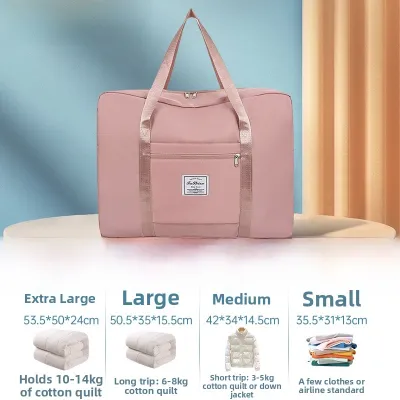
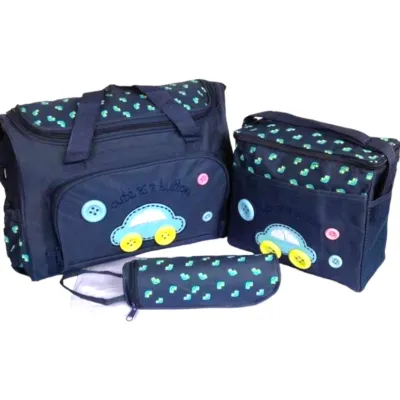
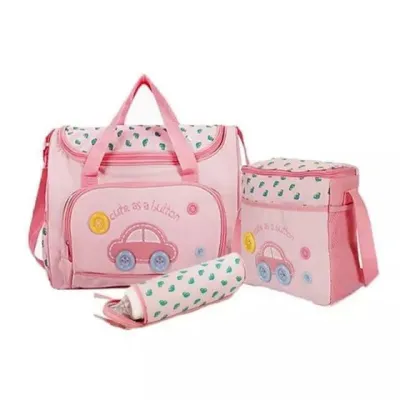
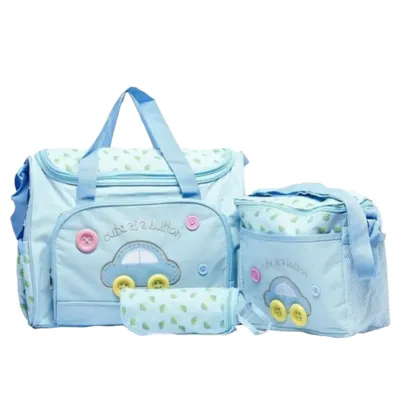
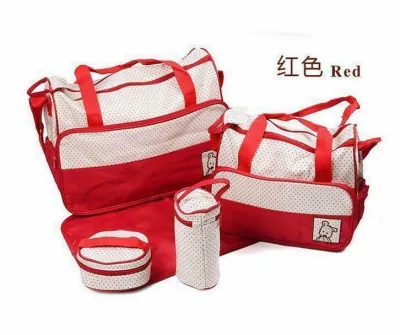
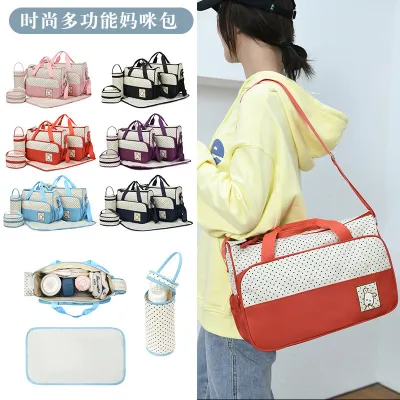
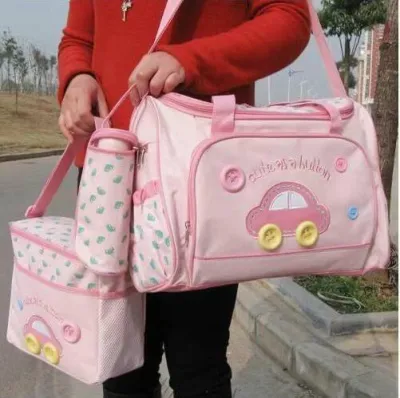
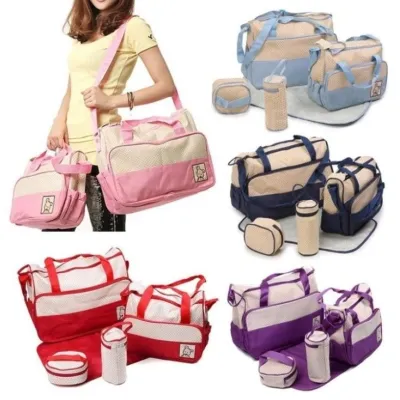
Prices are valid at publication and may change. Please refer to the product page for the latest price.
Temperature control is another critical feature to evaluate when examining a bag’s compartment layout. Insulated or temperature-controlled pockets are highly beneficial for keeping expressed breast milk, formula, or sterilized water bottles at a stable temperature. In warm, tropical environments, these insulated pockets help protect temperature-sensitive items from rapid spoilage during transit between your home and the hospital.
Finally, do not overlook the importance of exterior storage. Quick-access exterior sleeves or zippered pockets are vital for holding your hospital admission documents, PhilHealth forms, government IDs, birth plans, and prenatal records. Having these documents readily accessible at the admission desk saves you from the frustration of digging through packed clothing while managing labor contractions or administrative check-in procedures.
Material, Durability, and Hygiene Considerations
Hospital environments demand strict hygiene standards, meaning your maternity bag will be exposed to clinical surfaces, high-traffic waiting areas, and potential spills. The interior lining of your bag should feature water-resistant, wipeable materials that can be easily cleaned with a damp cloth or disinfectant wipe. Spills from baby oil, liquid formula, or maternal care products are common during a hospital stay, and a non-porous lining prevents these liquids from soaking into the fabric, which could otherwise lead to mold growth or unpleasant odors in humid conditions.

The exterior material of the bag must be equally resilient and easy to sanitize. Heavy-duty nylon, polyester, or treated canvas are excellent choices because they resist tearing and can withstand being placed on hospital floors, bedside tables, or luggage racks. These fabrics can be wiped down with sanitizing sprays or wipes without degrading the material or fading the color. When selecting a bag, verify that the exterior fabric does not easily absorb moisture, as high humidity can trap dampness and encourage bacterial growth.
Durability is also defined by the quality of the hardware and construction. Look for bags with reinforced bases, preferably with protective metal or plastic feet that keep the fabric from directly touching dirty surfaces. Heavy-duty, smooth-gliding zippers are non-negotiable; flimsy zippers can easily split when the bag is packed to capacity, rendering the bag useless at a critical moment. Double-stitched seams and reinforced stress points at the handles and strap attachments ensure that the bag can support the weight of heavy liquids, electronics, and multiple changes of clothes without tearing.
Comfort and Carrying Configurations
Navigating hospital corridors, parking lots, and admission areas requires a bag that is comfortable to carry, especially when you are physically exhausted or recovering from labor. Backpack-style maternity bags are highly recommended because they distribute weight evenly across both shoulders, reducing strain on your back and neck. They also keep your hands completely free, allowing you to hold your partner’s hand, carry an infant car seat, or navigate doors and elevators with ease. If you prefer a duffel or tote style, ensure it includes a wide, padded, and adjustable crossbody strap to prevent the strap from digging into your shoulder.
Stroller attachment compatibility is another valuable feature that extends the bag’s utility long after you leave the hospital. Many maternity bag sets come with integrated stroller straps or clips that allow you to hang the bag securely from a stroller handlebar. When using this feature, always check the manufacturer’s safety weight limits to prevent the stroller from tipping backward under the weight of a fully packed bag.
The physical design of the bag should also minimize unnecessary strain. Ergonomic, padded top handles allow for quick grabbing when transferring the bag from a car trunk to a hospital cart. Additionally, pay close attention to the empty weight of the bag itself. A bag that is heavy before you even begin packing will quickly become a physical burden once filled with water bottles, clothing, and toiletries. Opt for lightweight yet sturdy materials that do not add unnecessary bulk to your load.
Capacity Planning and Space Constraints
While it is tempting to pack for every possible scenario, hospital rooms and recovery wards often have very limited storage space. Before purchasing a maternity bag set, it is wise to inquire about your chosen hospital’s locker dimensions or under-bed storage limits. In many Philippine hospitals, bedside cabinets and lockers are compact, and a massive, rigid suitcase may not fit, forcing you to leave it on the floor where it can become a tripping hazard for medical staff.
A successful packing strategy balances having sufficient capacity for a multi-day stay—especially if you undergo a Cesarean delivery, which typically requires a longer hospital stay—against the overall bulkiness of the bag. A modular maternity bag set, which often includes a main bag accompanied by smaller matching pouches or packing cubes, offers the perfect solution. This modularity allows you to organize items by category and compress them, maximizing the available space without requiring a larger footprint.
Expandable designs are also highly practical. Some bags feature zippered expansion panels that allow you to increase the bag’s volume if you need to bring home hospital-provided recovery supplies, gifts, or additional baby items. Utilizing packing cubes within the bag not only keeps items compressed but also allows you to easily pull out specific categories of items without disrupting the rest of your packing.
Building Your Shortlist and Verifying Online Purchases
When shopping for a maternity bag hospital set on online marketplaces or ecommerce platforms, it is crucial to look beyond promotional photos and carefully verify product specifications. Start by cross-referencing the manufacturer’s listed dimensions with verified buyer reviews. Buyers often post real-life photos and videos that reveal the actual size, color accuracy, and structural integrity of the bag, helping you determine if the bag will hold its shape when empty or if it will collapse into a shapeless heap.
Pay close attention to the return policies, warranty terms, and the seller’s official status. Purchasing from an authorized brand store or a highly rated seller on an ecommerce platform reduces the risk of receiving counterfeit or substandard goods. A reliable warranty or a flexible return policy provides peace of mind, allowing you to inspect the bag in person and return it if the zippers, seams, or materials do not meet your expectations.
When evaluating potential options, look out for common red flags that indicate poor quality. Flimsy internal framing, zippers that catch or feel rough to pull, and thin, single-stitched strap attachments are clear signs that the bag may not survive the rigors of a hospital stay and subsequent diaper-bag duty. Be skeptical of listings with misleading capacity claims that promise to hold an unrealistic amount of gear without showing the actual internal dimensions. Investing in a well-constructed, highly rated set ensures that your bag remains a reliable companion throughout your parenting journey.
Frequently Asked Questions (FAQ)
Do I need a separate bag for the baby's items?
Using a modular two-bag system or a maternity set that includes a dedicated baby pouch is often more practical than packing everything into a single, massive compartment. A separate, smaller bag or dedicated section for the baby’s items allows your partner or the hospital nursing staff to quickly locate newborn clothes, diapers, and swaddles without disturbing your personal recovery items. This separation is particularly helpful during the initial hours after delivery when you may be resting, and others need to care for the baby. However, if you prefer a single-bag approach, ensure it has distinct, clearly labeled compartments to keep maternal and newborn items completely separated.
Can I use a regular diaper bag as a maternity hospital bag?
You can use a regular diaper bag, but you must carefully evaluate its capacity and compartment layout to ensure it can accommodate both your needs and the baby’s. Standard diaper bags are designed for daily outings and may not have enough space for multi-day postpartum recovery essentials, such as bulky maternity pads, changes of clothes, and toiletries. If your existing diaper bag is on the larger side and features highly organized compartments, it may suffice. However, many parents find that upgrading to a dedicated maternity hospital bag set—which often includes matching packing cubes, wet bags, and larger capacities—provides the necessary space and organization required for a comfortable and stress-free hospital stay.

Community discussion
Share your experience or ask a question. Comments are reviewed before publication.