
A newborn diaper changing table is one of the most frequently used pieces of furniture in a nursery. During the first few months of life, a newborn may require up to 12 diaper changes a day, making this station a hub of daily activity. Choosing the right changing table is not just about finding a piece of furniture that matches your nursery decor; it is about ensuring your baby’s safety while protecting your own physical health.
For parents preparing a nursery, balancing safety, ergonomics, and tropical durability is key. This guide breaks down the essential features to prioritize, helping you select a safe, functional, and long-lasting changing station for your home.
Quick Answer: Must-Have Features for a Newborn Changing Table
When choosing a diaper changing table, safety and physical comfort should always come first. The most critical features to prioritize before making a purchase include:
Products mentioned in this guide
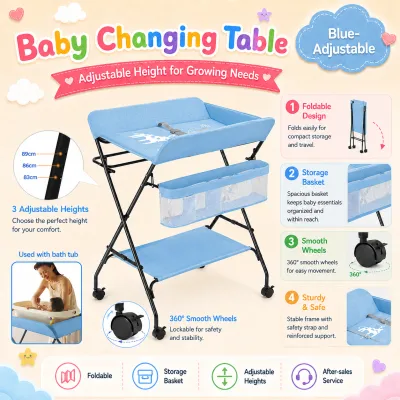
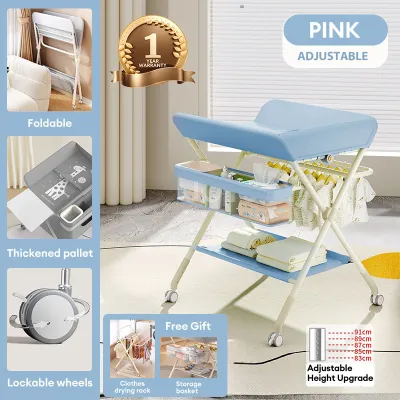
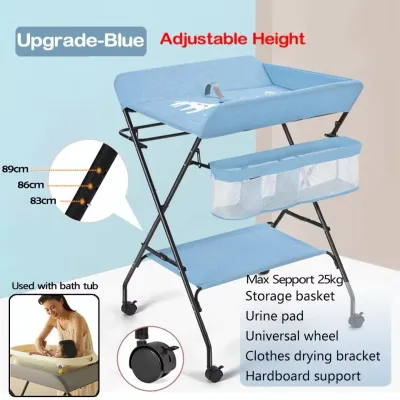
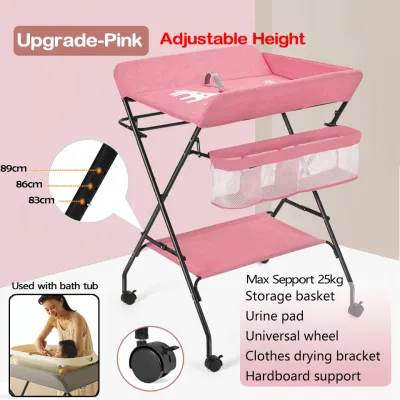
Prices are valid at publication and may change. Please refer to the product page for the latest price.
- Raised safety barriers: Look for guardrails that are at least 2 inches high on all sides to prevent your baby from rolling off.
- A secure restraint system: An adjustable safety strap with a sturdy, user-friendly buckle is essential for keeping your baby centered.
- Sturdy, stable construction: The table must have a wide, solid base and include reliable anti-tip hardware to anchor it securely to the wall.
- A wipeable, easy-to-clean surface: A waterproof, non-porous changing pad is vital for quick cleanup and proper hygiene.
The ideal table successfully balances these safety requirements with caregiver ergonomics, ensuring the height matches your comfortable reach while fitting within your nursery’s physical space constraints.
Non-Negotiable Safety Features to Protect Your Newborn
Your baby’s safety is the absolute priority during diaper changes. Because newborns quickly develop the ability to wiggle, kick, and roll, the structural design of the changing table must actively mitigate the risk of falls and injuries.

Barriers and Contours
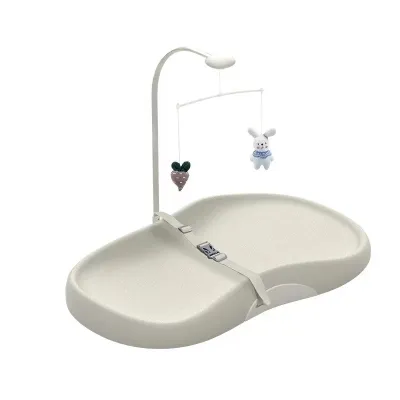
The physical frame of the changing table must feature raised guardrails. These guardrails should extend at least two inches above the changing surface to create a secure boundary. If you are using a changing pad on top of a dresser, look for contoured pads with curved edges. These contours naturally roll the baby toward the center of the pad, reducing lateral movement. Always inspect the sturdiness of these barriers; they should not wobble or flex when pressure is applied.
Restraint Systems
Most modern changing tables and pads come equipped with an adjustable safety strap. This strap should buckle securely over your baby’s torso. However, it is vital to understand that a safety strap is a secondary backup, not a substitute for hands-on care. You must maintain active, hands-on supervision at all times. Never walk away from the table or turn your back, even for a second, to grab a diaper. Keep one hand firmly on your baby throughout the entire changing process.
Stability and Anti-Tip Hardware
A top-heavy changing table poses a significant tip-over hazard, especially as your baby grows and becomes more active. Look for a unit with a wide, stable base and a low center of gravity. For tall changing tables, shelving units, or dresser combinations, installing anti-tip wall anchors is an absolute necessity. In the Philippines, many homes feature solid concrete or concrete hollow block walls rather than drywall. Ensure the included hardware is compatible with your wall type; you may need to purchase specialized masonry wall plugs and use a hammer drill to secure the unit safely.
Smooth Edges and Hardware
Run your hands along every edge, corner, and joint of the changing table before assembly and use. Ensure all corners are rounded to prevent scratches. Check that all screws, bolts, and brackets are fully recessed or covered. Exposed hardware can snag clothing or scratch your baby’s delicate skin during sudden movements.
Ergonomics: Choosing the Right Height and Surface Size
Diaper changes are a repetitive task that can quickly take a toll on your body. Selecting a table that accommodates your physical height and provides ample space for your growing baby is essential for long-term comfort.
Caregiver Height
If the table is too low, you will find yourself hunching forward, placing immense strain on your lower back and neck. If it is too high, you will have to raise your shoulders awkwardly, leading to upper back and shoulder tension. This is particularly critical for mothers recovering from a C-section, where bending can strain healing abdominal incisions. To find your ideal height, stand comfortably and measure the distance from the floor to your bent elbows. The changing surface should sit roughly 3 to 6 inches below your elbow height, typically ranging between 36 and 43 inches from the ground.
Surface Dimensions
A newborn grows rapidly. While a compact changing surface might seem sufficient for a tiny infant, your baby will quickly outgrow it. Look for a surface that offers a generous length of at least 32 inches and a width of around 16 to 18 inches. A spacious surface ensures you can continue using the table safely through the first year of life without your baby’s head or feet crowding the edges.
Pad Compatibility
Before purchasing a changing table, check whether it requires a proprietary changing pad or if it fits standard, universally sized pads. A mismatched pad can leave hazardous gaps between the pad and the wooden frame. These gaps can trap a baby’s hands, feet, or head. The changing pad must fit snugly within the table’s frame with no more than a finger’s width of space on any side.
Storage Layouts for Efficient and Safe Diaper Changes
A well-organized changing station keeps all your diapering essentials within arm’s reach. This layout is not just a matter of convenience; it is a critical safety feature that ensures you never have to step away from your baby to grab a fresh diaper or wipe.
Open Shelving vs. Closed Drawers
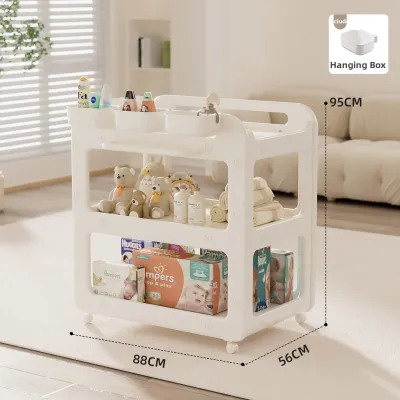
The layout of your changing table’s storage directly impacts safety. Open shelving provides immediate, one-handed access to essential items like diapers, wipes, and change mats. This allows you to keep your other hand securely on your baby. However, open shelves expose items to dust and household humidity. Closed drawers keep clothing and extra supplies clean and organized, but they require more effort to open and close. A combination of both—such as an open top shelf with drawers underneath—often provides the best balance.
Side Caddies and Attachments
Side-mounted organizers, hanging caddies, or attachable baskets are excellent additions to any changing station. They keep frequently used items like diaper rash creams, cotton balls, and hand sanitizer at waist level. This setup prevents you from having to bend down or reach away from the changing surface, keeping your focus and physical contact directed entirely on your baby.
Safety in Storage
How you organize your storage is just as important as the physical layout. Never store heavy items, such as large glass bottles of baby oil or heavy toy baskets, on high shelves directly above the changing surface. If these items fall, they could cause serious injury to your baby. Additionally, keep all small items, plastic diaper bags, medication, and highly concentrated creams out of your baby’s reach, but within your comfortable grasp.
Comparing the Main Types of Diaper Changing Tables
Changing tables come in several distinct styles to accommodate different home layouts, budgets, and long-term storage needs. Understanding these options will help you choose the best fit for your nursery.
| Table Type | Space Efficiency | Storage Capacity | Longevity | Stability |
|---|---|---|---|---|
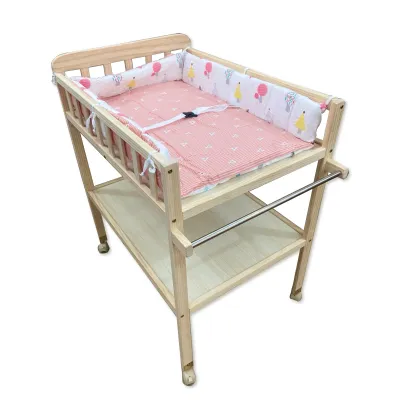
| Freestanding Table | Moderate | Moderate (Open) | Low (Single-use) | Moderate |
| Dresser/Changer Combo | Low (Bulky) | High (Closed) | High (Multi-year) | High |
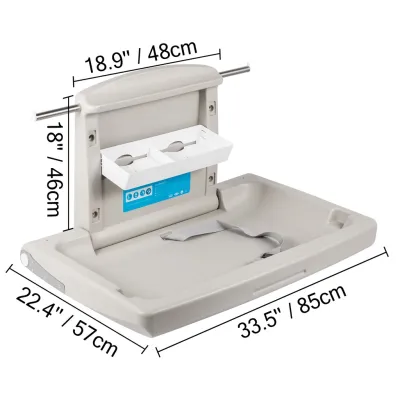
| Portable/Fold-down | High | Low | Low (Single-use) | Moderate (Wall-dependent) |
Freestanding Tables
These are dedicated, lightweight units designed solely for diaper changes. They typically feature two or three open shelves below the changing surface. They are highly budget-friendly and easy to move around the nursery. However, their utility is limited; once your baby outgrows diapers, the table has little practical use, and the open shelves can easily look cluttered.
Dresser/Changer Combos
These units consist of a standard chest of drawers with a changing topper secured to the top surface. They represent a significant long-term investment. Once your child is potty trained, you can remove the changing topper, leaving a beautiful, fully functional dresser that can be used throughout childhood. While they require a larger initial budget and take up more floor space, their stability and closed storage capacity are unmatched.
Portable/Fold-down Tables
For homes with limited floor space, small apartments, or multi-story residences, portable folding tables or wall-mounted fold-down tables are highly efficient. Portable folding tables can be collapsed and stored in a closet when not in use. Wall-mounted units fold flat against the wall, opening up valuable floor space. However, these options require rigorous safety checks. Wall-mounted tables must be anchored securely into wall studs or solid concrete walls using heavy-duty hardware to prevent structural failure.
Material and Maintenance Tips for Humid Climates
Living in a tropical climate like the Philippines means dealing with high relative humidity throughout the year. This moisture-rich environment is highly conducive to mold, mildew, and bacterial growth, making material selection and maintenance critical.
Surface Materials
Your changing pad cover must be completely waterproof and non-porous. Look for high-quality polyurethane (PU) or vinyl covers that can be wiped dry instantly. Avoid fabric or cotton covers that absorb sweat, spills, and diaper leaks, as these will quickly trap moisture and develop musty odors or mold.
Wood and Finish Considerations
If you choose a wooden changing table, the quality of the wood and the protective finish are critical. Untreated or poorly sealed wood can absorb atmospheric moisture, leading to warping, cracking, and wood rot. Look for solid hardwoods or high-grade, moisture-resistant engineered wood that has been fully sealed with a non-toxic, moisture-resistant finish. Verify that the manufacturer uses lead-free, baby-safe paints or varnishes. Check the furniture periodically for any signs of wood swelling, soft spots, or paint peeling.
Cleaning Protocols
Regular sanitization is essential to prevent bacterial buildup, but you must clean the table correctly to avoid damaging the materials. Wipe down the changing surface daily with a mild, baby-safe disinfectant or a mixture of warm water and gentle soap. Avoid harsh chemical cleaners, bleach, or abrasive scrubbing pads, which can strip away the waterproof coating of the pad or damage the wood sealant. Always dry the surface thoroughly with a clean cloth after cleaning; leaving standing water on the table in a humid environment will accelerate wood degradation and mold growth.
How to Verify Weight Limits and Safety Standards
Before finalizing your purchase, it is essential to verify the product’s physical limitations and safety compliance. Understanding these specifications ensures you do not use the table beyond its intended capacity.
Reading the Labels
Do not rely on generic marketing claims that promise a table will “last for years.” Always locate the physical manufacturer label, usually found on the underside of the changing frame or in the user manual. This label will state the exact maximum weight limit, which is typically 30 pounds (13.6 kg). Verify this limit before purchase, especially if you plan to use the table for an older infant or toddler.
Developmental Milestones
A baby’s development is often a more critical indicator of safety than their weight. Even if your baby is well under the maximum weight limit, you must stop using the elevated changing table once they reach certain developmental milestones. If your baby begins to roll over actively, attempts to sit up, or tries to pull themselves up using the guardrails, the risk of a fall increases exponentially. At this stage, transition to changing your baby on a secure, clean mat on the floor.
Certifications
When shopping, look for recognized safety certifications on the product packaging, such as ASTM International or JPMA compliance. These markings indicate that the product has undergone rigorous testing for structural stability, material safety, and load-bearing capacity. However, remember that certifications are voluntary and vary by region. Always perform your own structural check during assembly, and never allow any safety certification to replace active, hands-on caregiver supervision.
Frequently Asked Questions (FAQ)
Do I really need a dedicated diaper changing table?
While a dedicated changing table offers excellent ergonomics and organized storage, it is not an absolute necessity for every family. Many parents successfully use alternatives, such as placing a contoured changing pad securely on top of an existing, sturdy dresser, or using a portable changing mat on a bed or the floor. The key is maintaining the same high safety standards. If you use a dresser, ensure the pad is securely anchored to the back of the dresser frame and that the dresser itself is anchored to the wall. If you change your baby on a bed or the floor, you eliminate the risk of a high fall, but you must still keep all supplies within arm’s reach and never leave your baby unattended.
When should I stop using the diaper changing table?
You should stop using the changing table as soon as your baby reaches the manufacturer’s maximum weight limit (typically 30 pounds) or exhibits behavioral signs of increased mobility. If your baby becomes highly active during changes, constantly twists, tries to roll over, or attempts to climb out of the frame, the elevated surface is no longer safe. Additionally, if your baby shows distress or resists being placed on the elevated table, it is a clear signal to transition to floor-level changing. Changing an active toddler on a clean mat on the floor is far safer and prevents accidental falls.
Community discussion
Share your experience or ask a question. Comments are reviewed before publication.