
To ensure maximum protection when baby-proofing your home, the ideal socket cover must feature a secure, flush-fitting design that prevents small fingers from prying it loose, a size large enough to avoid being a choking hazard, and a complex removal mechanism that requires adult motor skills or a specialized tool. Choosing the right safety barrier involves evaluating your household’s daily electrical usage, the specific outlet types installed in your walls, and the developmental stage of your child.
While many parents purchase the first inexpensive plastic plugs they find, electrical safety requires a more strategic approach. Outlets are often positioned at a toddler’s eye level, making them natural targets for curiosity. Selecting high-quality protective covers designed to withstand both physical impact and curious exploration is one of the most critical steps in creating a secure environment for your growing baby.
Why Basic Outlet Plugs May Not Be Enough
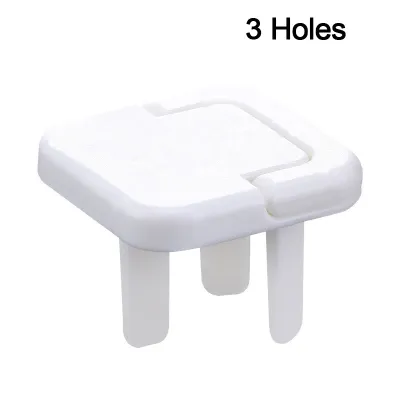
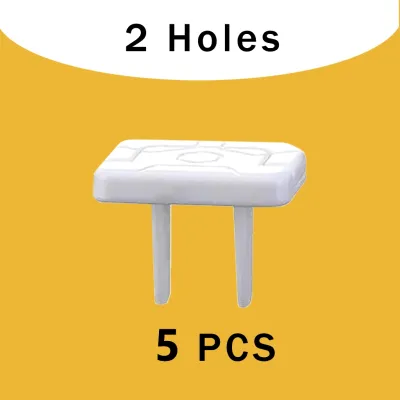
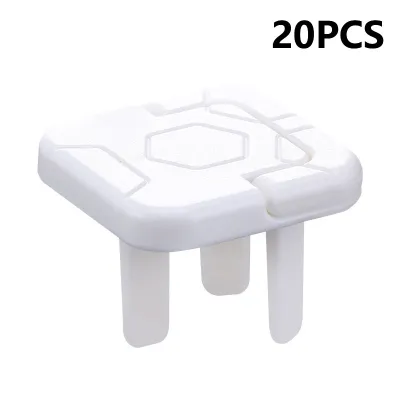
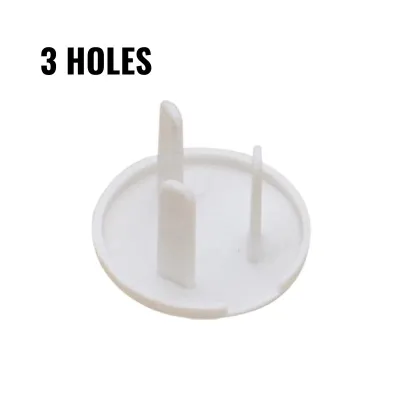
Traditional, single-piece plastic plug inserts have been a staple of baby-proofing for decades, but they carry significant limitations that modern safety standards have exposed. These basic plugs consist of a simple plastic face with two or three prongs that push directly into the outlet. While they do block the open slots, they often fail to provide long-term protection against determined toddlers.
Products mentioned in this guide
Prices are valid at publication and may change. Please refer to the product page for the latest price.
The most critical risk associated with basic plug inserts is the potential for choking. Because these plugs are small, lightweight, and made of single pieces of molded plastic, they can easily fit entirely inside a young child’s mouth. If a toddler manages to remove one of these plugs, the protective device itself immediately transforms into a severe choking hazard.
Children develop fine motor skills much faster than many parents anticipate. Between the ages of 12 and 18 months, infants master the pincer grasp, allowing them to pinch and pull small objects with surprising force. If a basic plug insert does not fit perfectly flush against the wall, or if the plastic has warped slightly over time, a toddler can easily slide a fingernail, a plastic toy, or a flat object under the edge and pry the plug out of the wall.
True electrical safety requires a comprehensive approach that goes beyond simply blocking the holes. Relying on basic plugs can create a false sense of security for caregivers, leading to reduced supervision. A robust baby-proofing strategy assumes that children will actively interact with the safety devices, meaning those devices must be mechanically complex enough to resist their physical capabilities.
Essential Safety Features for Maximum Protection
When evaluating socket covers, parents should look beyond aesthetic appeal and focus on the core engineering of the product. High-quality safety devices are designed specifically to counter a child’s physical strength, curiosity, and developmental milestones.

Selecting the right cover requires assessing three primary pillars of safety: physical dimensions, removal complexity, and material integrity. A failure in any of these areas can compromise the protective barrier, leaving live electrical contacts accessible to your child.
Choke-Proof Size and Secure Fit
A high-quality cover must be designed with physical dimensions that eliminate choking hazards. Safety standards generally require children’s products and small household accessories to be large enough that they cannot pass through a standard small-parts testing cylinder. When shopping, look for covers that feature wide, oversized faceplates that cannot be easily swallowed if they are somehow removed.
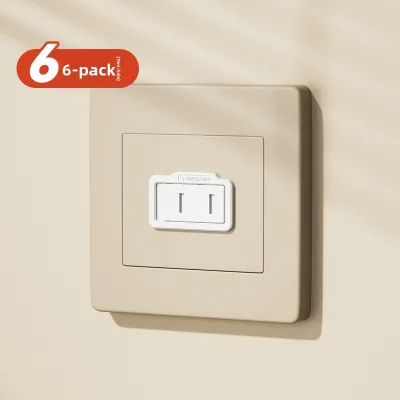
The fit of the cover against the wall plate must be completely snug and flush. Any visible gap between the cover and the outlet faceplate provides a leverage point for tiny fingers. High-quality manufacturers design their covers with ultra-thin, tapered edges that lie completely flat against the wall, leaving no grip surfaces for a child to exploit.
Always check product packaging and manufacturer documentation for age-appropriate sizing recommendations and safety compliance indicators. Reliable brands will explicitly state if their products have undergone small-parts testing or conform to international child safety regulations.
Dual-Key or Complex Removal Mechanisms
To prevent toddlers from bypassing your safety measures, a socket cover should require adult-level dexterity, coordination, or physical strength to remove. Simple pull-out designs are easily defeated, whereas complex mechanisms rely on cognitive and motor skills that young children have not yet developed.
Dual-action mechanisms are highly effective because they require two distinct physical forces to be applied at the same time. For example, some covers require you to squeeze two release buttons on the sides while simultaneously pulling the cover outward. Other designs utilize a specialized plastic key that must be inserted and twisted to unlock the prongs from the socket.
Unlike single-prong plugs that can be removed with a straight pull, these multi-step systems ensure that even if a child attempts to pull on the cover, the locking mechanism remains engaged. If you select a model that requires a physical key, establish a strict household rule to store the key on a high shelf or a secure key ring completely out of the child’s reach and sight.
Durable and Non-Toxic Materials
Because infants and toddlers frequently explore their environment by chewing or tasting household objects, the chemical composition of the socket cover is just as important as its mechanical design. Ensure that any cover you purchase is certified as BPA-free, non-toxic, and free from harmful phthalates or heavy metals.
The structural integrity of the plastic must be robust enough to withstand impact. Active toddlers may strike wall outlets with heavy toys, ride-on walkers, or shoes. Low-grade plastics can easily crack, chip, or shatter under pressure, creating sharp edges that pose cutting hazards or exposing the live metal prongs underneath. Look for high-impact ABS plastic or heavy-duty polycarbonate materials.
In addition to physical durability, verify that the materials are rated for heat resistance and electrical safety. When purchasing electrical accessories in the Philippines, check the product documentation or packaging for recognized safety certification marks, which indicate that the materials have been verified to resist ignition and structural degradation under normal household conditions.
Usability and Design Features for Parents
While protecting your child is the absolute priority, baby-proofing devices must also be practical for daily adult use. If a safety cover is excessively difficult to manage, parents may find themselves leaving outlets unprotected out of sheer frustration.
- Ease of Installation: Look for covers that can be installed securely without requiring complex tools, rewiring, or professional assistance. Most high-quality options are designed to snap directly into existing outlets or replace standard faceplates using a simple household screwdriver.
- Aesthetic Integration: Avoid brightly colored covers or those shaped like animals or cartoon characters. While they may look appealing, they actually attract a child's attention. Opt for low-profile, neutral colors like white, off-white, or clear matte finishes that blend seamlessly with your standard wall plates and home decor, rendering the outlet virtually invisible to a toddler.
- Outlet Compatibility: Standard wall outlets in the Philippines typically feature Type A (two flat parallel prongs) or Type B (two flat prongs with a round grounding pin) configurations. Before purchasing, verify that the socket cover matches the exact shape, prong configuration, and faceplate style of your home's outlets, especially if you have modern universal outlets or multi-gang switch-and-plug combinations.
- Cord Management: For outlets that must remain in active use, look for covers that incorporate cord management features. These designs often include built-in channels, clips, or protective shield boxes that guide the appliance cord safely along the wall, preventing children from pulling on the wire or tampering with the plug connection.
Recommended Types of Socket Cover Options Based on Your Needs
No single style of cover is perfect for every room in your home. The best choice depends on whether the outlet is completely idle, used occasionally, or permanently connected to a household appliance.
Understanding the distinct categories of covers allows you to customize your baby-proofing strategy, ensuring maximum security where it is needed most without sacrificing daily convenience.
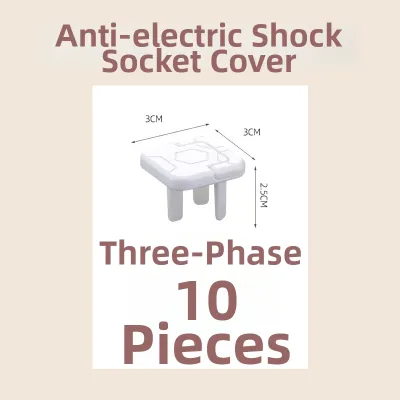
Outlet Plug Inserts with Removal Keys
These upgraded versions of the traditional plug insert feature a completely flat, smooth faceplate with no external handles or ridges. They can only be extracted by inserting a specialized plastic tool or key into a designated slot and twisting to release the internal latch.
- Best Use Case: Outlets that are rarely or never used, such as those positioned behind heavy wardrobes, beds, or low cabinets that are seldom moved.
- Key Safety Feature: The lack of any finger-grip area makes it virtually impossible for a child to remove the cover without the designated key.
- Limitations: Because you must locate and use the physical key every time you want to plug in an appliance, these covers are highly inconvenient for high-traffic outlets used for vacuum cleaners or phone chargers.
Sliding Outlet Covers (Self-Closing)
Sliding covers replace your existing wall faceplate entirely. They feature spring-loaded sliding panels over the entry slots. To plug in an appliance, you must insert the prongs of the plug into the cover, slide the panel to the side to align with the internal contacts, and push the plug all the way in.
- Best Use Case: Frequently accessed outlets in living rooms, kitchens, and hallways that are used daily for temporary appliances, chargers, or home cleaning tools.
- Key Safety Feature: The moment you unplug an appliance, the internal spring mechanism automatically snaps the sliding panel back into the closed position, instantly blocking the live contacts without any manual effort.
- Limitations: Installing these covers requires removing the original outlet faceplate, which involves basic screwdriver use and turning off the power supply during installation.
Full Outlet Box Covers
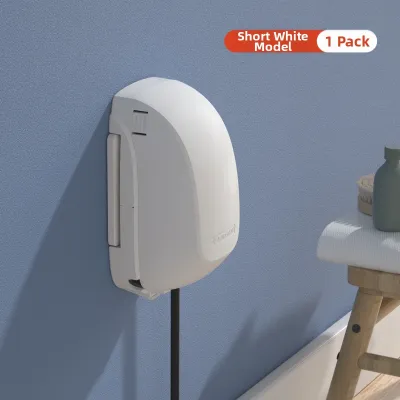
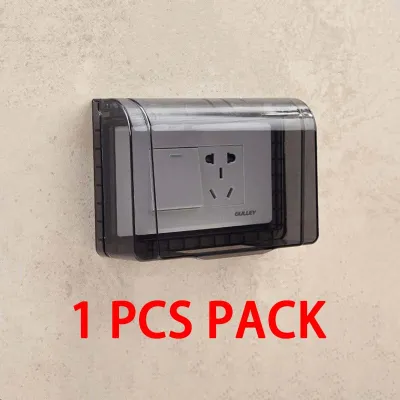
Full box covers consist of a clear or opaque plastic dome that snaps securely over the entire outlet plate, enclosing both the outlet itself and any plugs that are currently inserted into it. The cords exit through a small, protected channel at the bottom of the box.
- Best Use Case: Outlets powering essential, permanently plugged-in appliances such as refrigerators, air purifiers, television setups, or electric fans.
- Key Safety Feature: The locked box prevents toddlers from pulling on the appliance cords, wiggling the plugs, or touching the exposed metal prongs of an active plug.
- Limitations: These enclosures are bulky, protrude significantly from the wall, and may prevent you from pushing furniture flush against the wall.
Comparison of Socket Cover Types
| Cover Type | Best Use Case | Key Safety Feature | Adult Convenience Level |
|---|---|---|---|
| Outlet Plug Inserts with Keys | Outlets hidden behind heavy furniture or rarely used | Requires a physical key or tool to remove; no finger-grip surfaces | Moderate (requires keeping track of the key) |
| Sliding Outlet Covers | High-traffic outlets used daily for temporary appliances | Automatically slides shut when plug is removed | High (no loose parts or keys to manage) |
| Full Outlet Box Covers | Outlets with active, permanently plugged-in appliances | Encloses the entire plug and cord connection behind a latched box | Moderate (requires opening a latched box to unplug) |
Installation and Ongoing Safety Checks
Proper installation and consistent maintenance are vital to ensuring that your chosen safety covers continue to protect your child over time. A damaged or poorly installed cover can fail unexpectedly, creating an immediate hazard.
- Pre-Installation Check: Before installing any cover, carefully inspect the wall outlet. Look for loose faceplates, cracked plastic, loose internal contacts (which cause plugs to slip out easily), or any signs of heat damage such as scorch marks or discoloration. If you notice any of these issues, do not install the cover; stop immediately and consult a qualified, licensed electrician to repair the outlet.
- Secure Fitting Verification: Once a cover is installed, perform a physical test. Attempt to wiggle the cover or slide your fingernails under the edges. If the cover wobbles, pulls away from the wall easily, or leaves a visible gap, it is either incompatible with your outlet type or installed incorrectly. Adjust the fit or switch to a different model.
- Routine Maintenance: The tropical climate in the Philippines brings high humidity, which can cause dust accumulation, moisture buildup, or the degradation of plastic components over time. Schedule a monthly visual inspection of all safety covers in your home. Gently wipe away dust with a dry cloth and check for any signs of wear.
- Replacement Triggers: Establish clear criteria for when a cover must be discarded. If you notice any hairline cracks, brittle plastic, discoloration, a sticky sliding mechanism that fails to snap shut, or if you lose the specialized removal keys, discard the cover immediately and replace it with a new one.
Frequently Asked Questions (FAQ)
Maintaining a safe home environment requires ongoing vigilance and a willingness to adapt your safety measures as your child grows and develops new motor skills.
Are socket covers safe for all types of electrical outlets?
While standard socket covers are designed to fit common domestic wall outlets, they are not universally compatible with specialized electrical fixtures. Outlets with integrated USB ports, smart home adapters, high-voltage appliance connections (such as those for heavy-duty air conditioners), or ground fault circuit interrupters (GFCI) often have unique dimensions and shapes. Forcing a standard cover onto an incompatible or specialized outlet can damage the internal contacts or prevent the safety device from sealing flush against the wall. For specialized outlets, consult the manufacturer’s instructions or seek a professional assessment to identify compatible, custom-fit protective enclosures.
What should I do if my toddler manages to remove a socket cover?
If you discover that your child has successfully bypassed or removed a cover, immediately move the child away from the area and secure the outlet. Inspect both the cover and the wall outlet for any physical damage, cracks, or loose components that may have occurred during the removal attempt. If the cover was a basic plug insert, upgrade immediately to a more secure option, such as a key-operated plug, a self-closing sliding faceplate, or a locked full box cover. Remember that childproofing devices are designed to delay access, not replace adult supervision; a child who has successfully removed a cover requires closer monitoring around electrical fixtures.
Do I need to baby-proof outlets that are hidden behind furniture?
Yes, outlets located behind furniture still require proper baby-proofing. Toddlers are highly motivated to explore tight spaces, crawl behind barriers, or drop small toys into narrow gaps. Furthermore, furniture can shift slightly over time, exposing previously hidden outlets. For these low-traffic, partially hidden areas, using outlet plug inserts with removal keys is an excellent solution. They provide a high level of security without the bulk of full box covers, ensuring that even if your child manages to squeeze behind a bed or cabinet, the live electrical contacts remain completely inaccessible.
Community discussion
Share your experience or ask a question. Comments are reviewed before publication.