
Choosing the right baby bag for your hospital stay is a critical step in your third-trimester preparations. Unlike standard outings where you only need a few diapers and a change of clothes, a hospital stay for delivery and postpartum recovery requires a bag that serves as a mobile command center. The ideal baby bag for hospital use must offer a generous capacity of 25 to 40 liters, structured organization with wide-access openings, dedicated compartments for wet and dry items, and durable, easy-to-sanitize materials. Selecting a bag with these specific features ensures that both you and your birth partner can access critical items instantly during labor and recovery, minimizing stress when every second counts.
Understanding the Hospital Environment vs. Daily Outings
A multi-day hospital stay for childbirth is vastly different from a quick afternoon trip to a local mall or a routine check-up at the pediatrician’s clinic. Daily outings typically require packing for just a few hours, meaning a compact bag with space for a bottle, a couple of diapers, and a pack of wipes is more than sufficient. In contrast, preparing for a hospital admission means packing for a stay that spans several days, during which you will transition from active labor to postpartum recovery while simultaneously caring for a newborn.
Hospital environments introduce unique physical and spatial constraints that directly impact how you should select your gear. Maternity wards, particularly in busy medical centers, often feature limited bedside space, shared recovery rooms, and compact side tables. In these tight quarters, a disorganized, unstructured bag becomes a major liability, forcing you or your partner to rummage blindly through a dark interior. Furthermore, clinical settings demand quick, quiet access to items like medical records, swaddles, and personal toiletries without disrupting other recovering patients or medical staff.
Products mentioned in this guide
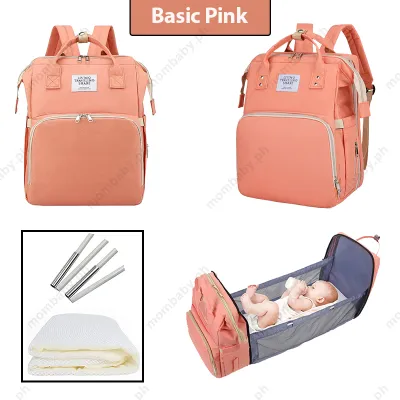
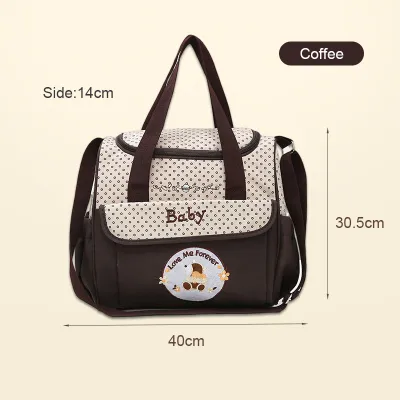
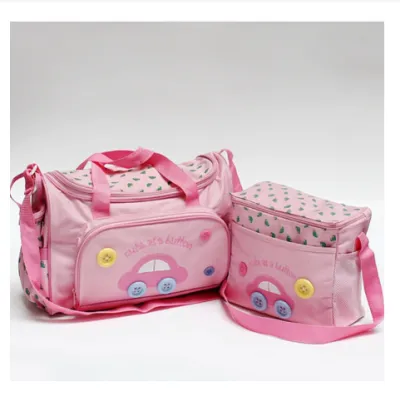
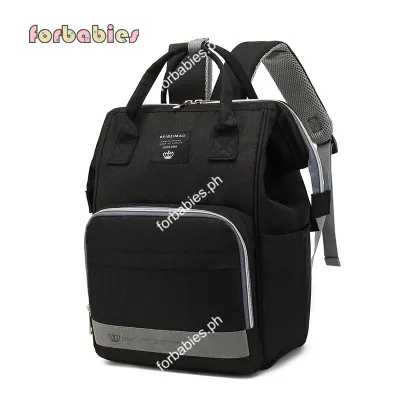
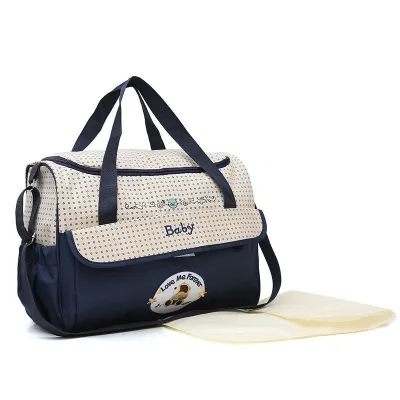
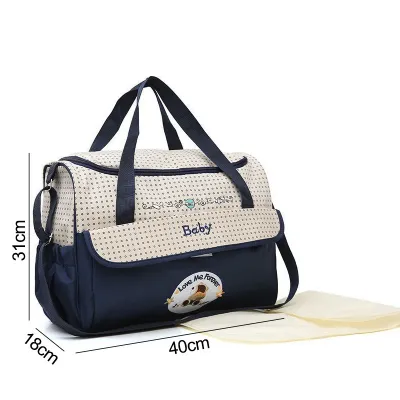
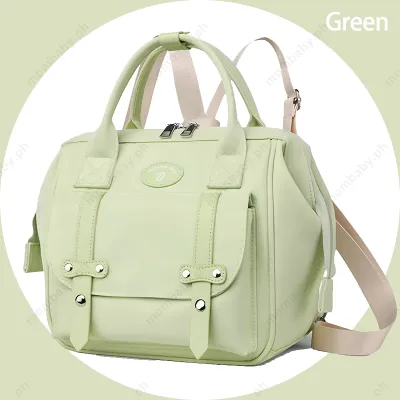
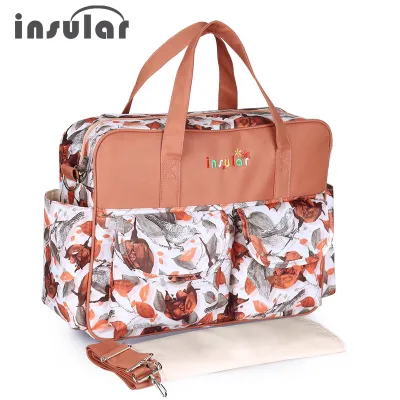
Prices are valid at publication and may change. Please refer to the product page for the latest price.
Before finalizing your bag selection and packing list, it is highly recommended to consult your specific hospital’s admission guidelines. Many hospitals provide a detailed checklist of what they supply—such as basic newborn layettes, receiving blankets, or antiseptic solutions—and what items are restricted or required. Knowing these parameters beforehand prevents you from overpacking unnecessary items, allowing you to choose a bag size that fits comfortably within your allocated hospital room space.
Essential Features for Hospital Delivery and Postpartum Stays
Selecting a bag that meets the rigorous demands of a hospital stay requires looking past aesthetic appeal and focusing on functional design. The right bag acts as a reliable assistant, keeping postpartum essentials and newborn gear perfectly segregated and easy to reach.

Size and Capacity for Multi-Day Stays
Estimating the correct volume for your hospital bag depends on your anticipated delivery type and the length of your stay. A standard vaginal delivery typically requires a hospital stay of 1 to 2 days, whereas a Caesarean section (C-section) usually extends the stay to 3 or 4 days in most hospitals. Your bag must comfortably accommodate supplies for this duration, not just for the baby, but also for yourself and potentially your partner who may be staying overnight on a companion cot.
The primary challenge is balancing adequate storage space with physical manageability. You need enough room to pack bulky postpartum necessities—such as heavy-duty maternity pads, adult diapers, nursing wear, and personal toiletries—without bringing a massive, unstructured duffel bag that clutters a small recovery room. A capacity of approximately 30 to 35 liters is generally the sweet spot for a dedicated hospital baby bag, providing ample space without becoming overly cumbersome to transport.
When evaluating bags, look for designs that incorporate expandable zippers or structured internal frames. A structured bag maintains its shape and stands upright on its own, even when it is only partially filled. This design detail prevents the bag from collapsing, keeping your packed items upright and preventing clean baby clothes or sterile supplies from spilling onto the hospital floor.
Smart Compartments for Quick Access and Organization
In a clinical setting, speed and visibility are paramount. Look for bags that feature wide-opening designs, such as a doctor-bag style frame or a full clamshell zip-around opening. These designs allow the bag to open completely flat or wide, giving you a comprehensive view of the entire interior at a single glance. This is incredibly helpful when you are resting in a hospital bed and need to instruct your partner or a nurse to retrieve a specific item quickly.
Exterior pockets are equally crucial for maintaining order. Your bag should feature easily accessible, secure outer pockets dedicated to high-frequency items. These include your hospital admission paperwork, PhilHealth documents, doctor’s referrals, identification cards, smartphones, and personal care items like lip balm and hand sanitizer. Having these items isolated on the exterior of the bag eliminates the need to open the main compartment every time you need to present a document or sanitize your hands.
Hygiene management is another critical factor to consider. Ensure the bag includes dedicated, sealed wet/dry compartments or waterproof pockets. During your stay, you will accumulate soiled baby clothes, damp muslin squares, or used nursing pads. Storing these items in a separate, moisture-proof pocket prevents cross-contamination, ensuring that the remaining clean clothes and sterile baby supplies stay completely dry and hygienic.
Durable and Easy-to-Clean Materials
Hospitals are sterile environments, but they are also prone to spills, leaks, and exposure to various fluids. Your baby bag must be constructed from materials that can withstand these challenges. Look for high-density polyester, nylon, or wipeable vegan leather for the exterior, and water-resistant, smooth fabrics for the interior lining. These materials allow you to easily clean up accidental spills of breast milk, baby formula, sanitizing rubbing alcohol, or bodily fluids with a simple wipe.
When shopping, it is wise to verify the manufacturer’s care instructions rather than relying on vague marketing claims such as “antibacterial” or “self-cleaning” properties. Check the product labels to see if the fabric can be safely wiped down with standard baby-safe disinfectant wipes or if the bag is machine washable. A bag that requires delicate hand-washing or specialized dry cleaning is highly impractical for the demanding postpartum period.
Additionally, avoid selecting bags made from light-colored, highly textured, or delicate fabrics like canvas, linen, or suede. While these materials may look appealing, they easily trap dust, lint, and stains in a busy clinical environment. Darker shades or classic neutral tones are far more forgiving, helping the bag maintain a clean, professional appearance throughout your hospital stay and subsequent daily use.
Comfortable Carrying Options for Hospital Corridors
Navigating a hospital involves walking down long corridors, riding elevators, and moving between admission desks, delivery rooms, and recovery wards. You must evaluate how comfortable the bag is to carry when fully loaded. Backpack-style diaper bags are highly recommended because they distribute weight evenly across both shoulders, leaving your hands completely free to hold a newborn car seat, sign hospital paperwork, or support yourself while walking.
If you prefer a tote or a messenger bag style, ensure the shoulder straps are wide, heavily padded, and fully adjustable. Sturdy, reinforced top grab handles are also essential, allowing you to quickly lift the bag from a car trunk, a hospital bedside table, or the floor. These handles should be securely stitched to the bag’s frame to prevent tearing under the weight of heavy postpartum supplies.
Another valuable feature to look for is a luggage sleeve or trolley strap. This is a fabric band on the back of the baby bag that allows it to slide securely over the telescoping handle of a rolling suitcase. If you are packing a larger suitcase for your own clothes and partner’s gear, securing your baby bag to the suitcase handle makes navigating the hospital parking lot and lobby significantly easier, reducing physical strain during a highly sensitive time.
Smart Packing Strategies for the Maternity Ward
Owning a feature-rich bag is only half the battle; how you organize its contents determines how useful it will be during your hospital stay. Utilizing a systematic packing method ensures that you can find what you need instantly, even in low-light conditions or during stressful moments of labor.
A highly effective approach is the zone-packing method, which involves grouping your items into distinct, functional categories. For example, you can dedicate specific areas of your bag to three primary zones: labor and admission essentials, mother’s postpartum recovery gear, and newborn care supplies. This logical division prevents different categories of items from mixing, ensuring that sterile baby items do not come into contact with used personal care products.
To implement this method successfully, utilize lightweight packing cubes or zippered mesh pouches inside your bag. These pouches act as modular drawer systems within the main compartment. You can pack all of the baby’s first-day clothes—such as a newborn onesie, mittens, booties, and a swaddle—into a single, clearly labeled pouch. When the nurse asks for the baby’s clothes after delivery, you or your partner can simply hand over that specific pouch rather than searching through the entire bag.
When packing newborn apparel and diapers, always check the manufacturer’s size and weight guidelines on the packaging. Newborn sizes generally cater to a specific weight range, and some babies may immediately require size 0-3 months instead. Keeping these items organized in modular pouches makes it simple to swap sizes if needed.
When packing, remember to include several hospital-specific items that are frequently overlooked but highly valuable. An extra-long mobile phone charging cable (at least two meters) is essential, as hospital electrical outlets are often positioned far from the bedside. Comfortable, non-slip slip-on slippers or sandals are crucial for walking around the ward and navigating tiled bathroom floors safely. Additionally, pack a reusable water bottle with a built-in straw for easy hydration while lying down, along with a few soft nursing pads and a light swaddle suitable for the chilly, air-conditioned environment of a maternity ward.
It is best to test your bag’s capacity during your third trimester, ideally around the 32nd to 36th week of pregnancy. Packing early not only ensures you are prepared for an early delivery, but it also allows you to verify that all your essentials fit comfortably. If the zippers are straining or the bag is bulging excessively, it is a clear sign to downsize your packing list or consider a slightly larger bag to avoid structural damage.
Repurposing Your Hospital Bag for Everyday Diaper Duty
A high-quality baby bag represents a notable investment, often ranging from ₱1,500 to ₱4,000 or more depending on the brand and materials. To maximize the long-term value of this purchase, choose a design that easily transitions from a hospital bag into an everyday diaper bag once you return home.
Features like removable internal dividers, adjustable capacity straps, and neutral, timeless aesthetics are excellent for cross-scenario compatibility. A bag that does not look overly clinical or excessively bulky can easily accompany you to family gatherings, mall visits, or park outings. Removable dividers allow you to reconfigure the interior layout, transitioning from holding large postpartum supplies to organizing daily necessities like toys, snacks, and extra baby bottles.
When transitioning to daily diaper duty, you can easily downsize the bag’s contents by removing the heavy hospital-specific modules. You will no longer need to carry multiple changes of clothes for yourself, thick stacks of maternity pads, or extensive medical documentation. By utilizing only the core compartments for a few diapers, a travel pack of wipes, a changing mat, and a single change of clothes for the baby, the bag remains lightweight and manageable for short daily trips.
However, keep in mind that as your baby grows into a toddler, your carrying requirements will naturally change. Toddlers require fewer diaper changes but more snacks, toys, and change of clothes for outdoor play. At that stage, you may find that a dedicated, smaller everyday diaper backpack or a lightweight waist pack is more convenient for quick errands, allowing you to reserve your larger hospital-sized bag for weekend trips, family staycations, or long-distance travel.
Frequently Asked Questions (FAQ)
Can I use my regular diaper bag as a hospital bag?
Yes, you can use a regular diaper bag for the hospital, provided it offers sufficient capacity and robust organizational features. However, standard diaper bags designed for short daily trips are often too small to hold both your postpartum recovery items and your newborn’s essentials simultaneously. If you choose to use one, ensure it is thoroughly cleaned and sanitized beforehand, and consider using external pouches or a secondary tote bag to carry your personal toiletries and recovery gear to avoid overcrowding the main compartment.
How many days of supplies should my hospital baby bag hold?
Your hospital baby bag should comfortably hold enough supplies for the standard duration of your stay plus a one-day buffer. In the Philippines, this typically means planning for 2 to 3 days of supplies for a vaginal delivery, and 4 to 5 days for a C-section. While it is important to be prepared, avoid packing an excessively large bag; your birth partner or family members can easily bring fresh supplies from home if your stay is unexpectedly extended.
Community discussion
Share your experience or ask a question. Comments are reviewed before publication.