
Choosing the right baby toothbrush for a 1-year-old is a critical step in establishing a safe and effective oral hygiene routine. At this developmental stage, a child’s mouth is highly sensitive, primary teeth are actively erupting, and motor skills are just beginning to form. To protect delicate oral tissues and prevent injury, parents must select a toothbrush with extra-soft bristles, a compact brush head, and an ergonomic handle equipped with a reliable safety shield or choke guard.
Introducing oral care early helps prevent early childhood caries and gets your child accustomed to the sensation of brushing. However, because infants naturally explore objects by putting them in their mouths, safety must remain the top priority. Understanding the specific design features that match your child’s physical development will help you make an informed, confident purchase.
Why the Right Toothbrush Design Matters at 1 Year Old
Around the age of one, a baby’s oral cavity undergoes rapid changes. Many infants have several erupted front teeth, and their first primary molars may be starting to push through the gums. This teething process causes localized swelling, tenderness, and a natural urge to bite or chew on hard surfaces. A toothbrush designed for older children or adults is entirely unsuitable because its rigid bristles and oversized head can easily bruise tender gums, scrape newly formed enamel, or trigger a strong gag reflex.
Products mentioned in this guide
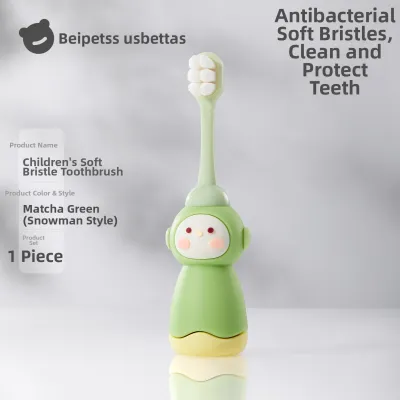
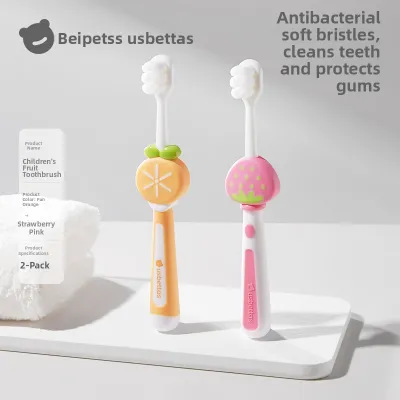
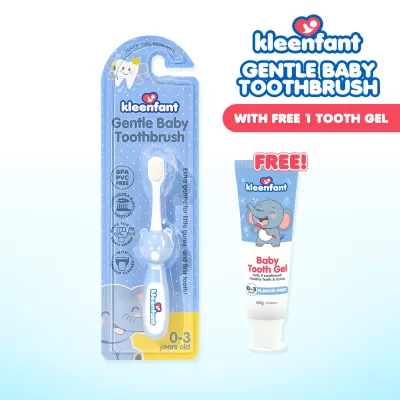
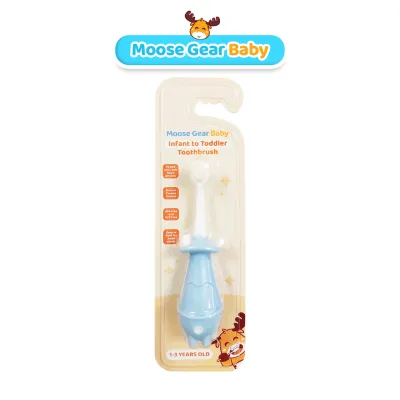
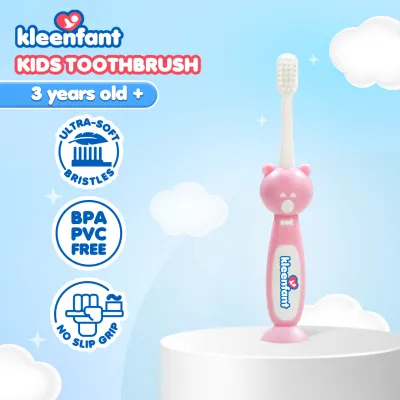
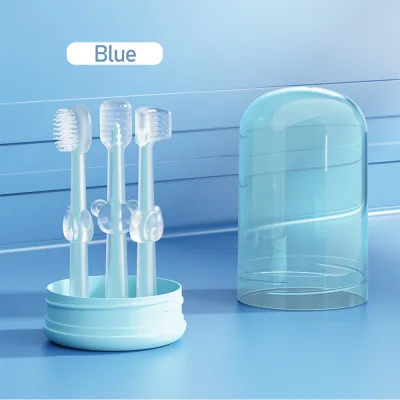
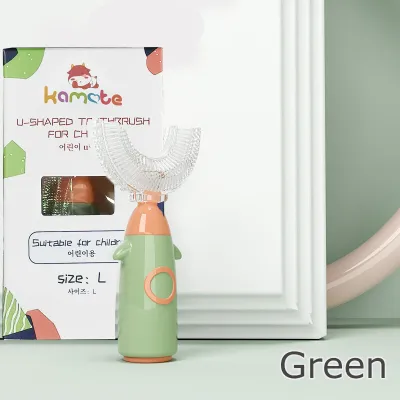
Prices are valid at publication and may change. Please refer to the product page for the latest price.
At twelve months old, babies are also developing their gross motor skills and love to mimic parental actions. They will instinctively want to hold the toothbrush and feed it into their mouths. However, because they lack fine motor control, a long, slender brush handle poses a severe risk of throat puncture or choking if the child slips, falls, or pushes the brush too deep.
Transitioning from basic gum wipes to an actual toothbrush requires a tool specifically engineered to balance safety with effective plaque removal. The right design allows parents to navigate the small spaces of a toddler’s mouth comfortably while giving the baby a safe, pain-free way to explore the habit of brushing. Using an inappropriate tool can cause discomfort, leading to resistance and dental anxiety that can last for years.
Essential Safety and Design Features to Check Before Buying
Bristle Softness and Material Safety
The bristles are the primary contact point with your baby’s teeth and gums, making their texture and material composition highly important. When examining product packaging, look for labels that explicitly state “extra-soft,” “ultra-soft,” or “super-soft.” Standard or medium bristles are far too abrasive for a one-year-old’s thin tooth enamel and can cause micro-tears in the delicate gum tissue.

Parents generally choose between two types of bristle materials: food-grade silicone and ultra-soft nylon. Silicone bristles are molded directly into the brush head, offering a highly durable, chew-proof surface that gently massages sore gums during teething. Nylon bristles, when constructed with extremely fine filaments, are superior at sweeping away sticky food residue and microscopic plaque from the surfaces of erupted teeth.
Because babies naturally chew on their toothbrushes, chemical safety is a non-negotiable factor. Always inspect the product packaging or online listing to verify that the toothbrush is certified BPA-free, phthalate-free, PVC-free, and made from non-toxic, food-grade materials. Avoid products that do not clearly disclose their material composition on the label.
Key Material Standards to Verify:
- Look for "100% Food-Grade Silicone" or "BPA-Free" symbols on the box.
- Ensure the packaging lists compliance with international safety standards.
- Feel the bristles with a clean finger to confirm they bend easily under light pressure.
Head Size and Shape for Small Mouths
A one-year-old’s mouth is incredibly compact, meaning a standard toddler brush head will be too bulky to clean effectively. The ideal brush head should measure no more than 1 to 1.5 centimeters in length. This miniature size ensures you can comfortably clean one or two tiny teeth at a time without rubbing against the sensitive inner cheeks or triggering the gag reflex at the back of the mouth.
The physical shape of the brush head must be completely rounded and free of any sharp or hard plastic edges. Some premium baby toothbrushes feature a rubberized or padded outer rim on the brush head. This soft cushioning protects the gums and newly erupted teeth from accidental bumps if the baby suddenly moves or bites down during brushing.
Additionally, high-quality nylon brushes utilize end-rounded and polished bristles. While individual bristle tips are too small to see with the naked eye, roughly cut nylon can act like tiny needles on sensitive gums. Checking that the manufacturer uses end-rounded bristles ensures a smooth, non-abrasive cleaning experience.
Physical Dimensions to Look For:
- A brush head that easily covers only the front lower or upper incisors.
- A smooth, oval-shaped head with no square corners.
- Clear age recommendations on the packaging, such as "Ages 12–24 Months" or "1–3 Years."
Handle Grip and Choking Prevention
A one-year-old baby uses a palmar grasp, which means they hold objects tightly with their entire fist rather than their fingers. For this reason, a baby toothbrush requires a thick, chunky, and ergonomically curved handle that fits comfortably inside a small hand. Non-slip rubberized grips or textured silicone patterns are essential to keep the brush from slipping out of wet hands.
The single most critical safety feature on any infant or toddler toothbrush is a built-in choke guard. This is typically a wide, circular collar or shield positioned between the brush head and the handle. The shield physically prevents the baby from over-inserting the brush into their throat, eliminating the risk of gagging or severe airway obstruction.
Avoid purchasing toothbrushes with long, thin handles designed for older children or adults. If a baby holds a long-handled brush and loses their balance, the risk of a severe throat puncture injury increases significantly. Keep the handle short, wide, and securely shielded to ensure a safe environment.
Design Elements to Target:
- An integrated, non-detachable safety shield or a very wide, circular flanged handle base.
- A loop-shaped or ring-shaped handle, which is exceptionally easy for tiny hands to hold and manipulate.
- Ergonomic curves that allow a parent's larger hand to guide the brushing motion simultaneously.
Comparing Common Types of Baby Toothbrushes and Their Uses
Silicone Finger Cots vs. Short-Handle Training Brushes
Silicone finger cots are thimble-like sleeves that fit over a parent’s index finger, featuring tiny, soft silicone bumps on one side. They are highly effective during the earliest stages of teething, allowing parents to gently massage inflamed gums and clean the very first erupted incisors. The primary advantage of a finger cot is the high degree of parental control and tactile feedback it provides; you can feel exactly where the baby’s teeth and gums are.
However, finger cots have distinct limitations as a baby reaches one year of age. At this stage, infants develop a strong bite reflex and more erupted teeth, which can make using a finger cot painful or risky for the caregiver. Additionally, finger cots do not teach the baby how to hold a brush or develop the motor skills necessary for independent oral care.
Short-handle training brushes, by contrast, are designed for the transition toward self-care. These brushes feature wide, easy-to-hold handles and protective shields, allowing the baby to safely hold the brush, mimic parental movements, and explore the sensation of brushing. While finger cots require strict parental hand hygiene before insertion, training brushes require continuous, vigilant supervision to ensure the baby does not run or play while holding the object.
Pros and Cons Comparison:
- Silicone Finger Cot: Excellent for gum massage and parental control, but offers zero training value for the baby and poses a bite risk to the parent.
- Short-Handle Training Brush: Encourages independence and motor development, but demands constant supervision and can be difficult for the baby to navigate effectively without parental guidance.
Standard Toddler Bristle Brushes with Safety Shields
As more primary teeth erupt, silicone bumps may no longer provide sufficient cleaning power to remove sticky plaque. This is when standard toddler bristle brushes become essential. These brushes combine the gentle cleaning power of ultra-soft nylon bristles with a scaled-down handle and a protective safety shield.
The nylon bristles on these models are arranged in small tufts, allowing them to penetrate the tiny crevices between teeth and along the gumline far more effectively than silicone. Many high-quality toddler brushes feature a detachable or integrated safety shield that keeps the brush head from sliding too far back.
When selecting a brush with a detachable shield, parents must verify that the shield snaps tightly into place and cannot be easily pulled off by a curious toddler. A loose shield can quickly become a choking hazard itself. If you prefer to avoid detachable parts, look for models where the safety shield is molded directly into the handle structure.
When to Transition:
- Transition to nylon bristles when the baby has multiple adjacent teeth erupted.
- Choose an integrated shield design if your baby frequently pulls apart detachable toys.
- Always supervise the brushing session, guiding the brush gently to clean all surfaces.
Your Pre-Purchase Checklist and Label Verification Guide
Shopping for a baby toothbrush, whether online or in a physical store, requires careful inspection of the product details. Do not rely solely on appealing cartoon characters or bright colors on the packaging. Instead, use a systematic approach to verify safety and compliance.
First, examine the age classification on the front of the box. Look for specific age brackets such as “12-24 Months” or “1-3 Years.” Avoid generic labels like “Baby Toothbrush” without a specified age range, as these products may have heads that are too large or bristles that are too stiff for a one-year-old.
Second, verify the manufacturing standards and safety certifications. Look for recognized quality marks or endorsements from professional pediatric dental associations. In the local market, reputable brands will clearly list their distributor details, country of origin, and material compositions on the back label. High-quality baby toothbrushes generally range from ₱100 to ₱400, and investing in a trusted brand ensures the plastic and silicone used are completely non-toxic.
Third, inspect the physical construction of the brush for potential hazards. Avoid any toothbrushes that feature small, detachable decorative elements, glued-on cartoon toppers, or brittle plastic parts that could snap off if chewed. A one-year-old will chew on the entire brush body, so every component must be structurally sound and non-toxic.
Quick Shopping Checklist:
- [ ] Clear age suitability label (e.g., 12–24 months).
- [ ] Certified BPA-free, phthalate-free, and non-toxic materials.
- [ ] Ultra-soft or extra-soft nylon or food-grade silicone bristles.
- [ ] Integrated or highly secure choke guard/safety shield.
- [ ] Chunky, non-slip ergonomic handle.
- [ ] No small, detachable parts or glued-on decorative accessories.
Daily Care, Storage, and Replacement in Humid Climates
Maintaining oral hygiene tools is especially challenging in tropical, high-humidity environments like the Philippines. Moisture-rich climates provide the perfect breeding ground for mold, mildew, and harmful bacteria on damp toothbrush bristles and silicone handles.
After every brushing session, rinse the toothbrush thoroughly under clean, running water. Use your thumb to gently rub the bristles, ensuring that all leftover toothpaste, food particles, and saliva are completely washed away. Shake off excess water vigorously to minimize the moisture left behind.
Store the toothbrush upright in an open cup or holder placed in a well-ventilated area. Never store a wet toothbrush in a drawer, a closed medicine cabinet, or a sealed plastic travel cap. Airtight environments trap humidity, leading to rapid bacterial colonization and visible black mold spots on the handle or bristle base.
Replace your baby’s toothbrush every three to four months as a standard practice. However, in humid climates, or if your baby has a habit of chewing on the bristles, you may need to replace it much sooner. Inspect the brush weekly; if the bristles appear frayed, splayed, or bent out of shape, they lose their cleaning efficacy and can scratch the gums, meaning it is time for a replacement. Additionally, always replace the toothbrush immediately after your baby recovers from an illness, such as a cold, flu, or viral throat infection, to prevent reinfection.
Frequently Asked Questions (FAQ)
How much toothpaste should I use with a 1-year-old's toothbrush?
For children under three years of age, pediatric dental guidelines recommend using a tiny smear of fluoride toothpaste, roughly the size of a single grain of rice. This minimal amount provides the cavity-protecting benefits of fluoride while ensuring that the baby does not ingest an unsafe amount of fluoride if they swallow the toothpaste. Parents should gently brush the teeth and use a clean, damp cloth or a soft brush to wipe away any excess paste. Always supervise the entire process, keeping the toothpaste tube out of your toddler’s reach to prevent accidental ingestion.
Can I use a regular baby wipe to clean my 1-year-old's teeth?
No, you should not use standard baby wipes to clean your one-year-old’s teeth or gums. Standard baby wipes are formulated for skin care and often contain moisturizing agents, fragrances, preservatives, or alcohol that are not safe for ingestion and can irritate the oral mucosa. If a proper baby toothbrush is temporarily unavailable, the safest alternative is to wrap a clean, damp, soft cotton washcloth or sterilized gauze pad around your clean index finger. Gently wipe the surfaces of the teeth and gums using plain, clean water to remove food residue and plaque.
Community discussion
Share your experience or ask a question. Comments are reviewed before publication.