
Selecting the right toys storage racks organizer for your baby’s nursery is more than an aesthetic decision; it is a foundational step in creating a safe, functional, and nurturing environment. As your baby transitions from a newborn to an active toddler, their interaction with their surroundings changes dramatically. A well-designed storage system keeps clutter at bay while actively supporting your child’s physical and cognitive development. By focusing on structural safety, accessibility, and durable materials, you can choose an organizer that grows alongside your family.
In a tropical climate like the Philippines, where humidity and dust are daily considerations, selecting the right storage solution requires careful planning. The ideal rack must not only withstand environmental factors but also remain completely stable under the curious hands of a growing child. Balancing these practical needs with your nursery’s layout ensures a harmonious space for both play and rest.
Safety First: Structural and Material Checks
When evaluating any nursery furniture, safety must remain your absolute priority. Babies are natural explorers who will eventually use shelves, racks, and bins to pull themselves up to a standing position. This developmental milestone introduces a significant risk of furniture tipping if the storage unit is not properly secured to the wall.
Products mentioned in this guide
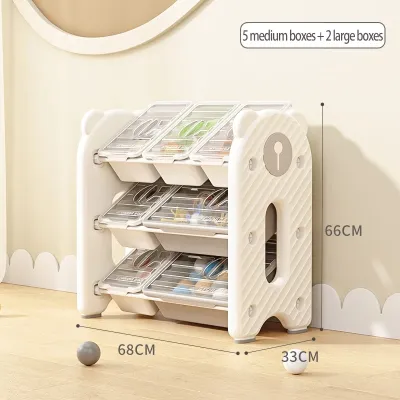
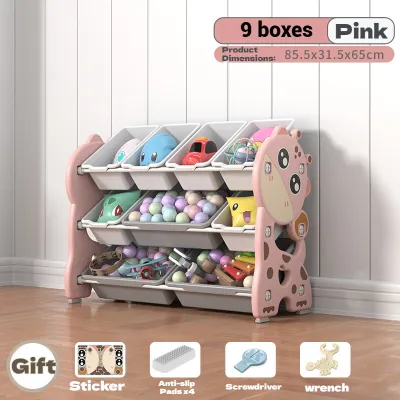
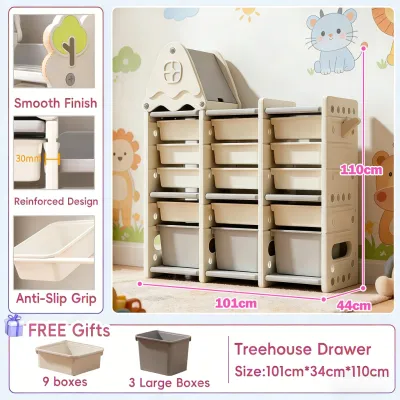
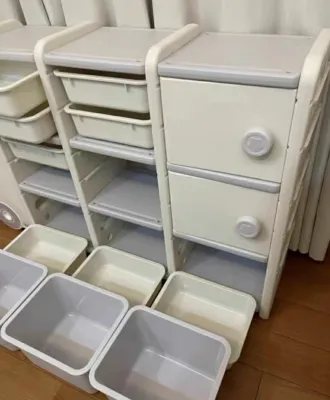
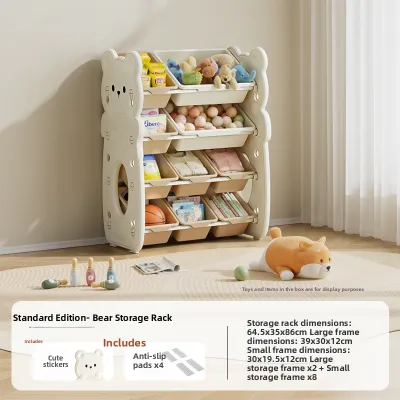
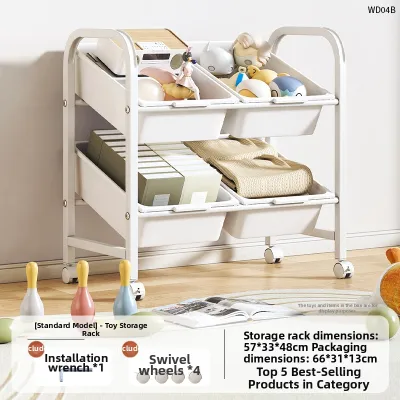
Prices are valid at publication and may change. Please refer to the product page for the latest price.
Always check the product specifications for included anti-tip kits. A reliable toys storage racks organizer should come with dedicated wall-anchoring hardware. If the manufacturer does not include these components, you must purchase compatible heavy-duty anchors separately. Keep in mind that different wall types—such as concrete, brick, or drywall—require specific wall plugs and screws to ensure a secure hold.
Beyond stability, inspect the physical construction of the rack. Run your hands along the edges and corners to verify they are rounded and smooth, minimizing the risk of scrapes during active play. Examine the gaps between removable bins and the main frame. These spaces should either be narrow enough to prevent tiny fingers from slipping inside or wide enough to ensure hands do not get pinched or trapped.
Hardware concealment is another critical safety detail. Screws, bolts, and brackets should be recessed or covered with secure caps that a baby cannot easily pry off and swallow. Exposed metal threads can cause scratches, while loose small parts present a severe choking hazard.
Finally, scrutinize the materials and finishes used in construction. Babies frequently explore their world with their mouths, making non-toxic finishes essential. Look for manufacturer labels indicating compliance with international safety standards, such as low volatile organic compound (VOC) emissions or lead-free certifications. Avoid products with strong chemical odors out of the box, as these can indicate off-gassing that may irritate sensitive respiratory systems.
Accessibility and Independence for Growing Babies
A successful nursery storage solution does not just hide toys away; it invites your child to engage with them safely. Designing for accessibility means choosing a rack height that aligns with your baby’s current and upcoming developmental stages. For infants and crawling babies, the most usable storage zone is closest to the floor, typically under 60 centimeters.

As your child grows into toddlerhood, they will begin to reach for items on higher shelves. Opting for a low-profile toys storage racks organizer ensures that your child can see and reach their favorite items without needing to climb or stretch precariously. This accessibility fosters a sense of independence, allowing them to choose their playthings and, eventually, participate in the cleanup routine.
The design of the storage bins themselves plays a major role in usability. Lightweight bins made of soft fabric, woven rope, or flexible, BPA-free plastic are ideal for nursery settings. Heavy wooden or metal drawers can easily pinch fingers or prove too heavy for a young child to pull out safely.
Consider open-front bins or angled shelving units. These designs keep toys visible at eye level, which stimulates cognitive development and object recognition. Lidded boxes, while excellent for keeping dust out, can create physical barriers for young babies and increase the risk of slammed fingers.
To maximize your investment, look for modular configurations or adjustable shelves. A storage rack that allows you to reposition shelves or swap out small bins for larger containers will adapt seamlessly as your child’s toy collection transitions from small rattles to larger building blocks and board games.
Size, Capacity, and Nursery Space Planning
Before purchasing any storage unit, careful space planning is essential to prevent your nursery from feeling cramped or chaotic. Start by measuring the exact floor footprint where you plan to place the rack. Ensure there is ample clearance for room doors, closet doors, and dresser drawers to open fully without obstruction.
Pay close attention to walking paths. The nursery should have a clear, unobstructed flow, especially for those late-night feedings when you may be navigating the room in low light. Avoid placing large storage units directly next to the crib or changing table, where a child might attempt to reach across or climb from one piece of furniture to another.
Estimate your storage capacity needs by assessing your current toy volume and projecting growth over the next year. Babies accumulate toys quickly through gifts and developmental transitions. Choosing a rack with slightly more capacity than you currently need prevents the system from becoming overwhelmed immediately.
When deciding between vertical and horizontal layouts, consider the dimensions of your nursery. Horizontal racks have a lower center of gravity, making them inherently more stable and easier for young children to access fully. They also offer a flat top surface that can double as a display area for books or decorative items.
If floor space is limited, a vertical rack utilizes wall space efficiently. However, vertical units require meticulous wall anchoring due to their higher center of gravity. Ensure that any tall unit is positioned away from areas where a falling toy could land in the crib or playpen.
Material Durability and Cleaning Requirements
Nursery furniture must withstand daily wear, occasional spills, and frequent cleaning. The choice of frame material directly impacts the unit’s stability, weight, and overall lifespan. Solid wood frames offer exceptional durability and weight, providing a sturdy base that resists tipping, though they represent a higher initial investment.
Engineered wood, such as high-quality MDF, is a popular and cost-effective alternative. If you choose engineered wood, verify that it features a water-resistant laminate or sealed finish. Unsealed engineered wood can absorb moisture, leading to swelling, warping, and structural weakness over time.
Plastic storage racks are lightweight, highly affordable, and exceptionally easy to clean. However, they may lack the structural rigidity of wood or metal. If opting for plastic, ensure the frame is thick and robust, with a wide base to prevent wobbling when loaded with heavy toys.
In tropical climates like the Philippines, humidity is a constant consideration. High humidity levels can encourage the growth of mold and mildew on porous surfaces. Selecting materials with moisture-resistant finishes makes it easy to wipe down the frame with a damp cloth and mild soap without damaging the material.
Fabric bins require careful inspection of their care labels. Look for bins made from stain-resistant, tightly woven synthetic fibers or canvas that can be spot-cleaned easily. Removable, machine-washable fabric liners are highly practical for managing the inevitable spills, dust, and dirt that accumulate in a child’s play area.
Building Your Shortlist: Evaluation Checklist
With numerous options available on online marketplaces and specialty baby stores, creating a systematic evaluation checklist will help you make an informed decision. Begin by comparing the technical specifications of your shortlisted models against your safety and space measurements.
Verify that the manufacturer provides clear assembly instructions and lists all required tools. Some units may require specialized tools or professional assembly to guarantee structural integrity. Additionally, check the warranty terms and return policies, especially when purchasing online, to protect against receiving damaged or defective parts.
Establish a realistic budget in Philippine Pesos (₱) before you begin shopping. Basic plastic bin organizers typically range from ₱1,500 to ₱3,500, while mid-range engineered wood units cost between ₱4,000 and ₱7,000. Premium solid wood or modular designer systems can exceed ₱10,000.
When budgeting, prioritize essential safety and functional features over aesthetic extras. A simpler, highly stable rack with certified non-toxic finishes and included wall anchors is infinitely more valuable than an ornate, expensive unit that lacks proper stability mechanisms. Use the following checklist to guide your final decision:
- Safety: Does the unit include wall-anchoring hardware? Are all edges rounded and hardware recessed?
- Materials: Are the finishes certified non-toxic and moisture-resistant for humid conditions?
- Accessibility: Is the overall height suitable for your child's current developmental stage?
- Space: Does the footprint fit your nursery layout without blocking doors or walking paths?
- Maintenance: Are the bins lightweight, and can they be easily washed or wiped clean?
Frequently Asked Questions (FAQ)
Do I need to anchor a freestanding toy rack to the wall?
Yes, anchoring freestanding furniture in a nursery is highly recommended, regardless of the unit’s height or weight. Even relatively low racks can tip over if a child pulls on an upper bin or attempts to climb the frame. Always consult the manufacturer’s instruction manual for specific anchoring warnings and guidelines.
When installing wall anchors, assess your wall type carefully. Many homes in the Philippines feature solid concrete or masonry walls, which require specialized masonry drill bits, wall plugs, and sturdy screws rather than standard drywall anchors. If you are unsure about the installation process or lack the necessary tools, consult a qualified local professional to ensure the rack is securely fixed to the wall.
How often should I reorganize the toy storage rack?
Reorganizing your nursery storage system every two to four weeks is an excellent way to maintain an engaging and manageable play environment. Implementing a toy rotation system—where you keep only a curated selection of toys on the rack and store the rest out of sight—helps prevent sensory overstimulation and keeps your baby interested in their playthings.
During these regular reorganization sessions, adjust shelf heights or bin arrangements to match your child’s evolving motor skills. Take this opportunity to inspect each toy for wear and tear, removing any broken items, loose parts, or outgrown toys that no longer align with their developmental stage. Keeping the rack clean and clutter-free ensures it remains a safe space for daily exploration.
Community discussion
Share your experience or ask a question. Comments are reviewed before publication.