
For parents navigating daily life with an infant, outings require careful preparation. Whether you are running quick errands, heading to a pediatrician appointment, or spending an afternoon at a local park, carrying a reliable disposable diaper bag is essential for keeping your journey smooth and stress-free. The sheer volume of items needed—ranging from multiple spare diapers and sensitive baby wipes to feeding bottles, a change of clothes, and personal essentials—demands a carrying solution that balances capacity with structural organization.
Quick Guide: Must-Have Features for an Everyday Disposable Diaper Bag
When choosing a daily diaper bag, prioritize features that simplify hands-free parenting and protect your baby’s essentials. Below are the non-negotiable features to look for before making a decision:
- Dedicated Quick-Access Wipe Pocket: A side pocket that dispenses wipes directly allows you to clean up messes instantly without opening the main compartment.
- Insulated Bottle Holders: Thermal-lined pockets slow down temperature changes, keeping milk or formula at a safe temperature during your commute.
- Water-Resistant, Wipeable Materials: High-quality exterior and interior fabrics protect against sudden weather changes and accidental spills.
- Ergonomic, Padded Straps: Wide, cushioned shoulder straps distribute weight evenly, reducing physical strain during extended wear.
- Structured Internal Dividers: Dedicated compartments prevent disposable diapers from getting bent, crushed, or contaminated by wet items.
Storage and Organization: Keeping Diapers and Essentials Accessible
An unorganized diaper bag quickly turns a routine outing into an exhausting search. To maintain order, a bag must feature a deliberate layout that separates clean baby gear, soiled items, and parent essentials.
Products mentioned in this guide
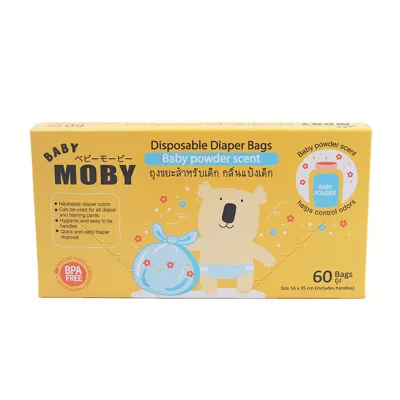
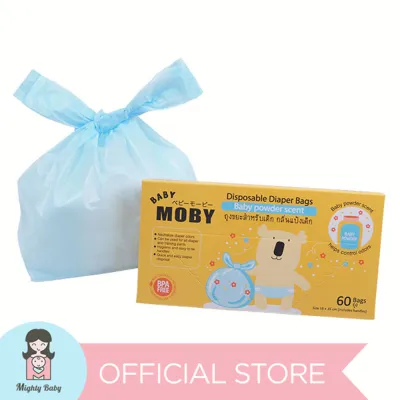
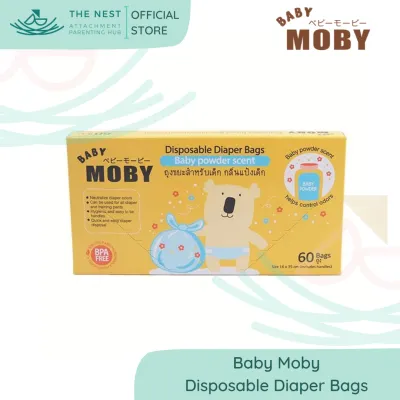
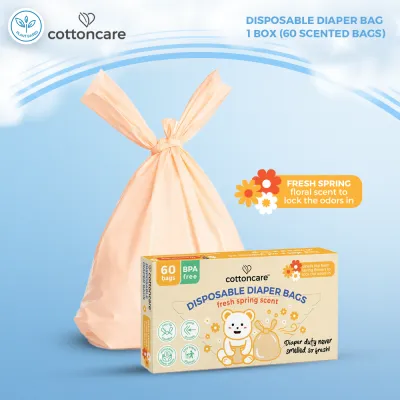
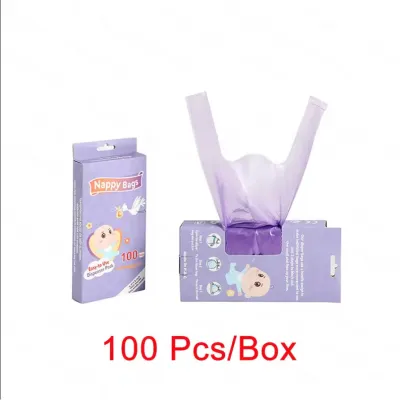
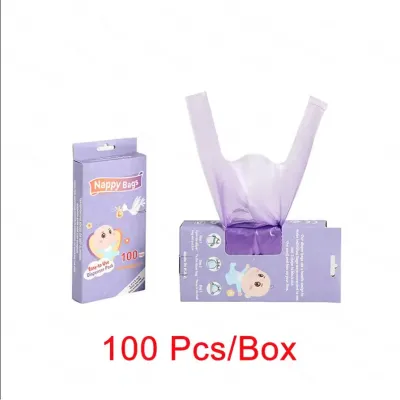
Prices are valid at publication and may change. Please refer to the product page for the latest price.

External Pockets for Quick Access
High-frequency items such as pacifiers, hand sanitizer, and baby wipes must be accessible within seconds. External pockets located on the front and sides of the bag serve this purpose perfectly. When evaluating these pockets, pay close attention to their closure mechanisms. Magnetic snaps offer silent, one-handed operation, allowing you to grab a pacifier while holding a crying baby. However, they may not secure heavy items as reliably as zippered pockets. Zippers provide maximum security when traveling through crowded areas or placing the bag in a car trunk, but they require high-quality, smooth-gliding hardware to be operated easily with one hand.
Internal Compartments for Disposable Diapers and Gear
The main compartment of your bag must be designed to accommodate the unique shape and bulk of disposable diapers. Look for elasticized internal slots that hold diapers upright against the inner walls. This positioning prevents them from sliding to the bottom, where they can easily get crushed, torn, or soiled by leaking bottles.
Additionally, look for bags that include dedicated wet/dry compartments or separate waterproof pouches. These zones are essential for isolating damp washcloths, soiled onesies, or dirty bibs from your clean diaper supply. To avoid the frustrating “black hole” effect common in deep, unstructured bags, choose a model with a semi-rigid frame that stands upright on its own when placed on a flat surface. Opt for light-colored interior linings—such as soft gray, cream, or pastel tones—which reflect light and make it easy to spot small items buried at the bottom of the bag.
Material and Maintenance: Surviving Daily Spills and Wear
A daily diaper bag must withstand constant handling, outdoor environments, and inevitable spills. The choice of material directly affects the bag’s durability, weight, and ease of cleaning.
When comparing exterior fabrics, lightweight nylon and high-density polyester are excellent choices. Both materials offer exceptional durability, resistance to abrasions, and protection against light rain or high humidity. Vegan leather (polyurethane) provides a sophisticated, modern look and is highly resistant to spills, but it tends to be heavier and can trap heat against your body during warm days.
The interior lining of the bag is just as important as the exterior. Ensure the lining is made from a smooth, waterproof material like PEVA or coated polyester, which can be wiped clean with a damp cloth in seconds.
Maintenance requirements vary significantly between bag designs. Some lightweight fabric bags feature removable, machine-washable linings or are entirely machine-washable. In contrast, structured bags with metal frames, leather accents, or built-in electronics must be spot-cleaned only.
Safety and Maintenance Warning: Always consult the manufacturer’s care label and instructions before washing your diaper bag or applying any cleaning solutions. Avoid using harsh chemical solvents, bleach, or strong detergents, as these can degrade water-resistant coatings, damage the fabric fibers, and leave behind irritating chemical residues that could transfer to your baby’s sensitive skin, toys, or disposable diapers.
Carrying Comfort and Ergonomics for Parents
Because you will carry this bag for hours at a time, ergonomics and carrying style are critical factors for your long-term comfort and physical well-being.
Backpack vs. Tote vs. Crossbody Styles
Each carrying style offers distinct advantages depending on your daily routine:
- Backpacks: These are widely considered the most ergonomic option for daily use. By distributing the load evenly across both shoulders, diaper backpacks reduce strain on your neck and lower back. They keep your hands completely free to carry your baby, navigate strollers, or manage shopping bags. Look for models with thick, breathable mesh padding on the shoulder straps and back panel to minimize sweat buildup in warm weather.
- Totes: Tote bags feature long shoulder straps and a wide-open top, offering quick grab-and-go convenience. They are highly stylish and easy to access while hanging on your arm, but carrying a heavy load on one shoulder for extended periods can lead to muscle fatigue and poor posture.
- Crossbody Styles: Also known as messenger bags, these feature a single long strap worn across the torso. They allow you to swing the bag to the front quickly to retrieve items without taking it off. While excellent for quick, minimalist trips, they can cause uneven shoulder strain if the bag is heavily loaded.
Stroller Straps and Hardware Durability
Many modern diaper bags come equipped with dedicated stroller clips or integrated straps that allow you to attach the bag directly to your stroller’s handlebar. This feature relieves your shoulders and keeps essentials within arm’s reach while walking.
Stroller Safety Warning: Always check your stroller manufacturer’s user manual for handle weight limits before hanging any bag. Hanging a heavy diaper bag on the handlebar can alter the stroller’s center of gravity, causing it to tip backward unexpectedly when you lift your baby out of the seat. Never leave a heavy bag attached to an empty stroller.
To ensure your bag lasts through years of daily use, inspect the quality of its hardware. Look for robust, rust-resistant metal zippers with reinforced pulls, as plastic zippers are prone to cracking under tension. The stitching at major stress points—such as where the shoulder straps meet the body of the bag—should be reinforced with box-X stitches or heavy-duty nylon thread to prevent fraying and tearing.
Safety, Insulation, and Specialized Add-Ons
Specialized features enhance the functionality of a diaper bag, protecting both baby essentials and parent valuables during daily commutes.
Insulated bottle pockets are crucial for maintaining the temperature of breast milk, warm water, or prepared formula. Look for pockets lined with high-density thermal foil. Ensure these pockets are wide and deep enough to accommodate your specific bottle setup, whether you use tall, narrow-neck bottles or wide-neck anti-colic designs.
Feeding Safety Warning: Please note that thermal insulation only slows down the rate of temperature change; it does not heat cold liquids or preserve warm milk indefinitely. Always test the temperature of milk or formula on the inside of your wrist before feeding your baby to prevent accidental burns. Consult your pediatrician or a qualified lactation consultant for specific guidelines on safe milk storage times and temperatures while traveling.
A portable, cushioned changing pad is another essential accessory. It provides a clean, barrier-protected surface for diaper changes on public changing tables or park benches. Choose a pad that is sufficiently padded for comfort, completely waterproof, and detachable so it can be cleaned and sanitized independently of the main bag.
Finally, look for secure, zippered pockets designed specifically for parent valuables. A hidden pocket located on the back panel of a backpack style keeps your phone, wallet, keys, and transit cards secure against your body, protecting them from pickpockets in crowded public spaces.
Building Your Personal Diaper Bag Checklist
To find the perfect diaper bag for your family’s needs, synthesize these features into a practical pre-purchase evaluation routine. Follow this step-by-step checklist before making your final selection:
- Measure Your Essentials: Gather your typical daily gear, including a stack of your preferred disposable diaper brand, a pack of wipes, two bottles, a change of clothes, and your personal items. Measure the total volume against the internal dimensions of the bag you are considering to ensure a comfortable fit.
- Test Strap Adjustability: Verify that the shoulder straps can be adjusted easily to fit different caregivers' body shapes and heights. The straps should adjust smoothly to accommodate different clothing layers, whether you are wearing a light cotton shirt or a thicker jacket.
- Evaluate the Empty Weight: Pick up the bag when it is completely empty. Ideally, a daily diaper bag should weigh less than 1 kilogram before you pack it. Heavy materials like thick canvas or dense faux leather will quickly become exhausting to carry once fully loaded.
- Verify Return and Warranty Policies: When purchasing from e-commerce platforms or online baby gear stores, always read the return policy and warranty terms carefully. Ensure the manufacturer or seller covers defects such as zipper failures, broken buckles, or torn seams within the first few months of daily use.
Frequently Asked Questions (FAQ)
Can I use a regular backpack instead of a dedicated diaper bag?
Yes, you can certainly repurpose a standard backpack to carry baby gear. However, regular backpacks typically lack specialized features like insulated bottle pockets, quick-access wipe compartments, and waterproof, easy-to-clean interior linings. If you choose to use a standard backpack, it is highly recommended to use modular diaper bag organizers, packing cubes, or waterproof wet/dry pouches. These accessories will help you keep disposable diapers, clean clothes, and feeding essentials separated, organized, and easily accessible.
How do I clean a diaper bag without ruining the material?
To clean your diaper bag safely, start by emptying all compartments and shaking out loose crumbs. Spot-clean both the interior and exterior surfaces using a soft, damp microfiber cloth and a mild, baby-safe soap. Always refer to the manufacturer’s care label and instructions before attempting any deep cleaning. Avoid using bleach, harsh chemical solvents, or abrasive scrubbers, as these can permanently damage water-resistant coatings, discolor the fabric, and leave behind harmful chemical residues that could transfer to your baby’s toys, pacifiers, or disposable diapers.
Community discussion
Share your experience or ask a question. Comments are reviewed before publication.