
Finding the right breastfeeding chair for mom is one of the most critical decisions when setting up a nursery. During the first few months of a baby’s life, a mother can easily spend upwards of thirty to forty hours a week nursing—a physical commitment equivalent to a full-time job. Without proper ergonomic support, these long, repetitive sessions can quickly lead to physical strain, including tension in the neck, shoulders, and lower back. Selecting a chair with the correct armrest height, robust lumbar support, proper seat depth, and safe movement mechanisms is essential to prevent chronic discomfort and ensure a relaxed, successful feeding experience.
While many parents assume any comfortable living room sofa or bedroom arm chair will suffice, standard household furniture rarely provides the specific support required for nursing. Deep, plush sofas often cause the pelvis to tilt backward, forcing the spine into a slouched position and making it difficult to maintain an upright posture. This “nursing hunch” forces the mother to lean forward to bring her breast to the baby, rather than bringing the baby up to the breast. A dedicated nursing chair, designed with ergonomics in mind, works in tandem with high-quality nursing pillows to create a stable, strain-free platform that supports both mother and child.
Why the Right Breastfeeding Chair Matters for Posture and Comfort
Breastfeeding is a beautiful bonding experience, but the physical demands it places on a postpartum body are substantial. Newborns feed frequently, often every two to three hours, with each session lasting anywhere from twenty to forty minutes. Holding a baby in a static position for this long, especially when recovering from childbirth, requires significant muscular effort. A standard chair lacks the structured support needed to keep the musculoskeletal system aligned, which can lead to repetitive strain injuries, muscle spasms, and fatigue.
Products mentioned in this guide
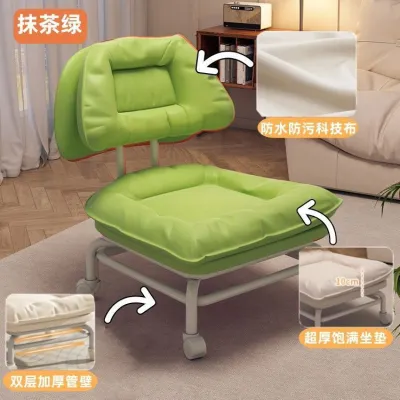
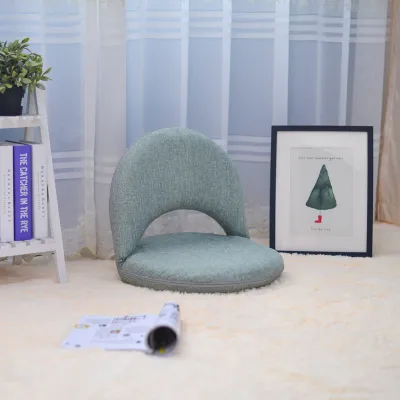
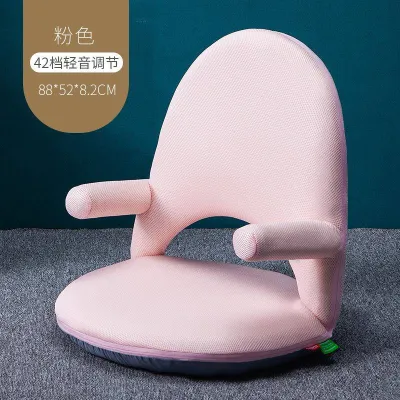
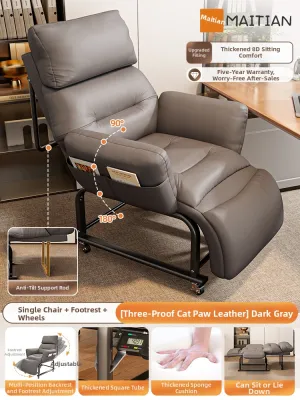

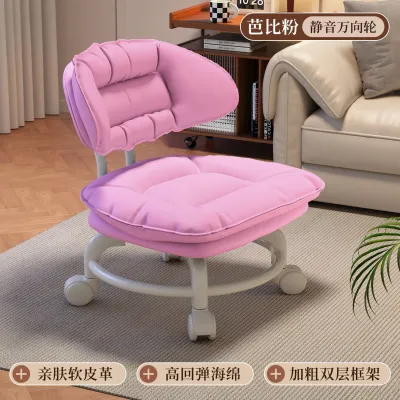
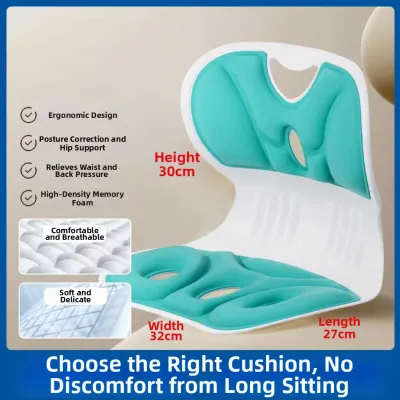
Prices are valid at publication and may change. Please refer to the product page for the latest price.
When a mother sits in a chair that does not fit her body, she naturally compensates by tensing her shoulders, arching her back, or straining her neck to keep an eye on the baby’s latch. Over time, this poor alignment can cause tension headaches, upper back pain, and sciatica. An ergonomically designed breastfeeding chair for mom addresses these pain points by actively supporting the natural curves of the spine and distributing the baby’s weight evenly across the chair’s structure rather than relying on the mother’s muscles.
Furthermore, comfortable seating directly impacts the physiological process of breastfeeding. Stress, physical pain, and discomfort can trigger the release of adrenaline, which can actively inhibit the oxytocin reflex responsible for milk let-down. By ensuring the mother is fully relaxed, physically supported, and comfortable, a high-quality nursing chair helps facilitate a smoother, more efficient feeding session. For mothers recovering from a C-section or a difficult vaginal delivery, the right chair also provides a safe, low-strain environment that supports pelvic floor recovery and abdominal healing.
Essential Chair Features for Nursing Comfort and Posture
To find a chair that truly supports your body during feeding sessions, you must evaluate several key physical dimensions and structural mechanisms. Every mother’s body is different, meaning there is no single chair that fits everyone perfectly. Understanding how each feature affects your posture will help you make an informed decision when shopping.

Armrest Height and Padding
Armrests are the primary support system for your upper body during feeding. They bear the combined weight of your baby and the nursing pillow, directly relieving the burden on your shoulders, neck, and upper back. If the armrests are too low, you will be forced to slouch or lean to one side to support your baby’s head. If they are too high, your shoulders will be pushed upward toward your ears, creating severe tension in your trapezius muscles.
The ideal armrest height allows your elbows to rest naturally at a 90-degree angle while keeping your shoulders completely relaxed and down. When testing a chair, sit fully back and check if your forearms rest comfortably on the armrests without forcing you to lift or drop your shoulders.
In addition to height, pay close attention to the width and padding of the armrests. Narrow, unpadded, or wooden armrests can press against the ulnar nerve in your elbow, causing numbness, tingling, or localized pain during long feeds. Look for wide, thickly padded armrests that cushion your entire forearm. If you are considering a chair with fixed armrests, ensure they leave enough lateral space for you to position a structured nursing pillow comfortably across your lap. Adjustable armrests offer greater customization but require you to verify that the locking mechanism is sturdy and will not slip under the weight of your baby.
Back Support and Lumbar Design
Maintaining proper spinal alignment is crucial to preventing lower back fatigue. A high-quality breastfeeding chair must feature a tall backrest that supports your entire spine, including your head and neck. This is especially important during late-night feeds when fatigue sets in and you are more likely to let your head drop forward, straining your cervical spine.
- Built-in Lumbar Support: Look for a chair with a subtle, built-in curve that mirrors the natural inward curve of your lower back. This helps maintain the lumbar lordosis, preventing you from slouching or collapsing your spine.
- External Lumbar Pillows: If a chair fits well but lacks built-in lumbar support, you can compensate by placing a firm, external lumbar roll or a small pillow behind your lower back.
- Cushion Firmness: The backrest cushion should offer firm, active resistance. While a very soft backrest might feel comfortable initially, it will allow your torso to sink too deeply, neutralizing the chair's ergonomic benefits and putting excess pressure on your tailbone.
Seat Depth and Cushion Firmness
Seat depth and cushion firmness directly affect lower body circulation, pelvic alignment, and your ability to stand up safely after a feed. A seat that is too deep or a cushion that is too soft can make nursing incredibly difficult and physically taxing.
If a seat cushion is too deep, your knees will not be able to bend naturally over the front edge of the chair when your back is fully supported. This forces you to slide forward, leaving your lower back completely unsupported, or causes the front edge of the seat to press tightly against the back of your knees. This pressure can compress blood vessels and nerves, leading to leg numbness, tingling, and poor circulation. To prevent this, look for a small gap—approximately two to three fingers wide—between the back of your knees and the front edge of the seat cushion when you are sitting fully back against the backrest.
Cushion firmness is equally critical for safety and ease of use. A highly plush, cloud-like seat cushion can make standing up with a sleeping baby a major challenge. When you sink deep into a soft cushion, your center of gravity drops, requiring significant core, abdominal, and leg strength to lift yourself out of the chair. For a postpartum mother with weakened core muscles or healing incisions, this extra exertion can cause pain or compromise physical recovery. A firm, supportive seat cushion provides the necessary leverage to stand up smoothly, quietly, and without disturbing your sleeping infant.
Recline Function and Gliding Motion
Movement features are highly effective for soothing fussy infants and allowing mothers to find a comfortable resting angle during extended feeding sessions. However, these mechanisms must be evaluated carefully for safety and ease of use.
Many nursing chairs feature a smooth gliding or rocking mechanism. Gliders move back and forth on a horizontal track, providing a gentle, linear motion that mimics the movement babies experience in the womb. Traditional rocking chairs move in an arched motion. Regardless of the style, ensure the motion is completely silent; squeaky joints or grinding metal can easily startle a sleeping baby.
Reclining functions are excellent for finding a comfortable, semi-reclined angle, which is highly beneficial for laid-back breastfeeding (biological nurturing). Power recliners are generally superior to manual ones for nursing. Manual recliners require you to pull a lever or use physical body weight to push back and close the footrest, which can result in sudden, jerky movements and loud clicking noises. Power recliners offer smooth, silent, and incremental adjustments at the touch of a button, allowing you to stop at the exact angle you need without physical strain. Always verify that the chair has a reliable locking mechanism to disable the movement when you need to stand up safely.
Recommended Breastfeeding Chair Types for Different Nursery Needs
To help you narrow down your search, it is helpful to categorize nursing chairs into specific types based on your nursery space, lifestyle, and physical needs. Evaluating these categories will guide you toward the right style before you begin looking at specific brands.
Gliders with Matching Ottomans
- Best for: Mothers who prioritize full-body support, have ample nursery space, and anticipate long daytime feeding sessions.
- Key Benefits: A glider paired with a matching ottoman is often considered the gold standard for nursery comfort. Elevating your feet on an ottoman reduces lower back pressure, improves blood circulation, and helps alleviate postpartum swelling (edema) in the legs and feet—a common concern in warm, tropical climates like the Philippines.
- Important Considerations: These setups have a large physical footprint. When planning your nursery layout, ensure you leave at least 30 to 45 centimeters of clearance behind the chair and in front of the ottoman to allow for a full, unobstructed gliding motion without hitting walls or other furniture.
Reclining Nursing Chairs
- Best for: Nighttime feeds, cluster feeding, and soothing sleepy babies directly in the nursery.
- Key Benefits: Reclining chairs allow you to transition from an upright nursing position to a comfortable, semi-reclined resting state. This is highly beneficial for skin-to-skin contact and helping a congested baby rest upright on your chest.
- Safety and Specifications: Always verify the manufacturer's specified weight capacity and check for any exposed metal tracks, gaps, or pinch points where small fingers, toes, or curious pets could get caught. The recline mechanism must operate silently. Remember that a nursing chair is not a safe sleeping surface for an infant; if you feel yourself becoming drowsy, safely transfer your baby to their crib or bassinet.
Compact Accent Chairs
- Best for: Small nurseries, apartments, or secondary feeding spots in the living room.
- Key Benefits: Compact accent chairs have a minimal footprint and can easily transition into regular home decor once your breastfeeding journey concludes. They are highly versatile and fit well into tight corners.
- Trade-offs and Solutions: Because they are designed for general seating, compact accent chairs often feature narrower armrests, shallower seats, and lack built-in gliding or reclining mechanisms. To make a compact accent chair work for breastfeeding, you must actively compensate for these missing ergonomic features. Use structured external lumbar rolls, firm footstools to elevate your knees, and high-quality nursing pillows to bring your baby to the correct height.
Material, Safety, and Practical Considerations Before You Buy
Beyond ergonomics, several practical, environmental, and safety factors must be carefully evaluated to ensure your chosen chair remains functional, safe, and hygienic over years of daily use.
Upholstery and Climate
In hot and humid climates like the Philippines, fabric choice is a paramount consideration for both comfort and maintenance. Synthetic leathers (such as PU leather) may seem appealing because they are easy to wipe clean, but they do not breathe well. During long nursing sessions in a warm room, synthetic leather can become sticky, hot, and highly uncomfortable for both you and your baby’s sensitive skin.
Natural fiber blends, such as cotton or linen, offer excellent breathability and comfort but are highly susceptible to staining from milk spills, spit-ups, and diaper leaks. For the ideal balance of comfort and practical maintenance, look for performance fabrics. These are specialized textiles treated to resist liquids and stains while remaining highly breathable and soft to the touch.
Safety and Stability
A safe breastfeeding chair must have a heavy, wide, and stable base to prevent any risk of tipping, especially when you are reclining or standing up with a baby in your arms. Inspect the underside of the chair to ensure all moving metal parts, springs, and gears are fully enclosed or shielded by fabric. This is a crucial safety feature to protect crawling babies, toddlers, and pets from painful pinches or injuries. Always check the manufacturer’s documentation for structural certifications and weight limits to ensure the chair’s long-term integrity.
Maintenance and Cleaning
Spit-ups, diaper blowouts, and spilled breast milk are inevitable parts of the nursing journey. Before purchasing, prioritize chairs with removable, machine-washable cushion covers. If the covers are fixed, carefully verify the manufacturer’s spot-cleaning instructions. Avoid using harsh chemical cleaners or stain removers that leave strong residues or chemical odors, as these can irritate your baby’s delicate respiratory system and sensitive skin. Instead, opt for mild, baby-safe detergents and water-based cleaning methods.
Nursery Placement and Safety Zones
Proper placement of your breastfeeding chair within the nursery is essential for overall safety. Position the chair well away from window blind cords, electrical outlets, heaters, and unstable shelves or wall decor that could fall. Ensure there is clear, unobstructed walking space around the chair, even when it is fully reclined or gliding. This prevents tripping hazards during dark, middle-of-the-night feeding sessions when your visibility and energy levels are low.
Frequently Asked Questions (FAQ)
Can I use a regular recliner instead of a specific breastfeeding chair?
Yes, you can use a regular household recliner, but you must evaluate its dimensions carefully. Standard living room recliners are often designed for larger adults, meaning the seat may be too deep, causing you to slouch, and the armrests may be too far apart or too low to support your arms during feeds. If you choose to repurpose a regular recliner, use firm external pillows behind your back and under your elbows to bridge these ergonomic gaps and prevent muscle strain.
How do I clean a breastfeeding chair after a milk spill?
For immediate spills, blot the liquid immediately with a clean, dry microfiber cloth to prevent it from soaking into the inner foam. Do not rub, as this can push the liquid deeper into the fibers. Always refer to the manufacturer’s care tag for the specific cleaning code (such as W for water-based cleaners or S for solvents). Use mild, baby-safe detergents or specialized fabric cleaners, and ensure the area is completely dry to prevent mold growth in humid environments.
When should I transition out of the nursing chair?
There is no fixed timeline for transitioning out of a nursing chair. You can continue using it as long as it remains comfortable and functional for you and your child. Many parents repurpose these chairs as cozy reading spots for toddlers, seating for bedtime storytelling, or general accent chairs in the living room once the baby transitions to solid foods, bottle-feeding, or self-weaning.
Community discussion
Share your experience or ask a question. Comments are reviewed before publication.