
Core Needs for On-the-Go Feeding in the Philippines
Feeding an infant outside the comfort of your home presents a unique set of challenges, particularly when navigating a tropical climate. In the Philippines, where daily temperatures frequently exceed 30°C and relative humidity levels remain consistently high, keeping milk fresh and feeding gear sterile requires deliberate planning. Whether you are taking a quick stroll through a local park, running errands in an air-conditioned shopping mall, or traveling to the provinces for a family weekend, a reliable baby bottle storage box serves as your primary line of defense against environmental contaminants and rapid bacterial growth.
When milk or formula is exposed to ambient tropical heat, bacteria can multiply at an alarming rate, turning a routine outing into a health risk. A dedicated storage box is designed to mitigate these risks by providing a controlled, clean, and insulated environment for your baby’s bottles. Relying on a standard diaper bag without specialized storage compartments often leads to disorganized gear, accidental spills, and compromised hygiene.
To make an informed purchase, parents must evaluate storage solutions through a structured framework that prioritizes thermal defense, physical portability, capacity, and ease of sanitation. This guide breaks down the essential features of a baby bottle storage box, helping you select a model that keeps your baby’s feeding equipment safe, dry, and easily accessible during any outing.
Products mentioned in this guide
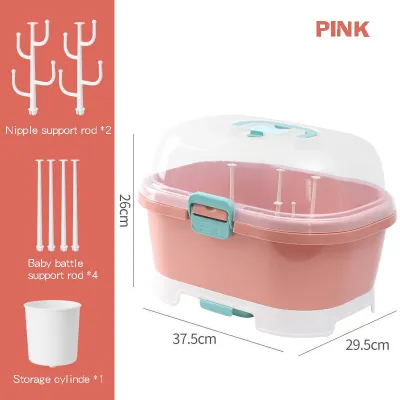
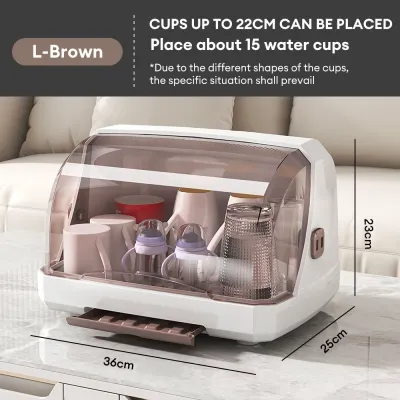
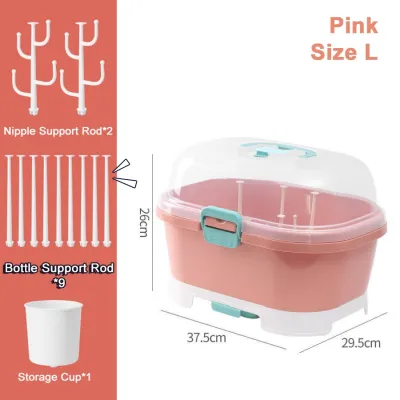
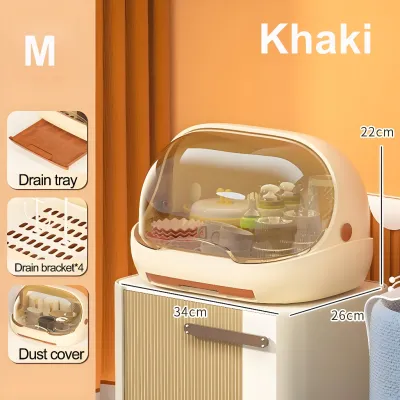
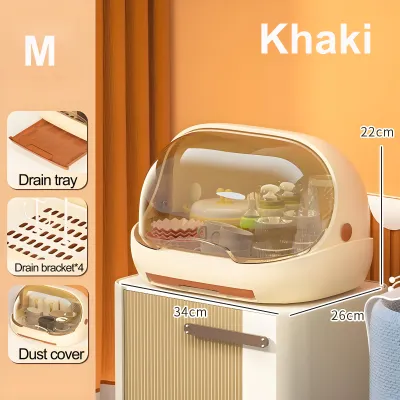
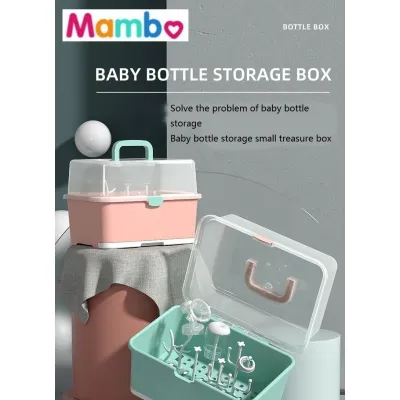
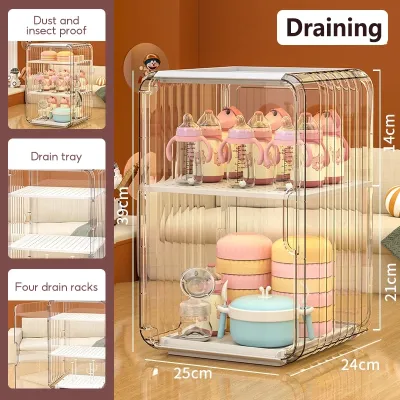
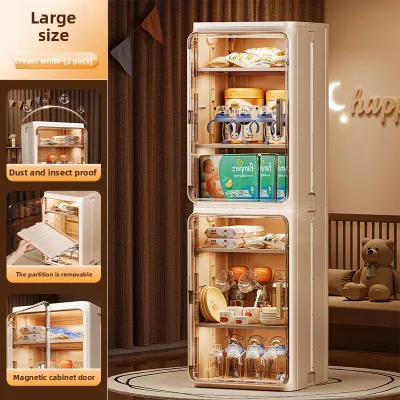
Prices are valid at publication and may change. Please refer to the product page for the latest price.
Portability and Ergonomics: Carrying Bottles Comfortably
Weight and Dimensions
An ideal baby bottle storage box must strike a careful balance between internal storage capacity and external bulk. A box that is too large will quickly become a physical burden, especially when you are already carrying a diaper bag, a stroller, and other infant essentials. Look for compact designs that maximize interior space through efficient geometric layouts, allowing the box to slide easily into the bottom basket of your stroller or fit snugly inside a standard backpack. Lightweight construction is essential; the empty container should add minimal weight to your overall load, as multiple filled glass or heavy plastic bottles will significantly increase the carrying weight.

Carrying Options
Versatile carrying mechanisms greatly improve your mobility when navigating public spaces, boarding public transportation, or walking long distances. Look for storage boxes that offer multiple carrying configurations to suit different travel scenarios:
- Padded Top Handles: A sturdy, cushioned grab handle is invaluable for quick transfers, such as moving the box from a car seat to a stroller tray.
- Detachable Shoulder Straps: Adjustable, padded straps allow you to wear the storage box as a crossbody bag, keeping your hands completely free to hold or comfort your baby.
- Built-In Stroller Clips: Integrated straps or carabiner loops let you secure the box directly to your stroller handlebar, saving valuable basket space underneath.
Exterior Durability
The outer shell of the storage box must be rugged enough to withstand daily wear and tear, sudden tropical downpours, and accidental drops. High-density fabrics, such as water-resistant Oxford cloth, polyester, or nylon, are excellent choices because they resist moisture penetration and can be wiped clean with a damp cloth. Scratch-resistant bases and reinforced stitching along stress points, such as handle attachments and zipper tracks, prevent the bag from fraying or tearing when placed on rough outdoor surfaces like park benches or concrete ledges.
Structural Integrity
Parents must choose between hard-shell plastic cases and soft-sided insulated bags, each offering distinct structural advantages:
- Hard-Shell Cases: Molded plastic containers provide superior impact protection, ensuring that glass bottles do not clink together and break, and plastic bottles do not get crushed under heavier items. However, they are rigid and cannot be compressed when empty.
- Soft-Sided Bags: These fabric-based options offer flexibility, allowing you to squeeze the bag into tight spaces. While they offer less impact protection, high-quality soft-sided bags often feature dense foam padding between the inner and outer layers to cushion bottles against minor bumps.
Hygiene and Temperature Protection: Keeping Milk Safe
Insulation Quality
In a warm climate, thermal insulation is the most critical feature of any baby bottle storage box. High-quality boxes utilize multi-layered insulation systems, typically consisting of an outer weather-resistant fabric, a thick middle layer of closed-cell polyethylene foam (EPE foam), and an inner reflective lining like food-grade aluminum foil or PEVA (polyethylene vinyl acetate). This combination slows down the transfer of ambient heat into the container, helping to maintain a stable internal temperature. When evaluating a product, check the manufacturer’s technical specifications for the thickness of the insulation layer, as thicker foam generally correlates with better thermal performance.
Safety Boundary
While manufacturers often advertise impressive temperature retention figures, parents must cross-reference these claims with established clinical guidelines for milk safety. According to pediatric health authorities, freshly expressed breast milk can safely remain at room temperature (up to 26°C) for only about four hours, while prepared infant formula should be consumed within two hours of mixing. In the high ambient temperatures of the Philippines, these safe windows can shrink significantly.
To maintain a safe temperature barrier, always use reusable gel ice packs inside the insulated compartment, placing them directly adjacent to the bottles as recommended by the manufacturer. If you suspect that stored milk has been exposed to excessive heat or if the ice packs have completely melted during a long trip, do not risk feeding the milk to your infant. Discard the compromised milk and consult a healthcare professional or lactation specialist if you have ongoing concerns about safe feeding practices on the go.
Sealing and Leak-Proofing
A storage box is only as good as its seal. Warm, humid air can easily seep through flimsy closures, rapidly raising the internal temperature and exposing clean bottles to airborne dust, humidity, and insects. Look for heavy-duty, weather-resistant zippers that slide smoothly and close completely without leaving gaps. Double-zipper designs allow for quick access while maintaining a tight seal. For hard-shell containers, ensure the lid features a secure latching mechanism and a silicone or rubber gasket along the rim to prevent both external air from entering and liquid spills from leaking out into your main diaper bag.
Interior Materials
The interior lining of the storage box must be verified as food-grade, BPA-free, phthalate-free, and lead-free. Because milk spills are inevitable, the lining must be completely waterproof and non-porous to prevent liquids from soaking into the insulation foam, which can lead to sour odors and bacterial colonization. In highly humid environments, mold and mildew can develop rapidly on damp surfaces. Opt for linings treated with antimicrobial properties, and ensure the material is smooth and seamless, allowing you to wipe away residues instantly with a sanitizing wipe or soapy cloth.
Capacity and Organization: Matching Your Trip Duration
Bottle Capacity
Selecting the right capacity depends on your baby’s age, feeding frequency, and the typical duration of your outings. Newborns feed frequently, often requiring smaller volumes every two to three hours, whereas older infants consume larger volumes at longer intervals.
- Single-Bottle Sleeves: Best for quick trips close to home where you only need one backup feed.
- Double-Bottle Bags: A highly popular mid-size option that easily accommodates two standard or wide-neck bottles, making it ideal for half-day outings.
- Multi-Bottle Boxes (3 to 4 Bottles): Essential for full-day travel, daycare drops, or families with multiples, providing enough space for a full day's feeding schedule.
Compartmentalization
An unorganized storage box forces you to rummage through sterile gear with unclean hands, increasing the risk of cross-contamination. Well-designed boxes feature dedicated compartments to keep clean and used items strictly separated. Look for external zippered pockets to store small personal items like keys or sanitizing wipes. Interior mesh pockets are highly useful for holding bottle nipples, collars, caps, and pacifiers, keeping them suspended away from any condensation or minor leaks accumulating at the bottom of the main compartment.
Modular Inserts
Infant feeding setups change as your child grows, meaning your storage box must accommodate various bottle shapes, from tall, narrow-neck standard bottles to short, wide-neck anti-colic varieties. Modular storage boxes feature adjustable, removable Velcro dividers or elasticized interior loops. These inserts hold bottles firmly upright during transit, preventing them from tipping over and leaking. They also keep glass bottles separated, eliminating the risk of glass-on-glass impact that can cause micro-cracks or structural failure.
Daily Outings vs. Extended Travel: Adapting Your Setup
Quick Errands and Park Visits
For short trips, such as a quick visit to a nearby supermarket or a brief playdate at a local park, prioritizing minimal bulk and rapid access is key. A compact, lightweight double-bottle cooler bag with a simple wrist strap or stroller clip is usually sufficient. These smaller bags occupy very little space, are easy to carry, and can be quickly packed with a single bottle and a small ice pack. They are designed for convenience, allowing you to respond to your baby’s hunger cues immediately without unpacking a large travel kit.
Long Road Trips or Flights
Extended travel demands a more robust, high-capacity storage system. When spending hours in a car, bus, or airplane, you must prepare for potential travel delays by carrying extra bottles, formula dispensers, and backup ice packs. For these scenarios, choose a heavy-duty, multi-bottle storage box with enhanced thermal insulation and a rigid structure. Many parents opt for larger travel organizers that feature separate dry compartments for burp cloths, bibs, and cleaning brushes, effectively serving as a dedicated feeding station that keeps all oral hygiene items isolated from general diapering gear.
Cross-Scenario Compatibility
If you want to maximize value and avoid purchasing multiple specialized bags, look for a versatile, modular baby bottle storage box that adapts to both short and long trips. Many premium models feature removable insulated inserts or expandable compartments. By removing the internal dividers, you can convert a large multi-bottle travel box into a spacious lunch bag or a general storage organizer once your child transitions away from bottle feeding. Prices for these versatile systems generally range from ₱800 to over ₱2,000, representing a practical long-term investment for growing families.
Cleaning and Maintenance Tips for Your Storage Box
Routine Wiping vs. Deep Cleaning
To maintain a hygienic environment for your baby’s feeding gear, you must clean the storage box regularly. After every outing, empty the box completely and inspect the interior for milk droplets or condensation. Wipe the inner lining with a soft cloth dampened with warm water and a mild, baby-safe dishwashing liquid. Avoid using harsh chemical bleach, abrasive scrubbing pads, or boiling water, as these can permanently degrade the reflective thermal lining and damage the waterproof seams. If the manufacturer’s care instructions permit, some fabric bags can be hand-washed, but you should never machine-wash or tumble-dry an insulated bag unless explicitly stated by the manufacturer.
Thorough Drying
In the humid climate of the Philippines, moisture trapped inside a closed bag is a primary cause of mold, mildew, and unpleasant odors. After wiping or washing the storage box, leave all zippers, lids, and pockets wide open. Place the box in a well-ventilated indoor area to air-dry completely before zipping it shut or putting it away in a closet. Avoid drying the bag under direct, intense sunlight, as prolonged ultraviolet exposure can warp plastic components, fade exterior fabrics, and cause thermal linings to crack or peel over time.
Wear and Tear Checks
Periodically inspect your baby bottle storage box to ensure all safety and functional features remain intact. Check the zipper teeth for alignment issues, examine the seams for loose threads, and feel the thermal lining for any cracks or punctures. A compromised lining or a broken zipper allows warm air to enter, rendering the insulation ineffective. If you notice structural damage, tears in the food-grade lining, or persistent mold growth that cannot be cleaned, replace the storage box immediately to ensure your baby’s feeding equipment remains clean, safe, and fully protected.
Community discussion
Share your experience or ask a question. Comments are reviewed before publication.