
Pairing the right chair with your nursing pillow is one of the most effective ways to prevent postpartum back, neck, and shoulder strain. The ideal chair for a breastfeeding mom must feature low, wide, and padded armrests that align naturally with your elbows when the nursing pillow is resting on your lap. It should also have a firm seat cushion that prevents you from sinking, alongside a shallow seat depth that allows your lower back to remain fully supported against the backrest.
By choosing a chair with these specific dimensions, you ensure that the nursing pillow can do its primary job: lifting your baby to the level of your breast. When your seating setup provides the correct structural support, you do not have to hunch forward or strain your arms to maintain a secure latch. This structural alignment creates a relaxed feeding environment that supports your physical recovery and helps your baby feed comfortably.
Quick Guide: Ideal Chair Characteristics for Nursing
When you are feeding your baby multiple times a day, small physical discomforts can quickly turn into chronic aches. To create a setup that works seamlessly with your nursing pillow, look for a chair that meets these essential criteria:
Products mentioned in this guide
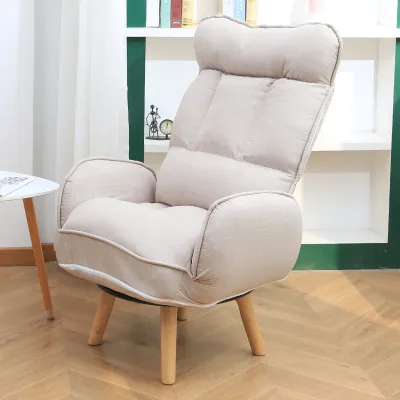
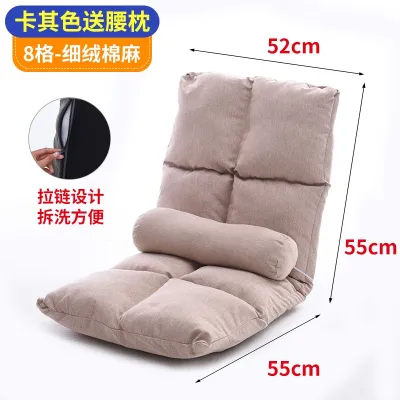


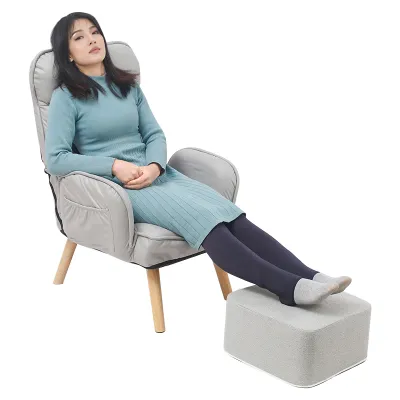
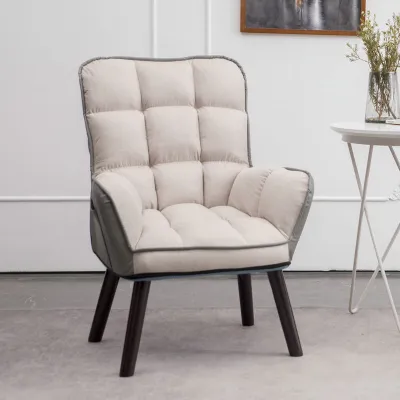
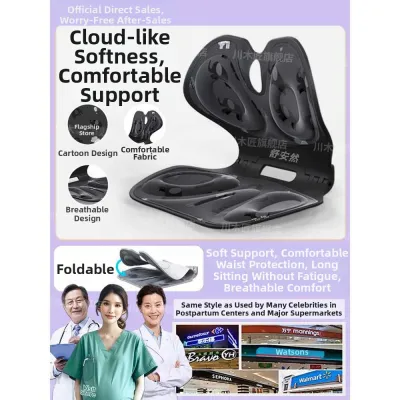
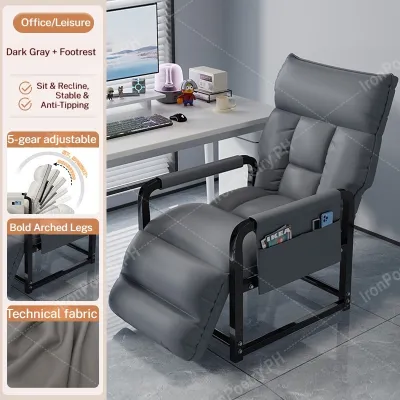
Prices are valid at publication and may change. Please refer to the product page for the latest price.
- Armrests at Elbow Height: The armrests must support your forearms at a natural 90-degree angle, allowing the nursing pillow to sit flat across your lap without tilting or sliding.
- Firm, High-Density Seat Cushion: A supportive seat prevents your pelvis from sinking backward, keeping the nursing pillow at the correct height throughout the feed.
- Shallow Seat Depth: The distance from the backrest to the front edge of the seat should allow you to sit all the way back while keeping your feet flat on the floor.
- Dedicated Lumbar Support: The backrest should follow the natural curve of your spine, reducing the urge to slouch during long feeding sessions.
- Breathable, Cleanable Fabric: Especially in warm climates, choosing moisture-wicking and easy-to-wipe materials keeps you and your baby cool and comfortable.
Ultimately, the goal of your chair and pillow combination is to bring the baby up to your breast, rather than forcing you to bend your body down to meet your baby.
Essential Chair Features for Nursing Pillow Compatibility
A nursing pillow is designed to wrap around your waist and provide a stable platform for your baby. However, because a nursing pillow adds significant height and bulk to your lap, it completely changes how you interact with standard furniture. A chair that feels perfectly comfortable for watching television or reading may become highly unsupportive once you place a thick nursing pillow on your lap and hold a growing infant.

Armrest Height and Width
The relationship between your chair’s armrests and your nursing pillow is critical for upper body comfort. The ideal armrests should allow your elbows to rest naturally at a 90-degree angle when the nursing pillow is in place. If the armrests are too high, they will force your shoulders to shrug upward, which quickly leads to severe tension in your neck and upper back muscles.
Conversely, if the armrests are too low or entirely absent, you will have to hold your arms up without support, exhausting your biceps and shoulders during a feed. The width and padding of the armrests also matter. Look for wide, flat armrests that can help support the outer edges of your nursing pillow, preventing it from shifting outward. Soft, dense padding on the armrests prevents raw or sore elbows during extended cluster-feeding sessions.
Seat Depth and Cushion Firmness
Seat depth and cushion firmness directly impact your pelvic alignment and lower back health. If a chair’s seat is too deep, you will be unable to lean back against the lumbar support without slouching or sliding forward. This sliding motion tilts your pelvis backward and rounds your spine, putting immense pressure on your lower lumbar discs. To prevent this, choose a chair with a seat depth that leaves a simple two-to-three-finger gap between the front edge of the cushion and the back of your knees when you are sitting fully upright.
Cushion firmness is equally vital. Avoid plush, deep-seated cushions that swallow your weight. When a seat cushion is too soft, your hips sink lower than your knees, which automatically lowers the height of your nursing pillow and forces you to hunch over your baby. A firm, high-density foam cushion keeps your body stable and ensures the nursing pillow remains at the correct elevation.
For mothers living in the tropical climate of the Philippines, fabric selection is a key comfort factor. High humidity and warm temperatures mean that synthetic leathers or heavy, non-breathable polyesters can quickly become hot, sticky, and uncomfortable. Prioritize breathable fabrics such as cotton blends, natural linen, or chairs with removable, machine-washable slipcovers. These materials allow better airflow, keeping you and your baby cool during warm days, and make it simple to clean up inevitable milk spills and spit-up.
Back Support and Recline Adjustability
Your lower back requires continuous, targeted support to endure the repetitive physical demands of breastfeeding. Look for a chair that offers built-in lumbar support that mirrors the natural inward curve of your lower spine. If your chosen chair lacks this, ensure the seat has enough room for you to insert a small, firm lumbar roll or a dedicated support cushion behind your lower back.
When evaluating backrests, consider the trade-offs between fixed upright backs and reclining options. An upright, fixed backrest is highly effective for active, alert feeding sessions because it naturally encourages an ergonomic, upright posture that helps you monitor your baby’s latch.
Reclining backrests offer excellent comfort when you need to rest between feeds, but they require caution. Reclining too far back during a feed can make it difficult to support your baby’s head properly and can compromise a safe, deep latch. If you select a reclining chair, ensure the mechanism allows you to lock the backrest securely in a fully upright or very slightly angled position while feeding.
Recommended Chair Types for Breastfeeding
Different styles of chairs offer distinct structural advantages and drawbacks when paired with a nursing pillow. Understanding how these common categories perform will help you select the best fit for your home.
- Glider Chairs: Gliders move in a smooth, horizontal, linear motion rather than an arched rocking motion. This gentle, quiet movement is highly effective for soothing fussy infants and transitioning them to sleep. From an ergonomic standpoint, gliders typically feature upright backrests, firm seat cushions, and padded armrests that sit at an ideal height for nursing pillows. This makes them one of the most compatible options available. When shopping, look for models with a locking mechanism so you can stabilize the chair when standing up while holding your baby.
- Recliner Chairs: Recliners provide exceptional comfort for long periods of sitting, making them popular for nursery setups. However, you must carefully measure the armrests; on some models, the armrests tilt backward or lower significantly when the chair is reclined, rendering them useless for supporting a nursing pillow. Additionally, pay attention to the footrest mechanism. Manual, lever-operated recliners often close with a loud, sudden mechanical snap that can startle a sleeping baby. Power recliners operate much more quietly, though they require placement near an electrical outlet.
- Standard Armchairs and Accent Chairs: While standard living room armchairs can be highly aesthetic and coordinate beautifully with your home decor, they often present ergonomic challenges. Many accent chairs feature deep seats, low armrests, and highly plush cushions that cause you to sink and slouch. If you plan to use an existing armchair, you will likely need to modify it by placing a firm wedge cushion on the seat and using a supportive lumbar pillow behind your back to achieve the correct dimensions.
Before purchasing any chair, always verify the manufacturer’s specified weight limits, overall dimensions, and safety guidelines to ensure the piece of furniture is fully rated for safe, long-term use with an infant.
Achieving Proper Breastfeeding Posture With Your Setup
Once you have selected a compatible chair and nursing pillow, you must arrange your physical setup correctly to ensure a safe, comfortable, and pain-free feeding session.
To achieve proper breastfeeding posture, follow these steps:
- Sit Fully Back: Sit all the way back in your chair so your entire spine is supported by the backrest or your lumbar cushion.
- Plant Your Feet: Keep your feet flat on the floor. If your feet do not comfortably reach the ground, use a firm nursing footstool or a low step stool. Elevating your knees slightly helps stabilize the nursing pillow on your lap and prevents it from sliding forward.
- Position the Pillow: Place your nursing pillow snugly around your waist. It should rest flat across your thighs without tilting downward.
- Align Your Baby: Place your baby on their side on top of the pillow, facing your body. Ensure your baby’s ear, shoulder, and hip are aligned in a straight line (tummy-to-tummy position).
- Bring Baby to Breast: Use the height of the nursing pillow to bring your baby directly to your nipple. Avoid leaning your chest forward or slouching your shoulders down to meet the baby. Your shoulders should remain relaxed and dropped.
Always listen to your body’s physical signals. If you experience persistent pain in your back, neck, or shoulders, or if your baby has difficulty maintaining a deep latch, stop the feeding session and adjust your physical setup. Check the manufacturer’s documentation on your nursing pillow for specific age, weight, and development warnings to ensure your baby has not outgrown the pillow’s support capacity. If manual adjustments to your posture and chair setup do not resolve feeding difficulties, nipple pain, or physical discomfort, consult a certified lactation consultant or your healthcare provider.
Chair Features to Avoid for Nursing
To avoid common purchasing mistakes, learn to identify chair designs that can actively hinder your breastfeeding posture or present safety concerns.
First, avoid armless chairs entirely. Without armrests, your shoulders, upper back, and neck must bear the entire weight of your baby and the nursing pillow. This lack of support leads to rapid muscle fatigue and painful spasms during long feeds.
Second, steer clear of overly plush, deep-seated sofas or oversized lounge chairs. While these are excellent for relaxing, they tilt your pelvis backward and make it nearly impossible to keep a nursing pillow level. Sinking into a deep seat forces your knees higher than your hips, causing the nursing pillow to slide back toward your chest and disrupting your baby’s feeding position.
Finally, avoid chairs with sharp wooden armrests, exposed metal springs, or wide mechanical gaps. Active babies move their hands and feet during feeds, and open reclining mechanisms or wooden gaps can pinch delicate skin. Smooth, fully upholstered surfaces are always the safest choice for a nursery environment.
Frequently Asked Questions (FAQ)
Can I use a regular sofa or bed instead of a dedicated chair?
While you can use a regular sofa or bed, they generally lack the firm structural support, shallow seat depth, and precise armrest height required for comfortable, long-term breastfeeding. If you must feed your baby on a bed or sofa, sit fully upright against a firm headboard or wall rather than slouching. Place several firm bed pillows behind your lower back for lumbar support, and tuck additional pillows under your elbows to mimic the supportive armrests of a dedicated nursing chair. Always remain highly vigilant to avoid falling asleep while feeding on a soft sofa or bed, as this poses serious safety risks to your baby.
Do I need a rocking or gliding motion for breastfeeding?
A rocking or gliding motion is not a requirement for successful breastfeeding or achieving a proper latch. While gentle movement can be highly effective for soothing a fussy baby and helping them transition to sleep after a feed, the structural ergonomics of the chair are far more important for your physical health. If you are working within a specific budget, prioritize a stationary chair that offers excellent lumbar support, a firm seat cushion, and ideal armrest heights over a more expensive chair simply because it rocks or glides.
Community discussion
Share your experience or ask a question. Comments are reviewed before publication.