
Choosing the right skincare products for your baby can feel overwhelming, especially when deciding between two popular options from a brand you trust. When comparing Johnson’s Baby Oil Aloe Vera with the Original formula, the best choice depends on your baby’s specific skin needs, your scent preferences, and whether you want the added benefits of botanical extracts.
The Original formula is a classic, mineral oil-based moisturizer designed to lock in hydration and protect delicate skin from dryness. The Aloe Vera variant builds on this reliable mineral oil base by incorporating aloe vera extract and vitamin E, which are widely appreciated for their soothing qualities. Both formulas are highly effective at preventing moisture loss, but they cater to slightly different preferences.
Because product formulations can occasionally be updated by the manufacturer, always check the physical product label or official store listing for the most current ingredient list before purchasing. This ensures you have the most accurate information regarding allergens, additives, and specific ingredients for your baby’s safety.
Products mentioned in this guide
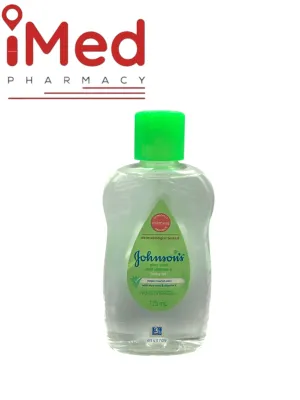
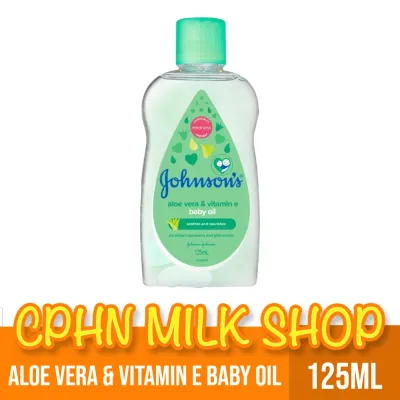
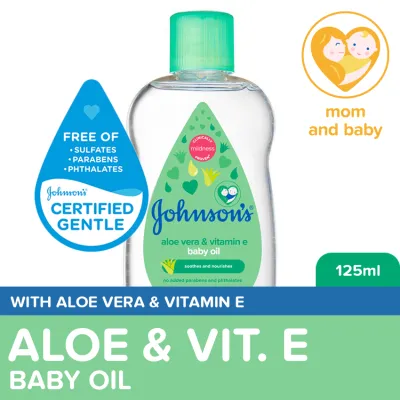
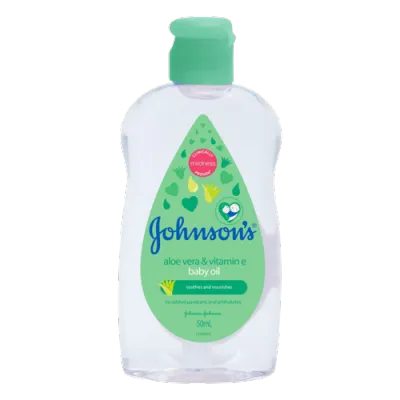
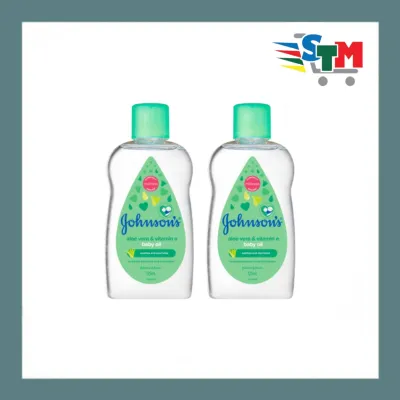
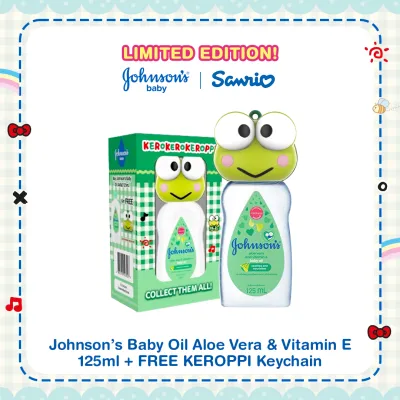
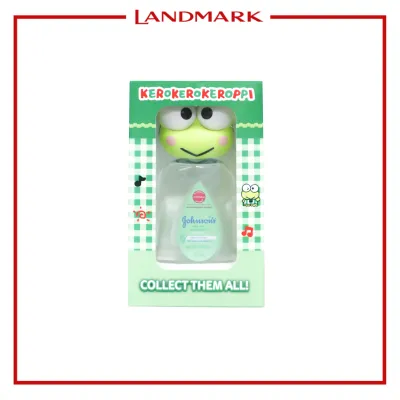
Prices are valid at publication and may change. Please refer to the product page for the latest price.
Formulation and Ingredient Differences
To understand how these two baby oils perform, it helps to look closely at their primary ingredients. Both formulas rely on high-quality, cosmetic-grade mineral oil as their main active ingredient. Mineral oil is an occlusive agent, meaning it sits on top of the skin to form a physical barrier that prevents moisture from evaporating. This barrier is particularly useful in tropical climates like the Philippines, where air conditioning or dry heat can rapidly deplete moisture from a baby’s delicate skin.
The primary differentiator in the green-capped bottle is the addition of Aloe barbadensis leaf extract, commonly known as aloe vera, alongside tocopheryl acetate, which is a form of vitamin E. Aloe vera is traditionally associated with skin-soothing properties, making it a popular choice for caregivers looking for a botanical touch in their baby’s routine. However, because these botanical additions are suspended within the mineral oil base, the overall moisturizing mechanism remains primarily occlusive rather than deeply hydrating on its own.
Fragrance is another key area where these two formulas diverge. The Original formula features the classic, instantly recognizable baby powder scent that has been a staple in nurseries for generations. The Aloe Vera variant offers a lighter, fresher, and more herbal fragrance profile. Both products contain added perfumes, so caregivers of infants with highly reactive skin or diagnosed fragrance allergies should carefully inspect the packaging for potential sensitizers or dyes before application.
Skin Type Suitability and Best Use Cases
Selecting the right variant depends heavily on your baby’s daily routine and skin condition. The Original formula is highly versatile and serves as an excellent option for general daily moisturizing. Its simple, straightforward composition makes it ideal for routine baby massages, which can promote bonding and help soothe your little one before bedtime. If your baby has normal skin with no known sensitivities to standard fragrances, the Original formula provides reliable, everyday barrier protection.

The Aloe Vera variant is often preferred when caregivers notice mild dry patches or want a formula that feels slightly more refreshing during hot, humid days. While the mineral oil base is identical, the inclusion of aloe vera and vitamin E appeals to those who want to provide extra nourishment to dry areas. It is a great option for post-bath application when the skin requires a soothing layer to lock in water.
However, caregivers must recognize the limits of cosmetic baby oils. Neither the Original nor the Aloe Vera variant is formulated as a medical treatment for clinical skin conditions. If your baby is dealing with severe eczema, active rashes, broken skin, or oozing patches, applying heavy occlusive oils can trap heat or bacteria and worsen the irritation. In these situations, bypass cosmetic oils entirely and consult a pediatrician or pediatric dermatologist for an appropriate medicated treatment plan.
Texture, Scent, and Application Experience
While both formulas share a mineral oil base, the sensory experience of using them can feel quite different to a parent. The most immediate difference is the scent. The Original formula delivers a rich, warm, and nostalgic powdery aroma that tends to linger gently on the skin. In contrast, the Aloe Vera variant provides a crisp, clean, and botanical scent that feels lighter and more modern, making it a popular choice for parents who find the traditional baby powder scent too heavy.
In terms of texture and absorption, both oils behave similarly because they are occlusive emollients. They do not sink into the skin instantly like water-based lotions; instead, they leave a smooth, protective, and slightly glossy finish. In the humid climate of the Philippines, applying too much oil on dry skin can feel greasy or heavy.
To achieve the best application experience, the timing is crucial. The most effective method is to apply the baby oil immediately after a bath while the baby’s skin is still damp. Gently pat the skin with a towel, leaving it slightly moist, and then massage a few drops of oil over the body. This technique allows the mineral oil to trap the surface water, maximizing hydration and leaving the skin feeling soft and supple without an excessively greasy residue.
Decision Framework: How to Choose the Right Variant
To help you make the final decision at the store or when browsing local e-commerce platforms, consider this practical decision framework based on your baby’s skin needs and your personal preferences.
Choose the Original if:
- Classic Scent Preference: You prefer a traditional baby powder scent that lingers gently on your baby's skin.
- Daily Massage Routine: You want a simple, straightforward oil for routine baby massages without extra botanical additives.
- Normal Skin Maintenance: Your baby has normal, non-reactive skin and simply needs reliable daily barrier protection.
Choose the Aloe Vera if:
- Fresh Scent Preference: You prefer a lighter, fresher, and more herbal fragrance profile over the classic powdery scent.
- Mild Dryness: Your baby experiences mild dry patches and you want the added soothing properties of aloe vera and vitamin E.
- Botanical Focus: You enjoy using skincare products infused with natural plant extracts for your family's routine.
Verify first if:
- Sensitive Skin Concerns: Your baby has a history of highly sensitive skin, eczema, or known allergies to botanical ingredients or specific fragrances.
- First-Time Use: You are introducing the product for the first time; always read the full ingredient list on the physical bottle to ensure there are no specific dyes or additives that could trigger a reaction.
Safety, Patch Testing, and When to Stop Use
Introducing any new skincare product to an infant’s delicate skin requires a cautious approach. Before applying either baby oil variant all over your baby’s body, it is highly recommended to perform a simple patch test. Apply a tiny drop of the oil to a small, discreet area of the baby’s skin, such as the inner elbow or the side of the thigh. Leave it on for 24 hours without washing the area, and observe closely for any changes.
During the patch test and subsequent uses, watch for clear warning signs of skin irritation. If you notice redness, small bumps, hives, dry flaking, or if your baby becomes unusually fussy and scratches the area, discontinue use immediately. Wash the oil off gently with mild baby soap and lukewarm water. If the irritation persists or worsens, seek professional medical advice from your pediatrician.
Finally, practice safe storage and application habits in your home. Keep the bottle tightly capped and stored completely out of reach of infants and toddlers. Mineral oil poses a serious health risk if accidentally inhaled or swallowed, as it can enter the lungs and cause respiratory complications. When applying the oil, avoid the baby’s hands, face, eyes, and mouth to prevent accidental ingestion or direct irritation to sensitive facial membranes.

Community discussion
Share your experience or ask a question. Comments are reviewed before publication.