
When caring for a baby in the Philippines, keeping their skin soft, hydrated, and healthy is a daily priority. Among the many options lining supermarket shelves and pharmacy aisles, johnson baby lotion remains one of the most recognizable and widely used products. But is it truly the best choice for your baby’s specific skin needs?
The short answer is that it depends entirely on your baby’s skin type, age, and how their skin reacts to the local climate. Johnson’s Baby Lotion is a highly accessible, budget-friendly, and lightweight daily moisturizer. It works exceptionally well for babies with normal skin who do not experience severe dryness or sensitivities. It provides a quick-absorbing layer of hydration that suits the warm, humid weather typical of the country.
However, if your baby struggles with extreme dryness, rough patches, eczema, or fragrance sensitivities, a classic daily lotion may not provide enough targeted barrier support. In these cases, alternative formulations—such as colloidal oatmeal lotions, fragrance-free hypoallergenic options, or ceramide-enriched barrier creams—may be necessary to keep their skin comfortable.
Products mentioned in this guide
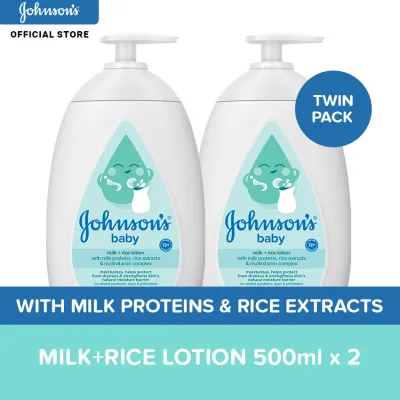
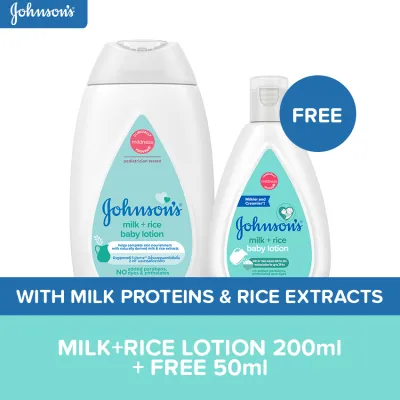
Prices are valid at publication and may change. Please refer to the product page for the latest price.
Choosing the right product requires evaluating key factors: your baby’s current skin condition, the ingredient formulation, how the texture behaves in high humidity, and your preference regarding fragrance.
Understanding Your Baby's Skin Needs in a Humid Climate
Before comparing specific products, it is essential to understand how baby skin behaves, particularly under the unique environmental conditions of the Philippines. Baby skin is structurally different from adult skin; it is about 30% thinner, loses moisture much more rapidly, and is highly sensitive to environmental changes. This makes babies more susceptible to both dryness and irritation.
To choose the right moisturizer, parents must first identify their baby’s skin type. Normal skin generally feels smooth, soft, and even, with no visible flaking or redness. Dry skin may feel slightly rough to the touch, look dull, or show fine, flaky patches, especially after bath time. Sensitive or eczema-prone skin often exhibits persistent redness, rough dry patches, scaling, or signs of itching, which can cause significant discomfort for your little one.
The tropical, humid climate of the Philippines introduces unique challenges for baby skincare. High humidity and heat lead to increased sweating. If a skincare product is too heavy, thick, or occlusive, it can trap sweat against the skin, clog pores, and trigger heat rash—locally known as bungang-araw.
In the Philippines, babies frequently experience friction and sweat accumulation in delicate skin folds, such as around the neck, thighs, elbows, and behind the knees. When these areas remain damp from sweat and are then coated with a thick, non-breathable lotion, the combination can lead to painful chafing, intertrigo, or localized irritation. Therefore, parents must pay close attention to where and how they apply skincare products, ensuring that skin folds are kept clean and dry, and only lightly moisturized with fast-absorbing formulas when necessary.
Conversely, many families spend significant time in air-conditioned spaces, which rapidly strips moisture from the air and, consequently, from your baby’s delicate skin. This environmental contrast makes the texture of a lotion a critical comparison metric. A product that provides excellent hydration in a cold, dry climate might feel uncomfortably sticky, heavy, or greasy in local humidity.
The ideal lotion must balance effective moisture retention with a lightweight feel that absorbs quickly, allowing the skin to breathe. While daily moisturizing is a key part of baby care, parents should remain vigilant. If your baby develops persistent redness, broken skin, oozing patches, or a rash that does not improve with basic care, stop using your current skincare products immediately. These symptoms require professional evaluation. Always consult a pediatrician or a pediatric dermatologist to obtain an accurate diagnosis and a tailored treatment plan.
What to Look for When Comparing Baby Lotions
Evaluating baby lotions goes beyond attractive packaging or familiar brand names. To make an informed decision, parents should learn to analyze product labels and understand how different formulations interact with delicate skin. Focusing on objective metrics ensures you select a product that supports skin health without causing irritation.

Ingredients and Formulation
Skincare formulations generally rely on three types of moisturizing agents: humectants, emollients, and occlusives. Humectants, such as glycerin and hyaluronic acid, draw water into the outer layer of the skin. Emollients, including plant oils and isopropyl palmitate, smooth the skin by filling in the gaps between skin cells. Occlusives, such as petrolatum, dimethicone, or mineral oil, form a protective barrier on the skin surface to seal in moisture. A well-balanced baby lotion combines these elements to hydrate and protect. When reading labels, parents should also look for potential irritants, such as harsh preservatives, synthetic dyes, or drying alcohols, which can disrupt the skin barrier.
Texture and Absorption
The physical consistency of a product determines how comfortable it feels on your baby’s skin in daily use. Lightweight lotions have a high water content, making them easy to spread and quick to absorb. This fast-absorbing quality is highly desirable in warm, humid weather, as it leaves minimal residue. Thicker creams and ointments contain higher concentrations of oils and occlusives. While they offer superior protection for dry or compromised skin, they take longer to absorb and can feel heavy or greasy during hot days.
Hypoallergenic and Pediatrician Testing
Terms like “hypoallergenic,” “pediatrician-tested,” or “dermatologist-tested” are common on baby skincare packaging. While these labels indicate that the manufacturer has taken steps to minimize the risk of allergic reactions or has conducted safety evaluations, they are not standardized medical guarantees. Parents should look past the front-label marketing and verify the specific claims, ingredient lists, and usage instructions printed on the physical packaging of each bottle.
Scent Profile
Fragrance plays a significant role in the sensory experience of baby care, but it is also one of the most common triggers for allergic contact dermatitis and skin irritation. Scented baby lotions use either synthetic perfumes or natural essential oils to achieve their fragrance. Fragrance-free options, on the other hand, contain no added scents, making them the safest choice for newborns, infants with highly sensitive skin, or babies experiencing active skin irritation.
Regardless of the claims on the bottle, conducting a home patch test is a highly recommended safety measure before introducing any new skincare product to your baby’s routine. To perform a patch test, apply a pea-sized amount of the lotion to a small, clean area on your baby’s inner forearm or the side of their leg. Observe the area closely for 24 to 48 hours for any signs of redness, swelling, tiny bumps, or itching. If any reaction occurs, wash the area immediately, discontinue use of the product, and consult your pediatrician.
Johnson's Baby Lotion: Profile, Strengths, and Limitations
Johnson’s Baby Lotion is a household staple that has been used by generations of parents worldwide. To understand how it compares to other options in the Philippines, it is helpful to look closely at its formulation characteristics, strengths, and limitations.
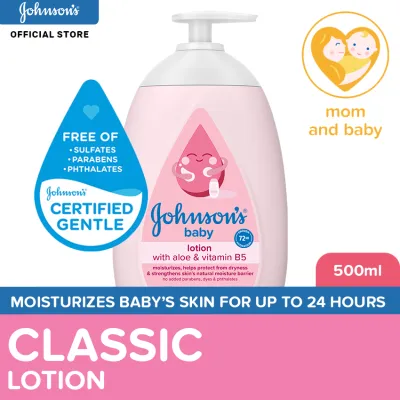
The classic pink formulation of Johnson’s Baby Lotion is designed as a lightweight, water-based daily moisturizer. Its primary ingredients typically include water, glycerin (a highly effective humectant), and mild emollients like isopropyl palmitate or dimethicone. This formulation gives the lotion its signature fluid consistency, allowing it to glide smoothly over the skin and absorb almost instantly without leaving a greasy or sticky film. It also carries the brand’s classic, recognizable powder-fresh scent, which many parents associate with a clean, freshly bathed baby.
The primary strength of this lotion lies in its suitability for daily maintenance of normal, healthy baby skin. Because it absorbs so rapidly, it is an excellent choice for a quick post-bath application during warm mornings or humid afternoons. It provides just enough light hydration to keep healthy skin soft and supple without overloading the pores or contributing to sweat-induced heat rashes. Additionally, it is highly accessible, available in almost every local supermarket, convenience store, and pharmacy across the Philippines, and is highly cost-effective, fitting easily into a family’s regular budget.
However, the product has clear limitations. Because it is a lightweight lotion with a high water content, it does not provide the intensive, long-lasting barrier repair required for severely dry, cracked, or compromised skin. In air-conditioned bedrooms or during cooler, drier months, the moisture it provides may evaporate too quickly, leaving dry skin feeling parched again after a short period. Furthermore, its scented profile, while pleasant to many, makes it less suitable for babies with highly sensitive skin, active eczema, or fragrance allergies, where any added perfume can trigger redness or itching.
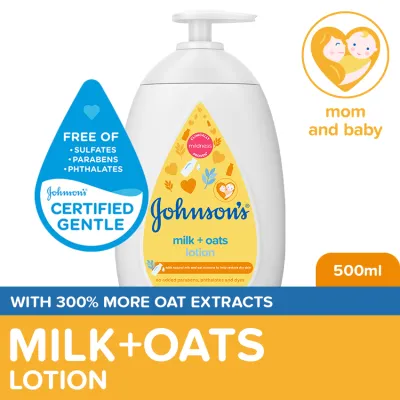
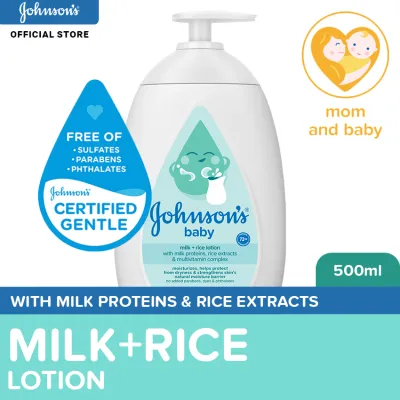
It is also worth noting that the brand has expanded its offerings beyond the classic pink bottle to cater to different skin needs and developmental stages. For instance, some lines are formulated to be ultra-lightweight for newborns, while others feature soothing scents designed for bedtime routines. Each of these variants has a distinct ingredient list, texture, and scent profile. This variety highlights why parents should not assume all bottles under the same brand umbrella perform identically, making label verification an ongoing necessity.
Parents should always check the specific ingredient list printed on the back of the bottle they purchase. Manufacturers occasionally update their formulations, adjust ingredients, or offer specialized variants (such as fragrance-free or ultra-mild versions) that may better suit your baby’s changing needs.
How Johnson's Compares to Other Popular Lotion Types
When exploring alternatives to Johnson’s Baby Lotion, parents will find a variety of formulation types available in local pharmacies, supermarkets, and online marketplaces. Rather than comparing specific brand names—which can change in availability and formulation—it is most helpful to compare Johnson’s classic formula against three major categories of baby lotions.
Colloidal Oatmeal-Based Lotions
Colloidal oatmeal is a finely ground oat preparation that has long been recognized for its skin-soothing properties. These formulations are specifically designed to address dry, itchy, or easily irritated skin.
- Properties and Benefits: Colloidal oatmeal acts as a natural emollient and anti-inflammatory agent. It helps bind moisture to the skin and forms a temporary protective barrier that shields the skin from external irritants, helping to relieve itching and redness.
- Texture Comparison: Compared to the lightweight, watery texture of classic Johnson's, oatmeal-based lotions are typically slightly thicker and leave a soft, matte protective finish on the skin. They require a bit more rubbing to absorb fully but do not feel excessively greasy.
- Target Audience: These lotions are best suited for babies experiencing mild to moderate dryness, rough skin patches, or those prone to mild eczema flare-ups.
Fragrance-Free and Hypoallergenic Lotions
Fragrance-free and hypoallergenic lotions prioritize ingredient minimalism. They are formulated specifically to eliminate common allergens and minimize the risk of contact dermatitis.
- Properties and Benefits: These products completely exclude synthetic fragrances, essential oils, and masking scents. They focus purely on functional hydration, utilizing gentle humectants and emollients to support the skin barrier without introducing unnecessary sensory additives.
- Texture Comparison: The texture of fragrance-free options can range from lightweight lotions to moderate creams. The primary difference is the complete lack of a "baby smell." While some parents miss the classic scent, the functional benefit of eliminating a major skin irritant is significant.
- Target Audience: This category is highly recommended for newborns during their first few months, babies with highly reactive or sensitive skin, and any infant who has shown signs of irritation after using scented products.
Ceramide-Enriched Barrier Creams
Ceramides are naturally occurring lipids (fats) that make up a significant portion of the skin’s outer barrier. Ceramide-enriched creams are therapeutic, heavy-duty moisturizers designed to repair and strengthen compromised skin.
- Properties and Benefits: These creams deliver essential lipids directly to the skin, helping to rebuild a damaged skin barrier and lock in moisture over extended periods. They are highly effective at preventing transepidermal water loss.
- Texture Comparison: Ceramide-enriched products are much richer and thicker than classic daily lotions. They take longer to apply and absorb, leaving a noticeable protective layer. While this layer is excellent for moisture retention, it can feel heavy in hot, humid weather.
- Target Audience: These creams are ideal for babies suffering from severe dryness, moderate-to-severe eczema, or those who spend extended hours sleeping in air-conditioned rooms where the dry air strips skin moisture.
Final Verdict: How to Choose the Right Lotion for Your Baby
Selecting the ideal lotion for your baby in the Philippines involves balancing their unique skin type with the local climate and your family’s daily routine. There is no single “best” product for every baby; instead, the right choice depends on specific conditions.
- Choose Johnson's Baby Lotion if: Your baby has normal, healthy skin with no history of sensitivities or extreme dryness. It is an excellent, budget-friendly option if you prefer a lightweight, fast-absorbing daily moisturizer that performs well in warm, humid weather and leaves a classic, familiar scent.
- Choose an Oatmeal or Ceramide Alternative if: Your baby's skin is dry, rough, itchy, or prone to eczema. These formulations provide the richer emollient support and barrier-repairing properties needed to soothe irritation and lock in deep hydration, especially during nighttime sleep in air-conditioned rooms.
- Choose a Fragrance-Free Alternative if: You are caring for a newborn, or if your baby has highly sensitive skin, active rashes, or a history of reacting to scented products. Eliminating added fragrances is a simple and effective way to reduce the risk of skin irritation.
- Verify First if: You notice persistent skin rashes, broken or bleeding skin, or if you are unsure about your baby's skin condition. In these situations, do not attempt to self-treat with over-the-counter lotions. Stop using all current products and consult a pediatrician or a qualified dermatologist to ensure your baby receives safe, appropriate care.
Frequently Asked Questions (FAQ)
Can I use Johnson's Baby Lotion on a newborn?
A newborn’s skin is incredibly thin, highly permeable, and still developing its natural protective barrier during the first few weeks of life. Because of this extreme sensitivity, many pediatricians recommend using only water or ultra-mild, fragrance-free products during the initial newborn phase.
While some variants of baby lotion may be labeled as suitable for newborns, parents should always check the specific product packaging for age recommendations, warnings, and ingredient lists. It is highly recommended to consult your pediatrician before introducing any new moisturizing products to a newborn’s daily routine.
How often should I apply lotion to my baby's skin in a humid climate?
In the tropical climate of the Philippines, the frequency of application depends on your baby’s skin type and daily environment. For babies with normal skin, applying a thin layer of lightweight lotion once a day—ideally immediately after their daily bath while the skin is still slightly damp—is usually sufficient to lock in moisture.
If your baby spends significant time in air-conditioned rooms, you may need to apply it a second time, particularly before bedtime. Avoid over-applying thick layers of heavy creams during hot, humid daytime hours, as trapping excess sweat can lead to heat rash (bungang-araw) or clogged pores. Always observe your baby’s skin and adjust the frequency based on how dry or hydrated it appears.

Community discussion
Share your experience or ask a question. Comments are reviewed before publication.