
Deciding what products to use on a newborn’s delicate skin is one of the first challenges new parents face. In the Philippines, where high humidity and warm temperatures make diaper rash and heat rash common concerns, baby powder has long been a traditional staple in many nurseries. However, modern pediatric guidelines have shifted, prompting many parents to ask whether Johnson baby powder is truly safe for newborns. The safety of using Johnson baby powder depends heavily on the specific formulation (talc-based versus cornstarch-based) and how it is applied. Because a newborn’s respiratory system and skin barrier are highly delicate, parents must understand the ingredients, potential inhalation risks, and proper application techniques before deciding to use this product in their daily diapering routine.
To make an informed decision, caregivers must understand that baby powder is not a single, uniform product. The safety profile of Johnson baby powder depends on whether the bottle contains talc or cornstarch, how the powder is applied to the skin, and the unique environmental conditions of a tropical climate. By learning how to identify ingredients, minimize inhalation risks, and recognize adverse skin reactions, you can protect your newborn’s respiratory health and skin integrity.
Understanding the Ingredients: Talc vs. Cornstarch
To determine the safety of the baby powder in your nursery, the first step is to identify its primary active ingredient. For decades, traditional baby powders relied on talc, a naturally occurring mineral composed of magnesium, silicon, and oxygen. Talc is highly valued in cosmetics and personal care for its ability to absorb moisture, reduce friction, and prevent chafing. However, because natural talc deposits can sometimes occur in close proximity to asbestos—a known carcinogen—the safety of talc-based powders has been subject to intense global debate, legal scrutiny, and regulatory reviews.
Products mentioned in this guide
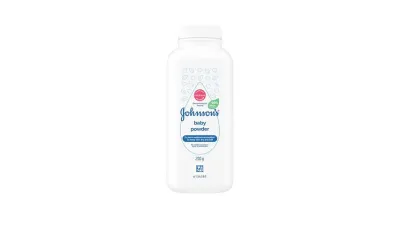
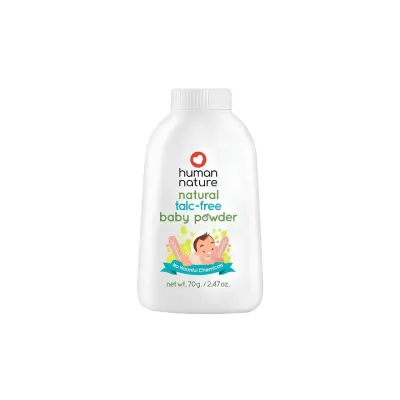
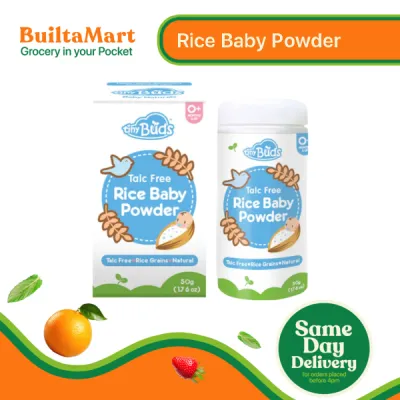
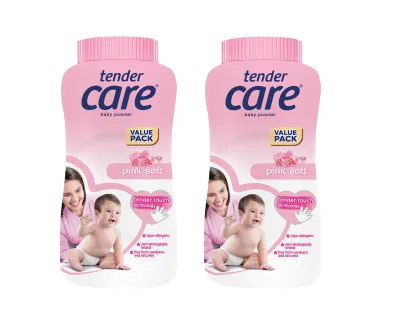
Prices are valid at publication and may change. Please refer to the product page for the latest price.
To confirm which formulation you have, turn the bottle over and carefully read the ingredient list printed on the back label. If the product is a traditional formulation, you will see “Talc” listed as the primary ingredient. If you have a newer, talc-free version, the label will typically list “Zea Mays (Corn) Starch” or “Cornstarch” as the main component, often combined with tricalcium phosphate and fragrance. Knowing how to read these labels is crucial because many households in the Philippines may still have older bottles or imported variants stored in their cabinets.
From a functional standpoint, both talc and cornstarch serve to absorb excess moisture and reduce friction on the skin, but they behave differently under close observation. Talc consists of extremely fine, slippery mineral particles that repel water, allowing them to slide smoothly over the skin even when moisture is present. Cornstarch, on the other hand, is a vegetable-derived carbohydrate with slightly larger, more absorbent organic particles. While cornstarch is highly effective at soaking up sweat and wetness, it can absorb water to the point of becoming pasty if the skin is excessively wet, which is an important distinction for parents managing diaper care in tropical climates.
Because safety standards and product availability are dynamic, parents should regularly check official updates from local health authorities, such as the Food and Drug Administration (FDA) of the Philippines, alongside the manufacturer’s official announcements. Globally, there has been a significant transition away from talc-based formulations toward 100% cornstarch-based alternatives. Verifying the current regulatory status and product recalls ensures that you are not using discontinued or outdated formulations on your newborn’s highly sensitive skin.
Inhalation Risks and Safe Application Practices
Regardless of whether you choose a talc-based or cornstarch-based powder, the primary safety concern identified by pediatricians worldwide is the risk of inhalation. A newborn’s respiratory system is still developing, with narrow airways and highly sensitive lung tissues. When loose powder is shaken into the air, it creates a cloud of microscopic airborne particles. If an infant inhales these fine particles, they can travel deep into the lungs, causing immediate airway irritation, respiratory distress, or long-term pulmonary complications.

To protect your baby from these risks, universal pediatric guidance strongly advises against shaking baby powder directly onto an infant’s body, near their face, or in confined spaces. Shaking a bottle directly over the diaper changing table inevitably disperses a high concentration of dust into the baby’s breathing zone. Even a small, accidental inhalation of this dust cloud can trigger sudden coughing fits, choking, or wheezing in a newborn, whose protective airway reflexes are not yet fully mature.
If you choose to use baby powder, you must adopt a safe, indirect application method to minimize airborne particles. First, step slightly away from your newborn so that any dust generated does not drift toward their face. Shake a small, controlled amount of powder directly into your own palms, keeping the bottle low and away from the baby. Gently pat your hands together over a sink or away from the changing area to settle the loose dust, and then use your hands to smooth the thin layer of powder directly onto the baby’s dry skin folds.
In addition to safe application, proper storage is a critical component of household safety. Always keep the powder container tightly closed when not in use, ensuring the shaker top is fully clicked shut. Store the bottle on a high shelf or inside a secured cabinet that is completely out of reach of infants and older siblings. Toddlers are naturally curious and may attempt to play with the bottle, which can result in accidental spills, heavy dust clouds, and severe, emergency-level inhalation incidents.
Recognizing Skin Reactions and When to Stop Use
A newborn’s skin barrier is significantly thinner and more permeable than that of an adult, making it highly susceptible to irritation, chemical sensitivities, and environmental factors. When introducing any new skincare product, including Johnson baby powder, parents must monitor the application areas closely for adverse reactions. Signs of skin incompatibility include localized redness, dry patches, tiny red bumps, or a sudden worsening of an existing diaper rash, all of which indicate that the product may be irritating the delicate epidermal layer.
One of the most common issues with using powder in a tropical climate like the Philippines is the tendency of the product to clump in skin folds. When a baby sweats or when urine leaks from a diaper, the loose powder mixes with the liquid to form a thick, abrasive paste. Instead of reducing friction, this clumped residue acts as an irritant, rubbing against the skin as the baby moves their legs. This friction can damage the skin barrier, trap moisture underneath, and create an ideal environment for diaper dermatitis or fungal infections to flourish.
To prevent these complications, parents must establish clear conditions for when to discontinue use. If you observe any signs of skin irritation, persistent redness in the groin folds, or a rash that does not resolve with basic hygiene, stop using the powder immediately. More importantly, if your newborn exhibits any respiratory symptoms—such as coughing, wheezing, rapid breathing, or flared nostrils during or after diaper changes—discontinue the product permanently and seek immediate medical evaluation from a qualified pediatrician.
Effective Alternatives for Diaper Rash Prevention
For parents who prefer to avoid the risks associated with loose powders, several highly effective, non-powder alternatives can maintain diaper area health and prevent friction. Pediatricians widely recommend barrier creams and ointments as the standard approach for protecting a newborn’s skin. Formulations containing zinc oxide or petroleum jelly work by creating a physical, water-resistant shield over the skin. This barrier prevents acidic urine, fecal enzymes, and diaper friction from directly contacting and damaging the delicate outer layer of the skin.
While topical products are helpful, the foundation of diaper rash prevention lies in a consistent hygiene routine rather than any single product. In the warm, humid climate of the Philippines, frequent diaper changes are essential to prevent moisture buildup. Caregivers should check diapers regularly and change them promptly after every wet or soiled episode. During changes, cleanse the area gently using lukewarm water and a soft cotton cloth, or opt for alcohol-free, fragrance-free baby wipes to avoid stripping the skin of its natural oils.
Another highly effective practice is allowing the newborn’s skin to air dry completely before putting on a fresh diaper. After cleansing, gently pat the skin dry with a clean towel instead of rubbing it. Giving your baby a few minutes of “diaper-free time” allows air to circulate naturally, drying out the skin folds and significantly reducing the risk of bacterial and fungal growth. By combining thorough air drying with a thin layer of barrier cream, you can keep your baby’s skin healthy and comfortable without relying on loose powders.
Frequently Asked Questions (FAQ)
Can I use baby powder on a newborn's umbilical cord stump?
Standard pediatric care for a newborn’s umbilical cord stump focuses on keeping the area clean, dry, and exposed to air to promote natural healing and detachment. Applying baby powder, lotions, or creams to the umbilical stump is strongly discouraged, as these substances can trap moisture, introduce chemical irritants, or harbor bacteria, potentially increasing the risk of infection. Caregivers should keep the diaper folded down below the navel to prevent friction and allow the stump to dry naturally, consulting a healthcare provider if any redness, discharge, or unusual odor develops.
Does baby powder cure an existing diaper rash?
No, baby powder does not cure an active diaper rash. Baby powder is designed solely as a preventive measure to absorb minor moisture and reduce friction on healthy, intact skin. Once a diaper rash has developed, the skin barrier is already compromised and inflamed; applying powder can worsen the irritation by clumping in the skin folds and trapping moisture or bacteria. For an active rash, parents should use a dedicated barrier cream containing zinc oxide to soothe and protect the skin, and seek medical advice if the rash persists for more than a few days or appears infected.
Community discussion
Share your experience or ask a question. Comments are reviewed before publication.