
Choosing the right diaper for your baby often feels like a balancing act between cost, comfort, and reliable leak protection. When comparing a newer brand like Jilebear against household names such as Pampers, Equator, and Huggies, parents naturally want to know which option delivers the best performance. Without independent laboratory test data, it is not possible to definitively declare whether Jilebear outperforms or falls short of these established brands in absolute absorbency and comfort. Instead, the most reliable approach is to evaluate and compare these diapers based on their physical construction, packaging claims, and your baby’s unique daily needs.
In tropical environments where high humidity and heat are constant factors, diaper performance becomes even more critical. Excess moisture trapped against a baby’s skin can quickly lead to discomfort, heat rash, or diaper dermatitis. Therefore, understanding how to read diaper specifications and conduct your own home-based assessments is the most practical way to find a diaper that keeps your baby dry and comfortable. By focusing on observable design features, you can make an informed, condition-based choice that suits both your baby’s skin and your household budget.
How to Evaluate Diaper Absorbency and Comfort
Before comparing specific brands, it is essential to understand the structural features and packaging claims that actually dictate how a diaper performs. Absorbency is primarily determined by the core material distribution and the technology used to lock wetness away. When examining diaper packaging, look for mentions of Super Absorbent Polymers (SAP) and acquisition distribution layers (ADL). The ADL is designed to quickly draw liquid away from the surface and distribute it evenly across the absorbent core, preventing pooling and sag. Additionally, check for the presence of wetness indicator lines, which change color to signal when a change is needed, helping you avoid unnecessary skin exposure to moisture.
Products mentioned in this guide
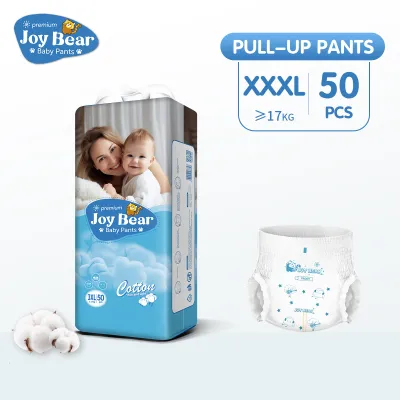
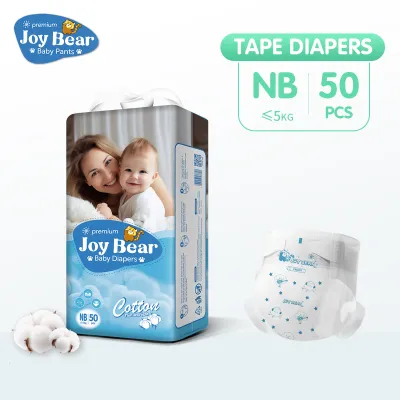
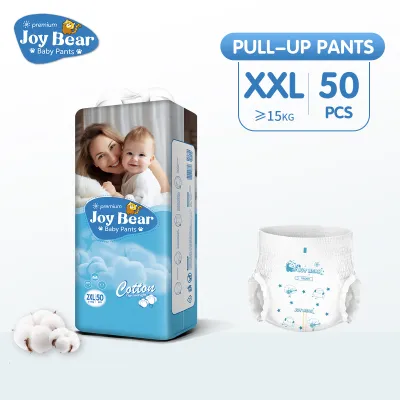
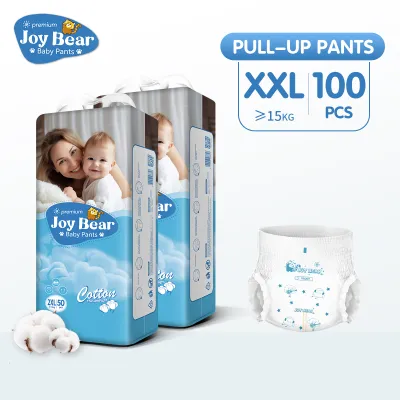
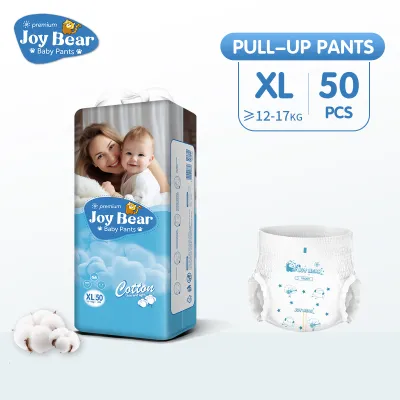
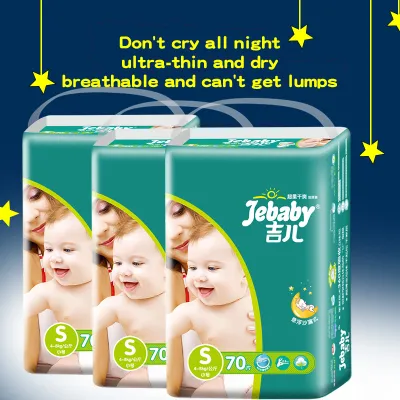
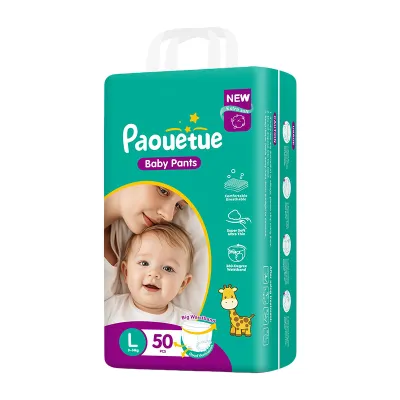
Prices are valid at publication and may change. Please refer to the product page for the latest price.
Comfort, on the other hand, relies heavily on the physical texture of the materials that come into direct contact with your baby’s skin. The inner top sheet should feel soft to the touch, and packaging claims often highlight 3D embossed patterns or cottony-soft textures designed to minimize friction. Waistband elasticity is another critical comfort indicator; a highly flexible, stretchy waistband allows the diaper to expand and contract as your baby breathes and moves, preventing painful pinching. Breathability features, such as microporous outer sheets that allow hot air to escape while keeping liquid contained, are also vital for maintaining skin dryness in warm climates.
Because independent comparative test data is rarely available for every diaper brand on the market, checking manufacturer specifications and physically inspecting the diaper are necessary steps. Packaging labels provide a baseline of what the diaper is designed to do, but a physical inspection allows you to verify the flexibility of the waistbands, the softness of the liners, and the overall thickness of the product. By combining label reading with hands-on evaluation, you can form a realistic expectation of how a diaper will perform before placing it on your baby.
Comparing Absorbency and Leak Protection Features
To systematically evaluate and compare the moisture-locking capabilities of Jilebear, Pampers, Equator, and Huggies, start by analyzing the core technology claims printed on their packaging. Established brands like Pampers and Huggies often highlight proprietary channel designs or multi-layer absorption systems engineered to distribute wetness rapidly and prevent clumping. Equator and Jilebear also present specific core structures, such as ultra-thin composite cores or traditional fluff-and-SAP blends. Compare these descriptions to understand how each brand intends to manage moisture, keeping in mind that thinner cores often rely on advanced SAP sheets, while thicker cores may use traditional pulp fibers to absorb liquid.

Beyond the absorbent core, structural leak protection depends heavily on the physical design of the leg cuffs and elastic barriers. When you hold a diaper, inspect the height and tension of the double-layered leg cuffs, often referred to as leak guards. These cuffs should stand upright and feel elastic yet gentle. If the elastic tension is too loose, liquid may escape before the core can absorb it; if it is too tight, it can cause red marks and skin irritation. The overall thickness and stiffness of the diaper also play a role, as a stiff diaper may gap when your baby crawls, rolls, or sits, creating pathways for leaks.
Another practical feature to compare is the visibility and responsiveness of the wetness indicator. A clear, fast-acting indicator line helps caregivers perform timely changes, which is especially important during heavy wetting periods or overnight. Some brands feature indicators that run the entire length of the diaper, making them easy to read even through lightweight clothing, while others may have smaller or less distinct lines.
Because every baby’s body shape and wetting patterns are unique, the most reliable way to test leak protection is to purchase a small trial pack first. This allows you to observe real-world performance during heavy wetting or overnight use without committing to a bulk purchase. Monitor how well the diaper holds up during a long nap or a period of high activity, checking for any dampness on the outside of the diaper or on your baby’s clothes. This hands-on trial provides concrete evidence of how the diaper handles your baby’s specific volume and frequency of wetness.
Assessing Comfort, Fit, and Skin Health
A diaper’s impact on your baby’s skin health and daily comfort is closely tied to its physical design and material composition. To assess this, start by physically feeling the inner top sheet and the waistband of each brand. Run your fingers over the liner to check for any roughness, stiff edges, or synthetic feel that could rub against sensitive skin. Gently stretch the waistband and side tabs to evaluate their flexibility; a high-quality waistband should stretch smoothly and return to its original shape without requiring excessive force, ensuring a snug yet comfortable fit around your baby’s torso.
Next, examine the packaging for dermatological testing claims, hypoallergenic labels, or certifications indicating the absence of potential irritants like chlorine, fragrances, and latex. While these labels provide reassurance, it is important to remember that “hypoallergenic” is not a medical guarantee, and you must verify how these claims translate to your baby’s specific skin sensitivity. If your baby is prone to eczema or contact dermatitis, look for brands that explicitly state they are fragrance-free, as added scents are a common trigger for skin irritation.
Evaluating the fit on your baby’s body is a continuous process that requires close observation during and after wear. A well-fitting diaper should contour naturally to your baby’s thighs and waist, sitting comfortably below the belly button for newborns or wrapping securely around the waist for active toddlers. After removing the diaper, inspect the skin around the waist and thighs for deep red marks, indentations, or chafing. Minor, temporary marks can occur, but deep, persistent red lines indicate that the diaper is either too small, fastened too tightly, or has elastic bands that are too stiff for your baby’s build.
When switching between Jilebear and established brands like Pampers, Equator, or Huggies, closely monitor your baby’s skin for any signs of diaper rash, redness, or unusual warmth. If you notice persistent irritation or a sudden flare-up of redness that does not resolve with standard barrier creams, establish clear conditions for stopping use. Discontinue the new brand immediately, revert to a diaper that has previously proven safe for your baby’s skin, and consult a healthcare professional if the rash persists, blisters, or causes your baby significant distress.
Which Brand Fits Your Baby's Needs?
Selecting the right diaper brand involves matching the product’s specific design strengths with your baby’s age, developmental stage, and daily routine. If you prioritize widely available options with specific, verifiable features tailored for highly active toddlers or heavy overnight wetting, established brands like Pampers or Huggies are strong candidates. These brands offer specialized lines—such as active-fit pants or dedicated overnight diapers—that feature reinforced leak guards and high-capacity cores designed to withstand hours of movement and heavy wetting, making them highly reliable for long stretches of sleep or outdoor outings.
If your primary goal is to find a balance of standard performance and budget-friendly pricing for frequent daytime changes, Equator may fit your needs. During the day, babies generally require more frequent changes to maintain hygiene, especially in warm, humid climates where sweat and moisture accumulate quickly. Using a highly economical diaper for daytime wear allows you to change your baby as often as needed without worrying about high per-piece costs, ensuring their skin remains clean and dry throughout the day.
Jilebear represents an alternative option if its specific material feel, fit, or price point aligns with your baby’s needs after a successful, irritation-free trial. If a small-pack trial demonstrates that Jilebear fits your baby’s body shape well, prevents leaks, and does not cause skin irritation, it can serve as a practical choice for your diapering routine. This brand-by-brand comparison highlights that there is no universal winner; the best diaper is simply the one that fits your baby’s body, respects their skin sensitivity, and fits comfortably within your household budget.
Before making any major brand transition, especially if your baby has highly sensitive skin, verify the ingredients and materials used in the diaper. Carefully check all material disclosures on the label, looking for potential allergens or synthetic components. If your baby has a history of severe skin reactions, consult a pediatrician to discuss specific material recommendations or ingredients to avoid, ensuring that your choice supports your baby’s health and comfort.
Frequently Asked Questions (FAQ)
Can I mix different diaper brands for day and night use?
Yes, mixing different diaper brands for daytime and nighttime use is a highly practical and cost-effective strategy for many families. During the day, when changes are frequent and your baby is active, you can prioritize a lighter, more budget-friendly diaper like Equator or Jilebear. This allows you to maintain excellent hygiene by changing the diaper every few hours without incurring high costs.
For overnight use, switch to a high-capacity, premium diaper from brands like Pampers or Huggies that feature advanced moisture-locking cores and reinforced leak guards. These diapers are designed to handle multiple wettings over a twelve-hour period, keeping your baby dry and helping them sleep through the night without interruptions from leaks or wetness discomfort.
How do I know if a specific diaper brand is causing a rash?
To determine if a specific diaper brand is causing a rash, look for localized signs of contact irritation, such as redness, small bumps, or chafing that align exactly with the diaper’s waistband, leg cuffs, or wetness zone. If the irritation appears shortly after switching to a new brand like Jilebear, and your baby’s skin was previously clear, the materials or fragrances in the new diaper may be the cause.
If unexplained redness or irritation occurs, stop using the suspected brand immediately and switch back to a diaper that your baby’s skin tolerates well. Apply a gentle barrier cream and keep the area clean and dry. If the rash does not improve within a few days, spreads, or is accompanied by a fever, consult a pediatrician promptly for an accurate diagnosis and treatment plan.
Community discussion
Share your experience or ask a question. Comments are reviewed before publication.