
Determining whether your baby is ready for a walker involves looking closely at their physical milestones rather than relying solely on their age in months. A baby is generally considered physically prepared to use a walker when they can sit upright completely unassisted, maintain excellent head and neck control, and show a strong desire to bear weight on their legs. However, because mobile baby walkers introduce specific safety risks and can alter natural motor development, parents must carefully evaluate their child’s physical readiness, the home environment, and alternative gear options before making a purchase.
In the Philippines, where homes often feature smooth tiled floors, open-plan living spaces, and small steps between rooms, choosing the right baby gear requires extra vigilance. While a walker can seem like a convenient way to keep an active baby entertained, it is essential to understand that these devices are designed for supervised, short-term activity rather than as a tool to teach independent walking. Assessing your baby’s unique developmental timeline is the most reliable way to ensure their safety and physical progress.
Understanding Walker Readiness Beyond Age
Many parents assume that reaching a specific monthly milestone, such as turning six months old, automatically means it is time to buy a walker for baby. In reality, chronological age is a highly unreliable metric for baby gear readiness. Infants develop their muscles, coordination, and bone strength at vastly different rates, meaning one baby may be physically equipped for upright gear while another of the exact same age needs several more weeks of floor play.
Products mentioned in this guide
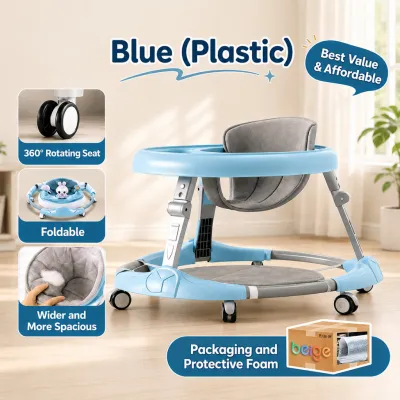
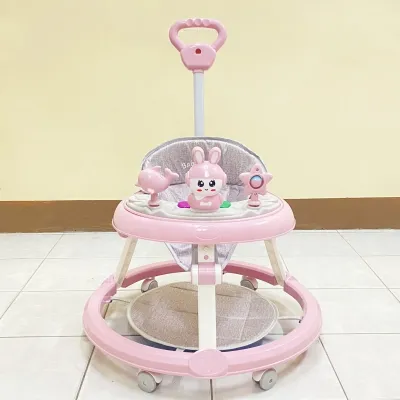
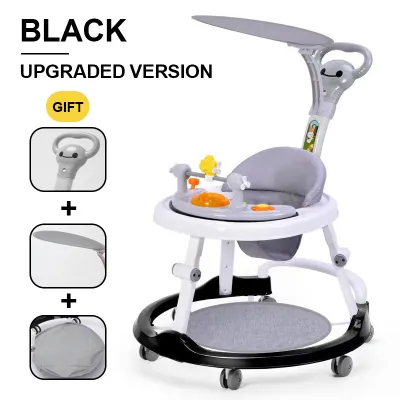
![[Easy To Walke] Bobbi Baby Walker walker for baby boy baby walker for girl SuitableFor 6-18 Months Infant Foldable walker for baby with Wheel Toddler Walk Learning Anti Rollove walker baby girl walker for baby With Music and Handle](https://img.lazcdn.com/g/p/e556e95d1e84b3034168d74ed603b3ce.jpg_400x400q80.jpg_.webp)
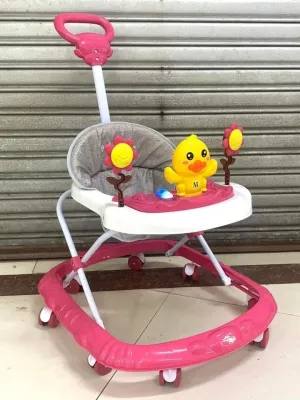
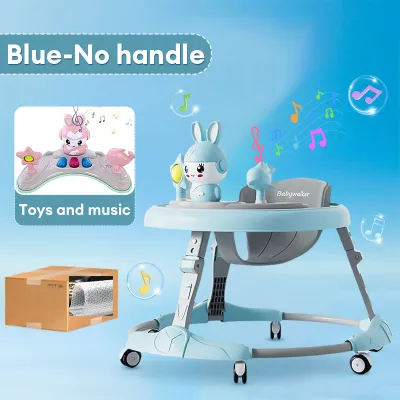
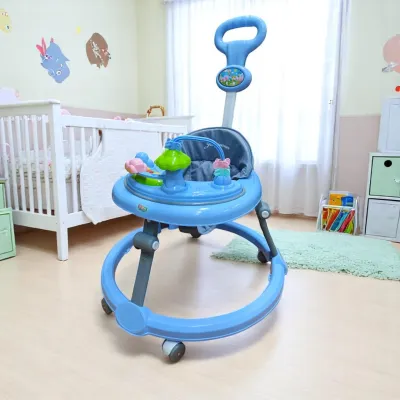
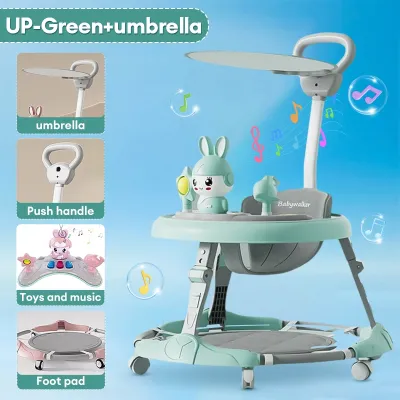
Prices are valid at publication and may change. Please refer to the product page for the latest price.
An infant walker is primarily designed to support a baby who is eager to explore their surroundings but cannot yet walk on their own. It features a suspended fabric seat inside a wheeled frame, allowing the baby to slide or roll across flat surfaces using their feet. It is important to recognize that this setup does not teach a baby how to walk independently; instead, it provides a temporary upright vantage point for play and exploration.
Because a walker changes how a baby interacts with gravity and uses their leg muscles, introducing it too early can strain developing joints. Before introducing any mobile baby gear to your home, consulting a pediatrician is highly recommended. A professional developmental assessment can confirm whether your baby’s spine, hips, and neck are strong enough to handle the upright posture and sudden movements associated with wheeled toys.
Observable Signs Your Baby Is Ready for a Walker
Before considering a walker, you should observe your baby during daily floor play to check for specific physical milestones. The most critical indicator is the ability to sit up independently without any support. Your baby should be able to maintain a straight, stable trunk for extended periods without leaning on pillows, foam wedges, or your hands, which demonstrates that their core muscles are sufficiently developed.

Strong head and neck control is another non-negotiable milestone. When your baby is sitting or being held upright, their head should remain steady and upright, even when they turn quickly to look at toys or listen to sounds. If their head wobbles, tilts forward, or slumps when they get tired, their neck muscles are not yet strong enough to withstand the sudden stops and bumps that occur when a walker rolls into furniture.
Your baby should also show an active interest in standing and bearing weight on their lower limbs. You can observe this when holding your baby upright with their feet touching a flat surface, such as a clean play mat. If they actively push down with their legs, bounce, or attempt to take tentative steps while you support their weight, their legs are beginning to develop the coordination needed for upright gear.
Finally, you must verify that your baby meets the specific physical limits set by the manufacturer. Every walker has strict minimum and maximum height and weight requirements printed on the product packaging or user manual. Placing a baby who is too small into a walker can result in them slipping through the leg openings, while a baby who exceeds the limits can easily tip the device over.
When to Wait: Red Flags and Safety Boundaries
If your baby exhibits certain physical signs during play, it is best to delay using a walker. A major red flag is slumping or leaning heavily to one side when placed in a seated position. If your baby cannot maintain an upright posture in the walker’s fabric seat, the continuous pressure on their lower spine and hips can cause discomfort and strain their developing skeletal system.
Another critical sign to watch for is how your baby’s feet contact the floor. If your baby can only reach the ground with the very tips of their toes, or if they constantly push off using only their toes, they are not ready. This position, often called toe-walking, can tighten the Achilles tendon and encourage poor walking posture. Your baby’s feet should be able to rest flat on the floor, or as specifically directed by the product’s instruction manual, to ensure safe leg alignment.
Your home environment also dictates whether it is safe to introduce a wheeled walker. In many tropical households, smooth tiled floors allow walkers to gain speed incredibly quickly, turning a minor push into a rapid acceleration. You must identify and eliminate potential hazards such as stairs, raised door thresholds, steps leading down to kitchens or wet areas, and outdoor balconies. Additionally, being elevated in a walker allows a baby to reach items that are normally out of bounds, such as hot beverages, table edges, electrical cords, and household cleaners.
Always pay close attention to your baby’s emotional and physical cues during gear use. If your baby cries, shows signs of frustration, or appears fatigued after just a few minutes, remove them from the device immediately. Forced upright play when a baby is tired can lead to poor posture and increases the risk of minor strains or accidents.
Developmentally Safe Alternatives to Walkers
If your baby is not yet ready for a mobile walker, or if you prefer to avoid the safety risks associated with wheeled toys, several excellent alternatives support physical development. Stationary activity centers, often called exersaucers or stationary jumpers, provide the upright view and interactive toys babies love without the hazard of wheels. These devices keep your baby safely contained in one spot while allowing them to bounce, spin, and play.
For babies who are already pulling themselves up to a standing position and cruising along the edges of furniture, a sturdy push toy is a highly beneficial alternative. Unlike a seated walker, a push toy requires the baby to actively balance themselves, engage their core, and use their own strength to push the toy forward. This naturally mimics the mechanics of independent walking and helps build genuine balance and coordination.
Never underestimate the developmental value of supervised floor time. Allowing your baby to spend ample time on a clean, comfortable play mat encourages natural movements like rolling, crawling, and transitioning from sitting to lying down. These self-directed movements are the absolute foundation of motor development, building the core, back, and shoulder strength your baby needs to eventually stand and walk completely on their own.
Essential Safety Checks Before You Buy
If you decide that a walker is suitable for your baby and your home, you must carefully inspect the product’s design features before purchasing. Look for a model with a wide, stable wheelbase that is significantly wider than the upper tray. A wide base prevents the baby from tipping the walker over when they lean sideways and keeps them at a safe distance from walls and furniture edges.
Stair-fall prevention mechanisms are among the most critical safety features to verify on the packaging. High-quality walkers are equipped with built-in friction strips or rubber stopper pads on the underside of the frame. These pads are designed to grip the floor and instantly halt the walker’s movement if the wheels slip over an edge, a step, or an uneven surface.
Ensure the walker features an easily adjustable seat height. As your baby grows, you will need to adjust the seat to maintain proper foot placement, ensuring their legs are bent at a safe angle and their feet can make flat contact with the floor. A seat that cannot be adjusted will quickly become unusable or unsafe as your baby’s height changes.
Lastly, always verify that the product complies with recognized safety standards. Look for official certification marks, safety labels, or compliance declarations on the box or the manufacturer’s website. Purchasing certified baby gear ensures the materials, plastics, and mechanical parts have undergone rigorous testing to withstand daily wear and tear in a busy household.
Frequently Asked Questions (FAQ)
Do baby walkers delay walking milestones?
Yes, excessive use of mobile baby walkers can potentially delay natural walking milestones. Because a walker supports the baby’s weight and keeps them upright, the baby does not have to practice balancing, which is a crucial component of learning to walk independently. Additionally, walkers encourage babies to use their calf muscles and toes rather than their thighs and hips, which can alter natural muscle development. To prevent delays, limit walker sessions to short, supervised intervals of no more than fifteen to twenty minutes per day, and prioritize plenty of unrestricted floor play. If you have concerns about your baby’s motor development, consult your pediatrician for guidance.
At what age can a baby start using a walker?
There is no universal age at which a baby can start using a walker, as physical milestones are far more important than chronological age. While many manufacturers design walkers for babies starting around six months of age, your baby must first demonstrate independent sitting, strong head control, and the ability to bear weight on their legs. Always consult your pediatrician before introducing a walker, and strictly follow the specific age, weight, and height limits listed on the product packaging to ensure your baby’s safety.
Community discussion
Share your experience or ask a question. Comments are reviewed before publication.