
Quick Answer: Is a Walker for Baby 6 to 12 Months Right for Your Child?
When searching for a walker for baby 6 to 12 months, many parents wonder if their little one is truly ready to take the wheel. The short answer is that readiness depends entirely on your baby’s unique motor milestones rather than their chronological age. The 6 to 12-month window represents a massive phase of physical growth, but every child develops at their own pace.
Before introducing any mobile baby gear, your child must be able to sit up completely unassisted with excellent head and trunk control. Placing a baby in a walker before their spine and core muscles can support their weight can lead to poor posture and physical strain.
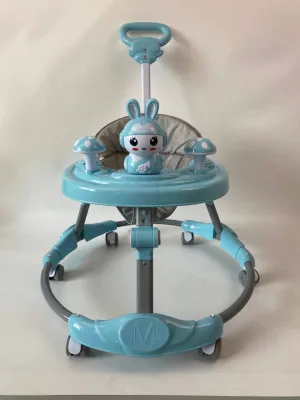
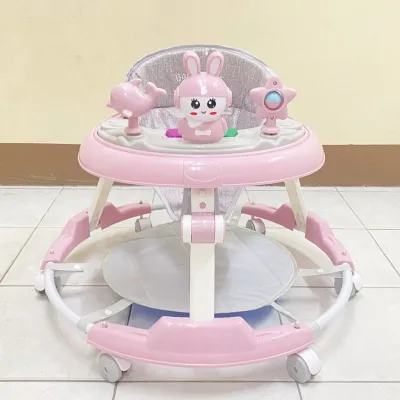
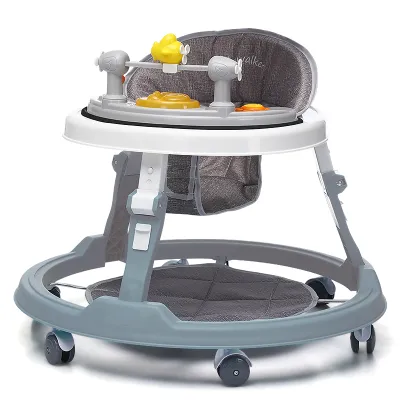
It is also crucial to distinguish between traditional sit-in walkers and modern push walkers. Most pediatricians and global safety organizations strongly discourage traditional sit-in walkers due to safety risks and potential developmental delays. Conversely, push walkers—which require your baby to stand behind and push the toy—are generally considered much safer and more supportive of natural motor skills, provided they are introduced at the right developmental moment.
Products mentioned in this guide
![[In Stock]Walk For Baby With Play Toys Adjustable Anti-Rollover Baby Walker Infant Walker Toys](https://img.lazcdn.com/g/p/7d8e1377689c635817c644900f811cb9.jpg_400x400q80.jpg_.webp)
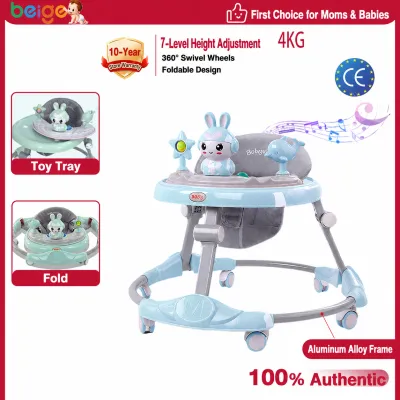
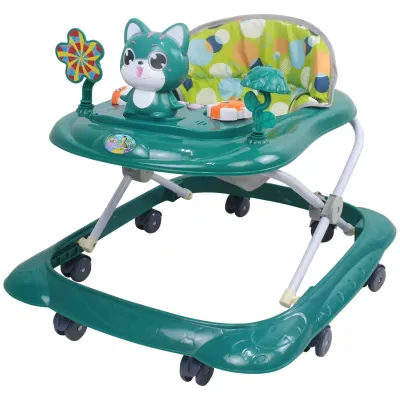
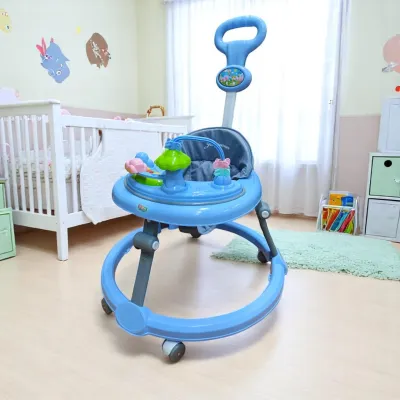
Prices are valid at publication and may change. Please refer to the product page for the latest price.
Sit-In vs. Push Walkers: What Parents Need to Know
To make a safe choice, you must first understand the structural differences between the two main types of walkers available on the market. Traditional sit-in walkers feature a suspended fabric seat inside a rigid plastic or metal frame equipped with wheels. The baby sits inside the frame with their feet touching the ground, allowing them to scoot around rapidly with minimal physical effort.

While sit-in models might seem like a convenient way to keep your baby entertained, pediatric associations worldwide advise against them. These devices allow babies to move at speeds of up to one meter per second, far faster than a caregiver can react. This rapid mobility frequently leads to serious accidents, including falling down stairs, tipping over on uneven thresholds, or colliding with furniture. Additionally, sit-in walkers elevate babies to a height where they can easily reach hazardous objects, such as hot coffee cups, electrical cords, or household chemicals.
In contrast, push walkers are active, upright toys designed for babies who are already learning to stand and balance. These toys feature a sturdy handle attached to a wheeled base, often decorated with interactive activity panels. Your baby must stand completely on their own feet, hold onto the handle, and push the toy forward to move.
Because push walkers require your baby to bear their own weight, engage their core, and coordinate their steps, they support natural muscle development. However, they are not entirely risk-free. A push walker can still roll too quickly on smooth floors or tip over if a baby leans too heavily on the handlebar, meaning active adult supervision is always required.
Developmental Signs Your Baby is Ready for a Push Walker
Instead of relying solely on the age recommendation on the packaging, you should look for specific physical and behavioral milestones that show your baby is ready to use a push walker.
Physical Milestones to Observe
The first and most critical physical milestone is the ability to sit up completely unassisted. Your baby should be able to sit upright on the floor for extended periods without leaning on their hands or slumping over. This ability demonstrates that their core, back, and neck muscles are strong enough to support their spine during upright movement.
Another key sign is the ability to pull themselves up to a standing position. If your baby regularly uses the bars of their crib, the edge of the sofa, or your hands to pull themselves up, they are building the necessary leg and hip strength. This action shows that their lower body is preparing to support their weight while moving.
Finally, observe how your baby bears weight on their legs. When you hold them upright, their feet should rest flat on the floor rather than resting solely on their tiptoes. They should also show enough balance and leg strength to take a few tentative, supported steps when you hold both of their hands.
Behavioral and Motor Cues
Cruising is one of the clearest behavioral cues that your baby is ready for a push walker. If your baby is shuffling sideways along the edges of the sofa or coffee table while holding on with one or both hands, they are actively practicing lateral balance and weight shifting.
Your baby should also display a strong cognitive drive to explore their environment. When they see a favorite toy across the room, they should actively try to reach it, whether by crawling, rolling, or scooting. This exploratory drive indicates they will understand how to use a wheeled toy to navigate toward their goals.
Additionally, look for an understanding of cause and effect. If your baby enjoys rolling a toy car, pushing a ball, or pressing buttons to make a toy play music, they possess the cognitive readiness to understand that pushing the walker makes it move forward.
Safety Red Flags: When to Wait or Avoid Walkers
Even if your baby is within the 6 to 12-month age range, certain physical and environmental indicators suggest you should delay introducing a walker.
Physical Readiness Red Flags
If you place your baby near a push walker and they immediately slump forward, lean heavily to one side, or cannot hold the handlebar without their knees buckling, they lack the necessary core strength. Forcing a baby into an upright walking position before their muscles are ready can place unnatural strain on their developing joints and spine.
Persistent toe-walking is another significant red flag. If your baby only stands on their tiptoes when supported, using a walker can exacerbate this habit by tightening their calf muscles and Achilles tendons. This can lead to walking difficulties later on, so it is best to consult your pediatrician or a physical therapist if you notice this pattern.
Pay close attention to your baby’s emotional response and stamina. If they cry, show frustration, or collapse to the floor after only a few seconds of standing with a toy, the activity is physically overwhelming for them. Respect their limits and return to floor-based play to build their strength naturally.
Environmental and Usage Hazards
The physical layout of your home plays a massive role in walker safety. Smooth, highly polished tiled floors—which are very common in Philippine households—can cause the wheels of a push walker to slide forward too quickly, leading to sudden slips. Conversely, thick rugs, door thresholds, or sudden transitions between rooms can catch the wheels and cause the walker to tip over.
Using a walker also increases your baby’s reach, bringing new hazards into play. A baby standing behind a walker can suddenly reach the edges of dining tables, pull down tablecloths, grab hot mugs of tea or coffee, or touch low-mounted electrical outlets and standing fan cords. You must thoroughly babyproof your home before introducing any mobile toy.
The most dangerous hazard is the false sense of security that walkers can give caregivers. Parents sometimes assume that because a baby is occupied and upright, they can step away to another room. However, wheeled toys move incredibly fast, and accidents can happen in a split second. No walker or safety feature can ever replace active, arms-length adult supervision.
Safer Alternatives for Active Play and Development
If your baby is not yet ready for a push walker, or if you prefer to avoid wheeled toys altogether, several highly beneficial alternatives can support their physical development.
Stationary activity centers, often called activity jumpers or play centers, are excellent options. These devices feature a suspended seat surrounded by a variety of interactive toys, allowing your baby to bounce, spin, and play without any wheels. Because the unit remains in one place, there is no risk of your baby rolling toward stairs, kitchens, or other hazardous areas. Remember to check the manufacturer’s documentation for specific weight and height limits to ensure a safe fit.
Unrestricted floor time remains the absolute gold standard for infant development. Allowing your baby to spend plenty of time on their tummy, rolling, crawling, and sitting on the floor is the most effective way to build their core, shoulder, and hip strength. Crawling, in particular, encourages bilateral coordination and brain development that cannot be replicated by standing in a walker.
If you want to introduce a push toy but are concerned about speed, look for weighted wooden carts or push toys that feature adjustable wheel resistance. Many high-quality wooden models are naturally heavier than plastic ones, preventing them from shooting forward on smooth tiled floors. Some even allow you to tighten the wheels to provide resistance, helping your baby maintain a slow, controlled pace as they build confidence.
Safety Checklist If You Decide to Buy a Walker
If you decide that your baby is developmentally ready and you want to purchase a push walker, keep this safety checklist in mind to choose the best model.
Speed Control and Wheel Resistance: Look for a push walker that features adjustable wheel tension or rubber friction strips. This allows you to tighten the wheels so the toy moves slowly, preventing it from rolling away from your baby on smooth tiled or wooden floors.
Wide, Stable Base: Choose a walker with a low center of gravity and a base that is significantly wider than the handlebar. This design ensures that the toy will not tip backward or sideways when your baby pulls themselves up using the handle.
Choking and Pinch Hazards: Inspect the interactive panels and moving parts carefully. Ensure all gears, beads, and buttons are securely attached with no small parts that could break off and pose a choking hazard. Check that folding mechanisms and joints do not have gaps that could pinch tiny fingers.
Compliance and Recalls: Always verify that the product complies with recognized international safety standards, which should be clearly marked on the packaging or manufacturer’s website. Before buying, do a quick search online to ensure the specific model has not been subject to any recent manufacturer recalls. Always read and follow the manufacturer’s product documentation regarding age, weight, and assembly instructions.
Frequently Asked Questions (FAQ)
Do baby walkers delay walking development?
Traditional sit-in walkers can indeed delay independent walking. Because they support the baby’s weight and allow them to glide across the floor with minimal effort, they bypass the natural muscle-strengthening process required for balance. They also encourage babies to walk on their tiptoes, which can tighten calf muscles and alter natural gait development.
In contrast, push walkers do not delay development when used correctly. Because your baby must actively stand, balance, and support their own weight, a push walker supports the natural walking process. However, they should only be introduced once your baby is already pulling themselves up to stand independently.
At what age should a baby stop using a push walker?
There is no strict age limit, but babies typically outgrow push walkers once they can walk confidently and independently across different surfaces without support. This transition usually occurs between 12 and 15 months of age.
Once your child has mastered independent walking and running, you can transition them to pull-along toys, small wagons, or ride-on toys. These toys offer new challenges for their balance, spatial awareness, and bilateral coordination as they continue to grow.
Community discussion
Share your experience or ask a question. Comments are reviewed before publication.