
Deciding whether to use baby powder on your little one requires a careful look at ingredients, application methods, and environmental factors. In the tropical heat of the Philippines, where high humidity often leads to sweat rashes and chafing, keeping a baby’s skin dry is a constant priority for parents. While White Dove is a familiar household brand in baby care, determining if its powder is safe for your infant depends on the specific formulation you purchase and how you apply it.
Pediatricians and global health organizations have raised significant cautions regarding traditional baby powders, primarily due to the risks associated with airborne particles. To make an informed decision, you must understand the difference between talc and cornstarch bases, recognize the physical risks of loose powders, and know how to verify the safety details on the product packaging. By taking a proactive approach, you can protect your baby’s delicate respiratory system while managing tropical moisture effectively.
Understanding the Ingredients: Talc vs. Cornstarch
To evaluate the safety of any baby powder, including White Dove, you must first look at its base ingredient. Historically, baby powders relied heavily on talc, a naturally occurring mineral composed of magnesium, silicon, and oxygen. Talc is highly effective at absorbing moisture and reducing friction, making it a popular choice for preventing diaper rash and heat rashes. However, talc particles are extremely fine and can easily become airborne during application, posing a risk of inhalation.
Products mentioned in this guide
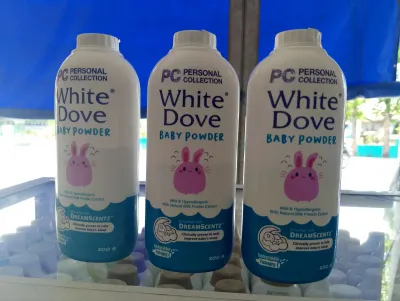
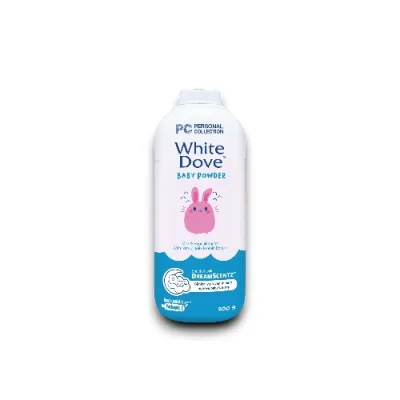

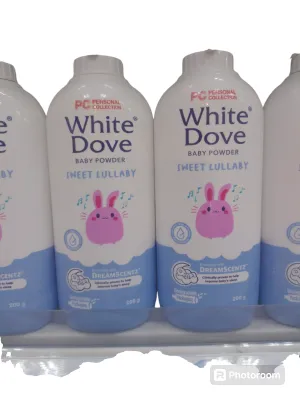
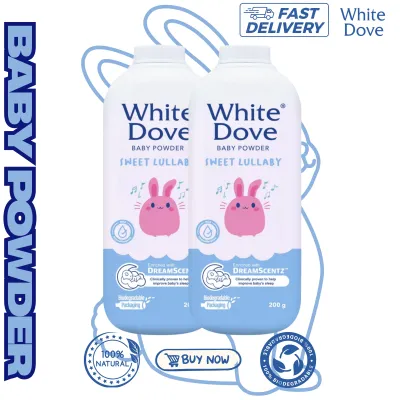

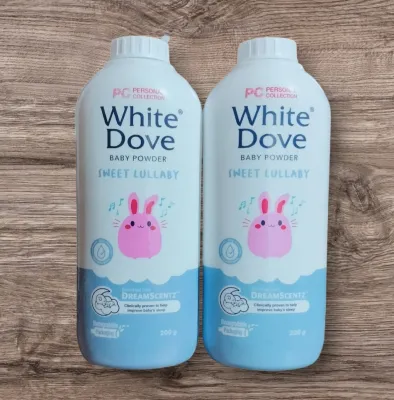
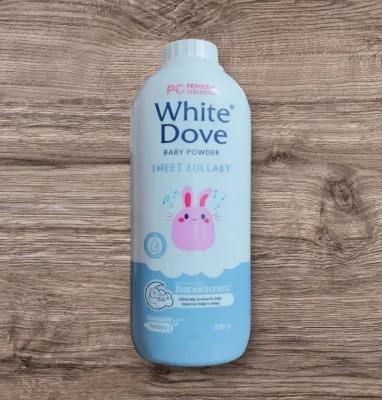
Prices are valid at publication and may change. Please refer to the product page for the latest price.
Many modern pediatric guidelines advise against using talc-based powders on infants. When a baby inhales these microscopic mineral particles, the dust can settle deep within their developing lungs, leading to respiratory irritation, chronic coughing, or more severe breathing difficulties. Because of these concerns, many manufacturers have transitioned their product lines to alternative ingredients, but parents must still verify the exact formulation of the specific bottle they hold.
Cornstarch-based powders have emerged as the primary alternative to talc. Derived from corn kernels, cornstarch consists of larger organic particles that do not float in the air as easily as talc, reducing the risk of accidental inhalation. Cornstarch is highly effective at absorbing sweat and keeping skin folds dry in warm climates. However, because cornstarch is an organic food source, it can encourage the growth of yeast or fungi if applied to an already active diaper rash or yeast infection.
To determine which base is used in your White Dove powder, you must carefully read the ingredient list on the back of the bottle. Look for terms like “talc” or “talcum” versus “zea mays starch” or “cornstarch.” Manufacturers often offer multiple product variations under the same brand name, meaning one specific bottle on the shelf might use a different formula than another. Always verify the label before purchasing rather than relying on the brand name alone.
Potential Risks and Safety Considerations for Baby Powder
Regardless of the base ingredient, applying any loose powder to an infant carries inherent risks that caregivers must manage. The primary concern is the hazard of inhalation. When you shake a powder bottle, it creates an invisible cloud of fine dust around the baby’s breathing zone. Infants have small, highly sensitive airways that can easily become irritated by these airborne particles, potentially triggering sneezing, coughing, or wheezing.

In addition to respiratory risks, loose powders can sometimes aggravate skin conditions rather than soothe them. In hot, humid environments, sweat can mix with applied powder to form a thick, pasty residue within the baby’s skin folds. This trapped paste can block sweat glands, leading to increased friction, localized irritation, and redness. If your baby has sensitive skin or eczema, these deposits can worsen inflammation and cause discomfort.
Caregivers must monitor their baby’s skin closely for any adverse reactions after applying powder. If you notice persistent redness, dry patches, tiny bumps, or signs of itching in the areas where powder was applied, stop using the product immediately. These symptoms may indicate an allergic reaction to added fragrances or physical irritation from friction.
You should also stop using baby powder if your infant shows any signs of respiratory distress, such as persistent coughing, rapid breathing, or flaring nostrils during or after application. If these respiratory symptoms occur, seek immediate medical evaluation from a pediatrician. Managing moisture through alternative, non-airborne methods is always a safer path if your baby shows sensitivity to loose powders.
How to Apply Baby Powder Safely (If You Choose to Use It)
If you decide to use baby powder, adopting safe handling techniques is essential to minimize the risk of inhalation and skin irritation. Never shake the powder bottle directly onto your baby’s body, as this action immediately releases a cloud of fine particles into the air. Instead, step slightly away from your baby, shake a small amount of powder directly into your own hands, and gently pat it onto the baby’s skin.
When applying the powder, focus only on areas prone to moisture, such as the outer diaper area or thighs, while keeping it far away from the baby’s face, nose, and mouth. Avoid applying powder in enclosed spaces with poor ventilation, such as small bathrooms or unventilated changing areas, where airborne particles can linger in the air. Keep the bottle tightly closed when not in use to prevent accidental spills.
For parents looking to keep their baby dry without using loose powder, several effective alternatives exist. After bath time or diaper changes, gently pat the baby’s skin dry with a clean, soft cotton towel, ensuring all skin folds are completely free of moisture before dressing them. Using a thin layer of barrier cream or zinc oxide ointment can also protect the skin from moisture and friction without creating airborne hazards.
Safe storage is another critical aspect of baby powder safety. Store the container on a high shelf or inside a secure cabinet completely out of reach of infants and toddlers. Toddlers are naturally curious and may attempt to play with the bottle, which can lead to accidental spills, heavy inhalation, or ingestion. Treat baby powder with the same storage precautions you would use for household cleaning products or medications.
Checking Product Labels and Packaging Integrity
Before using any White Dove powder on your baby, take a few minutes to inspect the packaging and verify its safety specifications. Start by locating the full ingredient list, which is typically printed on the back label. Check for any added fragrances, preservatives, or potential allergens that might irritate sensitive skin. If the label is missing, torn, or illegible, do not use the product.
Next, examine the physical integrity of the container. Ensure the safety seal is completely intact and shows no signs of tampering or leakage before your first use. In humid tropical climates, moisture can seep into compromised packaging, causing the powder inside to clump, lose its effectiveness, or potentially harbor bacterial growth. If the container appears damaged or damp, it is best to discard it.
You should also locate the manufacturing date, batch number, and expiration date printed on the bottle. Using expired baby care products can increase the risk of skin irritation, as the ingredients or preservatives may degrade over time. Additionally, look for official registration or certification marks from local health authorities, such as the Food and Drug Administration of the Philippines, which indicate the product has met local regulatory standards. You can cross-reference these registration numbers on official government databases to confirm the product’s authenticity.
Frequently Asked Questions (FAQ)
Can I use White Dove powder on my baby's face or neck?
It is highly recommended to avoid applying baby powder to your baby’s face or neck. Because these areas are extremely close to the baby’s nose and mouth, the risk of inhaling the fine particles is exceptionally high. To manage moisture or drool rash around the neck and chin, gently pat the area dry with a soft, clean cloth, or apply a pediatrician-approved barrier cream or lightweight baby lotion instead of loose powder.
What should I do if my baby inhales baby powder?
If your baby accidentally inhales baby powder, immediately move them to an area with fresh, clean air. Monitor them closely for symptoms such as coughing, choking, rapid breathing, or blue-tinted lips. If your baby exhibits any of these signs of respiratory distress, or if they have had a significant exposure to a large cloud of powder, seek urgent medical attention or visit the nearest emergency room immediately.
Are liquid powders or creams a safer alternative to loose powder?
Yes, liquid powders and barrier creams are generally considered much safer alternatives because they eliminate the risk of inhalation. These products are applied as a cream or liquid and dry to a smooth, powder-like finish on the skin, keeping the area dry without releasing fine particles into the air. This format allows you to protect your baby’s skin folds from friction and moisture while keeping their airways completely safe.
Community discussion
Share your experience or ask a question. Comments are reviewed before publication.