
Vitamin D3 is essential for your baby’s bone development, calcium absorption, and immune system health, but the safety of a 600 IU (International Units) daily dose depends entirely on your baby’s age, feeding method, and specific health needs. While standard daily preventive guidelines for infants under 12 months typically recommend 400 IU, a 600 IU dose can be safe and necessary under specific medical recommendations. However, administering this amount without professional guidance carries risks of accidental over-supplementation.
Even in a sunny country like the Philippines, where sunlight is abundant, infants are kept out of direct sunlight to protect their delicate skin from harsh UV rays and heat stroke. This means many local babies still require Vitamin D supplementation, but parents must navigate the exact dosage carefully to ensure safety. Understanding how to read labels, recognize signs of excess intake, and administer drops correctly is vital for your baby’s well-being.
Understanding Vitamin D3 Dosage for Infants
To keep your baby safe, it is crucial to distinguish between standard preventive doses and prescribed therapeutic amounts. Preventive doses are standard baselines given to healthy infants to prevent rickets and support general growth. Prescribed doses are higher, targeted amounts designed to correct a documented deficiency or address specific medical concerns.
Products mentioned in this guide

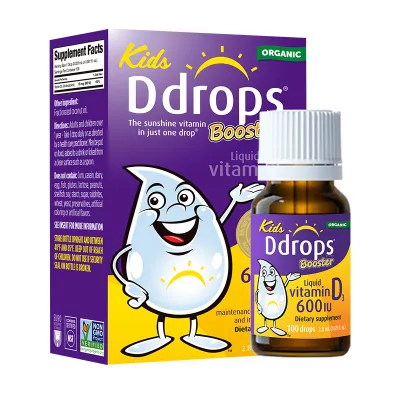
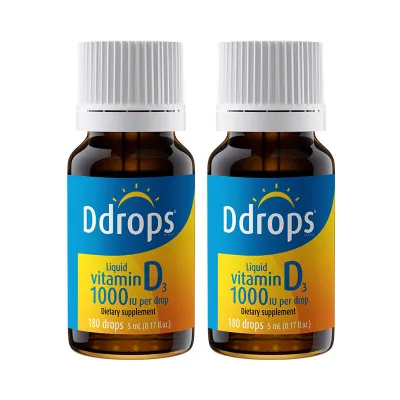
Prices are valid at publication and may change. Please refer to the product page for the latest price.
For babies over 12 months, 600 IU is often the standard daily recommendation. For infants under a year, 600 IU is generally considered a therapeutic or specialized dose rather than a routine starting point. If your pediatrician has recommended 600 IU for your infant, it is likely tailored to their specific growth rate, feeding habits, or blood test results.
Liquid vitamins come in highly varied concentrations. One brand might deliver 400 IU in a single drop, while another might require 1 mL to deliver the same amount. If you purchase a bottle marked “600 IU,” you must verify whether that strength is delivered per single drop, per 0.5 mL, or per full mL. Misreading these labels is one of the most common causes of infant dosing errors.
Always read the specific product documentation, packaging inserts, and manufacturer warnings before administering any supplement. These documents contain critical information regarding age suitability, weight ranges, and precise methods of use. Never assume that a product is safe for your baby simply because of its brand name or because it is marketed for infants.
Potential Risks and Signs of Vitamin D Overdose
Water-soluble vitamins, such as Vitamin C, are easily excreted in urine if consumed in excess. Fat-soluble vitamins, including Vitamin D, are stored in the body’s fat tissues and liver. This means excess amounts accumulate over time rather than washing out, which can lead to toxicity (hypercalcemia) if high doses are given consistently without medical need.

Because babies cannot speak, parents must watch for physical and behavioral cues. These include a sudden, unexplained loss of appetite, frequent or projectile vomiting, and an unusual, constant thirst. You might also notice your baby wetting their diapers much more frequently than usual or showing extreme, inconsolable irritability.
If you observe any of these signs or suspect your baby has received too much Vitamin D over a prolonged period, stop administering the supplement immediately. Contact your pediatrician or visit a local hospital clinic right away. Do not wait for symptoms to worsen.
Safe Administration Practices for Liquid Drops
Every reputable infant vitamin comes with a calibrated dropper or syringe designed specifically for that liquid’s viscosity and concentration. Never substitute a household teaspoon, kitchen measuring spoon, or a dropper from a different medicine bottle. Even a tiny deviation can double or triple the actual dose delivered to your baby.
Volume (measured in milliliters or mL) is not the same as potency (measured in International Units or IU). Ensure you understand exactly how much liquid corresponds to the recommended IU dose. If the pediatrician prescribes a specific IU amount, ask them to translate that directly into milliliters or drops based on the exact bottle you plan to buy.
In warm, humid environments like the Philippines, proper storage is critical to prevent the degradation of liquid vitamins. Keep the bottle in a cool, dry place away from direct sunlight, such as a closed pantry or cupboard, rather than on a sunny windowsill or near kitchen appliances that generate heat. Always check the expiration date before each use, and discard any product that has changed in color, odor, or consistency.
When to Consult a Pediatrician
Before introducing any dietary supplement to your baby’s routine, a conversation with a pediatrician is essential. This is especially critical for premature infants, babies born with a low birth weight, or those managing chronic health conditions, as their metabolic systems process nutrients differently.
If your baby is partially or fully formula-fed, they are already receiving Vitamin D through their daily feeds. Standard infant formulas are fortified with this nutrient. A pediatrician will help you calculate the total daily intake from all sources to ensure that adding a liquid supplement does not push your baby into an unsafe daily range.
If your baby experiences any adverse reactions—such as digestive upset, skin rashes, or changes in sleep patterns—after starting a supplement, pause the dosage immediately and consult your doctor. Never attempt to adjust the dose upward or downward on your own based on online advice or peer recommendations.
Frequently Asked Questions (FAQ)
Can I give my baby adult Vitamin D3 drops?
No, you should never give adult Vitamin D3 drops to an infant. Adult formulations are highly concentrated, often containing thousands of IU in a single drop. Administering even a single drop of an adult supplement to a baby can easily result in a severe, dangerous overdose. Always purchase products specifically labeled for infants, and verify the dosage with your pediatrician.
What should I do if I accidentally give my baby too much Vitamin D3?
If you accidentally administer a double dose or a larger-than-intended amount, remain calm but act promptly. Stop giving the supplement immediately. Keep the product packaging nearby so you can tell medical professionals the exact concentration and brand. Contact your pediatrician or a local poison control center for guidance. Do not attempt to induce vomiting, as this can cause choking or further harm to your baby.
Does breast milk or formula provide enough Vitamin D?
Breast milk is the gold standard for infant nutrition, but it naturally contains very low levels of Vitamin D. Because of this, exclusively breastfed infants typically require a daily supplement starting shortly after birth. Conversely, standard infant formulas are fortified with Vitamin D. If your baby consumes a significant volume of formula daily, they may already meet their nutritional requirements without needing additional drops. A pediatrician can evaluate your baby’s daily feeding volume to determine if supplementation is necessary.
Community discussion
Share your experience or ask a question. Comments are reviewed before publication.