
Determining whether a specific diaper rash cream like Unilove is safe for your newborn requires a close look at the ingredient list and an understanding of your baby’s developing skin. Newborn skin is incredibly delicate, making it highly susceptible to irritation from moisture, friction, and harsh chemicals. While many commercial baby products are formulated with mildness in mind, parents must remain vigilant by verifying packaging claims, checking for common allergens, and understanding how active ingredients interact with sensitive skin.
Understanding Newborn Skin and Diaper Rash Cream Safety
Newborn skin is fundamentally different from adult skin, characterized by a much thinner stratum corneum and a less developed epidermal barrier. This structural fragility means that an infant’s skin loses moisture rapidly and absorbs topical substances much more quickly and deeply than older children or adults. In tropical environments like the Philippines, where high heat and humidity are constant, the skin under a diaper is frequently exposed to a warm, damp microclimate. This environment accelerates the breakdown of the skin barrier when it comes into contact with the enzymes present in urine and stool.
To protect this vulnerable area, diaper rash creams generally fall into two categories: barrier creams and treatment creams. Barrier creams are designed for daily or frequent use to create a physical shield over the skin, preventing moisture and waste matter from making direct contact with the epidermis. Treatment creams, on the other hand, often contain active therapeutic agents or mild anti-inflammatory ingredients meant to soothe and repair skin that is already red, inflamed, or broken. Understanding this distinction helps parents choose the right product type and avoid overusing active treatments when a simple protective barrier is all that is required.
Products mentioned in this guide
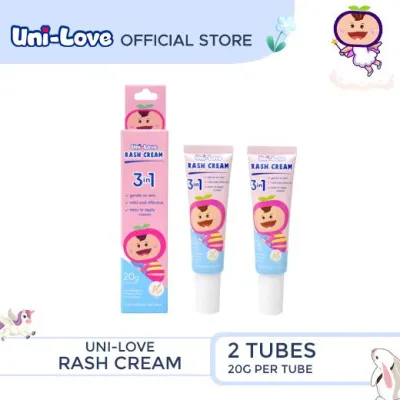
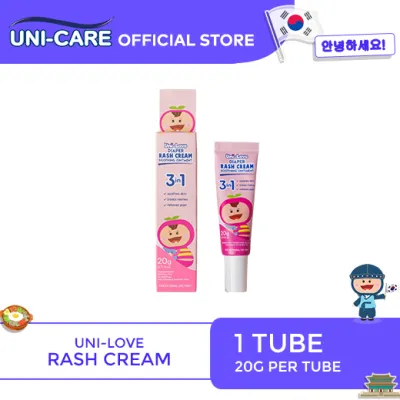
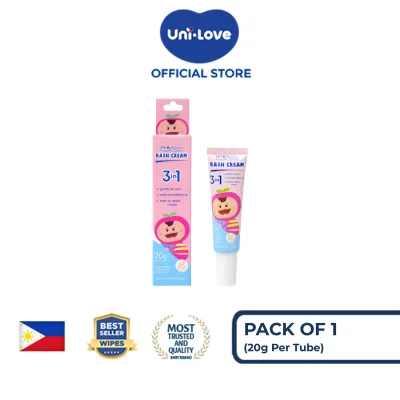
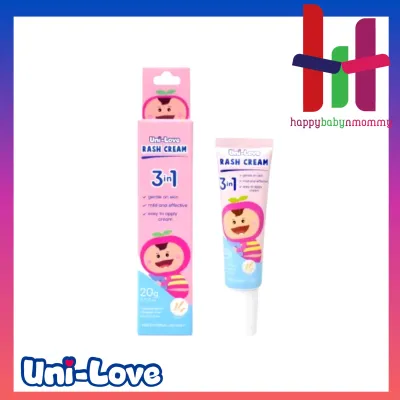
Prices are valid at publication and may change. Please refer to the product page for the latest price.
Because of the high absorption rate of infant skin, ingredient transparency is paramount. Manufacturers of baby skincare products should provide clear, accessible ingredient lists so that parents can make informed decisions. When evaluating any product for a newborn, verifying that the formulation is specifically designed for infants and free from unnecessary additives is the first step in ensuring daily safety and comfort.
Key Ingredients to Look for in Baby Rash Creams
When examining the label of a diaper rash cream like Unilove, parents should look for proven, gentle ingredients that actively support skin barrier function. Zinc oxide is widely considered the gold standard for diaper rash protection due to its excellent occlusive properties. It forms a thick, physical barrier on the skin surface that repels moisture while simultaneously providing mild soothing benefits to irritated tissues.

Another common and highly effective barrier agent is petrolatum, or petroleum jelly. Petrolatum works by sealing in the skin’s natural moisture and preventing external irritants from penetrating the epidermal layers. When combined with mineral or plant-derived emollients, these barrier agents keep the diaper area insulated from the harsh acidic environment of wet diapers.
In addition to physical barriers, high-quality rash creams often incorporate humectants and skin-conditioning agents like glycerin. Glycerin works by drawing moisture from the air into the outer layers of the skin, helping to maintain hydration even under occlusive barriers. Mild natural oils, such as sunflower seed oil or coconut oil, may also be included to nourish the skin barrier, provided they are highly refined and free from synthetic fragrances.
To verify these beneficial components on Unilove rash cream, parents should locate the ingredients section on the back of the tube or the outer cardboard packaging. Ingredients are typically listed in descending order of concentration, meaning the first few items on the list make up the bulk of the product. Ensuring that safe, protective barrier agents and gentle moisturizers sit near the top of this list is a reliable indicator of a supportive formulation.
Potential Irritants to Avoid on Sensitive Skin
While many ingredients actively protect newborn skin, others can trigger contact dermatitis, allergic reactions, or systemic absorption issues. Artificial fragrances are among the most common culprits behind skin sensitization in infants. Even products labeled as hypoallergenic can sometimes contain masking fragrances or botanical extracts that emit a scent, so parents must carefully scan the ingredient list for terms like parfum, fragrance, or specific aromatic compounds.
Preservatives are necessary in water-based creams to prevent bacterial and fungal growth, but certain types should be avoided on newborns. Parabens (such as methylparaben or propylparaben) and formaldehyde-releasing preservatives are highly discouraged due to concerns over skin irritation and potential endocrine disruption. Instead, look for products that utilize safer, food-grade preservation systems or those packaged in airless pumps that minimize contamination risks.
Harsh alcohols, such as denatured alcohol or isopropyl alcohol, can severely dry out a newborn’s skin and compromise the natural lipid barrier. While fatty alcohols like cetearyl alcohol or cetyl alcohol are generally safe and act as beneficial emulsifiers, drying alcohols should be completely avoided. Additionally, strong botanical extracts and essential oils—such as tea tree oil, lavender oil, or eucalyptus—can be highly sensitizing to a newborn’s immature immune system and should not be applied to the diaper area.
To safeguard your baby, establish a routine of cross-referencing any diaper cream’s ingredient list against a trusted pediatric database or consulting your pediatrician. If a product contains a long list of complex chemical names that are difficult to identify, it is often safer to opt for a simpler, minimalist formulation with fewer ingredients, reducing the statistical likelihood of an adverse skin reaction.
How to Evaluate Unilove Rash Cream Before Use
Before applying Unilove rash cream to your newborn, a systematic evaluation of the physical product is essential to ensure safety and efficacy. Begin by carefully reading the entire physical packaging, looking for explicit age recommendations, usage instructions, and manufacturer warnings. Some creams are formulated specifically for older infants or toddlers and may contain concentrations of active ingredients that are too robust for a newborn’s ultra-thin skin.
Next, inspect the physical integrity of the packaging and the product itself. Check the crimp of the tube or the bottom of the box for a clearly printed expiration date and batch number; expired creams can separate, lose their barrier effectiveness, or harbor harmful microbial growth. Ensure the safety seal is completely intact upon purchase, as any signs of tampering or leakage mean the product should be discarded immediately.
Once the packaging and ingredients pass inspection, performing a localized patch test is the most reliable way to rule out individual sensitivities. Clean a small, discreet area of your baby’s skin, such as the inner forearm or the upper thigh, with warm water and pat it completely dry. Apply a tiny, pea-sized amount of the Unilove rash cream to this spot and leave it undisturbed for twenty-four hours, monitoring the area closely.
During and after this twenty-four-hour period, observe the test site for any signs of localized irritation, such as redness, swelling, tiny raised bumps, or dryness. If the skin remains clear and healthy, the cream is generally safe to integrate into your baby’s diapering routine. If any reaction occurs, wash the area gently with mild soap and water, discontinue use of the product immediately, and consult your pediatrician for alternative recommendations.
Safe Application and When to Stop Using the Cream
Applying diaper rash cream correctly is just as important as choosing the right ingredients, especially in warm, tropical climates where moisture retention is a constant challenge. Always begin by thoroughly washing your hands with soap and water to avoid introducing new bacteria to the diaper area. Gently clean your baby’s skin using a soft, damp cloth or alcohol-free, fragrance-free baby wipes, taking care to wipe from front to back.
Before applying any cream, ensure the skin is completely dry; trapping residual moisture beneath a heavy barrier cream can actually worsen or trigger diaper rash. In the Philippines, allowing your baby a few minutes of diaper-free air time during the day can be incredibly beneficial for keeping the skin dry and healthy. Once the skin is dry, apply a thin, even layer of the cream over the vulnerable areas, using a gentle patting motion rather than rubbing, which can cause friction and irritate sensitive skin.
While barrier creams are highly effective at managing mild irritation, parents must know when to stop application and seek professional medical advice. Discontinue use of the cream immediately if you notice the rash worsening, spreading beyond the diaper area, or showing signs of a secondary infection. Red flags that require an immediate pediatric consultation include the appearance of bright red satellite pustules, blistering, peeling, oozing fluid, or if your baby develops a fever or seems unusually fussy during diaper changes.
Frequently Asked Questions (FAQ)
Can I use rash cream preventatively on a newborn?
Yes, you can use mild barrier creams preventatively, especially during times when your newborn is more prone to irritation, such as during prolonged sleep periods or when experiencing frequent bowel movements. However, daily preventative use should be balanced with regular diaper-free time to allow the skin to breathe naturally. If your baby’s skin is healthy and clear, maintaining a frequent diaper-changing schedule and ensuring the area is completely dry before fastening a clean diaper is often sufficient without needing a thick layer of cream at every single change.
What should I do if my baby accidentally ingests a small amount of rash cream?
If your baby accidentally ingests a small amount of diaper rash cream, remain calm and immediately wipe any remaining cream from their mouth and lips with a clean, damp cloth. Offer your baby a small sip of water or breastmilk to help rinse the taste from their mouth and dilute any swallowed product. Because many diaper creams contain zinc oxide or petrolatum, mild stomach upset or loose stools may occur, but these are typically not life-threatening in tiny quantities. You should immediately contact a local poison control center or your pediatrician for guidance, and seek emergency medical care if your baby exhibits vomiting, coughing, difficulty breathing, or unusual lethargy.
How long should I wait to see improvement before trying a different product?
With consistent application of a suitable barrier cream and frequent diaper changes, a mild diaper rash should begin to show noticeable improvement within two to three days. If you do not see any reduction in redness or irritation after seventy-two hours, or if the rash continues to spread and worsen despite proper care, stop using the product. A persistent rash may indicate a yeast infection or a specific ingredient allergy, both of which require a professional diagnosis and targeted treatment from a pediatrician rather than continued self-treatment with over-the-counter creams.

Community discussion
Share your experience or ask a question. Comments are reviewed before publication.