
Determining whether Unilove Jojoba Oil is safe for your newborn or a baby with sensitive, eczema-prone skin requires a careful look at the product’s specific formulation, your baby’s age, and their unique skin barrier. While pure jojoba oil is widely recognized for its gentle, skin-mimicking properties, commercial baby products often blend multiple ingredients to achieve a desired shelf life, texture, or scent. Because a newborn’s skin is up to thirty percent thinner than adult skin, it absorbs topical substances much more rapidly and is highly susceptible to irritation from added chemicals, synthetic fragrances, or harsh preservatives.
Before applying any new oil to your baby’s skin, it is essential to understand how to read the product label, perform a safe home patch test, and recognize the environmental factors that influence baby skincare. In tropical climates like the Philippines, high humidity and heat can interact with heavy topical oils, making proper application techniques and careful ingredient selection even more critical for maintaining healthy skin.
Understanding Jojoba Oil for Baby Skin
Jojoba oil is not actually a traditional oil, but rather a liquid wax ester extracted from the seeds of the Simmondsia chinensis plant. This distinction is highly relevant for baby skincare because liquid wax esters are chemically and structurally very similar to human sebum, the natural oil produced by our skin’s sebaceous glands. Because of this molecular similarity, pure jojoba oil can easily integrate with the skin’s natural lipid barrier, helping to seal in moisture without completely blocking pores or disrupting the skin’s natural respiration process.
Products mentioned in this guide
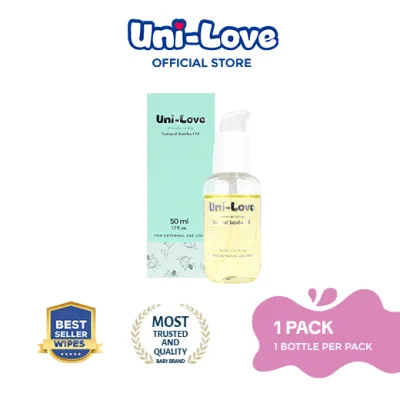
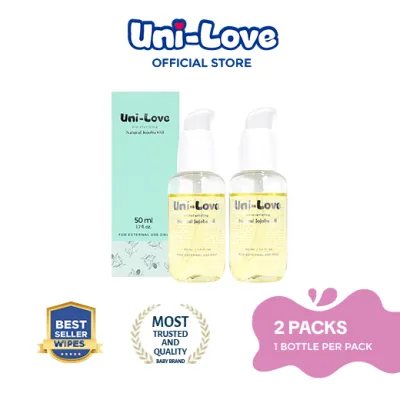
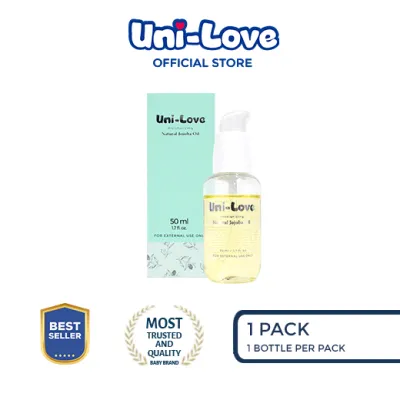
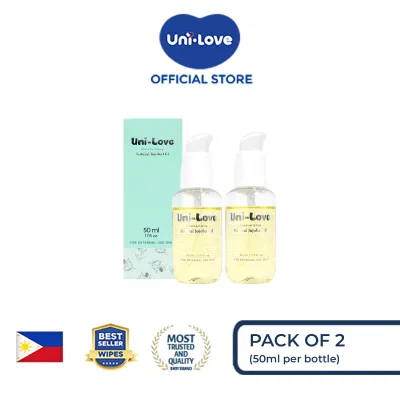
Prices are valid at publication and may change. Please refer to the product page for the latest price.
Many parents prefer plant-based oils like jojoba oil over traditional mineral oils for daily infant care. While cosmetic-grade mineral oil is highly stable and rarely causes allergic reactions, plant-based oils are often favored by those seeking minimally processed, biodegradable alternatives. Jojoba oil is particularly valued for its stability; unlike some other plant oils, it does not oxidize or go rancid quickly, which reduces the need for heavy synthetic preservatives in the bottle.
However, there is a critical difference between using 100% pure, cold-pressed organic jojoba oil and using a commercial baby oil blend like Unilove Jojoba Oil. Commercial formulations are designed for specific consumer experiences, which means they may combine jojoba oil with other carrier oils, emollients, fragrances, or stabilizers. While these additions can improve the product’s shelf life or make it easier to spread, they also introduce new variables that could potentially trigger a reaction in sensitive or compromised baby skin.
How to Check Unilove Jojoba Oil Ingredients and Labels
To determine if a specific bottle of Unilove Jojoba Oil is appropriate for your baby, you must carefully examine the ingredient list printed on the back of the packaging. Ingredients are always listed in descending order of concentration, meaning the first few ingredients make up the vast majority of the product. Look closely to see if jojoba oil is the primary ingredient or if it is blended with other oils, such as mineral oil, sunflower seed oil, or sweet almond oil, which may have different absorption rates and safety profiles.

When evaluating the label for a newborn or a baby with eczema, the presence of added fragrances is the most critical factor to check. Synthetic fragrances and even natural essential oils (such as lavender, citrus, or tea tree oil) are among the most common triggers for contact dermatitis and eczema flare-ups in infants. If the ingredient list contains terms like “fragrance,” “parfum,” or specific essential oil names, parents of babies with highly sensitive skin should exercise extreme caution or choose a completely fragrance-free alternative.
Next, look for explicit age recommendations or suitability markings on the packaging, such as “suitable from birth,” “0+ months,” or “pediatrician approved.” While these labels indicate that the manufacturer has formulated the product with infants in mind, they do not serve as a universal guarantee of safety. Similarly, terms like “hypoallergenic” or “dermatologically tested” mean the product has undergone testing to minimize allergic potential, but they cannot account for every individual baby’s unique skin sensitivities or allergies.
Finally, check the packaging for safety certifications, expiration dates, and batch numbers. In warm, humid environments, skincare products can degrade more quickly if they are not properly preserved or stored. Ensuring the product is well within its shelf life and has been stored in a cool, dry place away from direct sunlight is a basic but essential step in protecting your baby’s delicate skin barrier.
Safety Precautions for Newborns and Eczema-Prone Skin
Before introducing Unilove Jojoba Oil or any new topical product into your baby’s daily routine, performing a standardized patch test is highly recommended. To do this, apply a single, tiny drop of the oil to a small, clean area of your baby’s skin where they cannot easily rub or lick it off, such as the inner forearm or the side of the upper arm. Leave the oil on the skin and monitor the area closely over a period of 24 to 48 hours, looking for any signs of redness, swelling, tiny bumps, or dryness. If any reaction occurs, wash the area gently with lukewarm water and do not use the product again.
If your baby has eczema, you must follow strict application boundaries to avoid worsening the condition. Never apply baby oil, including jojoba oil, directly onto broken, weeping, bleeding, or severely inflamed skin patches. Eczema compromises the skin’s protective barrier, making it highly vulnerable to external irritants and bacterial infections. Applying oil over open or raw skin can trap bacteria, heat, and moisture, potentially leading to painful secondary infections that require medical treatment.
Proper hygiene and dispensing practices are also vital to prevent contaminating the product. Always wash your hands thoroughly with soap and water before handling the oil bottle or applying it to your baby. If the bottle uses a dropper or a pump, avoid touching the tip directly to your baby’s skin or your own hands, as this can introduce bacteria into the container. Store the bottle tightly closed in a cool, dark cupboard, especially in tropical climates where high indoor temperatures can accelerate the breakdown of natural oils.
Additionally, consider the environmental conditions of your home when applying baby oil. In hot and humid weather, applying a thick layer of oil can clog sweat ducts, leading to heat rash (miliaria). To prevent this, use only a very small amount of oil, warm it between your palms first, and apply it in a thin, even layer. Applying the oil immediately after a bath while the skin is still slightly damp can also help lock in moisture more effectively without requiring a heavy, greasy application.
When to Stop Use and Consult a Pediatrician
As a caregiver, you must remain vigilant for any signs that a skincare product is not agreeing with your baby’s skin. Discontinue the use of Unilove Jojoba Oil immediately if you observe any visible signs of an adverse reaction. These signs include new or worsening redness, hives, raised red bumps, dry or scaly patches, swelling, or if your baby becomes unusually fussy and scratches at the application site, indicating itching or discomfort.
If a mild reaction occurs, the first step is to gently remove the oil from the skin. Use lukewarm water and a very mild, fragrance-free baby cleanser to wash the area, then gently pat it dry with a clean, soft towel. Avoid applying any other new creams, lotions, or home remedies to the irritated area, as this can further complicate the reaction and make it difficult to identify the true cause of the irritation.
While mild redness may resolve on its own once the product is discontinued, certain situations require immediate professional medical attention. You should consult a pediatrician or a pediatric dermatologist if the skin reaction spreads beyond the application site, if your baby develops a fever, or if the skin shows signs of infection, such as oozing yellow fluid, crusting, extreme warmth, or swelling. Furthermore, if your baby suffers from moderate to severe eczema, you should always seek a personalized treatment plan from a healthcare professional before attempting to manage the condition with over-the-counter oils or cosmetic products.
Frequently Asked Questions (FAQ)
Can I use Unilove Jojoba Oil for baby massage?
Yes, provided you have verified the ingredient list and performed a successful patch test first. Jojoba oil is often favored for infant massage because of its smooth slip and moderate absorption rate, which allows for gentle, friction-free strokes without leaving an excessively heavy residue. Always ensure your baby’s skin is completely intact, free of rashes or open scratches, and that you are using a very small amount of oil. If the manufacturer’s label indicates the product is intended for massage and is free of irritating fragrances, it can be a soothing addition to your baby’s bedtime or post-bath routine under close caregiver supervision.
Is jojoba oil better than coconut oil for baby eczema?
Neither oil can be declared a universal winner, as the effectiveness of any natural oil depends entirely on your baby’s individual skin tolerance. Jojoba oil is a liquid wax ester that closely mimics natural sebum and is generally non-comedogenic, making it highly compatible with the skin barrier. Virgin coconut oil is also popular for its emollient properties, but its heavier texture can sometimes clog pores or trigger sensitivity in certain skin types. Because eczema-prone skin is highly unpredictable, it is best to consult a pediatrician to determine which oil, if any, is suitable for your baby’s specific skin condition.
Community discussion
Share your experience or ask a question. Comments are reviewed before publication.