
Protecting your baby from mosquito bites is a top priority for parents, especially during humid rainy seasons when dengue risks rise. While looking for reliable protection, many parents consider Unilove bug repellent products as a potential shield for their little ones. However, determining whether these products are safe for your baby requires a close look at their specific formulations, age recommendations, and proper application methods.
Baby skin is significantly thinner and more permeable than adult skin, making infants highly sensitive to topical applications. Because of this vulnerability, no single repellent product can be declared universally safe for all infants without context. Parents must evaluate the active ingredients, verify the manufacturer’s age guidelines, and practice strict application safety to protect their children from both insect-borne diseases and potential chemical irritation.
Checking Unilove Bug Repellent Ingredients for Baby Safety
When choosing any insect repellent for your child, the first step is to turn the bottle over and carefully read the active ingredients list. Unilove offers different product variations, and their safety profiles depend entirely on what active substances they contain and at what concentrations. Common active ingredients in baby-safe repellents typically include synthetic compounds like Picaridin, IR3535, low concentrations of DEET, or natural plant-based essential oils such as citronella, eucalyptus, and lemongrass.
Products mentioned in this guide
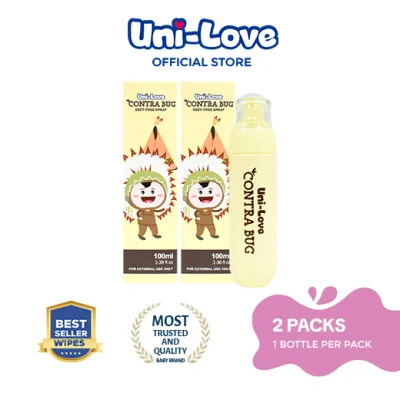
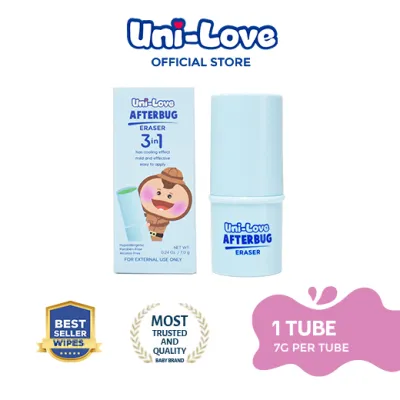
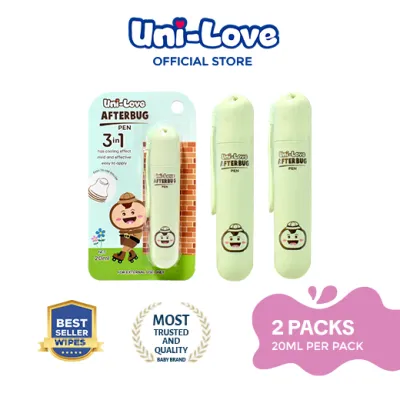
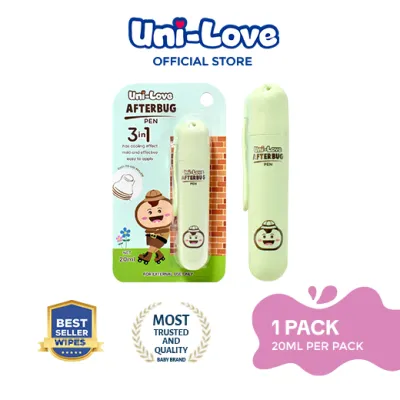
Prices are valid at publication and may change. Please refer to the product page for the latest price.
Pediatric guidelines from global health organizations offer clear boundaries for these ingredients. For instance, DEET is highly effective but generally restricted to concentrations below 10% to 30% for older babies, and it is widely recommended to avoid DEET entirely on infants under two months of age. Picaridin is often favored by modern pediatricians because it provides long-lasting protection with a lower risk of skin irritation and minimal systemic absorption. If the Unilove product you are holding utilizes Picaridin, verify the percentage on the label to ensure it aligns with pediatric recommendations for your child’s specific age group.
Alternatively, many parents gravitate toward plant-based formulations, assuming natural ingredients are inherently safer. While essential oils like citronella can repel insects, they also carry risks of skin sensitization and allergic reactions. It is important to note that oil of lemon eucalyptus (OLE) or PMD (its synthetic equivalent) should not be used on children under three years old due to a lack of safety data for younger age groups. Always check if the plant-based Unilove repellent contains these specific oils before applying them to toddlers or infants.
Furthermore, parents must exercise extreme caution with products that feature undisclosed proprietary blends or vague “all-natural” claims without listing exact ingredients. A lack of transparency makes it impossible to assess potential allergens or chemical hazards. If a product label does not clearly state its active ingredients and their respective concentrations, it is best to avoid applying it to your baby’s skin. Always prioritize brands that provide clear, detailed ingredient disclosures and clear safety certifications on their packaging.
Age Limits and Safe Application Rules for Infants
Before applying any Unilove bug repellent, you must locate and verify the manufacturer’s minimum age requirement printed on the packaging. Bug repellents are formulated with specific age-appropriate concentrations, and applying a product meant for older children or adults to an infant can lead to toxic exposure. If the packaging does not explicitly state that it is safe for your baby’s specific age range, do not use it; instead, consult your pediatrician for an alternative recommendation.

Once you have confirmed that the product is age-appropriate, the method of application is just as critical as the ingredients themselves. Never spray or apply repellent directly onto a baby’s face or body. Instead, dispense a small amount of the product onto your own hands first, rub them together, and then gently pat or rub the repellent onto the baby’s exposed skin. This controlled method prevents accidental inhalation of sprays and keeps the product away from sensitive areas.
When applying the repellent, completely avoid the baby’s hands, eyes, mouth, and any areas with cuts, scrapes, or irritated skin. Babies frequently put their hands and fingers into their mouths and eyes, which can lead to accidental ingestion or severe eye irritation if those areas are treated with repellent. Focus your application strictly on exposed areas of the arms and legs, leaving the face and hands completely untreated.
Additionally, never apply insect repellent underneath your baby’s clothing. Repellents are designed to evaporate slowly off the skin to create a protective barrier; covering treated skin with clothing traps the chemicals against the skin, increasing the rate of absorption and the risk of localized irritation or systemic toxicity. Keep the application light, even, and limited only to the skin that is directly exposed to the open air.
Recognizing Side Effects and When to Stop Use
Even when using a product formulated specifically for babies, there is always a possibility of an adverse reaction. Infant skin is highly reactive, and parents must remain vigilant for any signs of localized irritation or systemic distress after application. The most common observable signs of a topical reaction include localized redness, dry patches, raised bumps, hives, or swelling at the application site.
If you notice any of these skin changes, or if your baby begins coughing, sneezing, or showing signs of respiratory discomfort after you apply a spray repellent, you must act immediately. Take the baby to a well-ventilated area and wash the treated skin thoroughly with mild baby soap and lukewarm water to remove all traces of the product. Remove any clothing that may have come into contact with the repellent to prevent ongoing exposure, and dress the baby in clean, untreated garments.
Monitor your baby closely after washing the product off. If the redness or rash does not subside within a few hours, or if it appears to cause your baby discomfort or itching, contact your pediatrician for guidance. You must seek immediate emergency medical attention if your baby exhibits severe symptoms, such as swelling of the face, lips, or tongue, difficulty breathing, persistent vomiting, or extreme lethargy. Never attempt to reapply the product if your baby has shown even a mild sensitivity to it in the past.
Building a Complete Mosquito Protection Plan
Relying solely on chemical or topical repellents is not the most effective way to protect your baby from mosquitoes. A holistic approach that combines safe topical products with physical barriers and environmental controls provides the highest level of defense while minimizing your baby’s exposure to active chemical ingredients. This multi-layered strategy is especially vital in tropical regions where mosquito populations thrive in warm, humid conditions.
Physical barriers are your first and safest line of defense, particularly for very young infants. Equip your baby’s crib, stroller, bassinet, and outdoor playpen with fine-mesh mosquito netting. Ensure the netting is securely draped and does not sag into the sleeping area, creating a safe, insect-free microenvironment without the need for any chemical applications. This simple step is highly effective for outdoor walks or nap times in rooms without window screens.
Next, address the environment around your home to reduce mosquito breeding grounds. Regularly inspect your living spaces and yard for any standing water, which can accumulate in plant saucers, empty buckets, pet bowls, or clogged gutters. Emptying these water sources weekly disrupts the mosquito life cycle and significantly lowers the local pest population without spending thousands of ₱ on complex electronic traps. Additionally, ensure that all window and door screens in your home are intact and free of tears to keep mosquitoes from entering your living areas.
Finally, consider how you dress your baby when heading outdoors. Dress your infant in light-colored, loose-fitting clothing that covers as much skin as possible, such as long-sleeved onesies and lightweight pants. Mosquitoes are naturally attracted to dark colors and can easily bite through tight clothing, so loose garments provide an extra layer of physical space between the insect and your baby’s skin. By combining protective clothing, netting, environmental maintenance, and the targeted use of age-appropriate repellents, you can keep your baby safe and comfortable throughout the year.
Frequently Asked Questions (FAQ)
Can I use Unilove bug repellent on a newborn?
Newborns under two months of age have extremely delicate, highly permeable skin and developing metabolic systems that cannot safely process most active repellent ingredients. Because of these physiological vulnerabilities, pediatric guidelines strongly advise against using any chemical or synthetic insect repellents on newborns. Instead of topical products, protect your newborn by using physical barriers, such as fitting their stroller or carrier with a fine-mesh mosquito net, and dressing them in lightweight, protective clothing. Always check the specific Unilove product packaging for its minimum age rating, as most formulations are designed for older infants or toddlers.
How often should I reapply the repellent?
You must strictly follow the reapplication intervals specified by the manufacturer on the product label. Reapplying insect repellent more frequently than recommended does not provide stronger protection; instead, it dramatically increases the concentration of active ingredients on your baby’s skin, raising the risk of skin irritation, rashes, and systemic absorption. If your baby is sweating heavily or gets wet, consult the product instructions to see if a safe reapplication is permitted, or transition the baby to a protected indoor area or a netted stroller to avoid over-applying the product.
What should I do if my baby swallows the repellent or gets it in their eyes?
If the repellent accidentally gets into your baby’s eyes, immediately flush them gently with clean, lukewarm water for several minutes, keeping the eye open as much as possible. If your baby swallows any amount of the repellent, do not induce vomiting, as this can cause further harm or chemical inhalation. Instead, immediately contact a local poison control center or seek emergency medical care at the nearest hospital. Be sure to bring the exact Unilove product packaging with you so the medical professionals can identify the active ingredients and provide the correct treatment.
Community discussion
Share your experience or ask a question. Comments are reviewed before publication.