
Quick Answer: Is Unilove Bottle Cleanser Safe for Newborn Items?
Determining the safety of the unilove cleansing bottle for newborns requires verifying the specific product label for food-grade, plant-based, or baby-safe claims. While mild, plant-derived surfactants are generally preferred for infant items, parents must read the exact ingredient list on their purchased bottle to confirm the absence of harsh chemicals.
Safety also heavily depends on user execution. Thorough rinsing is mandatory to prevent any soap residue ingestion, regardless of how natural the formula claims to be. Newborns have highly sensitive, developing digestive systems and skin barriers, making them vulnerable to even minor chemical traces.
Before using any new cleaning agent on your baby’s feeding equipment, always inspect the packaging for manufacturer warnings, age suitability, and specific dilution instructions. If you notice any signs of irritation or if your baby shows discomfort during feeding, discontinue use immediately and consult a pediatrician.
Products mentioned in this guide
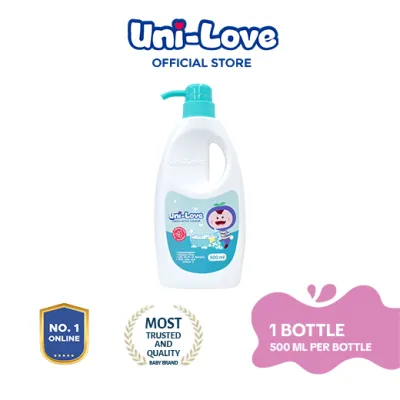
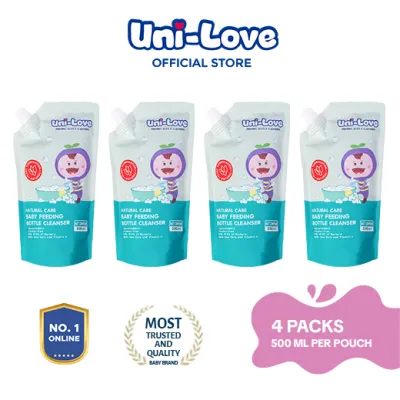
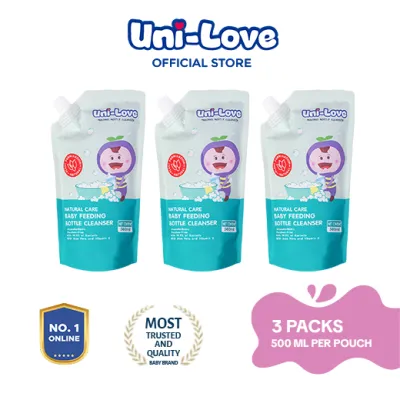
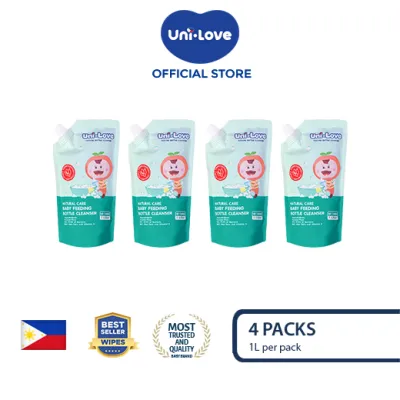
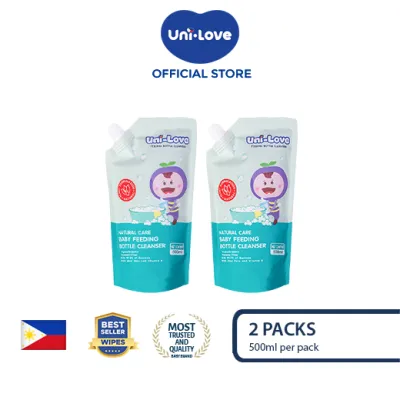
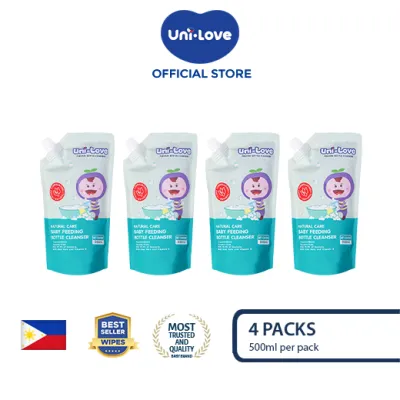
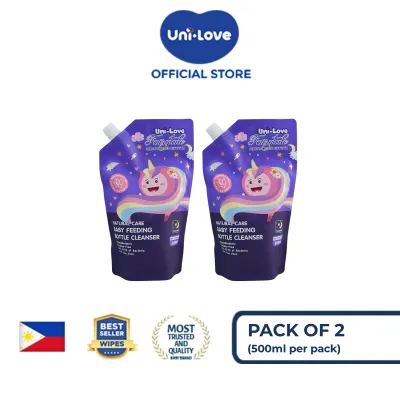
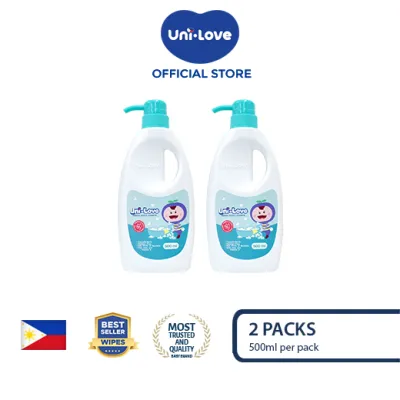
Prices are valid at publication and may change. Please refer to the product page for the latest price.
Essential Ingredients to Check on the Unilove Cleansing Bottle Label
When evaluating the safety of the unilove cleansing bottle, the ingredient list is your primary tool for verification. Manufacturers frequently update their formulas, so you must physically check the back of the bottle you purchase in the Philippines, whether from local supermarkets, pharmacies, or online marketplaces. Knowing what chemical classes to look for helps you make an informed decision.

Surfactants
Surfactants are the active cleaning agents that lift oils, milk fats, and proteins from the bottle surfaces. Traditional household dish soaps often rely on harsh synthetic surfactants like Sodium Lauryl Sulfate (SLS) or Sodium Laureth Sulfate (SLES). These chemicals are highly effective degreasers but can leave persistent residues that are difficult to rinse completely from silicone and plastic.
For newborn items, look for plant-derived or sugar-based surfactants on the label. Ingredients such as decyl glucoside, coco-glucoside, or cocamidopropyl betaine are derived from coconut or corn. These alternatives effectively break down breast milk and formula fats without leaving harsh chemical films on the bottle walls.
Fragrances and Dyes
Synthetic fragrances and artificial colorants serve no functional purpose in cleaning baby bottles and pose unnecessary risks. Artificial perfumes often contain phthalates, which are chemical stabilizers used to make scents last longer. These compounds can trigger respiratory sensitivities or skin irritation in newborns.
Verify that the cleanser label specifies “unscented,” “fragrance-free,” or uses only food-grade, natural flavoring agents in minimal amounts. Similarly, avoid products containing synthetic dyes, which are often listed as color codes like CI 19140 or CI 42090. Transparent or white formulas are generally safer choices for infant feeding accessories.
Preservatives
Because water-based cleansers are highly susceptible to bacterial and mold growth, they require preservatives to remain shelf-stable. However, some traditional preservatives are unsuitable for newborn items. Avoid products containing parabens (such as methylparaben or propylparaben) or formaldehyde-releasing agents like DMDM hydantoin.
Instead, look for food-grade or mild preservatives on the ingredient list. Common safe alternatives include sodium benzoate, potassium sorbate, and citric acid. These ingredients inhibit microbial growth effectively while maintaining a low toxicity profile when rinsed properly.
pH Balance
Newborn bottle cleansers should ideally have a neutral or slightly acidic pH, matching the natural balance of human skin and reducing the risk of chemical burns or severe irritation. A balanced pH of around 5.5 to 7.0 protects the parents’ hands from drying and cracking during frequent daily washes. It also ensures that any micro-traces of residue are less chemically aggressive to the baby’s oral mucosa.
Potential Risks and Safety Boundaries for Newborns
Using any commercial cleanser on newborn feeding equipment carries inherent safety boundaries that caregivers must manage. Because a newborn’s immune system and gut microbiome are still developing, exposure to improper cleaning agents or poorly rinsed bottles can lead to avoidable health complications.
Residue Ingestion
The primary risk associated with bottle cleansers is the accidental ingestion of soap residue. When milk bottles, silicone nipples, or breast pump parts are not rinsed thoroughly, a thin chemical film can remain. Over time, this residue can mix with warm milk or formula.
Ingesting even small amounts of surfactant residue can irritate the lining of a newborn’s stomach. This irritation often manifests as mild digestive upset, increased spitting up, or unexplained fussiness during or immediately after feeding. Ensuring a complete chemical clearance during the rinse phase is the most effective way to mitigate this risk.
Skin Sensitivities
Newborn skin is up to thirty percent thinner than adult skin, making it highly permeable and sensitive to topical irritants. If bottle cleansers contain harsh chemicals or synthetic fragrances, indirect contact can cause issues. For instance, residue left on the outer surface of a silicone nipple can transfer to the baby’s lips and cheeks during sucking.
This transfer can lead to contact dermatitis, characterized by redness, dry patches, or a fine red rash around the mouth. Additionally, caregivers who wash bottles multiple times a day are at risk of developing dry, cracked hands or eczema if the cleanser contains strong degreasing agents.
Allergic Reactions
While true allergic reactions to plant-based cleansers are rare, they are still possible. Newborns can exhibit sensitivities to specific botanical extracts or coconut-derived compounds. Caregivers should monitor their infants for subtle signs of an allergic response.
Watch for sudden oral irritation, swelling of the lips, or a refusal to feed that aligns with the introduction of a new bottle cleanser. If you observe these symptoms, or if your baby develops hives or persistent skin rashes, stop using the product immediately.
Stop-Use Conditions
Caregivers must establish clear boundaries for when to discontinue using a specific bottle cleanser. Stop using the product immediately if you notice any of the following conditions:
- A persistent, soapy film or cloudy residue on the bottles that does not disappear after multiple rinses.
- An unusual change in the cleanser's physical properties, such as separation of liquid, discoloration, or a sour odor, which indicates preservative failure.
- Any physical reaction in the infant, including redness around the mouth, unexplained feeding aversion, or digestive distress.
- Skin irritation, peeling, or severe dryness on the caregiver's hands.
For any persistent physical symptoms in your baby, do not attempt to self-diagnose. Seek immediate professional guidance from a qualified pediatrician.
Best Practices for Cleaning and Rinsing Newborn Bottles
To ensure your newborn’s bottles are physically clean and entirely free of chemical residues, you must establish a systematic, hygienic washing routine. Proper execution of these steps is just as important as choosing a safe cleanser.
Dilution and Application
Always read the manufacturer’s instructions on your cleanser packaging to determine the correct dilution ratio. Avoid applying concentrated cleanser directly onto dry bottle parts or brushes. Overusing the product does not result in cleaner bottles; instead, it creates excess foam that is incredibly difficult to rinse away completely.
Prepare a warm water bath in a dedicated wash basin rather than using the kitchen sink, which often harbors food pathogens. Add the recommended amount of cleanser to the water and mix it thoroughly to create a mild, soapy solution before submerging any feeding equipment.
Mechanical Cleaning
Milk fats and proteins are highly adhesive and tend to collect in hard-to-reach areas, such as the threads of the bottle neck, the inside of the silicone nipple, and anti-colic venting valves. Simple soaking is insufficient to remove these stubborn organic residues.
Use a dedicated, clean bottle brush with soft nylon or silicone bristles to physically scrub every interior surface. Use a smaller, specialized nipple brush to clean the delicate tip of the silicone nipple. Be gentle to avoid tearing the silicone, which can alter the milk flow rate and pose a choking hazard.
Thorough Rinsing
Once the physical debris is scrubbed away, you must rinse every component under clean, running, potable water. Do not rely on stagnant water in a basin for rinsing, as this simply redistributes the suspended soap and milk particles back onto the plastic.
Perform the “squeaky clean” test: rub your clean fingers against the wet surface of the bottle and nipple. If the surface feels slippery or slimy, soap residue is still present, and you must continue rinsing. A properly rinsed bottle will feel firm and produce a clean, squeaking sound when rubbed.
Drying and Storage
In the tropical, high-humidity climate of the Philippines, damp environments promote rapid bacterial and mold growth. Never dry baby bottles with standard kitchen dish towels, which frequently harbor bacteria from hands and food preparation.
Instead, place all washed components upside down on a dedicated, clean, and well-ventilated bottle drying rack. Position the rack away from raw food preparation areas and trash bins. Allow the parts to air-dry completely before reassembling or storing them in a closed, dust-free container.
Sterilization Reminder
It is critical to understand that washing with a bottle cleanser and sterilizing are two distinct, sequential steps. Cleansers are designed to remove physical milk fats, proteins, and surface dirt. They do not reliably kill all pathogenic viruses, bacteria, or fungal spores.
For newborns under three months of age, or infants with compromised immune systems, sterilization after washing remains a mandatory safety step. Once the bottles are clean and rinsed, sterilize them using boiling water, a electric steam sterilizer, or a UV sterilizer according to the manufacturer’s guidelines.
Evaluating Alternatives: When to Switch Baby Cleansers
Not every baby bottle cleanser is suitable for every household. You may find it necessary to evaluate alternative products based on performance observations, your baby’s unique health profile, or practical household considerations.
Ingredient Transparency
If you inspect your bottle cleanser and find that the label uses vague terminology—such as “natural cleaning agents,” “biodegradable surfactants,” or “proprietary protective formula” without listing the specific chemical names—it is advisable to switch. Complete ingredient transparency is essential for parents of newborns, as it allows you to cross-reference ingredients in the event of an allergic reaction or skin sensitivity.
Rinsability Issues
Pay close attention to how the cleanser behaves during the rinsing process. High-foaming formulas often require excessive amounts of water to flush away completely. If you find that a cleanser consistently leaves a faint, perfumed scent, a cloudy film, or a slippery texture on silicone nipples despite prolonged rinsing under running water, transition to a low-foam, high-rinse formula.
Cost vs. Value
In the Philippine market, dedicated baby bottle cleansers vary widely in price, typically ranging from ₱150 to ₱400 depending on the brand, volume, and packaging type (such as pump bottles versus eco-friendly refill pouches). While budget is a practical factor, do not sacrifice safety for a lower price point.
Compare the cost per wash by looking at the concentration and recommended dilution ratios. Often, a slightly more expensive, highly concentrated formula that requires only a few drops per wash offers better long-term value than a cheap, watery alternative that runs out quickly.
Professional Guidance
If your newborn has been diagnosed with severe skin conditions like atopic dermatitis (eczema), has known food allergies, or was born prematurely with a compromised immune system, standard commercial cleansers may not be appropriate. In these scenarios, bypass retail marketing claims and consult your pediatrician or a pediatric dermatologist. They can recommend specialized, hypoallergenic, or medical-grade cleaning protocols tailored specifically to your infant’s medical needs.
Frequently Asked Questions (FAQ)
Can I use regular dishwashing liquid for newborn bottles?
Regular dishwashing liquids are formulated to cut through heavy grease on adult cookware and often contain strong synthetic surfactants, artificial dyes, and highly concentrated perfumes. These chemicals can leave a stubborn residue on plastic and silicone baby bottles that is difficult to rinse away completely. While plain, unscented dish soap can be used in an emergency, dedicated baby cleansers are highly recommended for daily use because they are formulated for easier rinsing and carry a lower risk of chemical toxicity.
Do I still need to sterilize bottles after using Unilove cleanser?
Yes, sterilization remains a necessary step for newborn bottles, even if you use a high-quality baby bottle cleanser. Washing with a cleanser physically removes milk fats, proteins, and organic residues where bacteria can feed, but it does not eliminate all microscopic pathogens. For newborns with developing immune systems, you must follow up washing with a dedicated sterilization method—such as steam, boiling water, or UV light—to ensure the equipment is biologically safe.
What are the signs of soap residue in a baby bottle?
Soap residue on feeding equipment can be identified through visual, tactile, and olfactory cues. Visually, look for a cloudy appearance, white spots, or a faint rainbow film on the plastic or glass when dry. Tactilely, the interior of the bottle or the surface of the silicone nipple will feel slippery, slimy, or greasy to the touch when wet. Olfactorily, any lingering soapy, chemical, or artificial perfume scent after the bottle has dried completely indicates that the cleanser has not been fully rinsed away and requires immediate re-washing.
Community discussion
Share your experience or ask a question. Comments are reviewed before publication.