
Welcoming a newborn brings a flurry of decisions, especially regarding their delicate skin care. If you are considering Unilove baby oil for your little one, the short answer is that while many parents use it successfully, its safety for a newborn depends entirely on the specific formulation, your baby’s individual skin health, and proper application methods. Because a newborn’s skin is uniquely vulnerable, you must look beyond general marketing and carefully verify the product’s ingredients and age-suitability labels before your first application.
Understanding Newborn Skin Sensitivity and Oil Use
Newborn skin is a marvel of development, but it is highly fragile during the first few months of life. It is roughly 30% thinner than adult skin, meaning the outermost layer—the stratum corneum—is less compact and has a weaker barrier function. This thinness makes newborn skin highly permeable, allowing topical substances to be absorbed much more easily. It also means babies lose moisture rapidly through transepidermal water loss, leaving their skin prone to dryness, flaking, and environmental irritation.
In the context of infant skincare, baby oils are primarily used as occlusives. Unlike lotions or creams that introduce water-based hydration into the skin, an occlusive oil forms a physical barrier on top of the skin surface. This barrier traps existing moisture, preventing it from evaporating into the air. This makes baby oil highly effective for specific concerns like cradle cap or severe dry patches, but it also means the oil does not actually hydrate the skin on its own.
Products mentioned in this guide
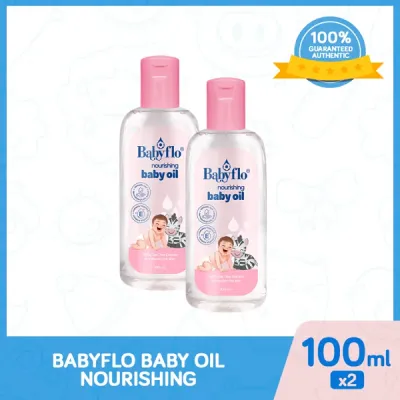
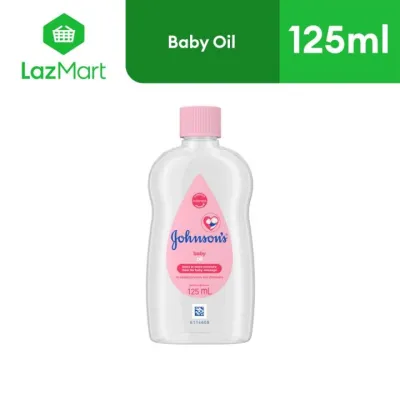
Prices are valid at publication and may change. Please refer to the product page for the latest price.
Because of this delicate skin structure, any product introduced to a newborn’s routine must be carefully evaluated. In the Philippines, the tropical climate adds another layer of complexity. High humidity and heat can cause babies to sweat frequently, and applying a heavy occlusive oil over active sweat glands can lead to clogged pores and heat rash. Therefore, parents should never assume a product is safe for a newborn simply because it is marketed for babies; a systematic check of the product’s formulation and suitability is always required.
How to Verify Unilove Baby Oil Suitability for Newborns
Before applying Unilove baby oil to your newborn, you must perform a diligent physical check of the product packaging. Look closely at the bottle label for explicit age indications or safety milestones. Manufacturers often print target age ranges, such as “suitable from birth,” “0+ months,” or “pediatrician-approved for newborns.” If the bottle lacks these specific markers or only references older infants and toddlers, it is safest to delay using the product until your baby is older.

Next, consult the manufacturer’s official documentation or verified online portals. Brands under the Uni-Care umbrella, such as Uni-Love, frequently update their product guidelines, safety certifications, and recommended usage instructions. Checking these resources helps you identify if the specific bottle you hold has any contraindications, such as warnings against use on broken skin, or if there are specific storage conditions required to maintain the oil’s stability in warm, humid climates.
It is also vital to verify the exact variant of Unilove baby oil you are considering. Baby care brands often manufacture multiple lines under similar names, some of which may contain added botanical extracts, distinct fragrances, or different base oils. A formulation designed for sensory massage in older babies may not be appropriate for the highly sensitive skin of a week-old infant. Ensure the bottle you have matches the gentlest, fragrance-free, or minimally formulated option available.
Ultimately, if you find any conflicting information between the product packaging, the manufacturer’s website, and your pediatrician’s advice, always defer to your healthcare provider. A newborn’s skin barrier is too delicate for guesswork. If the packaging lacks clear age guidelines or if you feel uncertain about the safety of the ingredients, refrain from using the oil until you have obtained professional clearance.
Evaluating the Ingredient List for Newborn Safety
To truly understand if a baby oil is safe for your newborn, you must learn to read and interpret the ingredient list on the back of the bottle. The first step is to identify the primary base ingredient, which typically makes up the vast majority of the product. Many commercial baby oils use highly refined, cosmetic-grade mineral oil, which is an excellent, chemically inert occlusive that rarely triggers allergic reactions. Alternatively, some formulations use plant-based carrier oils, such as coconut oil or sunflower seed oil, which also serve to lock in moisture but have different absorption rates and shelf lives.
Once you identify the base, scan the remaining ingredients for potential irritants. For newborns, the most common culprits for contact dermatitis or skin sensitization are added fragrances (often listed as “parfum” or “fragrance”), synthetic dyes, parabens, and essential oils. While a pleasant scent is appealing to parents, fragrance molecules are highly sensitizing to a newborn’s underdeveloped immune and skin systems. A truly safe newborn oil should ideally be fragrance-free and formulated without unnecessary additives.
Be cautious of marketing terms like “natural,” “organic,” or “plant-derived.” While these words suggest safety, they do not guarantee that a product is gentle enough for a newborn’s compromised skin barrier. Certain natural botanical extracts and essential oils are potent allergens that can cause redness, itching, or localized swelling on infant skin. A simple, short ingredient list with minimal components is almost always safer for a newborn than a complex, herb-infused formulation.
If you encounter any unfamiliar chemical names or botanical terms on the Unilove bottle, take the time to cross-reference them with reliable pediatric dermatology resources. Databases managed by professional dermatological associations can help you understand the purpose and safety profile of each ingredient. If you remain unsure about a specific additive, write it down and consult your pediatrician during your next routine check-up before applying the oil to your baby.
Step-by-Step Patch Testing and Safe Application
Even if a product is labeled as safe for newborns and has a clean ingredient list, you should never apply it to your baby’s entire body without first performing a localized patch test. This simple, low-risk precaution helps identify any potential allergic reactions or sensitivities before they can cause widespread discomfort. To perform a patch test, wash a small, discreet area of your baby’s skin—such as the inner forearm or behind the ear—with mild water and pat it dry.
Apply a single, tiny drop of the Unilove baby oil to this prepared area and gently smooth it in. Leave the oil on the skin and observe the spot closely over the next 24 hours, keeping it dry and clean. During this observation period, monitor the test site for any signs of localized irritation, such as redness, swelling, tiny raised bumps, or dry, flaky patches. If the skin remains completely clear and normal after a full day, the product is generally considered safe for wider application.
When you are ready for full-body application, timing and technique are key to maximizing benefits and ensuring safety. The most effective way to use baby oil is to apply a minimal amount to slightly damp skin immediately after a bath. This allows the occlusive properties of the oil to trap the clean bathwater on the skin surface, enhancing moisturization. Gently massage the oil using slow, light strokes, ensuring you do not rub too vigorously, which can irritate the hair follicles.
Always maintain strict safety boundaries during application to protect your infant. Avoid applying baby oil to your baby’s face, eyes, nose, or mouth, as accidental inhalation or ingestion of mineral and vegetable oils can lead to serious respiratory issues. Keep the oil away from the baby’s hands, as infants frequently put their fingers in their mouths. Finally, remember that oil makes a baby’s skin incredibly slippery; always maintain a firm, secure grip and ensure constant supervision during and after the application process to prevent accidental slips or falls.
Signs of Irritation and When to Consult a Pediatrician
Despite careful verification and patch testing, some newborns may still develop adverse reactions to baby oil. As a parent, you must remain vigilant for any observable signs of skin irritation. These can include localized or widespread redness, hives, small fluid-filled blisters, excessive dryness, peeling, or rough patches. You should also pay close attention to your baby’s behavior; increased fussiness, crying during or after application, or rubbing at the skin are strong indicators of discomfort or itching.
If you observe any of these adverse signs, you must stop using the Unilove baby oil immediately. Do not attempt to “wait and see” if the skin adapts, as continued exposure to an irritant can damage the skin barrier further and increase the risk of secondary infections. Prompt action is necessary to soothe the skin and prevent the reaction from worsening.
As a low-risk immediate step, gently wash the affected area with lukewarm water and a mild, fragrance-free infant cleanser to remove any residual oil from the skin surface. Avoid scrubbing the skin; instead, gently pat it dry with a clean, soft cotton towel. Do not apply other scented lotions, creams, or home remedies to the irritated area, as these can compound the irritation.
Please remember that this guide is designed to provide general safety frameworks and cannot replace professional medical diagnostics. If your newborn’s skin reaction does not improve within 24 hours of stopping the oil, or if you notice signs of infection such as oozing, warmth, or spreading redness, consult a pediatrician or a pediatric dermatologist immediately. A qualified healthcare professional can provide an accurate diagnosis and recommend safe, targeted treatments to restore your baby’s skin health.
Frequently Asked Questions (FAQ)
Can I use Unilove baby oil on a premature baby?
Premature babies require specialized skincare because their epidermal barrier is exceptionally fragile and underdeveloped compared to full-term newborns. Their skin is highly permeable, which dramatically increases the risk of systemic absorption of topical chemicals and susceptibility to infections. Consequently, standard commercial baby oils, including Unilove, should never be applied to a premature infant without explicit medical clearance. You should strictly adhere to the customized skincare protocols provided by your hospital’s neonatal intensive care unit (NICU) upon discharge, and consult your neonatologist or pediatrician before introducing any over-the-counter products.
Should baby oil be applied before or after a bath?
For optimal safety and effectiveness, baby oil should be applied immediately after a bath on slightly damp skin. This timing allows the oil to act as an effective occlusive, sealing in the moisture left on the skin from bathing. Applying baby oil before a bath is highly discouraged. The oil will make your baby’s skin extremely slippery, making it dangerous and difficult to hold them securely in the tub. Additionally, bath cleansers will simply wash the oil away, neutralizing any moisturizing benefits and leaving the skin dry.
Community discussion
Share your experience or ask a question. Comments are reviewed before publication.