
When your baby gets a mosquito bite, your immediate instinct is to find quick relief to stop the itching and prevent discomfort. While Uni-love After Bite Spray (often searched as Unilove spray after bug) is a popular choice for families dealing with tropical pests, determining if it is safe for your baby requires a careful look at the product’s packaging, age recommendations, and ingredients. Because infant skin is incredibly delicate and highly absorbent, you should never apply any topical treatment without first verifying its age suitability and testing it on a small patch of skin.
In tropical climates where humidity is high and mosquitoes are a year-round concern, protecting your little one from bites is a daily task. However, safety must always come first when introducing new skincare products to an infant’s routine. This guide will walk you through the essential safety checks, proper application techniques, and alternative soothing methods to keep your baby comfortable and safe.
Understanding Unilove After Bite Spray and Infant Skin
Before applying any soothing spray to your baby’s skin, it is crucial to understand how infant skin differs from adult skin. A baby’s skin barrier is still developing, making it significantly thinner, more permeable, and more sensitive to external substances. This means that whatever you apply to your baby’s skin can be absorbed much more rapidly into their system, increasing the risk of irritation or systemic reactions.
Products mentioned in this guide
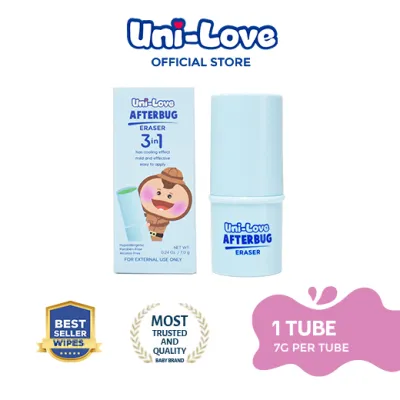
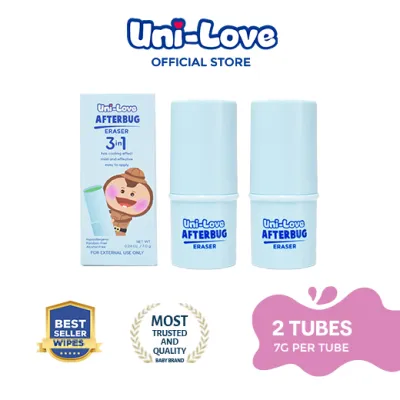
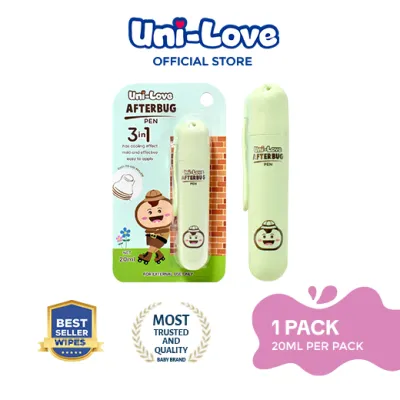
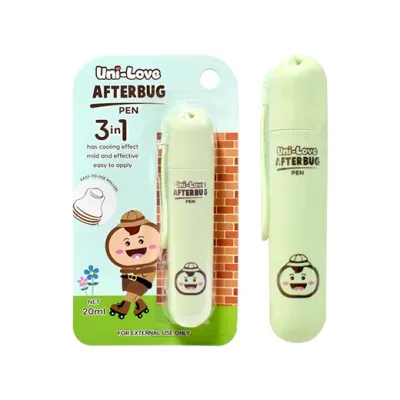
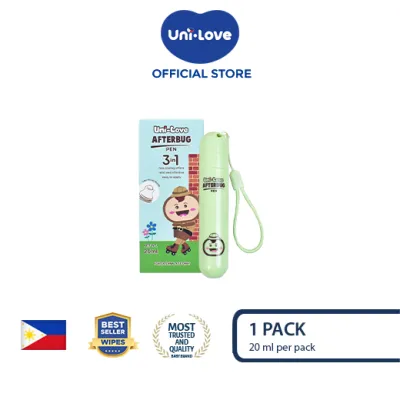
Prices are valid at publication and may change. Please refer to the product page for the latest price.
When evaluating Uni-love After Bite Spray, your first step should always be to inspect the physical packaging for the manufacturer’s official age recommendations and ingredient list. Many over-the-counter soothing sprays contain active ingredients like essential oils, herbal extracts, or mild cooling agents. While these ingredients may be perfectly safe for older children or adults, they can sometimes trigger strong reactions on a baby’s highly reactive skin barrier.
It is also important to distinguish between general marketing claims, such as “natural” or “soothing,” and specific pediatric safety testing. A label that says “gentle” does not automatically mean it is safe for newborns or young infants. Always look for explicit age-appropriate labeling, such as “safe for babies aged 6 months and older,” and verify these guidelines against the current recommendations of your pediatrician.
Key Safety Checks Before Using Bug Bite Sprays on Babies
To ensure you are using any after-bite treatment safely, you must establish a strict verification routine before the product ever touches your baby’s skin. Start by reading the entire warning label on the back of the bottle. Manufacturers are required to list specific age limits, contraindications, and emergency instructions that are vital for preventing accidental misuse.

If the product label indicates that the spray is suitable for your baby’s age group, the next step is to perform a localized patch test. Apply a tiny drop of the liquid to a small, clear area of your baby’s skin, such as the inner forearm or the side of the thigh. Observe the area closely for at least 24 hours to check for any signs of redness, swelling, warmth, or tiny bumps, which indicate a localized sensitivity.
There are several scenarios where you should pause immediately and consult a professional before using any topical spray. If your baby has a history of eczema, extremely dry skin, or diagnosed skin allergies, their skin barrier is already compromised, making them far more susceptible to adverse reactions. Additionally, if your baby is under the minimum age specified on the product packaging, professional medical advice is non-negotiable before application.
How to Apply After-Bite Treatments Safely
If you have verified that the spray is age-appropriate and your baby has passed a patch test, the method of application is just as important as the product itself. Never spray any liquid directly onto a baby’s body, as this significantly increases the risk of accidental inhalation, eye contact, or ingestion. Instead, follow a controlled, indirect application method to keep the treatment exactly where it belongs.
Begin by gently cleaning the mosquito bite area with mild, baby-safe soap and cool water, then pat it dry with a clean towel. This removes any lingering dirt, saliva from the insect, or sweat, which helps prevent secondary bacterial infections. Once the skin is clean, spray a small amount of the product onto your own clean fingertips or a sterile cotton pad.
Gently dab the moistened cotton pad or your finger directly onto the swollen bite, avoiding any surrounding healthy skin. Be extremely careful to avoid applying the treatment near the baby’s face, eyes, nose, or mouth. You must also avoid applying it to your baby’s hands or fingers, as infants frequently rub their eyes and put their hands directly into their mouths, which can lead to accidental ingestion of the active ingredients.
Immediately after you finish applying the soothing treatment, wash your own hands thoroughly with soap and water. This prevents you from accidentally transferring the active ingredients to your own eyes, your baby’s face, or any feeding bottles and toys during subsequent handling.
Recognizing Adverse Reactions and When to Stop
Even with careful application, some babies may still experience an adverse reaction to topical treatments. As a caregiver, you must remain vigilant and monitor the treated area closely for several hours after application. Recognizing the early signs of contact dermatitis or an allergic reaction allows you to intervene quickly and prevent further discomfort.
Common signs of skin irritation include localized redness that spreads beyond the bite area, sudden swelling, raised hives, or a rough, bumpy texture. You may also notice behavioral changes, such as excessive crying, fussiness, or your baby trying to rub or scratch the treated area against their clothing or bedding. These signs indicate that the product is irritating their delicate skin.
If you suspect your baby is having a reaction, take immediate, low-risk steps to soothe their skin. Wash the area thoroughly with cool, clean water and a mild baby soap to remove any remaining product residue. After rinsing, apply a clean, damp, cool compress to the area for a few minutes to help reduce the localized inflammation and calm the itching sensation.
Stop using the product immediately and seek professional medical attention if the redness and swelling continue to spread, or if your baby develops systemic symptoms such as a fever, difficulty breathing, or widespread hives. Never attempt to treat a suspected allergic reaction with other unprescribed creams or home remedies without consulting a healthcare professional first.
Alternative Soothing Methods for Mosquito Bites
When topical sprays are not suitable—such as when your baby is too young, has highly sensitive skin, or has reacted poorly to a product—there are several safe, non-chemical alternatives you can use to provide relief. These physical methods are highly effective at reducing discomfort without introducing any active chemical ingredients to your baby’s system.
One of the simplest and safest ways to reduce localized swelling and itching is by using a cool compress. You can wrap a clean, damp washcloth around a small ice pack or simply use a cloth chilled in cold water, applying it gently to the bite for five to ten minutes at a time. The cold temperature temporarily numbs the nerve endings, providing instant relief from the burning itch.
Preventing your baby from scratching the bite is critical to avoiding secondary bacterial infections, which can occur when dirt and bacteria from under the fingernails enter the broken skin. Keep your baby’s fingernails trimmed short and smooth, or have them wear soft cotton mittens, especially during sleep when scratching is hardest to monitor. You can also dress them in lightweight, breathable long-sleeved clothing to act as a physical barrier against both scratching and further insect bites.
If physical remedies do not provide sufficient relief and your baby remains highly uncomfortable, consult your pediatrician about medicated options. Over-the-counter hydrocortisone creams or infant antihistamines should only be administered under the direct guidance and dosage instructions of a qualified medical professional, ensuring they are safe for your baby’s specific weight and developmental stage.
Frequently Asked Questions (FAQ)
Can I use Unilove After Bite Spray on a newborn?
Newborns have exceptionally fragile skin and developing immune systems, making them highly vulnerable to the ingredients in topical treatments. Most over-the-counter bug bite sprays are not recommended for newborns or infants under a certain age without explicit pediatrician approval. Always check the specific product label for the minimum age requirement, and consult your doctor before applying any topical product to an infant under six months old.
What should I do if my baby licks the sprayed area?
If your baby accidentally licks an area where you have applied the spray, act quickly but remain calm. Gently wipe the inside of your baby’s mouth with a clean, damp cloth to remove any remaining residue, and offer a small sip of water or breastmilk to help dilute the taste. Monitor your baby closely for any unusual symptoms, such as excessive drooling, vomiting, or lethargy, and contact a pediatrician or a local poison control hotline immediately if you suspect they have ingested a significant amount.
Is it safe to use the spray on broken skin or open scratch wounds?
No, you should never apply after-bite sprays or any other topical treatments to broken skin, open scratches, or bleeding wounds. Applying products to compromised skin increases the rate of systemic absorption, which can lead to severe irritation or toxicity, and may also sting intensely, causing your baby significant pain. Instead, clean the open scratch gently with mild soap and water, and cover it with a sterile, breathable bandage to protect it from dirt and further scratching.
Community discussion
Share your experience or ask a question. Comments are reviewed before publication.