
When caring for an infant, keeping their environment clean is a top priority for parents. Tinybuds sanitizer has become a popular household name for families looking for gentle cleaning solutions. However, determining whether any sanitizer is completely safe for a baby’s delicate skin and mouthable toys requires a careful, step-by-step evaluation of the specific product’s label, ingredients, and intended use.
Safety is never a universal guarantee when it comes to chemical formulations, even those marketed for infants. A baby’s skin barrier is significantly thinner and more permeable than an adult’s, making them highly susceptible to irritation and chemical absorption. Therefore, parents must verify the exact formulation of the specific Tinybuds product they own, checking for age-appropriate guidelines and explicit clearance for use on oral-contact surfaces. Before introducing any new topical product or sanitizer to a newborn or an infant with sensitive skin conditions, consulting a trusted pediatrician is the safest and most reliable first step.
How to Check Ingredient Safety for Baby Skin
To ensure a sanitizer is safe for your baby’s skin, you must look beyond the front packaging and carefully analyze the ingredient list on the back of the bottle. Manufacturers are required to list active and inactive ingredients, which serves as your primary tool for safety verification. When inspecting a Tinybuds sanitizer, locate this list to identify exactly what will come into contact with your child’s skin.
Products mentioned in this guide
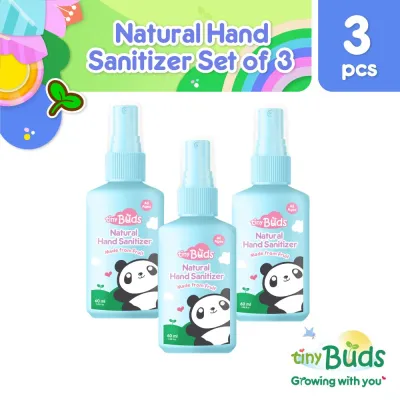
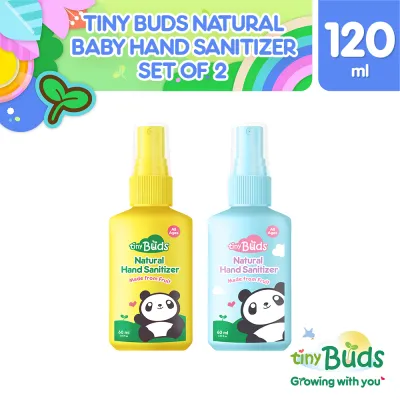
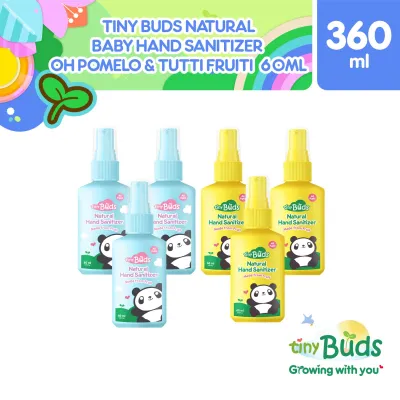
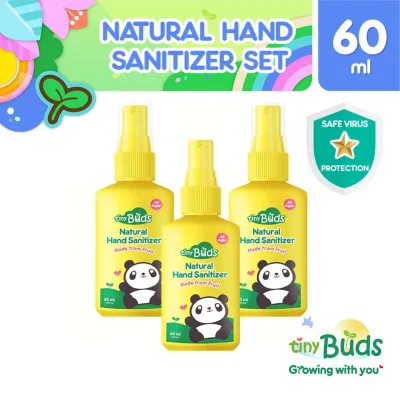
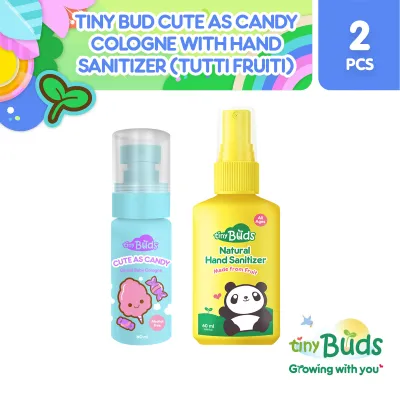
Prices are valid at publication and may change. Please refer to the product page for the latest price.
Infant skin is highly sensitive to harsh chemicals, synthetic additives, and strong drying agents. High concentrations of certain alcohols, such as isopropyl alcohol, can strip the skin of its natural moisture barrier, leading to severe dryness, cracking, and irritation. Additionally, synthetic fragrances, artificial colorants, parabens, and harsh preservatives are common culprits behind allergic reactions in infants. When reviewing the ingredient list, cross-reference these components with current pediatric guidelines. Look for formulations that prioritize gentle, food-grade, or plant-derived ingredients, and avoid products that contain known skin sensitizers or undisclosed fragrance blends that could trigger respiratory or cutaneous reactions.
Even if a product is labeled as natural, organic, or hypoallergenic, every baby’s skin is unique and may react differently. Performing a localized patch test is an essential precautionary measure before applying any sanitizer to larger areas of your baby’s body. To conduct a patch test, apply a single, tiny drop of the sanitizer to a small, discreet area of the baby’s skin, such as the inner forearm or the side of the thigh.
Observe the test area closely over a 24-hour period. During this time, keep the area dry and free from other lotions or soaps that could interfere with the results. Look for any signs of localized irritation, including redness, swelling, tiny bumps, or dry patches. If the skin remains completely clear and your baby shows no signs of discomfort, the product is generally considered suitable for limited, supervised use on that specific child. If any reaction occurs, wash the area immediately with cool, plain water and discontinue use of the product entirely.
Guidelines for Sanitizing Toys and Oral-Contact Items
Babies explore their world through their mouths, making toy sanitation a critical aspect of daily hygiene. However, using a sanitizer on items that your baby will inevitably chew on requires a different level of caution than sanitizing household surfaces. The primary risk is the accidental ingestion of chemical residues left behind on the toy’s surface after the sanitizer dries.

To sanitize safely, you must first differentiate between the materials of the toys. Hard, non-porous toys made of solid plastic, silicone, or finished wood do not absorb liquids easily, making them easier to sanitize and rinse clean. Conversely, soft, porous items such as plush toys, fabric books, and untreated wood can absorb chemical sanitizers deep into their fibers. This trapped residue can be released when the baby chews or sucks on the toy. For porous items, traditional washing with mild, baby-safe laundry detergent and thorough rinsing is generally safer than applying chemical sanitizing sprays.
Before applying any sanitizer to a toy, check the product label to confirm if the manufacturer explicitly states the formula is food-contact surface safe or no-rinse. Even when a product claims to be safe without rinsing, pediatric health guidelines often recommend an extra step of caution for items that go directly into an infant’s mouth. Rinsing the sanitized toy thoroughly with clean, potable water after the required contact time is a highly effective way to eliminate any lingering chemical residues while maintaining a hygienic environment.
To ensure proper sanitization without compromising safety, follow this structured checklist:
- Clean the surface first: Wipe away any visible dirt, saliva, or food particles using mild soap and water, as sanitizers cannot penetrate heavy soil.
- Apply the sanitizer: Spray or wipe the sanitizer evenly across the entire surface of the toy, ensuring complete coverage.
- Observe the contact time: Allow the sanitizer to remain wet on the surface for the exact duration specified on the manufacturer's label; sanitizers require this wet contact time to effectively neutralize pathogens.
- Rinse thoroughly: For any toy that your baby is likely to put in their mouth, rinse the item under running potable water to wash away any remaining chemical film.
- Dry completely: Allow the toy to air dry completely in a clean, dust-free area, or wipe it dry with a clean, single-use paper towel before returning it to your baby.
Recognizing Adverse Reactions and When to Stop Use
As a caregiver, monitoring your baby’s physical and behavioral responses to any new product is vital. Because infants cannot verbally communicate discomfort, you must rely on visual cues and behavioral changes to identify potential adverse reactions to a sanitizer.
Contact dermatitis is the most common adverse reaction to topical sanitizers and cleaning agents. This condition manifests as localized skin irritation where the product was applied. Watch for visible signs such as patches of redness, dry or peeling skin, small raised bumps, hives, or localized swelling. In tropical climates like the Philippines, high humidity and heat can sometimes exacerbate skin irritation, making it easy to mistake chemical sensitivity for heat rash. However, if the redness or irritation aligns directly with areas where the sanitizer was applied, a topical reaction is highly probable.
Behavioral changes can also indicate that a product is causing discomfort. If your baby becomes unusually fussy, rubs their hands or face persistently against blankets, or scratches at their skin shortly after you use a sanitizer, they may be experiencing burning, itching, or stinging sensations.
If you observe any physical or behavioral signs of irritation, take immediate action:
- Discontinue use immediately: Stop using the sanitizer on your baby's skin, toys, or surrounding environment.
- Wash the affected area: Gently flush the baby's skin with plenty of cool, plain water to remove any remaining product residue; avoid using harsh soaps during this rinse, as they can further irritate the compromised skin barrier.
- Pat dry gently: Use a soft, clean towel to pat the skin dry without rubbing.
- Monitor the symptoms: Keep a close eye on the irritated area to see if the redness or swelling subsides after washing.
While mild irritation often resolves quickly once the product is removed, some reactions require professional medical evaluation. You should contact your pediatrician or seek immediate medical assistance if the redness spreads, if the skin develops blisters, oozing, or open sores, or if your baby exhibits signs of a systemic allergic reaction, such as facial swelling, difficulty breathing, or persistent, inconsolable crying.
Safe Storage and Handling Precautions
Proper storage and handling of sanitizers are just as important as correct application. Accidental ingestion or eye contact can lead to serious health complications, making strict safety protocols essential for every household.
Always store sanitizing products completely out of the reach and sight of infants and toddlers. Children are naturally curious and may be drawn to colorful bottles or spray nozzles. Store the sanitizer in high, locked cabinets or secure childproof containers. In the warm, humid climate of the Philippines, it is also crucial to store these products in a cool, dry place away from direct sunlight and heat sources, as extreme temperatures can degrade the active ingredients or compromise the plastic packaging.
In the event of an accidental exposure, knowing how to respond quickly can prevent serious injury. If the sanitizer accidentally comes into contact with your baby’s eyes, immediately flush the eyes gently with clean, lukewarm water for several minutes, keeping the eyelids open. If your baby accidentally ingests the sanitizer, do not induce vomiting, as this can cause further irritation to the esophagus or lead to aspiration into the lungs. Instead, wipe their mouth clean, offer a small amount of water if they are conscious and able to swallow, and contact your local poison control center or seek emergency medical care immediately.
Always keep the sanitizer in its original packaging. The original label contains critical information, including the exact ingredient list, manufacturer contact details, and specific first-aid instructions. In a medical emergency, having this packaging on hand allows healthcare professionals to quickly identify the active chemicals and administer the correct treatment without delay.
Frequently Asked Questions (FAQ)
Can I use hand sanitizer on my baby's hands before they eat?
Using hand sanitizer on an infant’s hands immediately before mealtime carries a high risk of accidental chemical ingestion. Babies frequently put their hands, fingers, and toys directly into their mouths while eating. If any sanitizer residue remains on their skin, they can easily swallow it. The primary and safest method for cleaning a baby’s hands before they touch food is washing them thoroughly with mild, baby-safe soap and clean water. This physical washing action effectively removes dirt, oils, and pathogens without leaving chemical residues behind. You should only rely on hand sanitizer when soap and water are completely unavailable. In such situations, apply a tiny amount of baby-safe sanitizer, rub it thoroughly over their hands, and ensure the skin is completely dry and free of any scent or residue before allowing them to handle food.
Is it safe to mix Tinybuds sanitizer with other cleaning products?
You should never mix Tinybuds sanitizer, or any other sanitizing product, with household cleaners, bleach, vinegar, or soaps. Mixing different chemical formulations can trigger dangerous chemical reactions that produce toxic fumes, which can severely irritate your baby’s sensitive respiratory system. Additionally, combining products can neutralize the active sanitizing agents, rendering both formulas completely ineffective against germs. To ensure safety and efficacy, always use the product exactly as directed on the original manufacturer’s label, without any modifications, dilutions, or mixtures.
Community discussion
Share your experience or ask a question. Comments are reviewed before publication.