
Protecting your baby during peak dengue season in the Philippines is a top priority for every parent, especially when high humidity and frequent rains create the perfect breeding ground for mosquitoes. When considering a popular local option like TinyBuds Citronella, determining its safety for your infant requires looking beyond the “natural” label. A baby’s safety depends heavily on their exact age, individual skin sensitivity, and the specific product formulation.
Before applying any topical repellent, parents must carefully inspect the manufacturer’s packaging for the minimum age recommendation. Infant skin is incredibly delicate, and what is safe for a toddler may not be suitable for a newborn. Consulting your pediatrician is the most reliable step to ensure that any product fits into your baby’s health profile, particularly during seasons when mosquito-borne illnesses are a heightened concern.
It is a common misconception that “natural” or plant-derived ingredients are automatically safe for infant skin. Essential oils, including citronella, contain active organic compounds that can trigger allergic reactions or skin irritation in young babies. Understanding how to evaluate these products, perform safety checks, and implement physical barriers is essential for comprehensive dengue protection.
Products mentioned in this guide
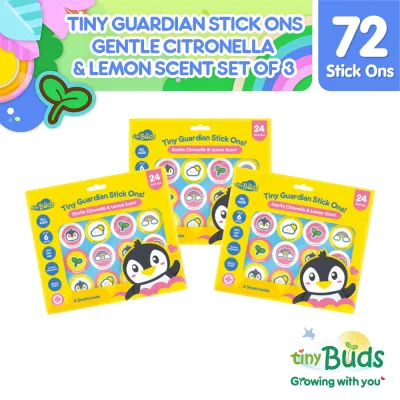
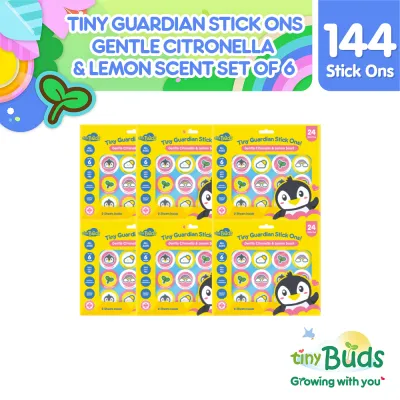
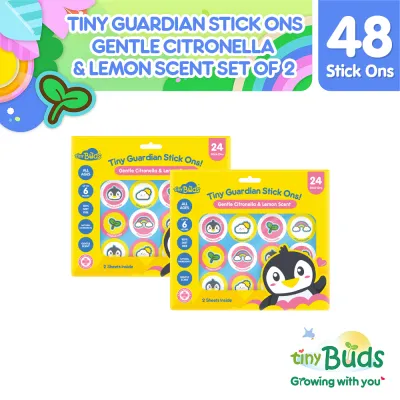
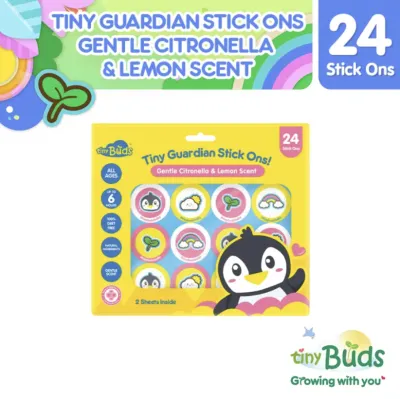
Prices are valid at publication and may change. Please refer to the product page for the latest price.
Understanding Citronella and Infant Skin Sensitivity
Citronella is an essential oil extracted from the leaves and stems of different species of lemongrass. While it is a well-known natural insect repellent, pediatricians generally advise caution when introducing essential oils to infants. A baby’s skin barrier is significantly thinner and more permeable than an adult’s, meaning topical substances are absorbed much more rapidly into their system. This increased absorption rate makes infants highly susceptible to systemic irritation or localized skin reactions from concentrated plant extracts.
During the first few months of life, a baby’s liver and metabolic systems are still developing, which limits their ability to process certain compounds absorbed through the skin. Because of these physiological differences, general pediatric guidelines often recommend avoiding the direct application of any essential oil-based products on infants under six months of age. Always verify the specific age indications printed on your product’s label, as formulations vary widely in concentration and carrier ingredients.
Beyond the active citronella oil, topical repellents contain carrier oils, preservatives, and secondary ingredients to stabilize the formula or improve its texture. Some of these secondary ingredients can also be sources of skin irritation. When evaluating a product, parents should read the full ingredient list to identify potential allergens. If your baby has a history of eczema, dry skin, or other dermatological sensitivities, their skin barrier is already compromised, making them even more vulnerable to adverse reactions from topical applications.
Safe Application and Usage Boundaries
If your pediatrician approves the use of a citronella repellent and your baby meets the manufacturer’s age requirements, proper application is critical to minimize risks. Before applying the product to larger areas of the body, always perform a localized patch test. Apply a tiny amount of the repellent to a small, clear patch of skin, such as the baby’s inner forearm or thigh. Observe the area closely for 24 hours to check for any signs of redness, swelling, or irritation before proceeding with regular use.

When applying the repellent, strictly avoid sensitive areas. Never apply topical products to your baby’s hands, as infants frequently rub their eyes and put their fingers in their mouths, which can lead to accidental ingestion or severe eye irritation. Keep the product away from the face, eyes, mouth, and any areas with open wounds, scratches, or existing diaper rash. Instead, focus application on exposed skin areas like the legs and arms, applying only the minimum amount necessary to cover the skin.
Pay close attention to application frequency and environmental transitions. Plant-based repellents generally evaporate faster than synthetic alternatives, which might tempt parents to reapply them frequently. However, over-application increases the cumulative absorption of essential oils through the skin. Limit applications to the frequency recommended on the product label. Once your baby is safely indoors and away from mosquito exposure, wash the repellent off their skin using lukewarm water and a mild, baby-safe soap to prevent prolonged exposure.
Recognizing and Managing Potential Skin Reactions
Even with careful application, some babies may develop an adverse reaction to citronella or other ingredients in the formula. Parents must remain vigilant and monitor their baby’s skin closely after application. The most common reaction is contact dermatitis, which typically presents as localized redness, a raised rash, small bumps, or dry, flaky patches where the product was applied.
In addition to visible skin changes, pay attention to behavioral cues. An infant experiencing skin discomfort, itching, or burning may become unusually fussy, restless, or have difficulty sleeping. If you notice any of these signs, or if your baby begins scratching at the application site, take immediate action. Stop using the product immediately and gently wash the affected skin with cool water and a mild, fragrance-free baby cleanser to remove any remaining residue.
While mild irritation often resolves quickly once the product is washed off, some situations require professional medical attention. If the redness spreads, if you observe swelling, blistering, or oozing, or if your baby develops a fever or respiratory symptoms like wheezing, seek immediate care from a pediatrician or dermatologist. Never apply over-the-counter steroid creams or antihistamine ointments to your baby’s skin without direct instructions from a qualified healthcare provider.
Alternative Dengue Protection Strategies for Infants
For infants who are too young for topical repellents, or those with highly sensitive skin, physical and environmental barriers offer highly effective protection against dengue-carrying mosquitoes. Utilizing physical barriers is often the safest primary defense for newborns. When outdoors or in semi-outdoor spaces, cover strollers, infant car seats, and playpens with fine-mesh mosquito netting. Ensure the netting is securely fastened and does not drape closely enough to pose a suffocation hazard to the baby.
Dressing your baby appropriately is another simple yet powerful preventive measure. Choose loose-fitting, lightweight clothing made of breathable fabrics like cotton to keep your baby cool in the humid tropical climate of the Philippines. Opt for long-sleeved shirts and long pants in light colors, as dark colors tend to attract mosquitoes. Loose clothing not only prevents bites by keeping fabric away from direct skin contact but also minimizes the need for topical products.
Environmental controls within your home play a crucial role in reducing mosquito populations. Regularly inspect your living spaces and eliminate any sources of stagnant water, such as in flowerpot saucers, buckets, or uncovered containers, where dengue-carrying mosquitoes breed. Ensure that window and door screens are intact and free of tears. Utilizing safe indoor air circulation, such as keeping a fan running on a low setting near the baby’s sleeping area, can also make it difficult for mosquitoes to fly and land on your baby.
Frequently Asked Questions (FAQ)
Can I apply TinyBuds citronella directly to my newborn's skin?
No, you should not apply TinyBuds citronella or any other essential oil-based repellent directly to a newborn’s skin. Newborn skin is exceptionally thin, highly permeable, and lacks a fully developed protective barrier, making them highly susceptible to chemical absorption and severe irritation. General pediatric guidelines advise against using topical insect repellents on infants under two months of age, and many plant-based formulations carry higher age restrictions. Always check the specific product packaging for the manufacturer’s minimum age warning and consult your pediatrician before introducing any topical products to a newborn.
Is it safe to use citronella repellents on baby clothes instead of skin?
Applying citronella repellent to your baby’s clothing rather than directly to their skin can be a helpful alternative to reduce direct skin contact, but it still requires caution. Before doing so, check the product label to ensure it is safe for fabrics and will not cause staining or damage. Be mindful that thin fabrics may allow the product to seep through and touch the skin underneath. Additionally, avoid applying the repellent to areas of the clothing that your baby might suck on, such as sleeves or collars, to prevent accidental ingestion of the essential oils.
Community discussion
Share your experience or ask a question. Comments are reviewed before publication.