
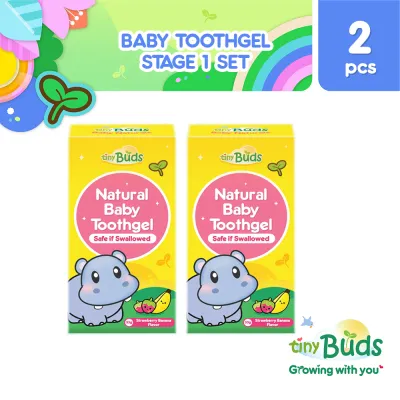
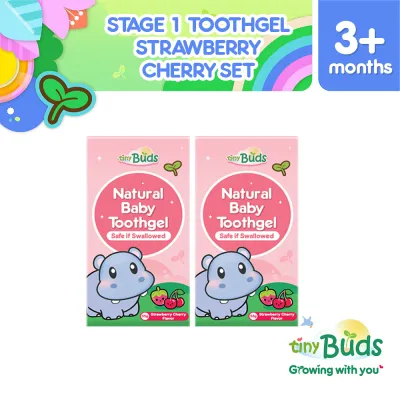
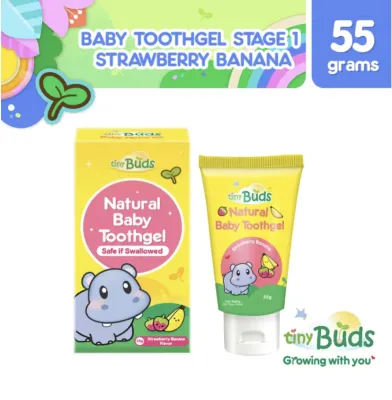
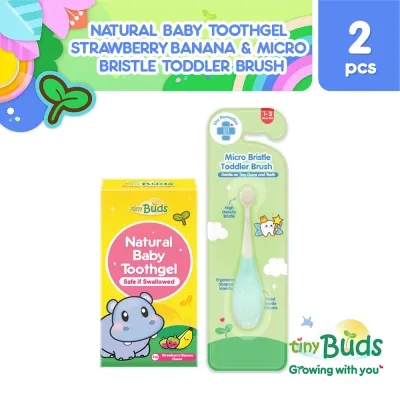
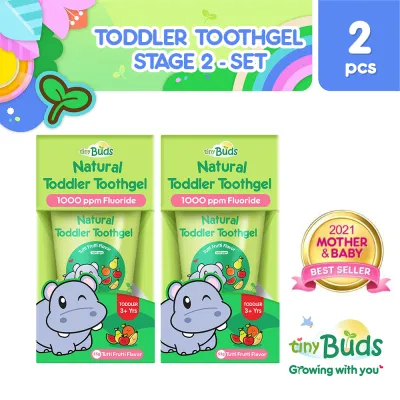
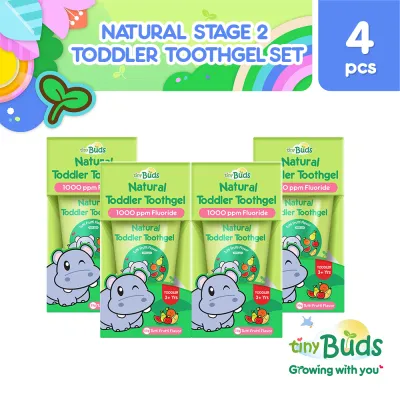
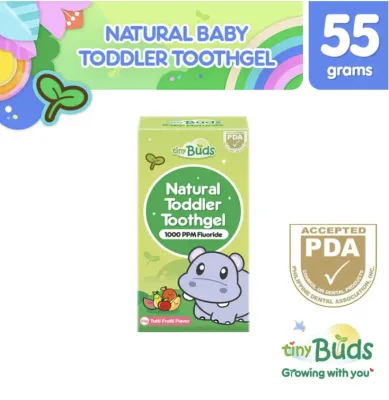
Determining whether Tiny Buds toothpaste is safe for a baby who cannot spit yet depends entirely on the specific product formulation you hold in your hand. Because infants naturally swallow everything placed in their mouths, parents must verify that the specific variant they use is explicitly labeled as fluoride-free and safe to swallow. While some products under this brand are designed specifically as training toothpastes for infants, other variants may be formulated for older children who have already mastered the ability to spit. Checking the packaging carefully before use is the most reliable way to ensure your baby’s safety.
In warm, tropical climates like the Philippines, babies frequently consume milk, fruit purees, and sweet snacks to stay hydrated and nourished throughout the day. These dietary habits make early oral hygiene essential, but they also highlight the importance of choosing the right oral care products. Since infants do not develop the voluntary muscle control required to spit out excess paste until they are older, any product applied to their gums and emerging teeth will inevitably be ingested. Understanding how to select and use these products safely protects your baby’s developing system while keeping their new teeth clean.
Why Swallowing Toothpaste Is a Safety Concern for Infants
An infant’s swallowing reflex is highly efficient, while their ability to spit is completely undeveloped. When a baby brushes, any paste left in the mouth is carried directly into the digestive tract. This involuntary ingestion is why pediatric dental experts emphasize using only age-appropriate formulations during the early stages of oral care.
Products mentioned in this guide
Prices are valid at publication and may change. Please refer to the product page for the latest price.
Fluoride is a highly effective mineral for strengthening tooth enamel and preventing decay when applied topically to the surface of the teeth. However, when young children systemically ingest fluoride in excessive amounts over a long period, it can lead to a condition known as dental fluorosis. This condition affects the permanent teeth developing beneath the gums, potentially causing cosmetic changes such as mild white spots or streaking once those teeth finally erupt.
In addition to the long-term risk of fluorosis, swallowing standard adult or high-fluoride toothpaste can cause immediate, acute irritation to an infant’s sensitive stomach. The foaming agents and concentrated active ingredients in standard formulas are not designed for digestion and can easily lead to mild nausea, stomach aches, or vomiting.
To address these developmental differences, manufacturers produce two distinct categories of oral care products: training toothpastes and standard children’s toothpastes. Training toothpastes are formulated specifically for babies and toddlers who cannot spit, omitting fluoride and utilizing mild, food-grade ingredients that are safe to ingest in small quantities. Standard children’s toothpastes, on the other hand, contain fluoride to protect older kids’ teeth and require the child to spit out the excess after brushing.
How to Check If Your Tiny Buds Toothpaste Is Safe to Swallow
To ensure the product you have is safe for your non-spitting baby, start by conducting a thorough visual inspection of the front of the packaging. Look for clear, prominent labels such as “Fluoride-Free,” “Safe to Swallow,” or “Baby Training Toothpaste.” Brands often use distinct color coding or specific character illustrations to differentiate their infant line from their toddler and older children’s lines.

Next, turn the tube or box over to review the complete ingredient list printed on the back. You want to verify the absence of active fluoride compounds, which may be listed under names like sodium fluoride, sodium monofluorophosphate, or stannous fluoride. If you spot any of these compounds, the product is not a training paste and should be stored out of reach until your child is older and can spit reliably.
While reviewing the back of the pack, check the manufacturer’s recommended age range and usage instructions. Infant-safe training pastes typically specify suitability for babies from first tooth eruption up to two years of age. Ensure that your baby’s current developmental stage aligns perfectly with these official guidelines before proceeding with application.
If you find that the packaging is damaged, the ingredient list is faded or missing, or the safety claims are unclear, do not risk using the product. The safest decision is to stop use immediately and consult a pediatric dentist or pediatrician. They can provide personalized recommendations and help you verify which local products are appropriate for your baby’s specific age and oral health needs.
Safe Brushing Techniques for Babies Who Cannot Spit
When brushing the teeth of a baby who cannot spit, controlling the volume of toothpaste used is the most effective way to minimize ingestion. Pediatric dental guidelines recommend using a tiny smear of toothpaste that is no larger than a single grain of uncooked rice. This minuscule amount is highly effective for cleaning tiny teeth while ensuring that the total volume swallowed remains entirely negligible.
Proper positioning is key to a successful and safe brushing session, especially when dealing with a squirming infant. Try sitting on a comfortable chair or the floor and cradling your baby’s head gently in your lap, or lay them down on a clean, flat surface like a changing mat. This elevated, secure position gives you a clear view of their entire mouth, allowing you to brush gently without accidentally pushing the toothbrush too far back.
Using a soft-bristled infant toothbrush or a clean, damp silicone finger brush, gently clean the front and back surfaces of each tooth using small, circular motions. Be sure to sweep gently along the gumline, where milk sugars and food particles tend to accumulate. Avoid scrubbing back and forth aggressively, as an infant’s gums are highly sensitive and easily irritated.
Continuous adult supervision and physical assistance are mandatory during every brushing session. Infants lack the manual dexterity to clean their own teeth effectively and may accidentally swallow large amounts of paste or choke on the brush if left unattended. Keep the toothpaste tube stored safely in a high cabinet or closed drawer immediately after use to prevent your baby from reaching it.
What to Do If Your Baby Ingests a Large Amount of Toothpaste
Swallowing the recommended rice-sized smear of training toothpaste during daily brushing is completely safe and expected. However, if your baby manages to get hold of the tube unsupervised and swallows a large quantity of toothpaste, you must take prompt action. The severity of the situation depends heavily on whether the ingested product contains fluoride.
If the ingested product is a verified fluoride-free training toothpaste, the risk of serious toxicity is very low. The primary concern in this scenario is mild gastrointestinal discomfort caused by swallowing a concentrated amount of food-grade binders and flavorings. You can offer your baby a few sips of water to help dilute the paste in their stomach and soothe any minor irritation.
If you discover that your baby has ingested a large amount of toothpaste containing fluoride, do not attempt to induce vomiting, as this can lead to choking or aspiration. Instead, if your baby is old enough to consume dairy, offer them a small amount of milk or yogurt. The calcium in dairy products naturally binds to fluoride in the stomach, helping to reduce its absorption into their system.
Monitor your baby closely for any physical symptoms of distress, such as persistent vomiting, unusual lethargy, excessive drooling, or abdominal pain. If you observe any of these warning signs, or if you are uncertain about the amount of fluoridated product consumed, seek immediate medical attention or contact a local poison control center. Always bring the specific toothpaste tube with you to the clinic so the medical staff can review the exact ingredients.
Frequently Asked Questions (FAQ)
Can I use regular adult toothpaste for my baby in an emergency?
No, you should never use regular adult toothpaste for an infant who cannot spit. Adult toothpastes are formulated with significantly higher concentrations of fluoride, strong foaming agents like sodium lauryl sulfate, and intense flavorings that can irritate your baby’s delicate stomach and oral tissues. Swallowing even a small amount of adult toothpaste poses a high risk of acute stomach upset and contributes to dental fluorosis. If you temporarily run out of baby-safe training paste, it is much safer to brush your baby’s teeth using a soft toothbrush dampened with plain, clean water until you can purchase a proper infant formulation.
When should I switch to a fluoride toothpaste for my child?
The transition to fluoride toothpaste typically occurs around the age of three, or once your child has developed the physical coordination to spit out the excess paste reliably on command. However, because local water fluoridation levels and individual cavity risks vary across different communities in the Philippines, this timeline is not universal. You should consult a pediatric dentist for a personalized recommendation. They can evaluate your child’s specific dental health, assess their risk of tooth decay, and advise you on the safest time to introduce a low-fluoride children’s toothpaste.
Is it necessary to brush my baby's teeth if they only have one or two?
Yes, it is absolutely necessary to start brushing your baby’s teeth as soon as the very first one erupts through the gums. Newly erupted baby teeth have relatively thin enamel, making them highly vulnerable to decay from the sugars found in breastmilk, formula, and early solid foods. Establishing a gentle brushing routine early in life not only prevents early childhood caries but also helps your baby adapt to the physical sensation of oral care. This early habituation makes brushing much easier and more cooperative as more teeth begin to emerge over time.
Community discussion
Share your experience or ask a question. Comments are reviewed before publication.