
When keeping your little one clean in a tropical environment like the Philippines, hand hygiene is a constant priority. Between humid playdays, family gatherings, and quick trips to local shops, parents often reach for portable solutions like Tiny Buds hand sanitizer. However, determining whether these products are safe for your baby requires looking closely at the ingredients, your child’s age, and how the product is applied.
The safety of baby hand sanitizers depends heavily on the specific product variant, your baby’s developmental stage, and how carefully the product is administered. Pediatric guidelines generally recommend avoiding all hand sanitizers for infants under two years old, prioritizing plain soap and clean water instead. If you must use a hand sanitizer in an emergency, it requires strict adult supervision, minimal application, and careful monitoring to prevent accidental ingestion or skin irritation.
While natural-leaning brands formulate products with milder ingredients, no hand sanitizer is completely risk-free. Understanding how to evaluate these products ensures you can protect your baby from germs without compromising their delicate skin or overall health.
Products mentioned in this guide
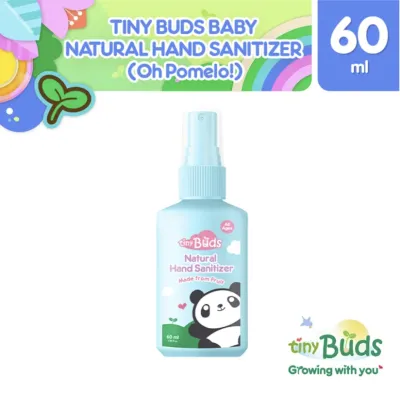
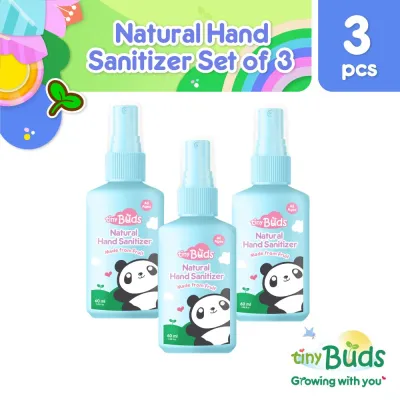
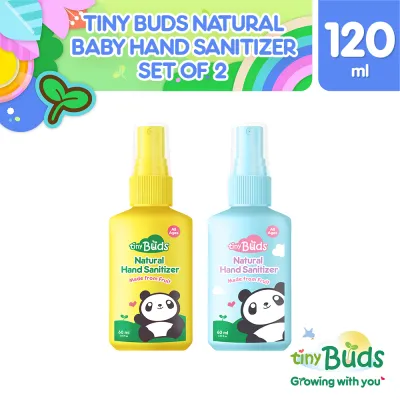
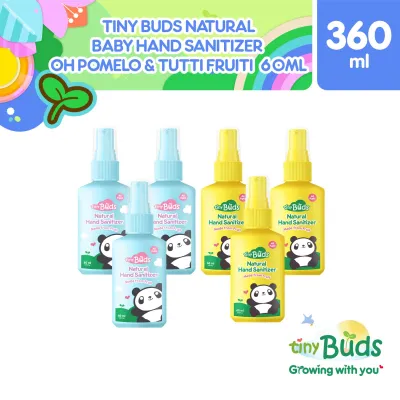
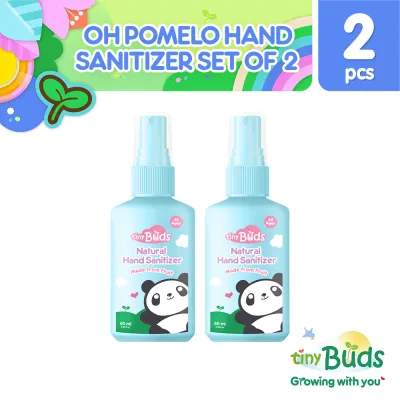
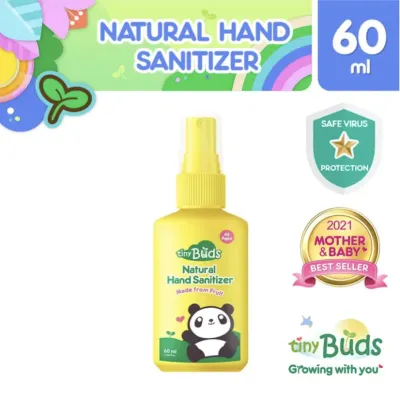
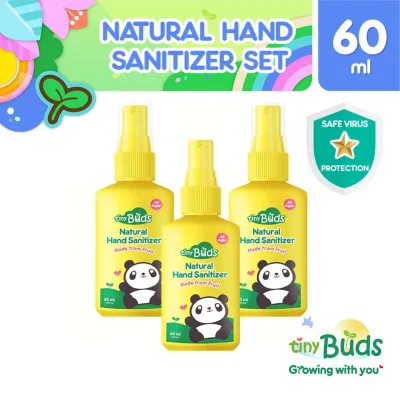
Prices are valid at publication and may change. Please refer to the product page for the latest price.
How to Read the Label: Key Ingredients to Check
Before applying any product to your baby’s hands, you must carefully read the packaging. Formulations under the same brand name can vary significantly, with some containing alcohol and others utilizing alternative antimicrobial agents.
Active Ingredients
When examining the bottle, look first at the active ingredients list to determine if the product is alcohol-based or alcohol-free.
- Alcohol-Based Formulations: These typically contain Ethyl Alcohol or Isopropyl Alcohol. While highly effective at killing germs, high alcohol concentrations can quickly dry out and irritate thin, delicate baby skin.
- Alcohol-Free Formulations: These may use alternative antimicrobial agents or food-grade ingredients. While these alternatives are often gentler on the skin barrier, they still require careful handling and are not meant for consumption.
Moisturizers and Soothing Agents
Many baby-focused sanitizers include moisturizing ingredients to counteract the drying effects of cleansing agents.
- Aloe Vera: Often added to soothe the skin and provide a cooling sensation, which is particularly pleasant in warm, humid climates.
- Glycerin: A natural humectant that helps retain moisture in the outer layers of the skin.
While these ingredients help protect the skin barrier, they do not make the product safe to ingest. A moisturized formula can still cause stomach upset or chemical irritation if swallowed.
Fragrances and Preservatives
Delicate baby skin is highly susceptible to contact allergies and irritation from synthetic additives.
- Fragrances: Even natural-sounding fragrances or essential oils can trigger allergic reactions or contact dermatitis in sensitive infants.
- Preservatives: Look for paraben-free and clinically tested labels, but always monitor your child's skin for any adverse reactions after the first application.
Manufacturer Warnings
Always locate the manufacturer’s specific age recommendations and usage warnings on the back of the bottle. If a product is labeled “for ages 2 and up,” do not use it on an infant without consulting your pediatrician first.
Age Guidelines: When Can Babies Start Using Hand Sanitizer?
A baby’s skin barrier and behavioral habits change rapidly during their first few years. Safety recommendations must be adjusted according to these developmental stages.

Newborns to 2 Years Old
For infants in this age group, plain soap and running water remain the absolute gold standard for hand hygiene.
During the first two years of life, babies explore their world primarily through their mouths. This frequent hand-to-mouth behavior creates a high risk of ingesting any product applied to their fingers.
Furthermore, an infant’s skin is much thinner and more permeable than adult skin, meaning they can absorb topically applied chemicals more easily. If you find yourself in an emergency situation without access to water, apply only a tiny, pea-sized amount of a mild, baby-safe sanitizer to your own hands first, rub them together, and then gently wipe the excess onto your baby’s hands, ensuring their skin dries completely before they can put their hands near their mouth.
Toddlers (2 Years and Older)
As children grow into toddlers, they begin exploring playgrounds, touching public surfaces, and interacting more closely with others, making portable hygiene more practical.
At this stage, toddlers can begin using hand sanitizer, but only under direct and active adult supervision. You must control the bottle, dispense the correct amount, and actively assist them in rubbing it in.
It is crucial to teach toddlers not to lick their hands, put their fingers in their mouths, or rub their eyes while the sanitizer is wet. Turn the application into a game where they must flutter their hands like butterflies until the liquid has completely evaporated.
Potential Side Effects and Skin Irritation Risks
Even products formulated specifically for babies can sometimes cause adverse reactions. Parents should remain vigilant and know how to identify and address these issues.
Skin Dryness and Peeling
Frequent use of sanitizers, especially those containing alcohol, can strip away the natural lipids and oils that protect your baby’s skin. This can lead to dry, rough patches or visible peeling, which compromises the skin’s natural defense system.
Contact Dermatitis
Some babies may experience an allergic reaction to specific ingredients, fragrances, or preservatives in the sanitizer. Signs of contact dermatitis include localized redness, itching, swelling, or a bumpy rash where the product was applied.
Eye Irritation
If a baby rubs their eyes before the hand sanitizer has completely dried, the active ingredients can cause immediate stinging, redness, and tearing. This is highly uncomfortable and can lead to minor, temporary inflammation of the eye area.
Action Plan for Adverse Reactions
If you notice any signs of irritation or if your child experiences discomfort, follow these steps immediately:
- Stop Use: Discontinue using the product immediately.
- Rinse: Wash the affected skin or flush the eyes gently with plenty of clean, lukewarm water.
- Monitor: Keep a close eye on the symptoms to see if they subside once the product is removed.
- Consult: If redness, swelling, or irritation persists, or if you suspect your child has ingested a significant amount of the product, contact your pediatrician or visit a local healthcare clinic right away.
Safe Application Steps for Little Hands
To minimize risks and ensure maximum safety, always follow a disciplined application routine when using hand sanitizer on your child.
Prioritize Soap and Water
Always view hand sanitizer as a temporary backup, not a permanent replacement for washing. Sanitizer is far less effective when hands are visibly dirty, greasy, or covered in food residue, which is common after meals or outdoor play.
The Adult-First Method
Never let a baby or toddler hold the sanitizer bottle or apply it themselves. Dispense a small, pea-sized drop into your own palm first, rub your hands together to distribute the product, and then thoroughly rub it onto your baby’s hands.
Rub Until Completely Dry
Carefully rub the product over all parts of your baby’s hands, including the backs of their hands, between their fingers, and around their fingernails. Continue rubbing until the skin is completely dry to the touch, keeping their hands safely away from their face during the process.
Safe Storage
Store all hand sanitizers, including baby-friendly variants, completely out of reach and sight of children. Keep bottles zipped securely inside your diaper bag or stored on a high shelf at home to prevent accidental ingestion or spills.
Frequently Asked Questions (FAQ)
Can I use Tiny Buds hand sanitizer on my baby's face or body?
No, you should never use hand sanitizer on your baby’s face, eyes, or large areas of their body. The delicate skin on the face is highly sensitive, and applying sanitizer there increases the risk of eye irritation and chemical inhalation. For cleaning the face, neck, or body, always use a damp washcloth or gentle, alcohol-free baby wipes designed specifically for sensitive skin.
What should I do if my baby accidentally licks the hand sanitizer?
If your baby licks their hands while the sanitizer is still wet, immediately wipe their mouth with a clean, damp cloth to remove any remaining residue. Offer them a few sips of water or breastmilk to help rinse their mouth and dilute any swallowed product. Monitor them closely for symptoms like nausea, vomiting, or unusual lethargy, and contact your pediatrician or a local poison control center immediately if you notice any concerning behavior.
Is alcohol-free hand sanitizer completely safe for newborns?
No, alcohol-free does not mean risk-free, especially for newborns. While alcohol-free sanitizers avoid the specific toxicity risks associated with alcohols, they still contain active antimicrobial agents, surfactants, and preservatives. A newborn’s skin is exceptionally thin and fragile, making it highly susceptible to irritation from these chemicals, and their hand-to-mouth habits remain a concern. For newborns, stick exclusively to gentle soap and water under safe, hygienic conditions.

Community discussion
Share your experience or ask a question. Comments are reviewed before publication.