
When caring for a baby in a warm, tropical climate like the Philippines, keeping your little one comfortable and protected during outdoor hours is a top priority. Many parents turn to botanical options, searching for products like Tiny Buds Citronella Lotion to help keep their babies comfortable while enjoying the fresh air. However, because an infant’s skin is incredibly delicate, it is natural to wonder if citronella-based products are entirely safe for daily use.
Whether a citronella lotion is safe for your baby depends on several factors, including the child’s age, the specific formulation of the product, and your baby’s individual skin sensitivity. While citronella is a widely recognized plant-derived ingredient, natural origins do not automatically guarantee that a product will not cause irritation. To make an informed purchase and application decision, parents must understand how infant skin interacts with botanical ingredients and learn how to evaluate product labels carefully.
This guide will walk you through the essential safety considerations of using citronella lotion on young children. You will learn how to analyze product formulations, perform a reliable home patch test, identify early signs of skin irritation, and establish safe application habits to keep your baby’s skin barrier healthy and protected.
Products mentioned in this guide
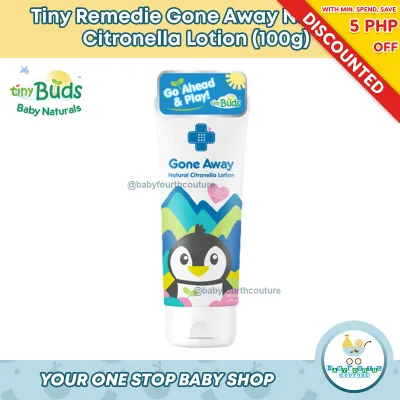
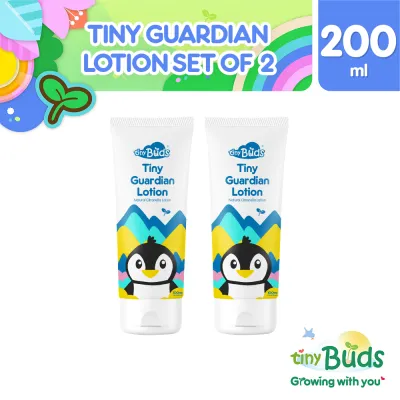
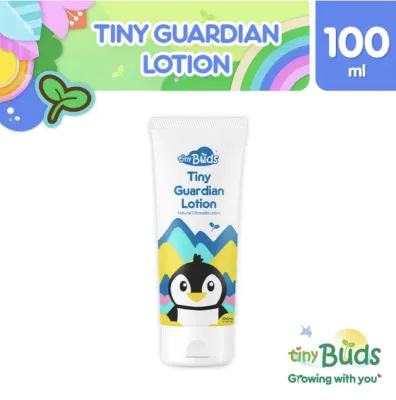
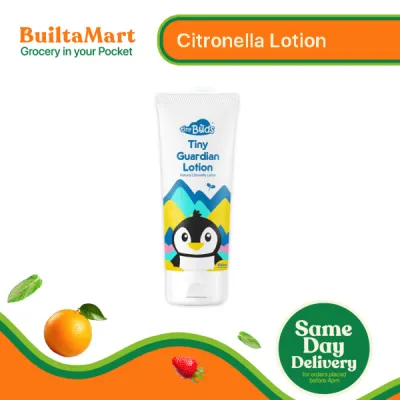
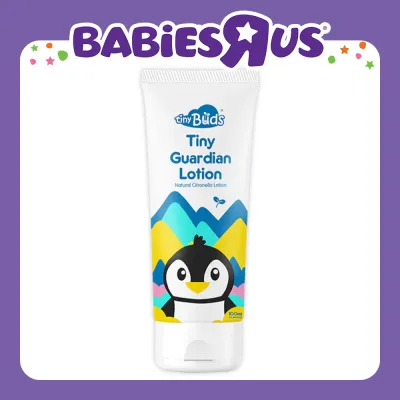
Prices are valid at publication and may change. Please refer to the product page for the latest price.
Understanding Citronella and Baby Skin
Citronella is an essential oil obtained from the leaves and stems of different species of lemongrass (Cymbopogon). Historically, this aromatic oil has been utilized in various outdoor applications, household products, and topical formulations due to its distinct, bright citrus scent. While adults often use concentrated citronella oils without any adverse effects, a baby’s skin requires a completely different level of caution.
An infant’s skin barrier is fundamentally different from that of an adult. During the first few years of life, a baby’s skin is up to thirty percent thinner, meaning it loses moisture much faster and absorbs topical substances far more readily. This increased permeability makes babies highly susceptible to absorbing chemicals, fragrances, and botanical extracts that would otherwise be harmless to older children or adults.
Because the skin barrier is still developing, introducing complex botanical mixtures can sometimes trigger contact dermatitis or localized irritation. Essential oils, including citronella, contain natural chemical compounds that can act as sensitizers when applied directly to delicate skin. Even when diluted in a lotion base, these compounds can occasionally cause a reaction if the baby’s skin is dry, chafed, or naturally sensitive.
It is vital for parents to recognize that no topical skincare product is universally guaranteed safe for every single infant. Labels such as “natural,” “organic,” or “plant-based” are helpful indicators of ingredient sources, but they do not serve as a guarantee against allergic reactions or skin sensitivity. Every baby has a unique skin profile, and what works beautifully for one infant might cause mild irritation for another.
How to Evaluate Tiny Buds Citronella Lotion for Your Child
To determine if Tiny Buds Citronella Lotion is appropriate for your baby, your first step should always be a thorough inspection of the product packaging. Manufacturers are required to print specific usage guidelines, and checking the explicit age recommendations is crucial. Some botanical lotions are formulated for infants of all ages, while others are strictly intended for babies older than six months.

Next, carefully review the full ingredient list printed on the back of the bottle. When evaluating a lotion, look for a simple, transparent formula that avoids common skin irritants. Parents of babies with highly sensitive skin should check if the product contains added synthetic fragrances, parabens, sulfates, or artificial colorants, as these additives are often the primary culprits behind pediatric skin flare-ups.
In addition to the ingredient list, look for official safety warnings, usage instructions, and regulatory notification marks on the label. In the Philippines, reputable baby care brands register their products with local health authorities to ensure compliance with basic cosmetic safety standards. Verifying these details on the packaging gives you peace of mind that the product has undergone standard quality control measures before reaching retail shelves.
If you are ever uncertain about an ingredient listed on the bottle, or if your baby has a history of eczema or reactive skin, do not hesitate to seek professional advice. Consulting your pediatrician before introducing a new topical product is the safest approach. You can also reach out directly to the brand’s official customer service channels to ask specific questions about their formulation and sourcing standards.
Safe Application and Patch Testing Guidelines
Before applying any new skincare product to your baby’s body, performing a localized patch test is a highly recommended safety practice. To conduct a patch test, apply a tiny, pea-sized amount of the citronella lotion to a small, discreet area of your baby’s skin, such as the inner forearm or the side of the thigh. Ensure the area is clean and dry before application.
Once the lotion is applied, monitor the test spot closely over the next twenty-four hours for any signs of a reaction. Keep the area dry and avoid applying other creams or soaps to that specific spot during the testing period. If you notice any redness, tiny bumps, swelling, or if your baby seems uncomfortable and tries to scratch the area, wash the lotion off immediately and discontinue use.
If the patch test is successful and no reaction occurs, you can proceed with normal application, keeping strict boundaries in mind. Always avoid applying citronella lotion near your baby’s eyes, nose, mouth, or hands. Because babies frequently rub their eyes and put their hands in their mouths, keeping the lotion away from these areas prevents accidental ingestion or painful eye irritation.
Furthermore, never apply botanical lotions to broken skin, open scratches, diaper rash, or areas affected by heat rash. The compromised skin barrier in these areas will absorb the ingredients much faster, which can cause intense stinging and worsen the inflammation. Apply the lotion sparingly, following the manufacturer’s recommended frequency, and avoid over-application, as excess lotion can trap sweat and heat in humid tropical weather.
Finally, always maintain close adult supervision during and after the first few applications of a new product. Watch how your baby behaves after the lotion is applied to ensure they do not experience any delayed discomfort. Store the lotion bottle securely out of reach of children to prevent accidental ingestion or misuse.
Signs of Irritation and When to Stop Use
As a parent, being able to recognize the early signs of skin irritation allows you to take swift action before a mild reaction becomes a severe issue. The most common symptom of a topical reaction is localized redness or a pinkish rash developing where the lotion was applied. You might also observe dry, flaky patches, small raised bumps, or mild swelling of the skin.
Behavioral changes can also indicate that a product is irritating your baby’s skin. If your baby becomes unusually fussy, restless, or repeatedly rubs or scratches at the areas where the lotion was applied, they are likely experiencing itching or a burning sensation. Do not ignore these subtle cues, even if a visible rash has not yet fully developed.
If you suspect your baby is having an adverse reaction to the lotion, take immediate steps to soothe their skin. Stop using the product right away and gently wash the affected area with lukewarm water and a mild, fragrance-free baby cleanser. Avoid scrubbing the skin; instead, use a soft cotton cloth to gently pat the area dry, and leave the skin bare to breathe and cool down.
While mild redness often resolves on its own once the product is washed off, certain situations require professional medical attention. Contact your pediatrician or a pediatric dermatologist if the rash spreads to other parts of the body, if the skin begins to blister or ooze, or if the irritation does not improve after twenty-four to forty-eight hours. Seek immediate emergency care if your baby shows any signs of a systemic allergic reaction, such as difficulty breathing, swelling of the lips or tongue, or extreme lethargy.
When dealing with irritated baby skin, avoid the temptation to self-medicate. Do not apply adult steroid creams, over-the-counter antihistamine ointments, or unverified home remedies like raw herbal pastes to the rash without a doctor’s explicit prescription. These products can be too strong for an infant’s system and may cause further complications or secondary skin infections.
Frequently Asked Questions (FAQ)
Can I use citronella lotion on a newborn?
Newborn skin is exceptionally thin, fragile, and still adapting to the external environment, making it highly susceptible to irritation from scented or botanical products. Most pediatricians recommend avoiding any lotions containing essential oils, including citronella, during the first few months of life unless the product is explicitly labeled as safe for newborns by the manufacturer. Always consult your pediatrician before applying any scented or botanical formulations to a newborn baby.
Does citronella lotion protect against mosquito bites?
While citronella is widely recognized for its distinct aroma which can help mask the scents that attract insects, you must check the specific product packaging of Tiny Buds Citronella Lotion to verify its official claims. Look for details regarding whether the product is registered as an active insect repellent, its recommended application frequency, and the expected duration of its scent. For comprehensive protection in high-risk mosquito areas, discuss approved pediatric insect repellents and preventative measures with your pediatrician.

Community discussion
Share your experience or ask a question. Comments are reviewed before publication.