
Deciding on the right oral care tools for your little one can feel overwhelming, especially with so many options available. The short answer is that the suitability of the Tenderoo toothbrush set depends entirely on matching the individual tools within the set to your baby’s specific developmental milestones and teething stages. Rather than relying on a generic age range printed on the front of a box, parents must carefully examine the manufacturer’s detailed age grading and safety warnings on the product packaging.
A multi-piece training kit provides the most value when it features transitional tools—such as soft silicone gum massagers for pre-teething infants and ultra-soft nylon bristle brushes for emerging teeth—allowing you to scale your routine as your baby’s mouth develops. By aligning each brush type with your baby’s immediate and near-future needs, you can support healthy oral hygiene habits from the very beginning.
Step 1: Identify Your Baby's Current Teething Stage
Before purchasing or using any tool from an oral care set, you need to establish a clear baseline of your baby’s current oral development. Teething is a highly individualized process, and babies hit milestones at widely varying times. Understanding these stages allows you to select the safest and most effective tool for their mouth.
Products mentioned in this guide
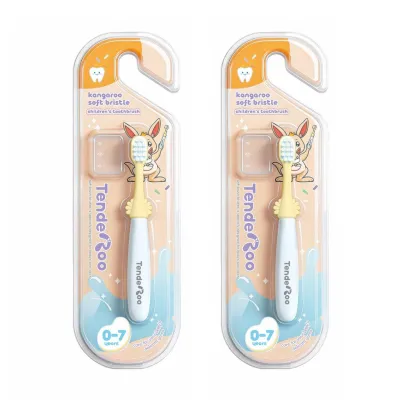
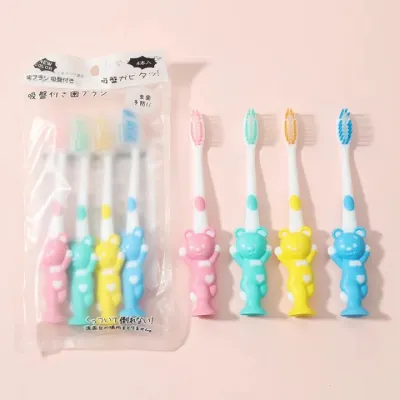
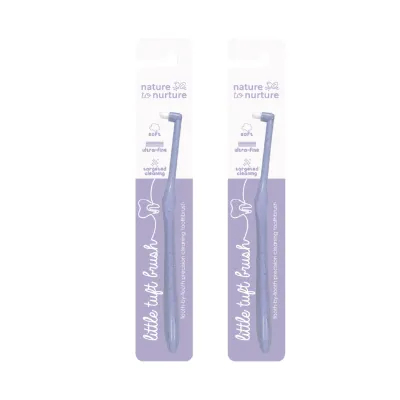
Prices are valid at publication and may change. Please refer to the product page for the latest price.
- Pre-teething stage: This stage typically begins around three to six months of age. During this phase, you will observe signs like increased drooling, a constant desire to chew on fists or toys, and general fussiness. Although there are no visible teeth yet, your baby's gums are preparing for eruption, and they require gentle gum stimulation to relieve deep-tissue pressure and maintain overall oral hygiene.
- Early teething stage: This period is marked by the breakthrough of the very first teeth, which are almost always the lower central incisors. You will notice swollen, slightly reddened gums where the tooth is pushing through. This period is often accompanied by heightened sensitivity, meaning your baby needs ultra-soft, highly flexible textures that can clean the area without causing pain or scraping the newly exposed enamel.
- Multiple teeth stage: This stage occurs as more incisors and eventually the first molars begin to erupt. At this point, your baby is likely transitioning to solid foods, which increases the risk of food particles getting trapped in the crevices of the teeth. This stage requires a structured brush head with actual bristles that can sweep around all sides of the teeth, a task that simple silicone massagers cannot perform effectively.
To safely inspect your baby’s mouth, find a well-lit area and wash your hands thoroughly with soap and warm water. Gently slide your index finger along their upper and lower gums to feel for hard bumps, swelling, or emerging tooth edges. If you notice any unusual bleeding, persistent white patches, or if your baby shows extreme distress during this gentle inspection, stop immediately and consult a pediatric dentist or qualified healthcare professional.
Step 2: Match the Brush Types to the Developmental Stage
A comprehensive baby oral care set is not a one-size-fits-all solution; it is a collection of specialized tools designed for specific developmental phases. To ensure safety and effectiveness, you must verify which specific tool in the set is intended for your baby’s current stage by carefully reading the product labels.

Evaluating Silicone Finger Brushes or Gum Massagers
Silicone finger brushes are slip-on tools designed for caregivers to gently clean and massage an infant’s mouth during the pre-teething and early teething stages. These tools are ideal for wiping away milk residue from the tongue and gums after feedings, helping to establish an early hygiene routine before the first teeth fully emerge.
When evaluating this component in the Tenderoo set, check the packaging to ensure the silicone bristles are rounded, pliable, and free of sharp edges. It is equally important to test the fit of the finger sleeve; it must fit the caregiver’s finger securely without slipping or sliding during use, as a loose sleeve can pose a serious choking risk.
In the warm and highly humid climate of the Philippines, silicone tools require extra care. Always ensure the finger brush is dried completely in a well-ventilated area after washing to prevent mold or bacterial growth from developing inside the finger cavity. If you notice any stubborn discoloration or a musty odor, discard the tool immediately.
Evaluating Training Brushes with Soft Bristles
Once your baby has multiple teeth visible, a finger brush is no longer sufficient to clean the deep grooves and spaces between teeth. This is the stage where you must transition to a handled training brush featuring ultra-soft bristles that can reach around the entire tooth surface.
When examining a training brush, look for a small, rounded brush head that can easily navigate the tight spaces of a baby’s mouth without bruising the gums. The handle should be chunky and slip-resistant, allowing parents to maintain a secure grip during assisted brushing sessions.
Be sure to verify the manufacturer’s recommended age range on the label. Using a brush with bristles that are too stiff or a head that is too large can damage delicate enamel and cause discomfort, leading to resistance during brushing time. If the packaging does not specify the bristle stiffness or age suitability, consult a professional before use.
Evaluating Teething Sticks or Bite-Resistant Tools
Many multi-piece sets include specialized teething sticks or textured chew tools that babies can hold and manipulate independently to soothe their gums. These tools are excellent for self-soothing, but they must meet strict physical safety requirements to prevent accidents.
When assessing these bite-resistant tools, prioritize physical safety features such as a wide, built-in protective guard or shield. This guard physically prevents the baby from pushing the tool too far back into their throat, reducing the risk of gagging or choking.
Check the product packaging to confirm that the material is specifically rated for active chewing and biting, ensuring it won’t tear or break apart under pressure. Caregiver supervision is mandatory whenever a baby is using these independent tools, as no chew toy is entirely indestructible.
Step 3: Verify Safety, Materials, and Care Instructions on the Packaging
Because these oral care tools go directly into your baby’s mouth, you must never make assumptions about safety based on brand name or visual appeal alone. Always conduct a thorough check of the physical packaging for verified material claims and care guidelines.
Look for explicit, printed certifications such as “BPA-free,” “food-grade silicone,” “phthalate-free,” and “PVC-free” directly on the box. These labels provide assurance that the materials used do not contain harmful chemical compounds that could leach out during use or sterilization.
Always follow the manufacturer’s printed age recommendations and developmental limits, as these guidelines are based on safety testing and supersede general advice found online. If your baby’s weight or developmental stage does not match the printed recommendations, do not use the product.
Proper hygiene and sterilization are critical for infant health, but improper cleaning can ruin your brushes. Check the packaging for specific care instructions, noting the maximum temperature limits for boiling, steam sterilization, or dishwasher use. Some materials, especially soft nylon bristles or specific plastics used in handles, can warp, melt, or release fumes if exposed to temperatures beyond their design limits. If the manufacturer’s care instructions conflict with your home sterilizer’s settings, or if the material is unidentified, stop use and consult the manufacturer or a pediatric dental professional.
Signs It Is Time to Transition to a Different Brush
Baby toothbrushes and oral care tools undergo significant wear and tear from daily use, constant biting, and exposure to moisture. You should inspect each tool before every use for visible signs of physical wear to ensure your baby’s safety.
- Physical wear: Look for frayed or splaying bristles, discoloration of the silicone, a sticky or slimy texture that does not wash away, or tiny micro-tears in the material. If you observe any of these issues, discard the tool immediately, as loose bristles or torn silicone pieces present a severe choking hazard and can harbor harmful bacteria.
- Developmental outgrowing: Your baby's physical growth and developmental progress are also clear indicators that it is time to transition. When your child reaches the toddler stage and begins attempting to brush their teeth independently, they will require a brush with a larger brush head and an ergonomic handle designed for their developing grip.
- Hygiene triggers: Standard hygiene practices also dictate the replacement timeline. Always replace your baby's toothbrush after they have recovered from an illness, such as a common cold or stomach bug, to prevent reinfection.
As a general rule, even if no visible wear is present, check the manufacturer’s packaging for their recommended replacement schedule, which typically suggests replacing oral care tools every two to three months. Keeping a close eye on the state of the brushes ensures your baby’s oral care routine remains both safe and effective.
Frequently Asked Questions (FAQ)
How often should I replace the brushes in a baby oral care set?
Generally, pediatric dental guidelines recommend replacing any baby toothbrush or oral care tool every two to three months. You should also replace the brush immediately if you notice frayed bristles, torn silicone, or if your baby has recently recovered from an illness. Because material durability varies widely between silicone massagers and nylon bristle brushes, always consult the specific replacement guidelines printed on the product packaging for the most accurate timeline.
Can I use infant toothpaste with the brushes in this set?
Yes, the physical brushes in a baby oral care set can generally be used with infant toothpaste, but the decision to introduce toothpaste should align with your baby’s age and developmental stage. For very young infants, cleaning the gums with water or a damp cloth is sufficient. Once the first teeth emerge, you should consult your pediatric dentist to determine whether to use a fluoride or fluoride-free toothpaste, as well as the correct amount to apply—which is typically a tiny smear no larger than a grain of rice.
Community discussion
Share your experience or ask a question. Comments are reviewed before publication.