
Protecting your baby from mosquito bites is a top priority for parents in the Philippines, especially during the high-humidity rainy season when dengue cases rise. The Kleenfant Citronella Collection Spray, Lotion and Stick-On Patches Hypoallergenic, Non-Sticky line is a popular choice for families seeking plant-based alternatives to synthetic insect repellents. However, determining whether these products are entirely safe for your baby requires understanding how natural active ingredients interact with sensitive infant skin.
While plant-derived ingredients are often perceived as inherently gentle, your baby’s developing skin barrier requires careful precautions. The Kleenfant citronella line can be a valuable tool in your mosquito prevention toolkit, but its safety depends heavily on proper application, age-appropriate usage, and vigilant observation. This guide details how citronella affects infant skin, how to apply each product format safely, and how to integrate these products into a comprehensive dengue defense plan.
How Citronella Affects Baby Skin and Safety
Citronella is an essential oil extracted from the leaves and stems of different species of Cymbopogon (lemongrass). It functions as a plant-based repellent by masking the environmental scents—such as carbon dioxide and lactic acid—that human bodies naturally emit to attract mosquitoes. Instead of killing the insects, citronella makes it difficult for them to locate a target. While this mechanism is highly effective, the natural chemical compounds within citronella, such as geraniol and citronellol, can still interact intensely with delicate skin.
Products mentioned in this guide
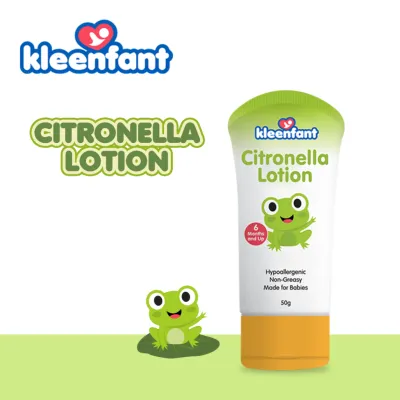
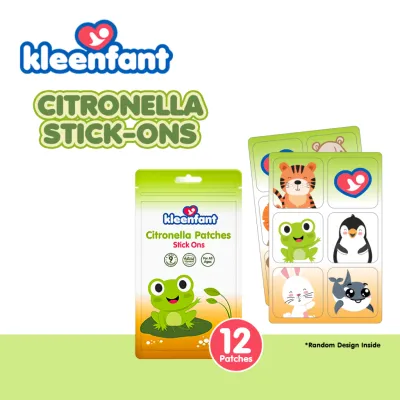
Prices are valid at publication and may change. Please refer to the product page for the latest price.
An infant’s skin barrier is significantly thinner, more permeable, and more fragile than an adult’s. Because of this structural difference, babies absorb topical substances much more rapidly, making them highly susceptible to localized contact dermatitis, redness, and irritation. Furthermore, the strong scent of concentrated essential oils can occasionally trigger respiratory irritation or sneezing in young infants whose airways are still highly sensitive.
Products in the Kleenfant collection carry labels such as “hypoallergenic” and “non-sticky.” These terms indicate that the manufacturer has formulated the products to minimize common allergens and provide a comfortable, lightweight texture on the skin. However, “hypoallergenic” is not a medical guarantee of zero allergic reactions. Every baby has a unique skin profile, and a product that is perfectly soothing for one infant may trigger a reaction in another.
Because of these physiological variables, you must always verify the manufacturer’s specified age restrictions on the product packaging before the first application. Pediatric guidelines and product safety standards vary globally, meaning that general assumptions about “natural” safety should never replace the explicit age limits and usage instructions printed on the physical bottle or box.
Safety Guidelines for Kleenfant Sprays, Lotions, and Patches
Using mosquito repellents safely requires matching the application method to the specific product format. Sprays, lotions, and stick-on patches each have distinct safety boundaries designed to minimize direct exposure risks to your baby’s eyes, mouth, and respiratory system.

Applying Sprays and Lotions Safely
Direct-skin products like sprays and lotions require a hands-on application technique to prevent accidental ingestion or mucous membrane irritation. You should never spray any repellent directly onto your baby’s body or face. Liquid mists are easily inhaled, which can irritate your baby’s delicate lungs and cause immediate coughing or respiratory discomfort.
To apply a spray safely, mist the product onto your own hands first, rub your palms together, and then gently pat or rub the repellent onto your baby’s exposed skin. When using a lotion, squeeze a small amount into your hands and apply it with the same controlled method. Focus only on exposed areas of skin, completely avoiding the baby’s face, eyes, nose, and mouth.
Additionally, avoid applying these products to your baby’s hands and feet. Infants frequently place their hands and toes into their mouths, which dramatically increases the risk of accidental ingestion. You must also avoid applying repellent to areas with open cuts, scratches, or active diaper rashes, as the active ingredients can sting and worsen the inflammation. Finally, do not apply sprays or lotions underneath your baby’s clothing. Covering treated skin with fabric can trap heat and moisture, accelerating skin absorption and significantly increasing the likelihood of localized irritation.
Using Stick-On Patches Without Skin Contact
Repellent patches offer an excellent alternative for parents who want to avoid applying topical formulas directly to their baby’s skin. These patches are infused with citronella oil and work by releasing a protective scent barrier into the immediate surrounding air. However, because they rely on highly concentrated essential oils, they must never be stuck directly onto your baby’s skin.
Instead, apply stick-on patches to external surfaces such as your baby’s clothing, the outer fabric of their stroller, or the wooden frame of their crib. The primary safety risk associated with patches is ingestion and choking. Babies are naturally curious and explore their environment by grabbing items and putting them in their mouths. If a patch is within their reach, they can easily peel it off, presenting a severe choking hazard or causing chemical irritation if chewed.
To prevent this, place the patches strategically on areas your baby cannot easily see or reach. Excellent placements include the upper back of their shirt, the outer canopy of the stroller, or the underside of a high chair tray. Always supervise your baby closely while they are wearing or near a patch, and regularly check that the adhesive remains secure so the patch does not fall off into their lap or sleeping area.
Precautions and Patch Testing for Sensitive Skin
Before introducing any new topical product to your baby, performing a localized patch test is a vital precautionary step. This test allows you to observe how your baby’s skin reacts to the formulation in a controlled, low-risk manner before you apply it to larger areas of their body.
To conduct a patch test, follow these steps:
- Select a small, clean, and healthy area of skin on your baby's outer leg or arm.
- Apply a tiny dab of the Kleenfant lotion or a single light swipe of the spray (applied via your finger) to the chosen spot.
- Leave the product on the skin for 24 hours without washing it off, provided no immediate reaction occurs.
- Monitor the test area closely throughout the day and night for any signs of sensitivity.
During and after the 24-hour test period, look for observable signs of an adverse reaction. These signs include localized redness, swelling, small raised bumps, hives, dry or flaky patches, or signs of physical discomfort such as your baby scratching the area or showing unusual fussiness.
If you observe any of these symptoms, perform immediate, low-risk first aid. Gently wash the treated area with lukewarm water and a mild, fragrance-free baby soap to remove all product residues. Discontinue using the product immediately and keep the skin clean and dry. Do not apply medicated creams or home remedies to the irritated area unless specifically advised by a healthcare professional.
While minor redness often resolves on its own once the product is washed away, you must know when to seek professional medical help. Consult your pediatrician immediately if the rash begins to spread beyond the initial application site, if the skin develops blisters or starts to weep, or if your baby exhibits any signs of a systemic allergic reaction, such as facial swelling, wheezing, persistent coughing, or difficulty breathing.
Maximizing Protection During Dengue Season
In the tropical climate of the Philippines, relying solely on a single plant-based repellent is rarely enough to guarantee complete protection against dengue. Citronella-based products generally have a shorter effective duration and higher volatility compared to synthetic chemical alternatives like DEET or Picaridin. Because citronella evaporates rapidly in hot, humid weather, it requires more frequent reapplication according to the manufacturer’s instructions.
To keep your baby safe, view the Kleenfant collection as just one layer of a multi-tiered defense strategy. Combining repellents with physical barriers and environmental controls creates a highly effective shield against the Aedes aegypti mosquito, the primary carrier of the dengue virus.
Physical and environmental barriers are highly reliable because they do not rely on chemical action. When your baby is sleeping or resting, use an intact, fine-mesh mosquito net (lambat) over their crib, playpen, or stroller. Ensure the net is tucked in securely so no mosquitoes can slip underneath. When going outdoors, dress your baby in loose-fitting, light-colored clothing that covers their arms and legs. Dark colors naturally attract mosquitoes, and tight clothing allows insects to bite directly through the fabric to the skin. Additionally, ensure that your home’s window and door screens are fully intact and free of tears.
At the community and household level, disrupting the mosquito breeding cycle is essential. Aedes mosquitoes lay their eggs in clean, stagnant water. Dedicate time each week to inspect your home and yard for standing water. Empty, scrub, and cover potential breeding sites such as flowerpot saucers, unused buckets, pet water bowls, open trash cans, and clogged roof gutters. By eliminating these water sources, you drastically reduce the local mosquito population and lower the risk of dengue transmission for your entire household.
Frequently Asked Questions (FAQ)
Can I use citronella-based repellents on newborns?
Pediatric guidelines generally advise against using essential oil-based repellents on very young infants, typically those under 2 to 6 months of age, due to their highly permeable skin and sensitive respiratory systems. You should strictly follow the minimum age recommendation printed on the Kleenfant product packaging. For newborns and very young infants, rely entirely on physical barriers such as mosquito nets, window screens, and protective clothing rather than topical repellents.
How long does citronella protection typically last?
Plant-based active ingredients like citronella evaporate quickly when exposed to air, heat, and humidity. Consequently, they provide a shorter window of protection than synthetic chemical repellents. You should check the specific packaging of your Kleenfant product to find the manufacturer’s recommended reapplication interval. Avoid over-applying the product; only reapply as directed by the label when your baby is entering areas with active mosquito activity.
What are the immediate steps if my baby has a skin reaction?
If your baby shows signs of skin irritation, stop using the product immediately. Wash the affected area gently with lukewarm water and a mild, fragrance-free baby cleanser to remove any remaining repellent. Pat the skin dry with a clean towel and monitor your baby closely. If the redness or rash does not improve, spreads to other parts of the body, develops blisters, or is accompanied by breathing difficulties, seek professional medical care from a pediatrician immediately.
Community discussion
Share your experience or ask a question. Comments are reviewed before publication.