
Is the GastroEase Inhaler Safe for Infants and Toddlers?
When your baby is fussy, congested, or experiencing digestive discomfort, finding a quick and effective solution is a top priority. In your search for remedies, you may have come across the GastroEase inhaler. However, before introducing any new product into your child’s care routine, understanding its safety profile is essential for preventing accidental harm.
The safety of the GastroEase inhaler for infants and toddlers is not a simple yes or no answer. Instead, determining whether it is safe depends entirely on your baby’s exact age, their current developmental stage, and the specific active ingredients used in that particular product formulation. Because product lines can vary, assuming one inhaler is safe based on the brand name alone can be a dangerous mistake.
Many aromatic, herbal, or essential oil-based inhalers are strictly contraindicated for infants and toddlers under two years of age. A baby’s respiratory system is highly sensitive and still developing, making them vulnerable to compounds that adults tolerate easily. Strong vapors that feel refreshing to an adult can cause adverse physical reactions in a young child’s delicate airways.
Products mentioned in this guide
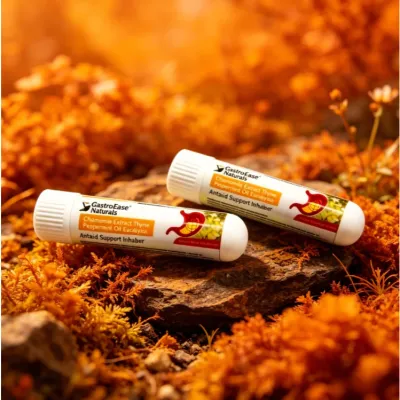
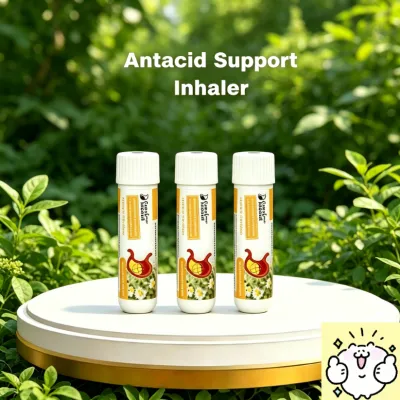

![[BUY 1 TAKE 1] Antacid Support Inhaler - GastoEase Naturals](https://img.lazcdn.com/g/p/ec242309f2a08e16cb5e00d7293cb95f.png_400x400q80.png_.webp)
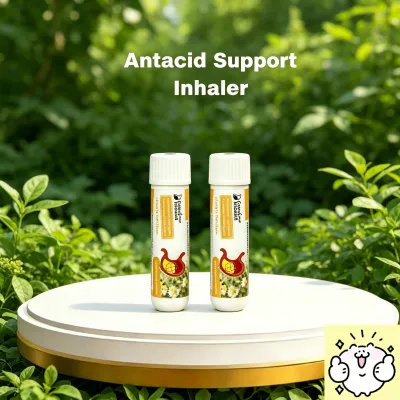
![[BUY 1 TAKE 1] Antacid Support Inhaler - GastoEase Naturals](https://img.lazcdn.com/g/p/771420ac831913ebd8fcba7fa90c9920.png_400x400q80.png_.webp)
Prices are valid at publication and may change. Please refer to the product page for the latest price.
Before you use or purchase any inhaler for your child, you must read the product label thoroughly and consult a qualified pediatrician. Only a healthcare professional can evaluate your baby’s health status and provide personalized guidance on whether a specific formulation is appropriate. Taking this precautionary step protects your baby from potential respiratory irritation and systemic complications.
In the tropical climate of the Philippines, high humidity and temperature fluctuations from air conditioning can frequently lead to infant congestion or discomfort. While parents often seek fast relief to help their little ones sleep, relying on strong aromatic inhalers without medical clearance can introduce unnecessary health risks.
Critical Ingredients to Check on the Product Label
To make an informed decision, you must learn to locate and analyze the active ingredients list on the GastroEase packaging. This information is typically printed on the back of the outer box or directly on the inhaler casing. Identifying these compounds allows you to recognize potential hazards before they affect your child.

Many over-the-counter inhalers rely on strong volatile compounds such as camphor, menthol, eucalyptus oil, or peppermint oil to deliver a sensation of cleared airways. While these ingredients are common in adult remedies, they can be highly toxic and irritating to a baby’s narrow airways. These substances stimulate sensory nerves to produce a cooling sensation, but in infants, this stimulation can trigger a protective reflex that actually restricts breathing.
When examining the label, look closely for explicit age warnings, concentration percentages, and pediatric testing claims. If a product does not clearly state that it is safe for infants of your child’s specific age, you should assume it is not suitable. Keep in mind that claims like “dermatologically tested” or “pediatrician approved” are general marketing terms and do not override age-specific restrictions printed on the packaging.
It is also vital to understand that “natural,” “organic,” or “herbal” labels do not automatically guarantee safety for infants. Many pure, plant-derived essential oils are highly concentrated chemical mixtures that pose significant risks to young children. A product can be entirely natural and still be highly toxic or irritating to a developing respiratory tract.
Always cross-reference the active ingredient list with guidelines from recognized pediatric organizations. If you are unsure about any chemical or botanical name listed on the package, keep the product out of reach and consult your pediatrician for a professional ingredient review.
Potential Respiratory and Neurological Risks for Babies
Understanding the physiological reasons behind age restrictions can help you appreciate why pediatricians advise extreme caution with aromatic inhalers. An infant’s respiratory system is not just a smaller version of an adult’s; it is anatomically and functionally different. Their airways are much narrower, more reactive, and supported by softer cartilage, making them highly susceptible to obstruction.
When a baby inhales strong volatile compounds, the intense sensory stimulation can trigger a bronchospasm. A bronchospasm is a sudden, involuntary contraction of the muscles surrounding the airways, which narrows the passage and makes breathing incredibly difficult. This reaction can occur rapidly, turning a mild congestion issue into an acute respiratory emergency.
In addition to muscle contractions, strong vapors can cause airway irritation and trigger excessive mucus production. While an adult might feel that menthol clears their nose, an infant’s body may react to the irritation by producing thick mucus to protect the sensitive airway lining. This excess mucus can quickly clog their tiny nasal passages, worsening the very congestion you wanted to relieve.
Beyond respiratory concerns, certain common inhaler ingredients carry significant neurological risks for young children. Camphor, for instance, is highly lipophilic and rapidly absorbed through the skin, mucous membranes, or lungs. Once absorbed into an infant’s bloodstream, high concentrations of camphor can act as a central nervous system toxin, potentially causing severe neurological reactions, including seizures and convulsions.
Because of these severe risks, medical experts and toxicologists maintain strict age limits on products containing camphor, menthol, and concentrated essential oils. Maintaining an objective awareness of these physiological vulnerabilities is key to keeping your baby’s environment safe and free from airborne irritants.
Age Restrictions and Safe Usage Boundaries
The most critical rule of baby care is to respect manufacturer age restrictions without exception. If the label on a GastroEase product states “Not for children under 2 years” or “Consult a physician for children under 6,” you must not bypass this warning. Attempting to dilute the product, keeping it further away, or using a smaller amount does not eliminate the inherent chemical risks.
If your child has reached the age approved by both the manufacturer and your pediatrician, you must practice strict safety boundaries during use. Never apply the inhaler directly to the baby’s face, under their nose, on their lips, or directly on their skin. Direct application increases the risk of chemical burns, eye irritation, and rapid systemic absorption through the skin.
When using an approved inhaler, keep the device at a safe distance from your child’s immediate breathing zone. Ensure the room is well-ventilated to allow volatile vapors to disperse naturally rather than accumulating in high concentrations. In the Philippines, where indoor spaces are often closed off for air conditioning, opening a window or using a fan to promote fresh air circulation is highly recommended.
Strictly limit the duration of exposure. A brief, controlled inhalation is far safer than leaving an active inhaler near a child for an extended period. Continuous exposure can saturate the air and overwhelm your child’s respiratory system, leading to delayed irritation or distress.
Finally, never use an inhaler or leave aromatic products inside enclosed microenvironments such as cribs, strollers with closed canopies, or small, unventilated bathrooms. These confined spaces trap volatile organic compounds, rapidly elevating the air concentration to levels that can be highly toxic to a resting baby.
Warning Signs: When to Stop Use and Seek Help
Even when using products that are labeled as age-appropriate, you must monitor your baby closely for any signs of an adverse reaction. Babies cannot communicate their discomfort verbally, so you must rely on careful observation of their physical appearance and behavior. Recognizing early warning signs allows you to intervene before a minor reaction becomes a severe health crisis.
Watch for immediate red flags of respiratory distress, which include sudden, persistent coughing, wheezing, or unusually rapid breathing. You should also look for physical signs of labored breathing, such as retraction (where the skin sucks in tightly around the ribs or collarbone), nasal flaring, or grunting sounds with each breath. Allergic reactions may also present as sudden skin redness, hives, or swelling around the face and eyes.
If you observe any of these warning signs, you must take immediate, low-risk action. First, remove the inhaler or aromatic source from the room entirely. Next, carry your baby into fresh air immediately—either step outside or move to a well-ventilated area with active air movement. Keep the baby upright to help ease their breathing, and observe them closely for several minutes.
If your baby’s symptoms do not improve quickly after moving to fresh air, or if they exhibit signs of severe distress like blue-tinted lips, extreme lethargy, or unresponsive behavior, seek emergency medical care immediately. In the Philippines, you can contact your local emergency services or consult the National Poison Management and Control Center at UP-PGH if you suspect your child has inhaled a toxic concentration or accidentally ingested the product.
Safer Alternatives for Infant Digestive and Respiratory Comfort
Because of the risks associated with volatile inhalers, pediatricians generally recommend relying on safer, non-pharmacological methods to comfort a congested or colicky baby. These evidence-based physical interventions provide effective relief without exposing your child’s developing systems to harsh chemical vapors.
Soothing Digestive Discomfort and Colic
If you are considering GastroEase to help ease your baby’s tummy troubles, gas, or colic, there are several highly effective, risk-free physical techniques you can try. Gentle tummy massages are an excellent way to help move trapped gas through your baby’s digestive tract. To do this safely, place your warm hand on your baby’s abdomen and make gentle, clockwise strokes, following the natural path of the colon.
Another simple movement is the “bicycle legs” exercise. Lay your baby on their back and gently move their legs in a pedaling motion, pressing their knees lightly toward their chest. This physical compression helps compress the abdomen gently, encouraging the release of trapped gas bubbles that cause pain and fussiness.
A warm bath can also work wonders for a colicky baby. The warm water helps relax tense abdominal muscles, while the soothing sensory experience can distract and calm a crying infant. Additionally, pay close attention to your feeding positions; keeping your baby in an upright position during feeding and for at least 20 to 30 minutes afterward helps prevent acid reflux and reduces the amount of air they swallow.
Managing Mild Congestion Safely
When your baby is suffering from mild nasal congestion, you can clear their airways safely without relying on strong medicated vapors. Your first line of defense should be non-medicated saline nasal drops. Applying one or two drops of sterile saline into each nostril helps loosen and liquefy thick, stubborn mucus, making it much easier to remove.
After applying the saline drops, use a clean bulb syringe or a manual nasal aspirator to gently suction the loosened mucus out of your baby’s nose. Be sure to compress the bulb before inserting the soft tip into the nostril, and release it slowly to draw out the fluid. Always clean the aspirator thoroughly with warm, soapy water after each use to prevent bacterial growth.
To maintain a comfortable environment, run a cool-mist humidifier in your baby’s room, especially during the night or when using air conditioning. Ensure you use only plain, clean water in the humidifier tank; never add essential oils, inhaler liquids, or vapor rubs, as diffusing these substances into the air carries the same respiratory risks as direct inhalers. Regular cleaning of the humidifier is also essential to prevent mold and bacteria from dispersing into the air.
Frequently Asked Questions (FAQ)
Can I use the adult GastroEase inhaler on my baby if I keep it further away?
No, you should never use an adult formulation on or near an infant, regardless of the physical distance. Adult inhalers are formulated with significantly higher concentrations of active volatile compounds like menthol and camphor. These compounds disperse rapidly through the air and can quickly accumulate in a room, even if the device is placed several feet away from the crib. Because an infant’s respiratory tract is incredibly sensitive, even low ambient concentrations of these strong vapors can trigger severe airway irritation, bronchospasms, or respiratory distress. Always use products that are specifically manufactured, tested, and labeled for your child’s exact age group.
What should I do if my baby accidentally ingests the inhaler liquid or gel?
If your baby accidentally ingests any liquid or gel from an inhaler, treat it immediately as a medical emergency. Do not attempt to induce vomiting, as this can cause the volatile oils to enter the lungs, leading to a highly dangerous condition known as chemical pneumonia. Immediately wipe any visible residue from your baby’s mouth using a clean, damp cloth. Call your local emergency services or the National Poison Management and Control Center immediately, or transport your baby to the nearest hospital emergency room. Be sure to bring the exact product packaging with you so the medical team can identify the active ingredients and administer the correct treatment safely.
Community discussion
Share your experience or ask a question. Comments are reviewed before publication.