
Deciding on the right breastfeeding equipment is a highly personal and practical choice for mothers in the Philippines. Among the options on the market, the dr isla manual breast pump has emerged as a visible, budget-friendly contender. For mothers navigating early lactation, balancing household budgets, or preparing to return to work, this pump offers an accessible entry point into manual milk expression. It serves as a practical, lightweight tool for occasional pumping, relieving local engorgement, or acting as a quiet, electricity-free backup during seasonal power interruptions. However, when compared to premium international brands, there are distinct trade-offs in ergonomics, material customization, and long-term suction efficiency that you must evaluate. The ideal choice ultimately depends on your pumping frequency, physical comfort, budget, and unique breast anatomy.
Suction Efficiency: Milk Yield and Expression Speed
Unlike electric models that rely on automated motors to maintain a consistent vacuum, manual breast pumps depend entirely on your hand stamina, rhythm, and physical technique. This means that milk yield and expression speed are highly user-controlled. When using a budget-friendly option like the dr isla manual breast pump, the suction mechanism is typically straightforward, relying on a direct spring-loaded handle to compress a silicone diaphragm. To initiate a let-down reflex, you must manually perform short, rapid half-squeezes to mimic a baby’s initial suckling. Once your milk begins to flow, you transition to slower, deeper, full-handle squeezes, holding the handle down for a few seconds at the peak of the vacuum to maximize milk flow.
In contrast, premium manual breast pumps often feature specialized dual-phase technology integrated directly into the handle design. These models allow you to switch physical pivot points on the lever, making it much easier to transition from stimulation mode to expression mode without changing your hand position or applying excessive physical force. For mothers in the early postpartum days who are attempting to extract thick colostrum, a highly responsive and easily controlled vacuum is essential. As your milk matures and volume increases, the ability to maintain a steady, comfortable rhythm becomes the primary driver of how quickly you can empty your breasts.
Products mentioned in this guide
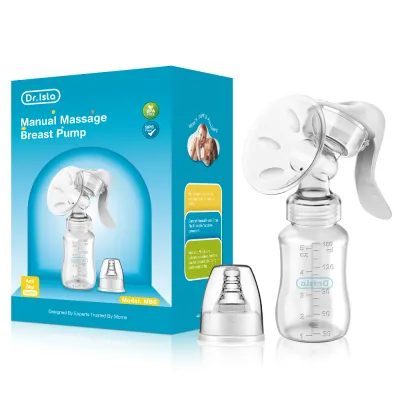
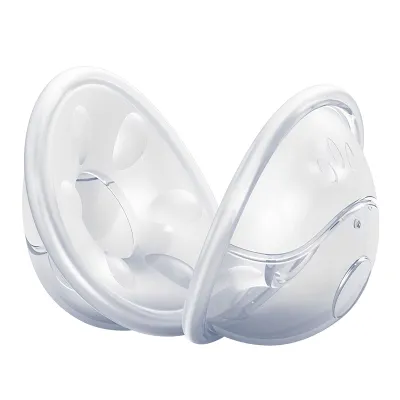
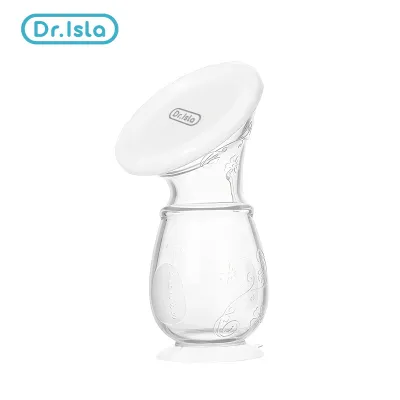
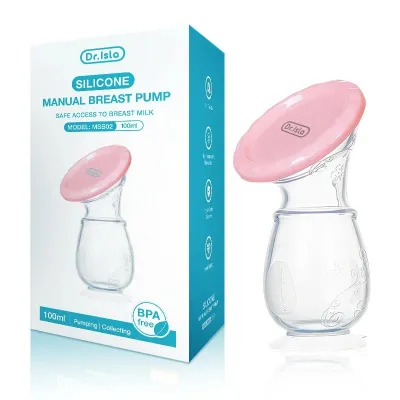
Prices are valid at publication and may change. Please refer to the product page for the latest price.
It is important to remember that manual pumping is inherently a more active and time-consuming process than using a double electric pump. Because you can only pump one breast at a time, a single session can easily take 30 to 45 minutes of continuous physical effort. During these sessions, you must actively monitor your breasts for signs of incomplete emptying, such as persistent firm areas or localized heaviness. Incomplete breast emptying sends a biological signal to your body to slow down milk production, which can gradually compromise your overall milk supply over time. If you find that manual expression consistently leaves your breasts feeling heavy or leads to recurring clogged ducts, it may be a clear indicator that your body requires the stronger, more consistent stimulation of a double electric pump.
Comfort and Ergonomics: Handle Design and Flange Fit
Physical comfort during a pumping session is a critical factor in preventing nipple trauma, maintaining a healthy let-down reflex, and avoiding hand and wrist strain. A typical manual pumping session requires hundreds of repetitive hand squeezes. Standard manual pumps with basic straight-handle designs can quickly cause fatigue in the small muscles of your hand and wrist, potentially leading to repetitive strain issues over weeks of regular use. Premium models often counter this by incorporating ergonomically contoured handles that allow you to pump at more natural angles, reducing the physical strain on your joints.

Another vital element of comfort is the flange, or breast shield, which funnels your breast tissue into the expression tunnel. The dr isla manual breast pump generally comes equipped with a standard-sized flange, which is designed to fit average nipple diameters. While this standard size works well for many mothers, it does not accommodate the natural diversity of breast anatomy. Some competitive brands offer a much wider selection of interchangeable flange sizes, ranging from 19mm to 30mm, or include soft, textured silicone cushions designed to gently massage the breast and improve seal contact.
To ensure a safe and pain-free pumping experience, you must measure your nipple diameter accurately. Using a millimeter ruler or a specialized circular measuring card, measure the base of your nipple (excluding the dark outer circle of the areola) immediately before a pumping session. As a general rule of thumb, your ideal flange size should be 2mm to 4mm larger than your pre-pump nipple measurement. A properly fitting flange allows your nipple to move freely back and forth in the tunnel without rubbing against the sides, while preventing too much of your sensitive areola tissue from being pulled inside.
Using an ill-fitting flange can lead to significant friction, swelling, skin abrasions, and severe nipple pain, which can ultimately inhibit your body’s ability to release milk. Before using any breast pump for the first time, always physically inspect the device for any rough plastic seams or manufacturing defects. Additionally, carefully check the product packaging and manufacturer labels to verify that all components coming into contact with your milk are explicitly certified as BPA-free and phthalate-free, ensuring that no harmful chemicals leach into your baby’s feed.
Price, Accessibility, and Replacement Parts in the Philippines
For many Filipino families, the financial aspect of raising an infant requires careful budgeting, making the initial cost of baby gear a primary decision driver. In the local market, the dr isla manual breast pump is positioned as an exceptionally accessible and budget-friendly option. It is widely available across major online marketplaces and select physical baby boutiques throughout the Philippines. The initial purchase price of this pump is often a fraction of what you would expect to pay for imported, premium European or American brands, which can easily cost three to five times more. This makes it an attractive option for budget-conscious parents or those who only need a pump for occasional outings.
However, the true value of any breast pump must be calculated over its entire operational lifespan, which depends heavily on the availability and cost of consumable replacement parts. Manual pumps rely on delicate silicone components—specifically duckbill valves, suction diaphragms, and sealing rings—to create and maintain a consistent vacuum. These silicone parts are subject to constant stretching and friction, causing them to lose their elasticity and structural integrity over time. When these parts begin to wear out, you will notice a sudden, frustrating drop in suction power, even if your manual pumping technique remains identical.
In the Philippines, the logistical ease of acquiring these replacement parts is a crucial factor. Because Dr. Isla has established a strong presence on local e-commerce platforms, finding affordable, compatible silicone valves and replacement diaphragms is generally simple and fast, with local shipping options delivering parts to major urban centers within a few days. Conversely, sourcing proprietary replacement parts for high-end international brands can sometimes be challenging, occasionally requiring you to order from specialized overseas distributors, which can lead to prolonged shipping delays, higher delivery fees, and unexpected downtime during which you cannot pump.
When evaluating the overall value proposition, you should factor in these long-term maintenance costs. If you plan to pump multiple times a day, you will need to replace these silicone consumables every few weeks to maintain optimal suction. While the initial savings of a budget-friendly pump are undeniable, you must weigh this against the durability of its parts and the ease with which you can purchase replacements without disrupting your daily breastfeeding routine.
Hygiene, Sterilization, and Material Safety
Maintaining a rigorous cleaning and sterilization routine is paramount when handling breast milk, as infants have developing immune systems that are highly vulnerable to food-borne pathogens and bacteria. This responsibility is particularly critical in the warm, humid tropical climate of the Philippines, where moisture-loving mold and bacteria can rapidly multiply on damp surfaces. To ensure your baby’s safety, you must completely disassemble every single part of your manual breast pump that comes into direct or indirect contact with breast milk after every single use.
Begin by thoroughly rinsing all disassembled parts under cool, clean water to remove any residual milk proteins. Next, wash the parts in a dedicated wash basin—never directly in the kitchen sink, which can harbor harmful bacteria from raw food and household dishes. Use warm, soapy water and a set of brushes dedicated solely to cleaning baby bottles and pump parts. Avoid using harsh abrasive sponges or steel wool, as these can create microscopic scratches in the plastic where bacteria can hide and colonize.
After washing, you must sterilize the parts according to the material specifications outlined in the manufacturer’s instruction manual. Standard manual pumps, including the dr isla manual breast pump, are typically constructed from a combination of polypropylene (PP) plastic and food-grade silicone. These materials generally have different heat tolerances; while silicone can withstand high temperatures, standard PP plastic can warp, crack, or degrade if subjected to excessive heat or left in boiling water for too long. Always verify whether your specific pump components are compatible with your chosen sterilization method, whether it is traditional boiling, electric steam sterilization, or modern UV sterilizers.
Important Safety Guidelines for Pump Maintenance:
- Never mix parts across brands: Avoid using valves, diaphragms, or flanges from different manufacturers, as even microscopic differences in dimensions can compromise the vacuum seal, cause milk leaks, and create hard-to-clean crevices that trap bacteria.
- Inspect parts regularly: Before assembling your pump, inspect all components under a bright light. Immediately discard and replace any parts that exhibit cloudiness, deep scratches, a sticky texture, cracking, or any signs of dark mold spots.
- Dry completely before storage: Allow all sterilized parts to air-dry completely on a clean, dedicated drying rack in a well-ventilated area away from high-humidity zones before storing them in an airtight container.
Final Verdict: How to Choose the Best Manual Pump for Your Needs
Selecting the ideal manual breast pump requires balancing your financial constraints, physical comfort, and lifestyle demands. To help you make a confident decision, use this practical, conditional decision framework tailored to the Philippine context.
Choose the Dr. Isla manual breast pump if:
- You are working within a strict budget and want an affordable, highly accessible entry-point pump.
- You only plan to pump occasionally, such as to relieve breast engorgement during milk supply surges, build a modest freezer stash, or manage occasional short outings away from your baby.
- You want a lightweight, highly portable, and quiet backup pump that requires no electricity, making it ideal for travel or emergency use during local power outages.
Choose a premium international brand if:
- You plan to pump multiple times a day or rely on a manual pump as your primary method of milk expression.
- You experience hand or wrist fatigue easily and require specialized, ergonomically advanced handle designs that reduce repetitive joint strain.
- Your nipple measurements fall outside the standard range, requiring a highly specific flange size or specialized comfort inserts that are not readily available in basic, one-size-fits-most packages.
Consider upgrading to an electric breast pump if:
- Manual pumping consistently causes physical pain, hand cramping, or severe wrist strain during your sessions.
- You need to express milk quickly and efficiently, especially when returning to a busy workplace or managing household chores while multitasking.
- You require a hands-free pumping setup that allows you to express milk from both breasts simultaneously, saving valuable time and energy throughout the day.
Frequently Asked Questions (FAQ)
Can I use Dr. Isla replacement parts on other breast pump brands?
No, you should avoid using Dr. Isla replacement parts on manual breast pumps from other manufacturers. Breast pump components are engineered with highly specific tolerances to create a precise airtight vacuum. Even a fraction of a millimeter difference in the diameter of a duckbill valve collar or a silicone diaphragm can prevent the pump from establishing proper suction. Furthermore, forcing incompatible parts together can warp the plastic connectors, lead to unexpected milk leakage, and create hidden gaps where bacteria can accumulate, posing a hygiene risk to your baby. Always purchase brand-specific replacement parts to ensure safe, efficient operation.
How often should I replace the silicone valves and membranes?
As a general guideline, you should inspect your silicone valves and membranes every few weeks and replace them every one to three months, depending on how frequently you pump. If you pump exclusively or multiple times a day, these delicate parts wear out much faster and may need replacement every four to six weeks. If you notice a sudden drop in suction, struggle to empty your breasts, or observe visible stretching, tearing, cloudiness, or warping of the silicone, replace the parts immediately. Keeping a spare set of valves on hand is highly recommended to prevent unexpected disruptions to your breastfeeding routine.

Community discussion
Share your experience or ask a question. Comments are reviewed before publication.