
Quick Answer: Evaluating Mosquito Patch Safety for Infants
Protecting infants from mosquito bites is a top priority for parents, especially in tropical climates like the Philippines where high humidity and rainy seasons bring an increased risk of mosquito-borne illnesses. When considering sticker-based repellents like the Cuddly Bugs Away patch, the general pediatric consensus is to exercise extreme caution with babies under one year old. Direct skin application of any chemical or highly concentrated botanical repellent is not recommended for infants under 12 months due to their delicate, developing systems.
While mosquito patches are designed to be applied to clothing or nearby surfaces rather than directly onto the skin, they are not universally safe for all age groups. The safety of any specific patch depends entirely on its active ingredients, the concentration of those ingredients, and the manufacturer’s tested age limits. Parents must carefully inspect the product packaging for explicit age restrictions and consult a pediatrician before introducing any new repellent product to a baby’s immediate environment.
How Repellent Patches Interact with Infant Skin and Immunity
To understand why mosquito patches require careful handling, it helps to look at how these products function. Most repellent patches are small, adhesive stickers infused with active ingredients—often natural essential oils like citronella, lemongrass, peppermint, or eucalyptus. These oils gradually evaporate into the air, creating a localized scent barrier that deters mosquitoes from landing nearby. While this mechanism avoids direct skin contact, it still introduces volatile organic compounds into the air your baby breathes.
Products mentioned in this guide
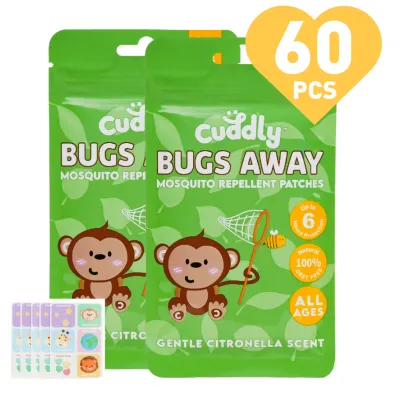
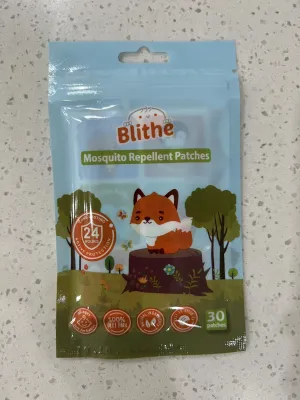
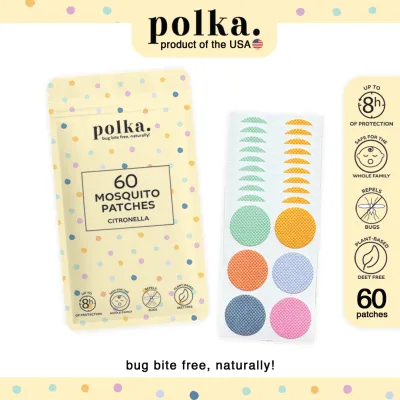
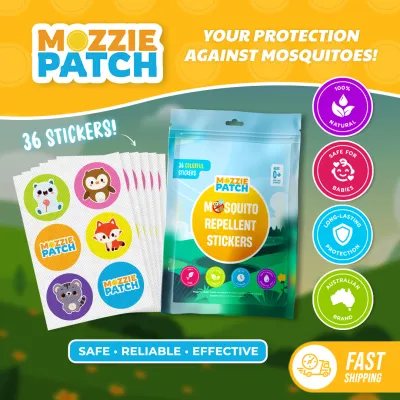
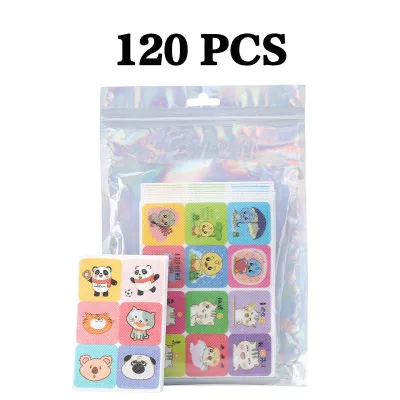
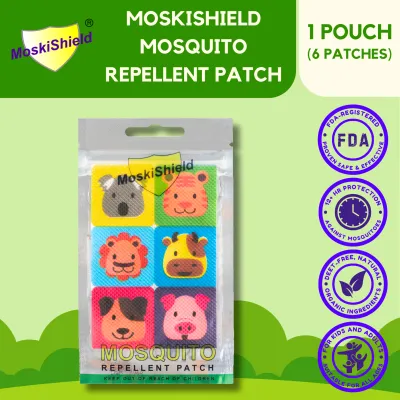
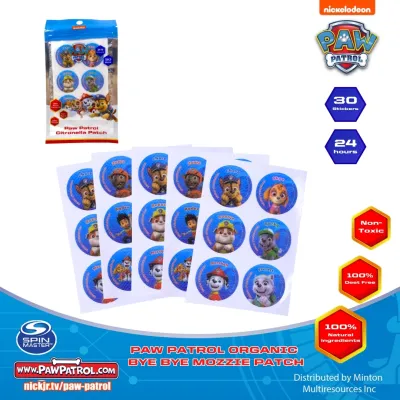
Prices are valid at publication and may change. Please refer to the product page for the latest price.

An infant’s physiology is vastly different from that of an adult, making them far more vulnerable to environmental substances. A baby’s skin is thinner, more permeable, and has a higher surface-area-to-body-weight ratio, meaning any accidental contact with the patch’s active chemicals can lead to rapid absorption. Furthermore, their immune systems are still developing, making them highly susceptible to localized allergic reactions and skin sensitivities from accidental exposure to the patch’s adhesive or concentrated oils.
Respiratory sensitivity is another critical factor for infants under one year old. The strong, concentrated scents that repel insects can easily irritate a baby’s sensitive airways. Inhaling these concentrated vapors in enclosed spaces, such as inside a covered stroller, a car, or a small nursery, can trigger respiratory discomfort, coughing, or sneezing. Because a baby cannot communicate these discomforts verbally, caregivers must remain highly vigilant when using any scented product nearby.
Essential Safety Checks Before Using Cuddly Bugs Away
Before purchasing or applying any mosquito patch, parents must perform a thorough safety audit of the product. Start by reading the manufacturer’s packaging from cover to cover. Look for explicit age recommendations, complete ingredient lists, and safety warnings. Some patches are marketed as natural but may still carry warnings advising against use on children under a certain age. Never assume a product is safe for a newborn simply because the packaging features cute cartoon characters or child-friendly branding.
Next, verify any safety claims or dermatological certifications printed on the box. Because product formulations and certifications can change over time, do not rely solely on online advertisements or third-party reviews. Check the manufacturer’s official website or contact their customer support to confirm that the specific batch you purchased has undergone rigorous safety testing. If the packaging lacks a clear ingredient list or age guideline, it is best to avoid using the product entirely.
If your pediatrician approves the use of a specific patch for your baby, proper placement is vital to minimize risks. Never stick a repellent patch directly onto your baby’s skin. Instead, apply the patch to areas of clothing or gear that are completely out of the baby’s reach and sight. Excellent placement options include the upper back of their shirt, the outer frame of a stroller, or the underside of a high chair. This prevents the baby from touching the patch and transferring active ingredients to their eyes or mouth.
Caregivers must also recognize that adhesive patches present a physical hazard. A curious baby who manages to peel off a sticker can easily put it in their mouth, posing a severe choking hazard or a risk of chemical poisoning. Always supervise your baby closely while a patch is in use. Regularly check that the patch remains firmly adhered to the designated surface and has not peeled, curled, or fallen off within the baby’s reach.
Monitoring for Adverse Reactions and When to Stop
Even when you follow all safety guidelines, adverse reactions can still occur. Caregivers must actively monitor infants for any signs of physical or behavioral distress while using a mosquito patch. Visual signs of skin irritation include localized redness, swelling, hives, or a rash near the area where the patch was applied or where the baby’s skin may have brushed against it. Behavioral cues, such as unusual fussiness, constant rubbing of the eyes, or scratching at clothing, can also signal discomfort.
Respiratory reactions require immediate attention. Watch for signs of respiratory irritation, such as persistent coughing, wheezing, rapid breathing, watery eyes, or a runny nose that begins shortly after applying the patch. These symptoms indicate that the volatile oils are too strong for your baby’s respiratory tract, even if the patch is placed at a distance.
If you suspect your baby is having an adverse reaction, take action immediately. Peel off the patch and dispose of it in a secure trash bin well out of the child’s reach. If the patch was stuck to their clothing, change their clothes immediately. If any adhesive or oil residue has touched their skin, gently wash the affected area with mild baby soap and lukewarm water to prevent further absorption. Do not apply any topical creams or ointments without consulting a healthcare professional first.
Seek emergency medical care immediately if your baby exhibits severe symptoms. These include difficulty breathing, swelling of the face, lips, or tongue, widespread hives, or extreme lethargy. When consulting a doctor or visiting a clinic, bring the original product packaging with you. This allows the medical team to inspect the exact ingredient list and chemical concentrations, which is crucial for determining the correct treatment.
Alternative Mosquito Protection Strategies for Babies Under One
Fortunately, parents do not have to rely on chemical or scented patches to keep their infants safe from mosquito bites. Physical and environmental barriers are the safest, most effective, and pediatrician-recommended methods for protecting babies under one year old. These methods carry zero risk of chemical absorption, respiratory irritation, or choking hazards, making them ideal for daily use in tropical environments.
Using a properly fitted mosquito net is one of the most reliable ways to protect your baby. Fine-mesh netting can be draped over cribs, playpens, strollers, and infant car seats to create an impenetrable physical barrier against pests. When installing a net, ensure it is pulled taut and secured tightly around the edges so that it cannot collapse inward or drape over the baby’s face, which could pose a suffocation risk.
Your baby’s clothing is another highly effective line of defense. Dress your infant in lightweight, breathable, and loose-fitting clothing that covers their arms and legs. Light-colored fabrics are preferable because mosquitoes are naturally attracted to dark colors, and light clothing makes it easier to spot any insects that land on your baby. Loose garments also make it difficult for mosquitoes to bite through the fabric to reach the skin.
Managing your home environment is equally important for long-term protection. Regularly inspect your living spaces and yard to eliminate any standing water where mosquitoes breed, such as in flowerpot saucers, buckets, or open containers. Ensure that all windows and doors are fitted with secure, undamaged screens to keep insects outside. Indoors, using a baby-safe electric fan to keep the air moving can also help, as mosquitoes are weak fliers and struggle to navigate in breezy conditions.
Frequently Asked Questions (FAQ)
Can I stick the patch on my baby's clothes instead of their skin?
Yes, mosquito patches are designed specifically for application on fabrics, gear, or nearby furniture, and they should never be applied directly to an infant’s skin. However, applying them to clothing still requires strict precautions. You must place the patch on an area the baby cannot see or reach, such as the upper back of their shirt, to prevent them from peeling it off and putting it in their mouth. Keep in mind that fabric application does not eliminate the risk of respiratory irritation from strong scents, so you must still monitor your baby closely for any signs of breathing discomfort.
Are natural or plant-based patches automatically safe for newborns?
No, natural or plant-based ingredients are not automatically safe for newborns and young infants. Many botanical patches rely on highly concentrated essential oils, such as citronella, eucalyptus, or lemongrass, to repel insects. These concentrated extracts can be highly irritating to a newborn’s sensitive skin and developing respiratory system. Because natural products are not always subject to the same strict regulations as medical products, ingredient purity and concentrations can vary. Always check the manufacturer’s age guidelines and consult your pediatrician before using any plant-based repellent products around a newborn.
Community discussion
Share your experience or ask a question. Comments are reviewed before publication.