
To evaluate if a Bonna Kid 3 Plus promo is worth your hard-earned money, you must look beyond the flashing discount banners and calculate the actual cost per serving. In a market where household budgets are carefully managed, promotional bundles and markdown tags can easily obscure the real value of a purchase. A genuine deal is one that reduces your daily feeding costs without forcing you to buy more than your child can safely consume before the product expires.
Evaluating these promotions requires a systematic approach. Parents should focus on the price-per-serving metric, verify the baseline regular retail price, and assess their household’s actual consumption rate. By stripping away the marketing noise, you can make an informed decision that truly benefits your family budget.
Quick Answer: How to Evaluate the Bonna Kid 3 Plus Deal
Determining the true value of a promotional offer requires looking past the advertised percentage off. The most reliable way to assess any milk formula deal is to calculate the price-per-serving rather than relying on the total package discount. A large box or a multi-pack bundle might seem like a bargain, but the actual cost per feed is the only metric that directly impacts your daily household expenses.
Products mentioned in this guide
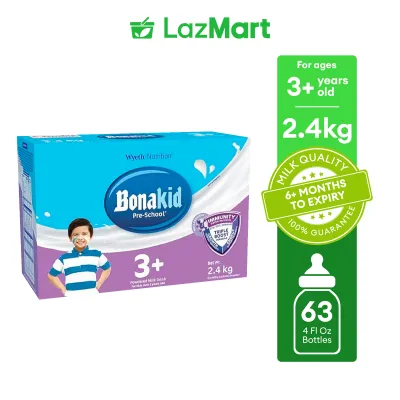
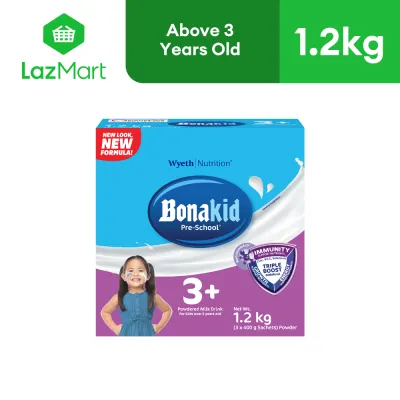
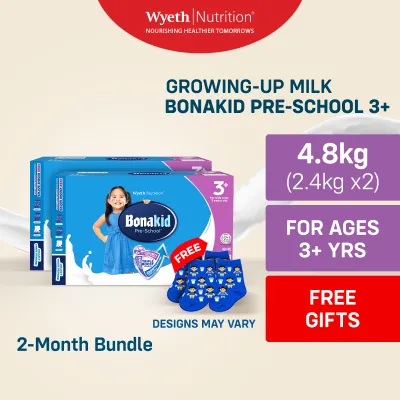
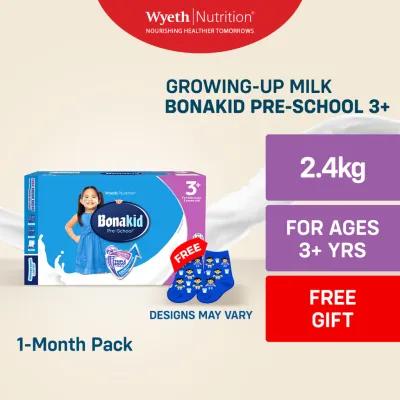
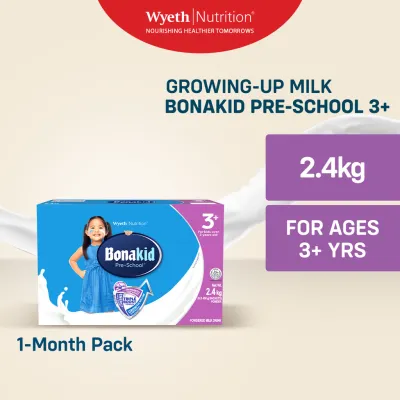
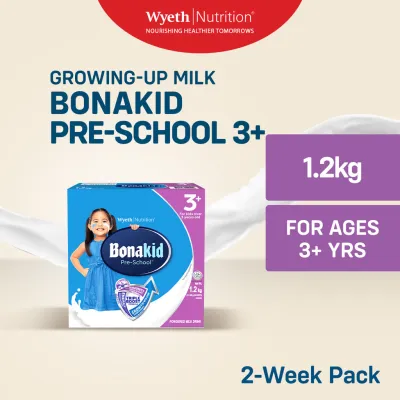
Prices are valid at publication and may change. Please refer to the product page for the latest price.
Before committing to a purchase, you must establish a reliable baseline by verifying the regular, non-promotional retail price of the exact same product variant. Retailers sometimes inflate original prices to make discounts appear more dramatic than they actually are. Checking the standard price at reputable local supermarkets or official online flagship stores ensures you are comparing the promo price against a genuine baseline.
Additionally, bulk purchases are only economical if your child can consume the product before it spoils. Buying multiple tins or pouches at a discount can lead to waste if the expiration dates are too close or if your child’s consumption rate is lower than the volume purchased. Always balance the financial savings of a promotion against the practical shelf life of the product and your child’s feeding schedule.
Calculating the True Price-Per-Serving
To find the actual cost of each feed, you must first locate the nutritional information and preparation instructions on the product packaging. The label will specify the recommended serving size (usually measured in grams or scoops) and the estimated total number of servings contained within the tin or pouch. Because packaging sizes can vary significantly between promotional runs and standard retail stock, relying solely on net weight can be misleading.

Once you have these numbers, you can apply a simple mathematical formula to determine the true cost. Divide the total promotional price of the package by the total number of servings it contains. This calculation gives you the exact cost per serving, allowing you to compare different packaging sizes on an equal footing.
Use this formula for your calculations:
Cost Per Serving = Total Promo Price (₱) ÷ Total Servings per Package
If the packaging does not explicitly state the total number of servings, you can calculate it yourself using the net weight and the recommended serving size in grams:
Total Servings = Total Net Weight (g) ÷ Recommended Serving Size (g)
Cost Per Serving = Total Promo Price (₱) ÷ Total Servings
Performing these calculations in the local currency (₱) ensures consistency across different tin sizes, pouch formats, and bundle packs. This mathematical approach strips away the marketing illusions of “buy one, get one” or “percentage off” and reveals the concrete financial impact on your daily budget.
Comparing Against Regular Pricing and Competing Brands
To determine if a promotional price is genuinely low, you must compare it against the standard, non-promotional retail rates. You can find these baseline prices by checking the official online flagship stores of authorized distributors or by visiting major physical supermarkets. Avoid using unverified third-party listings as your baseline, as their pricing can be highly volatile and may not reflect standard market rates.
Once you have established the baseline price-per-serving for Bonna Kid 3 Plus, compare it to other growing-up milk brands within the same category. This comparison helps you understand where the product sits in the broader market and whether competing brands are offering better value through their own promotions. Keep in mind that different brands have different nutritional formulations, which can influence their standard pricing.
When conducting these comparisons, it is crucial to compare like with like. Never compare the price-per-serving of a growing-up milk intended for children three years and older with infant formulas or specialized medical nutrition products. These categories have entirely different manufacturing standards, ingredient profiles, and pricing structures, making any direct cost comparison inaccurate and misleading.
Always verify the target age range on the product label before purchasing. Bonna Kid 3 Plus is formulated for children aged three years and older. If you are considering changing your child’s milk brand or formulation to take advantage of a promotion, consult a pediatrician or a qualified healthcare professional first to ensure the new product meets your child’s specific nutritional needs.
Hidden Costs and Promo Conditions to Check Before Checkout
Online promotions often come with additional expenses that can quickly erode any advertised savings. When shopping on e-commerce platforms or online marketplaces, pay close attention to shipping fees, handling charges, and packaging surcharges. A discount that looks highly attractive on the product page may become less appealing once these extra costs are added at the final checkout screen.
Bundle deals are another common promotional strategy that requires careful scrutiny. Retailers may package the milk powder with toys, feeding utensils, or other household items to justify a higher price point. Ask yourself if these add-ons are items you actually need and would purchase separately; if not, you may be paying a premium for unnecessary items rather than saving money on the milk itself.
It is also essential to verify that the promotion applies to the exact product variant, flavor, and packaging size that your child actually consumes. Some discounts are highly specific, applying only to less popular flavors or specific packaging formats like pouches instead of tins. Purchasing an unfamiliar variant simply because it is on sale can result in waste if your child refuses to drink it.
Finally, check for minimum spend requirements or payment-method restrictions. Some promotions require you to use specific digital wallets or credit cards, or to reach a high spending threshold to unlock the discount. Ensure that meeting these conditions does not force you to overspend on other items, which would negate the overall savings of the milk promotion.
Should You Stock Up? Storage and Expiry Considerations
Stocking up on discounted milk formula can be a highly effective way to save money, but it requires careful planning around your child’s actual consumption rate. Calculate how many tins or pouches your household uses in an average month. This figure will help you estimate the maximum volume of milk you can realistically purchase without risking product spoilage or expiration.
In tropical climates, proper storage is critical to maintaining the quality and safety of powdered milk. High humidity and ambient heat can accelerate the degradation of the powder, leading to clumping, off-flavors, or spoilage. Unopened tins and pouches must be stored in a cool, dry place, completely away from direct sunlight and sources of heat.
Once a package is opened, it is exposed to moisture and airborne contaminants. Review the manufacturer’s guidelines on the packaging regarding how quickly the product must be consumed after opening—this is typically within three to four weeks. Ensure you have a reliable, airtight container if you are purchasing pouches, and never mix old powder with a fresh batch.
When buying in bulk during a sale, establish a strict personal rule for the minimum acceptable shelf life of the products. Check the expiration dates printed on the bottom of the tins or the back of the pouches before finalizing your purchase. If the expiration date is only a few months away, limit your purchase to what your child can safely consume within that specific timeframe.
Step-by-Step Checklist for Your Purchase Decision
Before you click the buy button or head to the cashier, use this practical checklist to ensure the promotion is truly beneficial for your family:
- Verify the Age Suitability: Confirm that the product is Bonna Kid 3 Plus, which is formulated specifically for children aged three years and older.
- Calculate the Cost Per Serving: Use the formula Total Promo Price ÷ Total Servings to find the exact cost per feed in ₱.
- Compare with the Baseline: Check the calculated cost per serving against the regular, non-promotional price of the same product at official retail outlets.
- Review the Expiration Date: Ensure the product's shelf life comfortably exceeds your household's estimated consumption timeline.
- Calculate the Total Checkout Cost: Include all shipping fees, taxes, and platform charges to find the true final price.
- Check Seller Authorization: Only purchase from official brand stores or authorized distributors on e-commerce platforms to avoid counterfeit or improperly stored products.
- Consult a Professional: If you are planning to switch to this product from another brand, consult your pediatrician first to ensure it is appropriate for your child.
Frequently Asked Questions (FAQ)
How often do formula milk brands run promotional discounts?
Formula milk brands and authorized distributors frequently align their promotional campaigns with major e-commerce events, such as monthly double-day sales, payday promotions, and brand anniversaries. These events often feature vouchers, cashback offers, or bundle discounts. To identify genuine price drops, it is helpful to track the standard retail price over a few weeks so you can recognize when an advertised discount represents real savings.
Is it safe to buy formula milk in bulk during a sale?
Yes, buying in bulk is safe provided you verify the expiration dates before purchasing and store the products correctly. Powdered milk must be kept in a cool, dry environment to protect it from the high humidity and heat typical of tropical climates. Only purchase a volume that your child can realistically consume before the printed expiration dates, and always follow the manufacturer’s instructions for safe storage and preparation.
What should I do if the promo price seems higher than the regular shelf price?
If you notice that an advertised promotional price is higher than the standard shelf price at your local supermarket, take screenshots of the online listing and compare them directly with physical store receipts. Pricing discrepancies can occur due to platform fees, dynamic pricing algorithms, or unauthorized third-party sellers. In such cases, it is best to purchase from official physical retail outlets or contact the brand’s official customer support to report the pricing issue.

Community discussion
Share your experience or ask a question. Comments are reviewed before publication.