
The Babystar Nest is a highly sought-after nursery accessory, valued by parents for providing a cozy, portable space where an infant can lounge. However, when it comes to unsupervised sleep—especially overnight—the Babystar Nest is not safe for newborns. Like most soft-sided baby nests, pods, or loungers, its plush, raised borders and padded mattress do not meet the strict criteria required for safe, unmonitored infant sleep.
Pediatric health organizations universally emphasize that a newborn requires a firm, flat, and completely bare surface for unsupervised sleep. While a baby nest can serve as an excellent tool for supervised daytime lounging, awake play, or tummy time, it poses severe risks of suffocation, entrapment, and positional asphyxia if a baby is left to sleep in it unattended. Understanding the clear distinction between a supervised lounging space and a safe sleeping environment is the first and most crucial step in protecting your infant.
To help you navigate the safe use of this popular baby product, this guide details how to evaluate the nest’s physical features, the essential safety precautions you must follow, and the developmental signs that indicate your baby has outgrown it.
Products mentioned in this guide
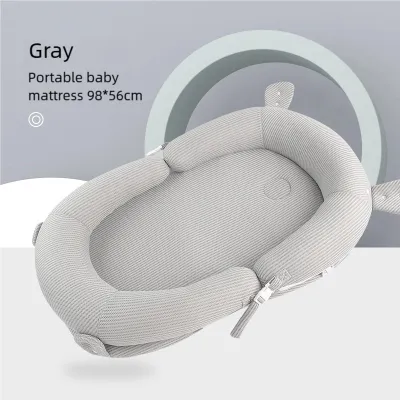


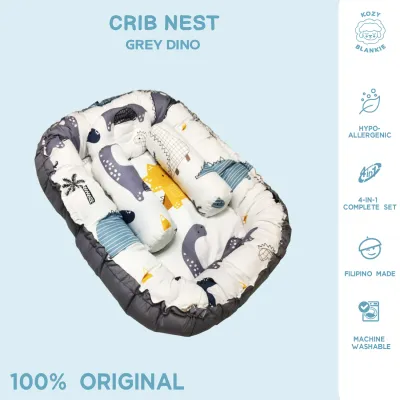
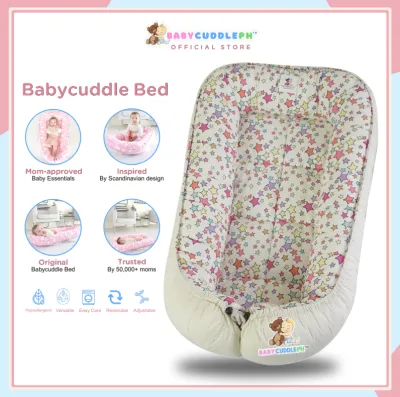
Prices are valid at publication and may change. Please refer to the product page for the latest price.
Is the Babystar Nest Safe for Newborn Sleep?
The safety of the Babystar Nest depends entirely on the context of its use and the physical design of the product. Pediatric guidelines maintain that a baby’s sleep environment must be free of any soft bedding, plush bumpers, or inclined surfaces. Because the Babystar Nest features padded, raised walls and a cushioned base, it is not recommended for unsupervised overnight sleep or unmonitored naps.
When a newborn sleeps unsupervised in a soft-sided nest, several structural hazards come into play. If the infant rolls over or turns their head to the side, their nose and mouth can easily become pressed against the soft outer bumper, cutting off their oxygen supply. Furthermore, because newborns have very limited neck strength, their heads can tilt forward if the mattress surface is too soft, potentially crimping their trachea and causing positional asphyxia.
For these reasons, the Babystar Nest must be restricted to supervised, awake time. Supervised means an adult is in the same room, awake, and actively watching the infant at all times. If your baby falls asleep while resting in the nest, the safest practice is to immediately transfer them to a firm, flat, and bare crib or bassinet.
Before using any baby nest, parents should cross-reference the specific model they own with current pediatric safe sleep recommendations. Always check the manufacturer’s documentation for specific safety warnings and intended use guidelines. No marketing claim of “breathability” or “cozy comfort” should ever replace the foundational rules of safe infant sleep.
Evaluating the Babystar Nest Against Safe Sleep Standards
To ensure your newborn’s safety, you should physically inspect and verify the Babystar Nest’s features against established safe sleep criteria. Rather than relying solely on marketing descriptions, conducting a few hands-on checks will help you identify potential structural hazards.

- The Firmness Test: Press your hand down firmly into the center of the nest's mattress pad and then lift it away. The surface must immediately snap back to its original flat shape without leaving any indentation or conforming to the contours of your hand. If your hand leaves a deep, soft impression, the surface is too plush for an infant, as it increases the risk of suffocation if the baby turns face-down.
- Flatness and Fit: Ensure the mattress surface is completely horizontal with no incline. If you plan to use the nest on the floor for supervised lounging, make sure the floor is level. Note that placing a baby nest inside a crib or bassinet is highly discouraged; doing so creates tight gaps between the nest and the crib walls, which can trap a moving baby and lead to injury or suffocation.
- Breathability and Materials: Locate the product label to verify the materials used in the nest. Look for certifications indicating that the fabrics and fillings are hypoallergenic, non-toxic, and free from harmful flame retardants. In a tropical climate like the Philippines, choosing lightweight, highly ventilated fabrics is crucial to prevent moisture buildup and skin irritation.
- Hazard Inspection: Conduct a thorough physical inspection of the entire nest before every use. Feel along the seams for any loose threads or frayed stitching that could wrap around your baby's fingers or toes, creating a tourniquet risk. Check that all zippers are fully covered by fabric flaps so they cannot scratch your baby's delicate skin, and ensure any drawstrings used to adjust the size of the nest are tucked away securely and cannot be reached by the baby.
Essential Safety Precautions When Using the Babystar Nest
If you choose to use the Babystar Nest for supervised lounging, adhering to strict daily safety precautions is essential to minimize risks. By establishing clear rules for use, you can create a secure environment for your baby’s awake time.
First and foremost, active supervision is non-negotiable. Supervised lounging means you are in the same room, awake, and actively looking at your baby. It is not safe to leave your baby in the nest while you take a nap, watch television in another room, or focus on tasks that prevent you from responding instantly. If you feel yourself getting drowsy, move your baby to their dedicated bassinet or crib first.
Keep the nest’s interior completely clear of any accessories. Never place loose blankets, pillows, stuffed animals, or sleep positioners inside the nest with your baby. The baby should be the only object inside the nest. If you are concerned about your baby getting cold, dress them in a lightweight, fitted sleep sack or a wearable blanket rather than using loose sheets or covers.
Carefully consider where you place the Babystar Nest. It must never be placed on elevated surfaces, such as adult beds, sofas, tables, countertops, or chairs. Even very young infants can wiggle or kick, causing the lightweight nest to slide off the edge, resulting in a dangerous fall. Additionally, placing the nest on a soft sofa or adult mattress can cause the nest to tilt or sink, increasing the risk of the baby rolling into a suffocating position. The only safe place to set the nest is directly on a flat, clean floor.
Always place your baby flat on their back when putting them in the nest. Back-sleeping is the safest position for infants, as it keeps their airway fully open and significantly reduces the risk of Sudden Infant Death Syndrome (SIDS). Never place your baby on their side or stomach in the nest, even if they are awake and you are watching them, unless you are conducting active tummy time under direct supervision.
In the warm and humid climate of the Philippines, temperature regulation is a major safety concern. Padded baby nests can easily trap body heat, leading to rapid overheating. Regularly check your baby for signs of heat stress, such as sweating, damp hair, a hot chest, flushed cheeks, or rapid breathing. Ensure the room is well-ventilated, use a fan or air conditioning to circulate the air, and dress your newborn in lightweight, breathable cotton clothing. Avoid heavy swaddling when using the nest, as the padded walls already provide significant insulation.
When to Transition Away from the Babystar Nest
As your baby grows, their physical abilities and size will change, making the Babystar Nest unsuitable and unsafe. Parents must remain vigilant and recognize the developmental milestones that indicate it is time to stop using the product entirely.
Always consult the manufacturer’s product label for the specific weight, height, and age limits of your Babystar Nest model. These limits are calculated based on the structural integrity of the materials and the safety testing performed by the brand. Once your baby reaches any of these maximum thresholds, discontinue use immediately to prevent structural failure or physical discomfort.
Developmental milestones are even more critical than age or weight limits. You must stop using the nest the moment your baby shows signs of rolling over, pushing up on their hands and knees, or scooting. When a baby gains the mobility to roll or shift their body weight, they can easily roll face-first into the soft, padded sides of the nest or tumble out over the edges. At this stage, the nest becomes a severe hazard, and the baby must be transitioned to a spacious, flat crib or playard where they have room to move safely.
Pay close attention to how your baby physically fits within the nest. If your baby’s head is touching the top bumper, or if their feet are resting against the bottom edge, the nest is too small. A cramped space forces the baby’s body into a curved position, which can restrict their breathing and increase the likelihood of their face coming into contact with the padded sides. Transitioning your baby to a standard crib ensures they have the necessary space to grow and move without restriction.
Frequently Asked Questions (FAQ)
Can I use the Babystar Nest for co-sleeping in an adult bed?
No, placing a baby nest on an adult bed for co-sleeping is highly discouraged by pediatric safety experts. Adult mattresses are typically much softer than infant mattresses, and adult bedding, such as heavy blankets, duvets, and pillows, poses a severe suffocation and entrapment risk to a newborn. There is also a significant danger of an adult rolling over onto the nest or the nest shifting and falling off the bed. To practice safe co-sleeping, use a dedicated bedside sleeper or bassinet that attaches securely to your bed frame, keeping your baby on a separate, firm, and flat surface within arm’s reach.
How do I clean the Babystar Nest safely without damaging it?
To clean your Babystar Nest safely, always check the manufacturer’s care label and instructions first, as washing methods vary by model. If the nest has a removable outer cover, unzip it and machine wash it on a gentle cycle using a mild, hypoallergenic, baby-safe detergent. For the inner cushion and padded bumpers, spot cleaning with a damp cloth and mild soap is generally recommended to preserve the shape and firmness of the padding.
Because the Philippines has a highly humid climate, it is absolutely essential to ensure that all parts of the nest are 100% completely dry before reassembling or using them. Damp padding can easily harbor mold, mildew, and bacteria, which can cause respiratory issues or skin allergies in newborns. Allow the components to air dry thoroughly in a well-ventilated space or under direct sunlight if permitted by the care instructions.

Community discussion
Share your experience or ask a question. Comments are reviewed before publication.