
Determining whether the Tenderoo Soothing Roll-On is safe for newborns and babies with sensitive skin requires a careful, step-by-step evaluation of the product’s official packaging, age indications, and specific ingredients. Because a newborn’s skin barrier is highly delicate and still developing, parents cannot rely solely on front-of-pack marketing terms. Instead, establishing safety involves verifying the manufacturer’s official age recommendations, checking for potential irritants, and conducting a controlled patch test at home.
In tropical climates like the Philippines, where high humidity and heat often lead to sweat-induced skin issues, choosing the right soothing product is especially critical. Parents frequently look for convenient roll-on applicators to ease minor skin discomforts, but these products must be evaluated with strict safety standards in mind. Before applying any new formula to your baby’s skin, it is essential to understand how to read the label, recognize potential allergens, and identify when a product is truly appropriate for your child’s developmental stage.
Checking Age Guidelines and Safety Claims
When evaluating the Tenderoo Soothing Roll-On, your first step should always be to locate the physical product label or visit the manufacturer’s official brand channels to find the explicit minimum age restriction. Skincare products formulated for older infants or toddlers may contain concentrations of active ingredients or essential oils that are entirely unsuitable for a newborn’s highly permeable skin. If a product does not clearly state that it is safe for newborns or babies under a certain age, you should err on the side of caution and avoid using it until you can confirm its suitability with a healthcare professional.
Products mentioned in this guide
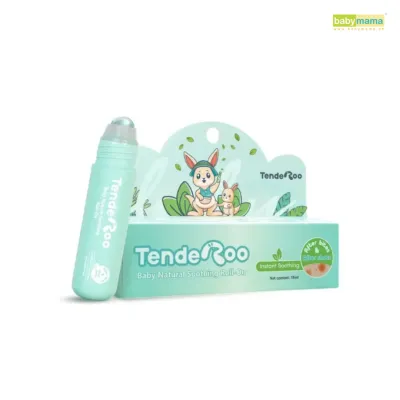
![[Upgraded]Tenderoo Baby Natural Soothing Roll-on Calming Cooling Gentle Plant Formula](https://img.lazcdn.com/g/p/6e766911a4eb6d3d27578e83f3d39320.jpg_400x400q80.jpg_.webp)
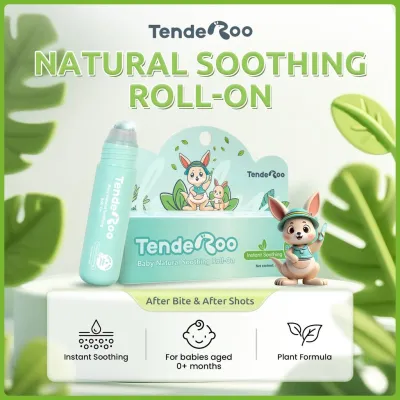
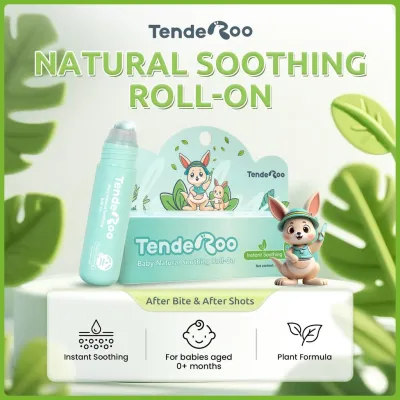
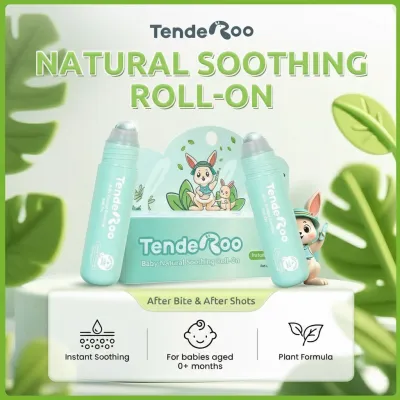

Prices are valid at publication and may change. Please refer to the product page for the latest price.
To verify claims such as “newborn-safe” or “suitable for sensitive skin,” look for specific, recognized pediatric testing or dermatological certifications on the packaging. True dermatological testing indicates that the formula has undergone controlled evaluations to minimize the risk of skin irritation. In contrast, generic marketing terms like “natural,” “gentle,” or “organic” are not legally standardized and do not guarantee that a product will not cause an allergic reaction or skin barrier disruption in a young infant.
Understanding the difference between marketing language and clinical safety is vital for protecting your baby’s skin. A product labeled “natural” can still contain potent plant extracts or essential oils that trigger severe contact dermatitis or respiratory sensitivity in newborns. Always prioritize products that back up their claims with clear statements of dermatological testing, hypoallergenic formulation, and explicit age-appropriate guidelines.
Evaluating Ingredients for Sensitive Baby Skin
A thorough inspection of the ingredient list on the back of the Tenderoo Soothing Roll-On is the most reliable way to assess its safety for sensitive baby skin. Parents should actively cross-reference this list against known infant allergens and irritants, such as synthetic fragrances, artificial colorants, parabens, and harsh preservatives. Newborn skin is significantly thinner than adult skin, meaning it absorbs topical substances much more rapidly, making it highly vulnerable to chemical irritation.

Do not rely solely on front-of-pack labels like “hypoallergenic” or “fragrance-free” without verifying the actual ingredient breakdown. Some products marketed as fragrance-free may still contain masking fragrances or essential oils like lavender, chamomile, or tea tree oil, which can be highly sensitizing to delicate skin barriers. A truly safe formula for sensitive newborn skin should have a minimal, transparent ingredient list with clearly identified, low-risk components.
Furthermore, many soothing roll-ons designed for cooling relief contain active sensory agents such as menthol, camphor, or eucalyptus. While these ingredients provide a pleasant cooling sensation for adults, they can pose serious health risks to newborns and young infants. Strong aromatic compounds can trigger respiratory distress, localized skin burning, or even localized spasms in the airway when applied near the face or in high concentrations. Carefully check the label to ensure these strong cooling agents are absent before considering the product for a newborn.
How to Perform a Safe Patch Test
Before introducing the Tenderoo Soothing Roll-On into your baby’s daily skincare routine, performing a standardized, low-risk patch test is an indispensable safety measure. This simple process allows you to observe how your baby’s skin reacts to the formula on a very small scale before any widespread application. Choose a discreet, clean area of the body where the baby cannot easily rub the product into their eyes or mouth, such as the inner forearm or the skin just behind the ear.
Apply a very small, thin layer of the product to the selected test area and leave it on for a standard observation window of 24 to 48 hours. During this period, keep the area clean and dry, and monitor it closely for any signs of localized irritation. In tropical environments like the Philippines, ensure the baby is kept in a comfortable, cool environment during the test to prevent sweat from confounding the results or causing sweat rash in the same area.
An adverse reaction can present in several observable ways, and you must know what signs to look for. If you notice localized redness, tiny bumps, hives, swelling, dry flaky patches, or if your baby exhibits unusual fussiness or scratching at the test site, this indicates a clear intolerance. If any of these signs appear, you must immediately discontinue use of the product and wash the area thoroughly with mild, baby-safe soap and water.
Physical Safety and Hygiene of Roll-On Applicators
Beyond the chemical formulation, the physical design of a roll-on applicator introduces unique mechanical and hygiene considerations for delicate infant skin. The roller ball mechanism requires a certain amount of physical pressure to dispense the liquid, which can easily cause friction irritation on a newborn’s fragile skin barrier. When applying the product, ensure you use an extremely light touch, or consider rolling the product onto your own clean fingertips first and then gently patting it onto your baby’s skin.
Maintaining strict hygiene of the applicator is also critical to prevent bacterial contamination and transfer. The roller ball directly contacts the skin and can pick up sweat, sebum, dead skin cells, and environmental dust, which are then rolled back into the liquid formula inside the bottle. To minimize this risk, always wipe the roller ball with a clean, dry tissue after each use, never share the roll-on between different children, and strictly avoid using the applicator on any areas of compromised, chafed, or broken skin.
Additionally, you must establish safe application zones on your baby’s body to prevent accidental ingestion or inhalation. Never apply a roll-on product near the baby’s eyes, nose, mouth, or hands, as infants frequently rub their faces and put their fingers in their mouths. Keep the application limited to safe, non-accessible areas as recommended by the manufacturer, and always supervise your baby closely after application to ensure they do not touch the treated skin.
When to Stop Use and Seek Medical Advice
As a parent, recognizing the immediate triggers to stop using a skincare product can prevent a minor skin irritation from escalating into a severe dermatological issue. If your baby shows signs of discomfort, such as crying or squirming immediately after application, this may indicate a stinging or burning sensation that is not visible to the eye. Other immediate triggers include sudden redness, swelling, or any signs of respiratory irritation, such as coughing or sneezing caused by the product’s scent.
If you suspect an adverse reaction, take immediate, gentle steps to remove the product residue from your baby’s skin. Use lukewarm water and a soft, clean cotton cloth to gently pat and wipe the area clean without rubbing, which could further irritate the skin barrier. Avoid using harsh soaps, wet wipes containing alcohol, or additional skincare products on the affected area, as these can exacerbate the inflammation.
While mild redness may subside quickly after washing, certain severe symptoms require prompt consultation with a pediatrician or a pediatric dermatologist. If you observe blistering, oozing, a rapidly spreading rash, swelling of the face or lips, or if your baby develops systemic signs of illness such as a fever or extreme lethargy, seek professional medical care immediately. Do not attempt to treat severe allergic reactions at home with over-the-counter adult creams or home remedies.
Frequently Asked Questions (FAQ)
Can I use a soothing roll-on on diaper rash or broken skin?
Applying a non-sterile, potentially fragranced soothing roll-on to diaper rash or broken skin is highly discouraged and can be dangerous. When the skin barrier is compromised by chafing, open wounds, or severe diaper dermatitis, its protective function is lost, allowing ingredients to penetrate much deeper into the tissue. This significantly increases the risk of severe chemical irritation, allergic sensitization, and bacterial infection from the roller ball applicator. For active diaper rashes or broken skin, always consult your pediatrician to obtain approved, targeted barrier creams and sterile treatments specifically formulated for wound healing.
How should I store baby skincare roll-ons to maintain safety?
Proper storage is essential to preserve the chemical stability of baby skincare products and prevent harmful bacterial growth within the applicator. Store the roll-on in a cool, dry place away from direct sunlight, extreme heat, and high humidity, which are common in tropical climates. Always ensure the cap is tightly sealed immediately after each use; this prevents the roller ball from drying out, keeps environmental contaminants from settling on the applicator, and maintains the integrity of the soothing formula over time.

Community discussion
Share your experience or ask a question. Comments are reviewed before publication.