
Determining whether Tenderoo moisturizer is safe for your newborn requires a careful inspection of the product’s specific packaging, age indications, and ingredient list. Because newborn skin is exceptionally delicate and still developing its natural protective barrier, parents must verify that any skincare product is explicitly formulated for infants before the first application. In the tropical climate of the Philippines, where high humidity, heat, and indoor air conditioning constantly challenge a baby’s skin hydration, choosing the right moisturizer is a critical decision. While some formulations are designed to soothe dry patches, others may contain ingredients that trigger irritation or allergic contact dermatitis on newborn skin. To ensure your baby’s safety, you should always cross-reference the manufacturer’s age recommendations, inspect the ingredient label for potential irritants, and perform a localized patch test before applying any new cream or lotion to their entire body.
Understanding Newborn Skin Sensitivity and Moisturizer Needs
A newborn baby’s skin is vastly different from adult skin, requiring specialized care and extreme caution when introducing topical products. During the first few months of life, the infant skin barrier is still developing, making it up to thirty percent thinner than adult skin. This structural difference means that a baby’s skin loses moisture much more rapidly and is highly permeable, allowing topical substances to penetrate more deeply into the underlying layers. Consequently, ingredients that are perfectly harmless to adults can easily cause irritation, dryness, or systemic absorption in newborns.
In the Philippines, environmental factors play a significant role in how a newborn’s skin behaves. The combination of intense tropical heat, high humidity, and sweat can lead to clogged pores and heat rash, while prolonged exposure to indoor air conditioning can strip the skin of its natural moisture. This delicate balance makes hydration essential, but it also increases the risk of adverse reactions if the wrong product is used. A safe, high-quality baby moisturizer acts as a temporary shield, locking in essential hydration and supporting the skin’s natural barrier function while it matures over the first year of life.
Products mentioned in this guide
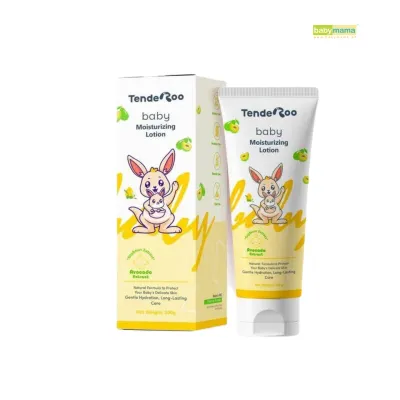

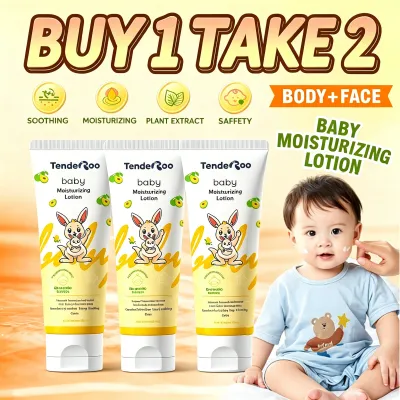
![[FDA Approved] Tenderoo Baby Moisturizing Lotion Avocado Plant Extract Gentle Safe Soothing 200ml](https://img.lazcdn.com/g/p/c4b1b26e9860d4042d490ad9bb21ae0e.jpg_400x400q80.jpg_.webp)

![[FDA Approved] Tenderoo Baby Moisturizing Lotion Avocado Plant Extract Gentle Safe Soothing 200ml](https://img.lazcdn.com/g/p/c537dad3153611e9e058bdbe2e97956d.jpg_400x400q80.jpg_.webp)
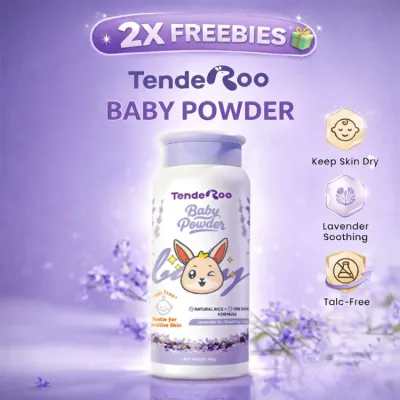

Prices are valid at publication and may change. Please refer to the product page for the latest price.
When selecting a moisturizer for a newborn, the primary goal is to support this fragile barrier without introducing unnecessary chemical loads. Many commercial skincare products contain synthetic additives, heavy texturizers, or botanical extracts that are too complex for a newborn’s immune system to process. By understanding the unique vulnerability of your baby’s skin, you can approach product selection with a critical eye, prioritizing simple, clean formulations that serve the sole purpose of hydration and protection.
How to Evaluate the Tenderoo Moisturizer Ingredient List
To determine if Tenderoo moisturizer is suitable for your newborn, you must look beyond the marketing claims on the front of the bottle and carefully analyze the ingredient deck on the back. Manufacturers often use terms like “gentle” or “natural” as marketing descriptors, but these terms are not strictly regulated. The only way to verify the safety of the product is to read the physical label and understand exactly what is being applied to your baby’s skin.

Begin by checking the packaging for explicit safety certifications and testing labels. Look for terms such as “hypoallergenic,” “fragrance-free,” and “pediatrician-tested.” It is important to note that “unscented” is not the same as “fragrance-free”; unscented products may contain masking fragrances designed to neutralize chemical odors, which can still irritate sensitive newborn skin. True fragrance-free products contain no added natural or synthetic perfumes, making them the safest choice for infants.
Next, scan the ingredient list for common chemical irritants that should be avoided in newborn skincare. These include parabens (such as methylparaben or propylparaben), which are used as preservatives but can disrupt delicate endocrine systems, and phthalates, which are often hidden within synthetic fragrances. Additionally, avoid products containing formaldehyde-releasing preservatives, sulfates, and artificial colorants. If the Tenderoo moisturizer list contains any of these compounds, or if it features a long list of complex botanical oils and essential oils, it may be too potent for a newborn’s skin.
Finally, verify the manufacturer’s age recommendations printed on the label. Some baby moisturizers are formulated specifically for infants aged six months and older, while others are safe for use from birth. If the packaging does not explicitly state that the product is safe for newborns, or if the instructions are vague, it is best to err on the side of caution and choose an alternative product that is clearly labeled for newborn use.
Performing a Patch Test Before Full Application
Even if a product is labeled as hypoallergenic and pediatrician-tested, every baby’s skin is unique, and individual sensitivities can still occur. Before applying Tenderoo moisturizer to your baby’s entire body, performing a localized patch test is a vital safety step. This simple process allows you to observe how your baby’s skin reacts to the formulation in a controlled, low-risk manner.
To conduct a patch test, select a small, clean, and discreet area of your baby’s skin. The inner forearm, the inside of the elbow, or the side of the neck behind the ear are ideal locations. These areas are highly sensitive but can be easily monitored, and they are positioned in a way that prevents the baby from accidentally rubbing the product into their eyes or mouth.
Apply a tiny, pea-sized amount of the Tenderoo moisturizer to the selected spot and gently smooth it in. Leave the product on the skin and observe the area over a twenty-four to forty-eight hour period. During this observation window, do not wash the test area, and avoid applying any other lotions, oils, or soaps to that specific spot, as this could interfere with the test results.
Monitor the test site closely for any changes in skin texture, color, or temperature. If the skin remains clear, smooth, and free of redness or swelling after forty-eight hours, the moisturizer is generally considered safe for wider application. However, if you notice even a slight reaction, wash the area immediately and discontinue use of the product.
Recognizing Adverse Reactions and When to Stop Use
As a parent, being able to identify the early signs of an adverse reaction is crucial for preventing severe skin irritation or discomfort. Newborns cannot communicate physical discomfort verbally, so you must rely on visual cues and behavioral changes to determine if a product is causing harm.
Visual signs of contact dermatitis or an allergic reaction typically appear within a few hours to a day after application. Look for localized redness, a raised pink or red rash, tiny bumps, hives, swelling, or dry, peeling patches of skin. In severe cases, the skin may blister or become unusually warm to the touch. These signs indicate that the baby’s immune system is reacting negatively to an ingredient in the moisturizer.
Behavioral changes are also strong indicators of skin discomfort. If your baby becomes unusually fussy, cries during or shortly after the application of the moisturizer, or constantly tries to rub their body against their clothing or bedding, they may be experiencing itching, burning, or stinging. Pay close attention to these cues, as they often precede visible skin changes.
If you observe any visual or behavioral signs of irritation, stop using the Tenderoo moisturizer immediately. Gently wash the affected area with cool or lukewarm water to remove any remaining product residue, and pat the skin dry with a clean, soft cotton towel. Do not apply any other skincare products, home remedies, or over-the-counter medicated creams to the irritated skin without consulting a healthcare professional.
If the rash spreads to other parts of the body, develops blisters, oozes fluid, or is accompanied by a fever, seek immediate medical attention from a pediatrician or a pediatric dermatologist. They can provide an accurate diagnosis and recommend safe, medical-grade treatments to soothe your baby’s skin.
Safe Application Practices for Baby Skincare
Applying moisturizer correctly is just as important as choosing the right product. By following proper application techniques, you can maximize the benefits of the moisturizer while minimizing the risk of skin irritation or contamination.
The best time to apply moisturizer to your newborn is immediately after a bath, when the skin is still damp. After bathing your baby in lukewarm water, gently pat their skin with a soft towel, leaving it slightly moist. Within three minutes of exiting the bath, smooth a thin layer of moisturizer over their skin. This technique helps lock in the surface moisture, providing deeper and longer-lasting hydration.
When applying the moisturizer, use gentle, downward strokes with clean hands. Avoid rubbing the product vigorously into the skin, as friction can cause irritation and heat rash, especially in warm tropical climates. Use only a small amount of product; a thin, even layer is much more effective and safer than a thick, heavy application that can clog pores and trap sweat.
Never apply moisturizer to broken skin, open scratches, active diaper rashes, or areas affected by weeping eczema unless specifically directed by a pediatrician. Additionally, keep the product away from your baby’s eyes, nose, and mouth to prevent accidental ingestion or mucosal irritation.
Proper storage of the moisturizer is also essential for maintaining its safety and efficacy. In the hot and humid climate of the Philippines, skincare products can degrade quickly or become breeding grounds for bacteria. Store the Tenderoo moisturizer in a cool, dry place away from direct sunlight, and ensure the cap is tightly sealed after every use. Never use a product that has changed in color, consistency, or smell, as these are signs of spoilage.
Frequently Asked Questions (FAQ)
Can I use Tenderoo moisturizer on my baby's face?
Facial skin is significantly thinner and more sensitive than the skin on the rest of a newborn’s body, making it highly susceptible to irritation. Before applying Tenderoo moisturizer to your baby’s face, check the product packaging to ensure it is explicitly labeled as safe for facial use. When applying, use an extremely small amount and avoid the delicate areas around the eyes, nose, and mouth to prevent accidental contact with sensitive mucous membranes or ingestion.
What should I do if my baby develops a rash after using the moisturizer?
If your baby develops a rash, stop using the moisturizer immediately and wash the affected area gently with lukewarm water to remove any remaining product. Keep the skin clean and dry, and avoid applying any other lotions, oils, or home remedies, which could worsen the irritation. Monitor the rash closely; if it does not improve within twenty-four hours, spreads, or causes significant discomfort, consult your pediatrician for professional guidance.
Is it necessary to use a moisturizer every day for a newborn?
Daily moisturization is not always necessary for a newborn and should be based on an assessment of their actual skin condition. If your baby’s skin is naturally soft, hydrated, and free of dry patches, you may only need to apply moisturizer occasionally. However, if your baby is frequently exposed to drying environments, such as air-conditioned rooms, or if they have naturally dry skin, a daily application after their bath can help maintain a healthy skin barrier.

Community discussion
Share your experience or ask a question. Comments are reviewed before publication.