
Introducing a newborn to the world involves navigating a steep learning curve, especially when it comes to their delicate skin. Many new parents wonder if gentle baby lotions, such as those formulated for tender care, are safe to use during the very first weeks of life. While these products are designed with mildness in mind, a newborn’s skin is incredibly sensitive and requires a highly cautious approach.
In general, healthy newborns do not require immediate or frequent applications of moisturizing lotions. During the first few weeks, their skin is undergoing a natural adaptation process as it transitions from the fluid environment of the womb to the dry outside air. If you do choose to use a gentle baby lotion, it is vital to understand the unique needs of infant skin, identify potential irritants, and follow strict safety precautions.
Before applying any skincare product to your baby, you must verify the manufacturer’s age recommendations and consult with a pediatrician. Skincare routines should always prioritize safety, simplicity, and minimal intervention. By taking a methodical approach, you can protect your newborn’s developing skin barrier while keeping them comfortable and healthy.
Products mentioned in this guide
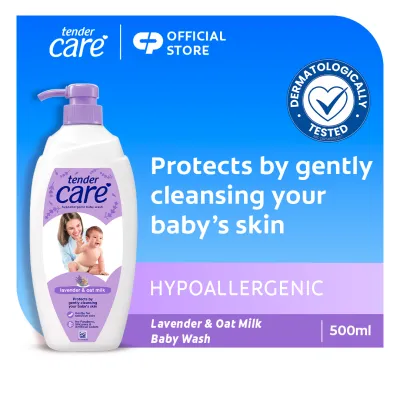

![[FDA Approved] Tenderoo Baby Moisturizing Lotion Avocado Plant Extract Gentle Safe Soothing 200ml](https://img.lazcdn.com/g/p/c537dad3153611e9e058bdbe2e97956d.jpg_400x400q80.jpg_.webp)
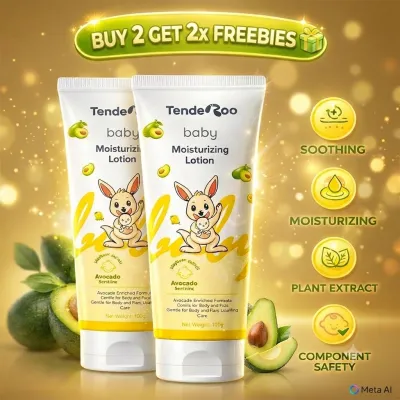
Prices are valid at publication and may change. Please refer to the product page for the latest price.
Understanding Newborn Skin and Lotion Safety
A newborn’s skin is structurally very different from adult skin, making it far more vulnerable to external substances. It is roughly thirty percent thinner, which means it loses moisture much faster and absorbs topical products more readily. The natural skin barrier, which acts as a shield against bacteria and environmental irritants, is still developing during the first few months of life.
When babies are born, they are often covered in a thick, waxy substance called vernix caseosa. This natural coating plays a crucial role in protecting the skin and helping it transition to the dry external environment. Stripping this barrier away too quickly or overloading the skin with heavy lotions can disrupt this natural stabilization process.
In tropical climates like the Philippines, managing newborn skin requires balancing moisture levels with environmental heat and humidity. High humidity can keep the skin damp, while frequent air conditioning can dry it out rapidly. This unique environmental dynamic means parents must be highly selective about when and where they apply moisturizing products.
Lotions formulated for “tender care” or sensitive infant use are generally designed to be milder than standard adult products. However, a label that says “baby-friendly” does not automatically mean it is suitable for a newborn on day one. Many pediatric experts recommend avoiding any unnecessary topical products during the first two to four weeks of life unless specifically advised by a doctor.
When shopping for baby skincare products, parents should look for formulas that are explicitly labeled as hypoallergenic, fragrance-free, and pediatrician-tested. It is important to verify these claims by examining the ingredient list rather than relying solely on marketing slogans. A minimalist ingredient list with fewer components generally carries a lower risk of triggering an adverse reaction.
Remember that a newborn’s skin often undergoes a natural peeling process during the first week or two of life. This peeling is entirely normal and is not a sign of chronic dryness that requires heavy moisturization. In most cases, this flaking will resolve on its own without any intervention as the skin adjusts to its new environment.
Potential Risks and Side Effects to Watch For
Even when using a lotion designed for sensitive baby skin, there is always a potential risk of adverse reactions. Contact dermatitis is one of the most common issues, manifesting as localized redness, swelling, or dry, flaky patches where the lotion was applied. You may also notice your baby becoming unusually fussy or uncomfortable after application, which can indicate itching or burning.

Synthetic fragrances and artificial dyes are among the most common culprits behind infant skin irritation. While a scented lotion might smell pleasant, these added perfumes serve no functional purpose for skin health and frequently trigger allergic reactions. Even some “natural” essential oils can be highly concentrated and far too harsh for a newborn’s delicate skin barrier.
Preservatives are another category of ingredients that require close scrutiny. While preservatives are necessary to prevent bacterial and mold growth in water-based lotions, certain types can be highly irritating to sensitive skin. Parents should look for products that utilize gentle, food-grade, or highly tolerated preserving agents to minimize the risk of sensitization.
Applying heavy or highly occlusive lotions too thickly can also clog a newborn’s developing pores. This can lead to the formation of milia (tiny white bumps) or exacerbate baby acne, which is driven by maternal hormones still circulating in the baby’s system. Clogged pores can also trap sweat, increasing the risk of heat rash, commonly known as bungang-araw in warm, humid regions.
It is important to view these potential risks not as a reason to panic, but as a guide for careful observation. Every baby’s skin chemistry is unique, and what works perfectly for one infant might cause irritation for another. Monitoring your baby’s skin closely after introducing any new product allows you to catch mild reactions before they develop into more severe issues.
If you notice any localized changes in skin texture or color, stop using the product immediately. Keeping a simple log of when you applied the lotion and when the reaction appeared can be highly useful if you need to discuss the symptoms with your pediatrician. Taking a conservative, observant approach is the best way to safeguard your baby’s comfort.
Essential Precautions Before Using Tender Care Lotion
Before you apply any new skincare product to your newborn’s body, performing a standard patch test is an absolute necessity. To conduct a patch test, apply a tiny, pea-sized amount of the lotion to a small, discreet area of the baby’s skin, such as the inner arm or the side of the thigh. Observe this specific area closely over the next twenty-four to forty-eight hours for any signs of redness, tiny bumps, or swelling.
If any reaction occurs during the patch test period, gently wash the area with lukewarm water and do not use the product again. If the skin remains completely clear and normal after forty-eight hours, the lotion is generally considered safe for wider application. This simple step is one of the most effective ways to prevent a full-body allergic reaction.
Reading and understanding the ingredient list on the back of the bottle is another critical precaution. Parents should actively look for and avoid products containing parabens, phthalates, formaldehyde releasers, and high concentrations of alcohol, which can dry out the skin. If you are unsure about a specific chemical name on the label, consult a reliable pediatric skincare database or ask your pediatrician.
Always check the expiration date printed on the product packaging before use. Expired lotions can lose their stability, causing the ingredients to separate, or worse, they can become a breeding ground for harmful bacteria. Ensure that the safety seal is completely intact when you purchase the product, and discard any lotion that has been open for longer than the manufacturer’s recommended period.
Proper storage is also vital, particularly in hot and humid tropical climates. Store the lotion in a cool, dry place away from direct sunlight, and make sure the cap is tightly closed after every use. Exposing the bottle to extreme heat can degrade the formulation and reduce the effectiveness of the preservatives, making the product unsafe for infant use.
If your baby was born prematurely, spent time in the neonatal intensive care unit (NICU), or has a diagnosed skin condition like infantile eczema, you must consult a pediatrician before introducing any lotion. Premature infants have an even thinner skin barrier that is highly susceptible to chemical absorption and infection, requiring specialized, medically supervised skincare routines.
Best Practices for Safely Moisturizing Your Newborn
When you do decide to moisturize your baby’s skin, timing is key to maximizing the benefits while minimizing risks. The optimal time to apply a gentle lotion is immediately after a lukewarm bath while the skin is still slightly damp. This helps to lock in the surface moisture and support the skin’s natural barrier function.
To apply the lotion safely, first wash your own hands thoroughly with soap and clean water to prevent transferring any bacteria to your baby’s skin. Squeeze a very small, pea-sized amount of lotion onto your fingertips and rub your hands together to warm the product. Cold lotion can startle a newborn and make the experience uncomfortable for them.
Gently massage the lotion into the baby’s skin using soft, circular motions, applying only a very thin layer. Focus on areas that are prone to dryness, such as the elbows, knees, and ankles. Avoid applying lotion to the baby’s face, eye area, and mouth to prevent accidental ingestion, eye irritation, or the inhalation of product vapors.
It is absolutely critical to dry the baby’s skin folds completely before applying any moisturizing products. Areas such as the neck creases, armpits, and groin trap moisture very easily, especially in warm and humid weather. Applying lotion to damp skin folds can trap moisture and sweat, creating an ideal environment for fungal or bacterial infections to develop.
Keep the application process calm and gentle, paying close attention to your baby’s cues. If they seem distressed, cry, or try to pull away, stop the application and try again another time. Moisturizing can be a wonderful bonding experience, but it should never feel forced or cause discomfort to your newborn.
Limit the use of lotion to only when it is truly necessary. If your baby’s skin looks healthy, smooth, and hydrated, there is no need to apply lotion out of habit. Over-moisturizing can interfere with the skin’s natural ability to regulate its own hydration levels, so let your baby’s actual skin condition dictate your routine.
When to Stop Use and Seek Professional Help
As a parent, you must be prepared to act quickly if your baby shows signs of an adverse reaction to a skincare product. You must stop using the lotion immediately if you observe any warning signs such as hives, sudden swelling, severe redness, blistering, or oozing. These symptoms indicate a significant allergic response or severe irritation that requires immediate attention.
If a reaction occurs, your first step should be to gently rinse the affected area with plain, lukewarm water to remove any remaining product from the skin. Avoid using soap or rubbing the skin dry, as this can worsen the irritation. Instead, gently pat the skin dry with a clean, soft cotton towel and keep the area free of any tight clothing.
You should consult a pediatrician or a pediatric dermatologist if the skin irritation does not improve within twenty-four to forty-eight hours after stopping the product. Professional medical advice is also necessary if the rash begins to spread to other areas of the body, or if the skin looks infected (exhibiting warmth, pus, or increased swelling).
Seek immediate medical care if the skin reaction is accompanied by any signs of systemic distress in your baby. These signs include a fever, unusual lethargy, difficulty breathing, persistent crying, or a refusal to feed. While topical lotion reactions are usually localized, systemic allergic reactions can occasionally occur and require urgent medical evaluation.
Remember that while online guides and product reviews can offer helpful general tips, they can never replace professional medical expertise. Every newborn is unique, and a pediatrician is the best person to diagnose skin issues and recommend safe, targeted treatments. Always prioritize your doctor’s advice over general skincare trends or marketing claims.
Frequently Asked Questions (FAQ)
Do newborns actually need lotion every day?
No, healthy newborns generally do not need to be moisturized every single day. Their skin is naturally equipped to regulate its own moisture levels, and the peeling that occurs in the first couple of weeks is a normal developmental phase rather than a sign of dry skin. Applying daily lotion when it is not needed can disrupt the skin’s natural barrier development and clog pores, especially in warm, humid climates. It is best to use lotion selectively on specific dry patches or only when recommended by your pediatrician.
Is it safe to use tender care lotion on a baby's face?
It is generally best to avoid using standard body lotions on a newborn’s face unless the product is explicitly formulated and labeled for facial use. The skin on a baby’s face is exceptionally thin and sensitive, and applying lotion close to the eyes, nose, and mouth increases the risk of accidental ingestion or painful eye irritation. Additionally, the face has a higher concentration of oil glands, making it more prone to clogged pores and baby acne. For routine facial care, simply wiping your baby’s face gently with a soft, damp cloth is usually sufficient.

Community discussion
Share your experience or ask a question. Comments are reviewed before publication.