
Deciding whether to transition to cloth diaper pants involves weighing your family’s lifestyle, laundry capacity, and environmental goals against the convenience of disposables. For many parents in the Philippines, the search for a sustainable diaper panty for baby leads to reusable cloth options. While the environmental benefits of reducing single-use plastic waste are clear, the day-to-day reality of managing cloth diapers requires a practical look at your household routines. This guide helps you evaluate your readiness, understand the structural differences, and choose a diapering routine that fits your daily life.
Signs You Are Ready to Make the Switch
First, assess your household laundry capacity. Cloth diapering is a commitment to regular washing. You need a reliable washing machine, a consistent water supply, and adequate drying space. In tropical climates like the Philippines, the weather plays a major role. During the sunny dry season, line-drying is fast and sanitizing. However, during the humid rainy season, diapers take much longer to dry, which can disrupt your rotation if you do not have a backup plan.
Next, consider the upfront financial investment. Transitioning to cloth requires a higher initial budget compared to buying a single pack of disposables. A single high-quality cloth diaper panty for baby, along with its absorbent inserts, can cost anywhere from ₱150 to over ₱600 depending on the brand. While this upfront cost can seem steep, it is designed to replace hundreds of single-use diapers over time. You must evaluate if your current household budget can accommodate this initial investment to secure long-term savings.
Products mentioned in this guide
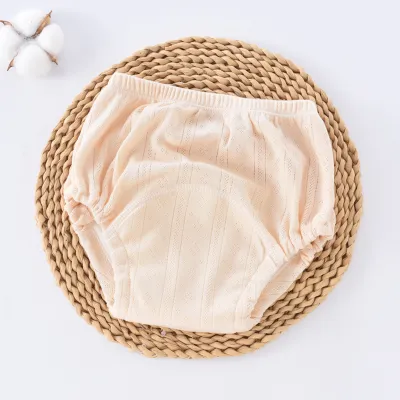
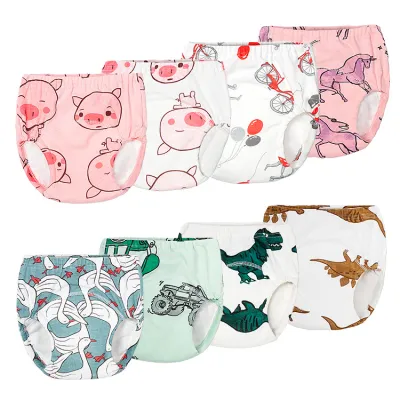
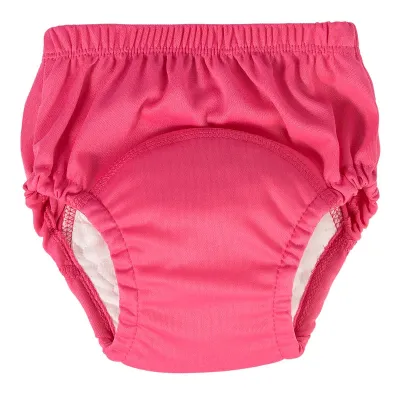
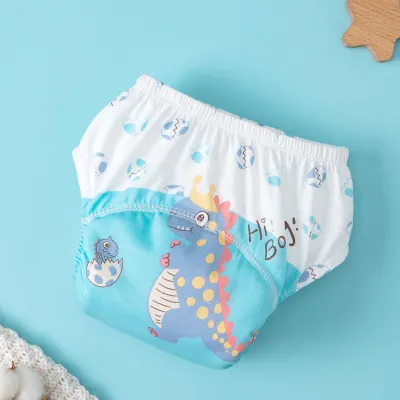
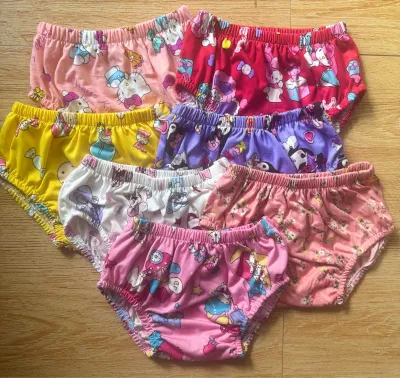
Prices are valid at publication and may change. Please refer to the product page for the latest price.
Finally, evaluate the daily time commitment. Beyond washing, cloth diapers require scraping or rinsing solid waste, stuffing inserts, and folding. If you have a busy work schedule or limited help at home, adding several loads of laundry per week can quickly lead to caregiver burnout. Aligning your environmental priorities with your actual physical energy and time constraints is essential for a successful transition.
Key Differences Between Cloth and Disposable Diaper Pants
Disposable diaper pants rely on chemical gelling agents like sodium polyacrylate to instantly lock away moisture. This keeps the baby’s skin dry even when the diaper is full. In contrast, a reusable diaper panty for baby uses natural or synthetic fabric layers such as cotton, bamboo, or microfiber. These materials absorb liquid but do not chemically isolate it, meaning your baby will feel the wetness sooner. This sensation can actually assist with eventual potty training, but it also means you must change cloth diapers more frequently to protect the skin.

Disposable diaper pants feature thin, highly elastic waistbands and paper-thin leg cuffs that stretch easily to fit various body shapes. Cloth diaper pants are structurally bulkier. They typically feature adjustable snap systems, hook-and-loop fasteners, or thick elastic bands designed to grow with your baby. Achieving a snug, gap-free fit around the thighs is the most critical step in preventing leaks with cloth. Because babies vary widely in weight and leg chunkiness, you must carefully check the manufacturer’s sizing guides and adjust the rise snaps accordingly.
The high humidity and heat in the Philippines make skin breathability a top priority for parents. Many disposable diapers contain plastic outer backings that can trap heat and sweat, potentially leading to heat rashes. High-quality cloth diaper pants utilize a breathable, water-resistant outer layer made of Thermoplastic Polyurethane (TPU) or Polyurethane Laminate (PUL). This fabric allows air to circulate while keeping moisture contained. However, because cloth lacks chemical drying agents, leaving a wet cloth diaper on for too long in a hot environment will still cause irritation. Frequent changes remain the best defense against diaper rash.
Common Challenges and Practical Management
To maintain hygiene and preserve the absorbency of your cloth diaper pants, you must establish a strict washing routine. Always refer to the manufacturer’s care labels before washing. Generally, this involves a cold pre-wash to flush out waste, followed by a hot main wash with a baby-safe detergent. Avoid using fabric softeners, bleach, or detergents with heavy fragrances, as these can coat the fabric fibers, causing them to repel liquid instead of absorbing it.
Managing wet and soiled diapers while away from home is a common hurdle. Unlike disposables that can be wrapped up and discarded, dirty cloth diapers must be carried back home. A high-quality, waterproof wet bag with zippered compartments is essential for containing odors and moisture in your diaper bag. If you plan to be out for the entire day, having a clear backup plan—such as carrying extra absorbent inserts or keeping a few disposable diaper pants on hand—will make travel much less stressful.
Because cloth diapers do not have chemical moisture-wicking properties, your baby’s skin is in closer contact with wetness. This requires vigilant monitoring. If you notice redness or diaper rash, observe the baby’s skin closely. Irritation can be caused by wetness, detergent residue, or an improper fit that causes chafing. Always ensure the diaper is changed immediately after your baby soils it. If a rash develops and does not improve within a few days of frequent changes and air time, stop using cloth temporarily and consult a pediatrician or healthcare professional for guidance.
Finding the Right Path for Your Family
You do not have to commit to an all-or-nothing approach from day one. Before purchasing a complete set of 20 or more diapers, start with a small trial stash of just 2 or 3 cloth diaper pants. This allows you to test how the diapers fit your baby, practice the washing and drying routine, and see how your household manages the extra laundry without a massive financial commitment.
Many modern parents find success by mixing both options. You might choose to use a cloth diaper panty for baby while at home during the day, where changes are convenient and laundry is close by. When traveling, visiting relatives, or during long nighttime sleep stretches, you can switch to disposable diaper pants for convenience and extended dryness. This hybrid method reduces environmental waste while preserving your peace of mind.
Every baby and household is unique. If you find that cloth diapering causes excessive stress, conflicts with your work schedule, or irritates your baby’s sensitive skin despite your best efforts, it is entirely acceptable to stick with disposables. Your mental well-being and your baby’s comfort are the ultimate priorities.
Frequently Asked Questions (FAQ)
How many cloth diaper pants do I need for a full-time stash?
The size of your stash depends on your baby’s age and how often you plan to wash. Newborns typically require 10 to 12 changes per day, while older babies need about 6 to 8 changes. If you wash your diapers every other day, you will need a minimum of 15 to 24 cloth diaper pants to ensure you have enough clean, dry diapers on hand while the dirty ones are in the laundry. Additionally, consider local weather conditions in the Philippines; during the rainy season, diapers take longer to line-dry, so adding a few extra covers and inserts to your stash can prevent running out.
Can I use cloth diaper pants overnight?
Yes, cloth diaper pants can be used overnight, but they require extra preparation to handle extended sleep hours. Because babies sleep for longer stretches without a change, you will need to increase the diaper’s absorbency. This is typically done by adding highly absorbent boosters or inserts made of natural fibers like bamboo or hemp inside the diaper cover. Before putting your baby to bed, double-check that the leg elastics fit snugly to prevent leaks as your baby moves during sleep. If your baby is a very heavy wetter or has highly sensitive skin that reacts to overnight wetness, using a high-absorbency disposable diaper for nighttime may be a more practical solution.
Community discussion
Share your experience or ask a question. Comments are reviewed before publication.