
Swaddling is safe for your baby when practiced correctly and during the appropriate developmental stage. This traditional wrapping technique helps mimic the snug environment of the womb, which can soothe a newborn and promote longer sleep cycles. However, safe swaddling requires strict adherence to specific guidelines regarding hip positioning, temperature control, and sleep posture to prevent serious risks.
As a caregiver, understanding when to swaddle and when to transition away from the practice is essential for your baby’s safety. While a swaddle can be a helpful tool during the first few months of life, it is not a set-and-forget solution. You must continuously monitor your baby’s physical development and adjust your sleep practices accordingly.
Understanding the Safety of Baby Swaddles
Swaddling is primarily intended for newborns and very young infants who have not yet developed the ability to move independently. During the first few weeks of life, babies possess a strong startle reflex, also known as the Moro reflex, which can easily wake them from sleep. A snug wrap keeps their arms close to their body, preventing these sudden movements from disrupting their rest.
Products mentioned in this guide
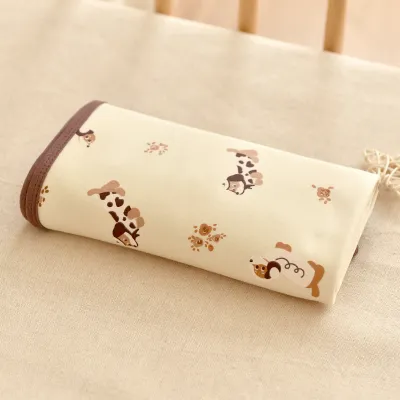
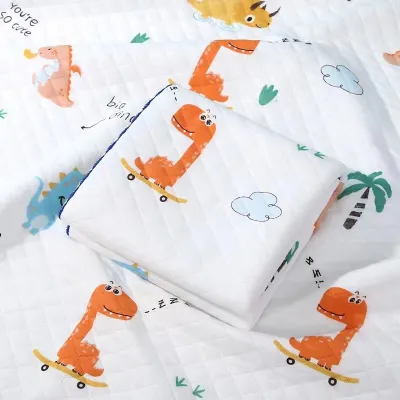
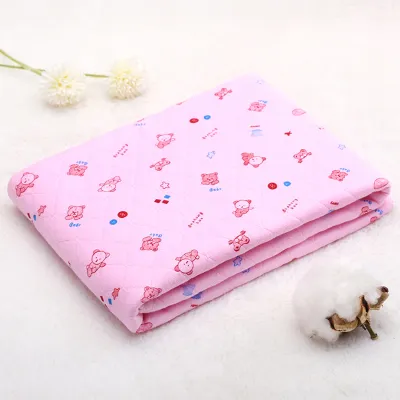
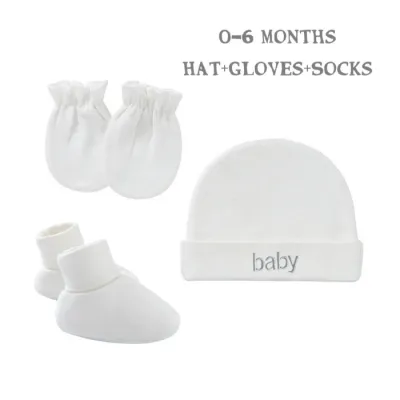
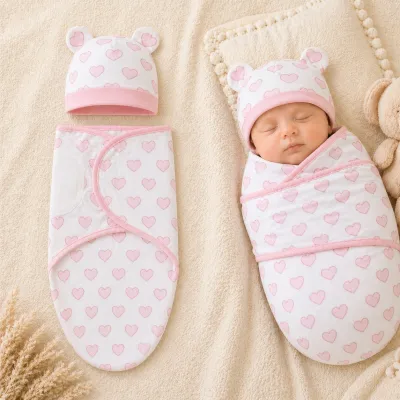
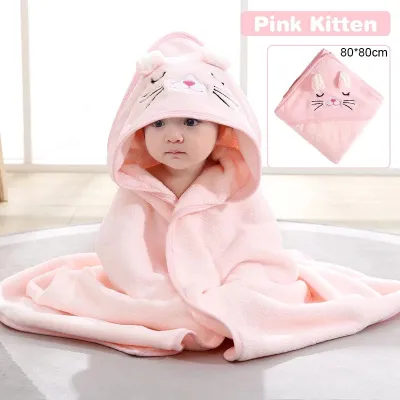
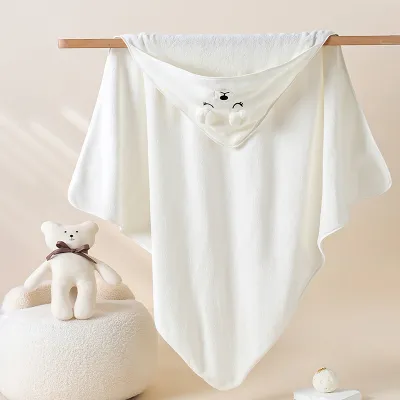
Prices are valid at publication and may change. Please refer to the product page for the latest price.
This developmental window is relatively short, typically lasting from birth until the baby begins to show signs of rolling over. As your baby grows and gains physical strength, their need for mobility increases. Keeping an older, more active baby tightly wrapped restricts their natural movement and can lead to dangerous situations if they manage to roll onto their stomach while their arms are confined.
Because every infant develops at a unique pace, age alone should not be the sole factor in deciding whether to swaddle. You must observe your baby’s physical milestones and strength. If your baby was born prematurely or has diagnosed health conditions, such as congenital hip issues or respiratory challenges, consult your pediatrician before introducing a swaddle to ensure it is safe for their specific needs.
Key Risks and How to Prevent Them
While swaddling offers comforting benefits, it carries inherent risks if performed incorrectly or with the wrong materials. The primary safety concerns associated with swaddling fall into three main categories: hip development, temperature regulation, and sleep-related hazards.

Preventing these risks requires a combination of proper wrapping technique, selecting the right product for your environment, and maintaining consistent observation. By understanding how these risks arise, you can implement practical safeguards to keep your baby comfortable and secure throughout the sleep period.
Preventing Hip Dysplasia
Healthy hip development is a critical consideration when wrapping your baby. In the womb, a baby’s legs are tucked up and crossed, and it takes several months after birth for the joints to naturally stretch out. Forcing a baby’s legs straight or wrapping their lower body too tightly can cause the hip joints to misalign, potentially leading to hip dysplasia or dislocation.
To support natural joint development, always follow the “hips and legs” rule. The swaddle must be loose enough around the lower body to allow your baby’s hips and knees to bend up and out naturally, forming a position often described as “frog-legged.” Your baby should be able to freely flex their legs and hips without resistance from the fabric.
When purchasing swaddling products, look closely at the design of the lower pocket. Many modern wearable swaddles feature a bell-shaped bottom specifically engineered to allow ample leg movement. Check the product packaging and manufacturer labels to verify if the item has been evaluated or recognized by hip health organizations for its supportive design.
Avoiding Overheating
Overheating is a significant risk factor for infants, particularly in warm and humid tropical climates like the Philippines. Because babies cannot regulate their body temperature as efficiently as adults, wrapping them in heavy fabrics or adding too many layers can quickly cause their temperature to rise to unsafe levels.
You must actively monitor your baby for physical signs of overheating during sleep. Check their chest, back, or the back of their neck for dampness, sweat, or flushed skin. Rapid breathing, a warm chest to the touch, or unusual fussiness can also indicate that your baby is uncomfortably hot and needs immediate cooling.
To maintain a safe sleeping temperature, adjust both the room environment and your baby’s clothing. In warm weather, a single layer of lightweight clothing, such as a thin cotton bodysuit, under a breathable swaddle is often sufficient. Ensure the swaddle itself is made from lightweight, breathable materials like cotton muslin, and avoid heavy synthetic fabrics that trap heat.
Reducing SIDS and Suffocation Risks
Safe sleep practices are paramount when swaddling to minimize the risk of Sudden Infant Death Syndrome (SIDS) and accidental suffocation. The most critical rule for any swaddled baby is to always place them flat on their back for every sleep session. Placing a swaddled baby on their side or stomach is highly dangerous, as they cannot use their arms to reposition themselves if their airway becomes blocked.
The sleep environment must remain completely clear of potential hazards. Never place loose blankets, pillows, bumper pads, or soft toys inside the crib or bassinet with a swaddled baby. If a swaddle blanket comes undone during the night, the loose fabric can easily migrate to cover the baby’s nose and mouth, obstructing their breathing.
To prevent the wrap from unraveling, ensure you are using a secure wrapping technique or a wearable swaddle with reliable fasteners. If you notice the fabric loosening frequently or if your baby routinely wiggles their arms free, it may be time to switch to a different style of swaddle or transition to a wearable sleep sack that does not restrict the arms.
Step-by-Step Guide to Safe Swaddling
Achieving a secure and safe swaddle requires practice and attention to detail. If you are using a traditional square swaddle blanket, start by folding the top corner down slightly to create a straight edge. Place your baby on their back with their neck resting along the folded edge, ensuring their shoulders are just below the fold.
Gently bring your baby’s right arm down by their side. Pull the corner of the blanket on that same side across their chest, tucking it securely underneath their left side, leaving the left arm free. Next, pull the bottom of the blanket up over their feet, ensuring there is plenty of loose fabric around their hips and knees so they can bend their legs freely.
Finally, place your baby’s left arm down by their side, pull the remaining corner of the blanket across their chest, and tuck it snugly under their right side. If you are using a wearable swaddle with zippers, snaps, or hook-and-loop fasteners, secure them according to the manufacturer’s precise instructions, ensuring the fabric is smooth and flat.
Once the swaddle is secured, perform the “two-finger rule” to check the tightness around your baby’s chest. Slide two of your fingers between the swaddle fabric and your baby’s chest; the wrap should feel snug but allow your fingers to slide in comfortably. This ensures your baby can expand their chest fully to breathe without restriction.
Always double-check the area around your baby’s face, neck, and chin. No fabric should bunch up near the mouth or nose. If the swaddle rides up when your baby moves, loosen and re-secure it, or consider using a smaller size to prevent the material from shifting upward during sleep.
When to Stop Swaddling Your Baby
Swaddling is a temporary comfort measure that must be discontinued as soon as your baby reaches specific developmental milestones. The primary physical indicator that it is time to stop swaddling is when your baby shows any signs of attempting to roll over. This milestone can occur as early as two months of age, though it varies for every infant.
Continuing to swaddle a baby who can roll over poses a severe safety hazard. If a swaddled baby rolls onto their stomach, they will be unable to use their arms to push themselves up or turn their head to clear their airway. This position dramatically increases the risk of suffocation and SIDS, making immediate action necessary the moment you observe rolling attempts.
To make the transition easier for your baby, you can adopt a gradual approach rather than stopping abruptly. Start by swaddling your baby with one arm left out of the wrap for a few nights, allowing them to adjust to the increased freedom of movement. Once they are comfortable, transition to leaving both arms out, effectively turning the swaddle into a wearable blanket or sleep sack.
Choosing the Right Baby Swaddle
Selecting the appropriate swaddling product involves comparing different styles to find what works best for your baby’s size and your daily routine. Traditional swaddle blankets offer versatility, as they can be adjusted to fit your baby’s exact shape, but they require a precise folding technique to remain secure.
Wearable swaddles, often designed as sleep sacks with adjustable wings or wraps, provide a convenient alternative. These products typically feature built-in zippers, snaps, or hook-and-loop fasteners that make it easier to achieve a secure fit quickly. They are especially helpful for nighttime diaper changes, as many designs allow you to unzip the bottom half without disturbing your baby’s arms.
When shopping for a swaddle, always prioritize safety checks over aesthetics. Verify the manufacturer’s sizing guidelines, which are typically based on your baby’s weight and length rather than age alone. Ensure the fasteners are sturdy and will not easily degrade in the wash, and select breathable, lightweight fabrics to prevent heat retention in warm environments.
Frequently Asked Questions (FAQ)
Can I swaddle my baby for naps and nighttime sleep?
Yes, you can swaddle your baby for both daytime naps and nighttime sleep, provided you follow the same safety guidelines for every sleep session. Safe sleep practices, including placing your baby on their back on a firm, flat surface and keeping the sleep area free of loose items, do not change based on the time of day. Consistent sleep routines can help your baby associate the swaddle with rest, but you must remain vigilant and perform regular checks to ensure they do not overheat or roll over during shorter daytime naps.
What should my baby wear under a swaddle?
What your baby wears under a swaddle depends heavily on the ambient temperature of the room and the thickness of the swaddle fabric. In warm tropical climates, a simple, lightweight cotton bodysuit or even just a diaper under a breathable muslin swaddle is often sufficient to keep your baby comfortable. Avoid dressing your baby in heavy fleece pajamas or multiple layers beneath the swaddle, as this can easily lead to overheating. Always feel your baby’s chest or back to assess their comfort level and adjust their clothing layers accordingly.
Community discussion
Share your experience or ask a question. Comments are reviewed before publication.