
Swaddling can be a highly effective way to soothe a crying newborn and encourage longer, more restful sleep. By mimicking the snug, secure environment of the womb, a properly wrapped swaddle helps prevent the startle reflex from waking your baby. However, swaddling is only safe when parents strictly follow established safe sleep guidelines, use the correct wrapping techniques, and remain vigilant about developmental milestones. Understanding how to balance the soothing benefits of a swaddle with essential safety precautions is key to protecting your infant from sleep-related hazards.
Understanding the Safety of Swaddling for Newborns
The primary purpose of swaddling is to help newborns transition from the womb to the outside world. During the first few months of life, infants possess an involuntary startle reflex, also known as the Moro reflex, which can cause their arms and legs to jerk suddenly, often waking them from a deep sleep. A swaddle gently restricts these sudden movements, providing a sense of security that can calm a fussy baby and promote sustained sleep cycles.
While swaddling offers clear soothing benefits, its safety is not absolute. It depends heavily on your baby’s current developmental stage, physical health, and how the swaddle is applied. A technique that is safe for a two-week-old infant can become highly dangerous once the baby begins to develop more mobility. Because every infant develops at a unique pace, caregivers must continuously evaluate whether swaddling remains appropriate for their child.
Products mentioned in this guide
![[Teeker]Newborn Baby Swaddle Wraps Cotton Four Seasons Sleeping Bags Cartoon Anti Startle Anti Kick 360° Wrapped 30x60CM Bed Accessories For Neonate Infant 0-3 Months](https://img.lazcdn.com/g/p/15421bddd6075ef1332eb00e5cf69036.png_400x400q80.png_.webp)
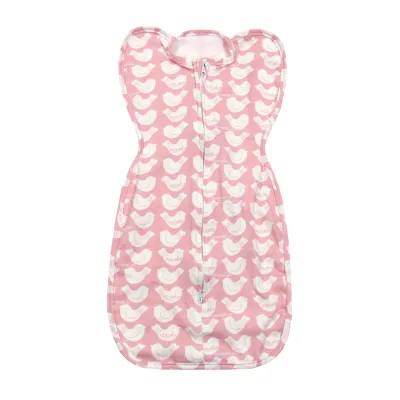
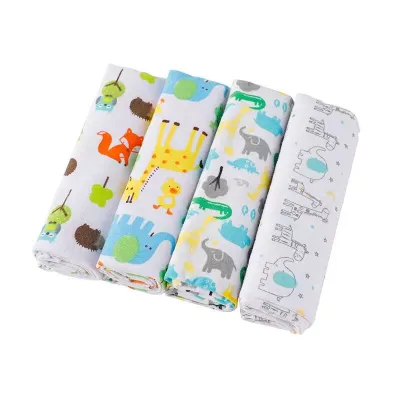
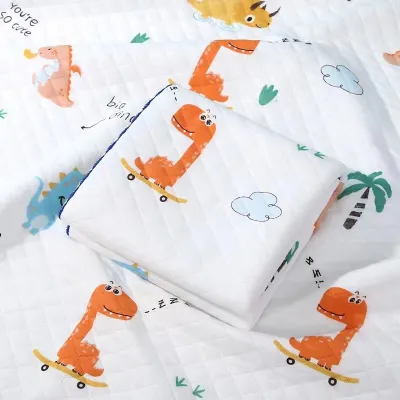
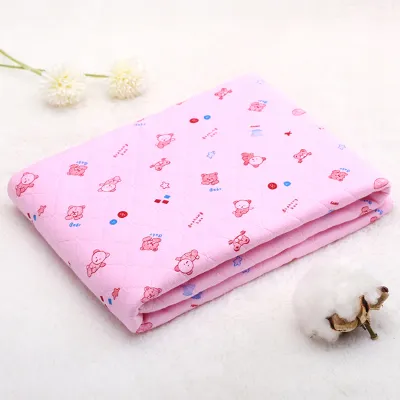
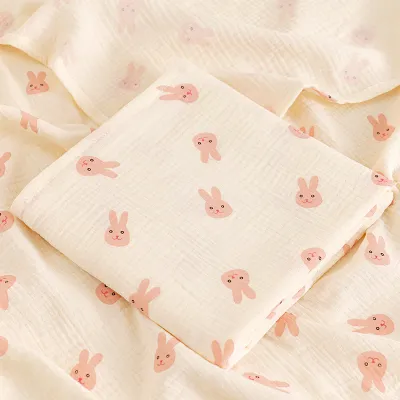
Prices are valid at publication and may change. Please refer to the product page for the latest price.
Before using any swaddle product, it is vital to inspect the manufacturer’s label for specific age, weight, and height limits. Off-the-shelf swaddles, sleep sacks, and wearable wraps are engineered to fit specific size ranges to prevent fabric from shifting over the baby’s face. Using a swaddle that is too large or too small can compromise its safety.
Additionally, always consult your pediatrician or a qualified healthcare professional before establishing a swaddling routine. A doctor can evaluate your baby’s physical development, hip health, and overall growth to provide personalized guidance on safe sleep practices tailored to your family’s needs.
Potential Risks and Warning Signs to Monitor
Improper swaddling techniques or using the wrong materials can introduce serious physical risks to a newborn. One of the most critical long-term concerns is hip dysplasia, a condition where the hip joint does not develop properly. If a swaddle is wrapped too tightly around the baby’s legs and hips, forcing the legs straight down and pressing them close together, it can pull the hip joints out of alignment. Healthy hip development requires that the baby’s legs remain free to bend up and out at the hips.

Overheating is another significant risk, particularly in warm, tropical climates like the Philippines. Because newborns cannot regulate their body temperature as efficiently as adults, a swaddle that is too thick or wrapped too tightly can cause thermal stress. Caregivers should actively monitor the baby for physical signs of overheating, such as sweating, damp hair, a hot chest, rapid breathing, or flushed skin. If you notice any of these signs, it is crucial to cool the room or adjust the baby’s clothing immediately.
Suffocation hazards are also a primary concern when swaddling. If a traditional swaddle blanket is wrapped loosely, it can easily unravel as the baby moves during sleep. This loose fabric can migrate upward, covering the baby’s nose and mouth and blocking their airway. Ensuring the swaddle remains secure and cannot unravel is a fundamental safety requirement.
Finally, wrapping a swaddle too tightly across the baby’s chest can restrict their breathing. A newborn’s chest needs to expand fully with every breath. If the fabric is bound too tightly, it limits chest expansion, which can reduce oxygen intake and place unnecessary strain on the baby’s respiratory system.
Step-by-Step Precautions for Safe Swaddling
To ensure your baby reaps the benefits of swaddling without facing unnecessary risks, you must apply the wrap with precise care. Start by focusing on the lower body. When wrapping the baby, ensure their hips and knees can bend freely. The legs should be able to fall open naturally in a frog-like position, with the knees bent and pointing outward. Never force the baby’s legs straight or bind them tightly together; the bottom of the swaddle should be loose enough that the baby can kick and flex their legs without resistance.
Next, check the tightness around the baby’s chest. A safe swaddle should be snug but not restrictive. Once the swaddle is secured, perform a quick manual check: you should be able to comfortably slip two to three fingers between the swaddle fabric and your baby’s chest. If you cannot fit your fingers easily, the wrap is too tight and must be loosened. If it feels excessively loose, it must be re-wrapped to prevent it from unraveling.
It is absolutely critical to keep the baby’s face, neck, and head completely clear of any fabric. The swaddle should never rise above the shoulders. Ensure there are no loose folds or collars near the chin that could ride up when the baby wiggles. The head must remain entirely uncovered to allow for unobstructed breathing and to help the baby dissipate excess body heat.
Managing the sleep environment is equally important for safety. In warm or humid conditions, ensure the room is well-ventilated, using an electric fan or air conditioning to maintain a comfortable ambient temperature. Dress your baby in lightweight, breathable clothing underneath the swaddle—such as a simple cotton bodysuit—and avoid adding extra blankets over the swaddle. The swaddle itself counts as a layer of bedding, so additional covers are unnecessary and dangerous.
When to Stop Swaddling and Transition Safely
Swaddling is a temporary sleep aid, and knowing when to stop is vital for your baby’s safety. The most critical milestone that dictates an immediate end to swaddling is when your baby shows any signs of attempting to roll over. Whether they are trying to roll from back-to-front or front-to-back, swaddling must stop immediately. If a swaddled baby rolls onto their stomach, they will not have their arms free to push their face away from the mattress, creating an extremely high risk of suffocation. This milestone often occurs around two to four months of age, but it can happen sooner.
In addition to watching for physical milestones, always adhere to the manufacturer’s maximum age, weight, or developmental guidelines printed on your swaddle product. Even if your baby has not yet attempted to roll, reaching the maximum weight or age limit specified by the manufacturer means the product is no longer safe to use.
When it is time to transition away from a traditional swaddle, you can ease the process by using safe alternatives. Wearable blankets or sleep sacks designed with arms-free openings are excellent options. These products keep your baby warm and provide a familiar, cozy feeling around the torso while leaving their arms completely free to move, roll, and push themselves up safely. Some transition swaddles allow you to wrap one arm out first for a few nights before freeing both arms.
As with any major change in your baby’s sleep routine, discuss the transition timeline with your pediatrician. They can help you assess your baby’s motor skills and recommend the safest sleep setup for their current developmental stage.
Choosing the Right Swaddle for Newborn Baby
Selecting the right swaddle involves evaluating materials, design features, and safety labels to ensure a secure sleep environment. Fabric breathability is paramount, especially in tropical climates where humidity and heat are constant factors. Look for lightweight, natural fibers such as muslin, cotton, or bamboo-derived fabrics. These materials allow air to circulate freely, helping to regulate your baby’s body temperature and reducing the risk of overheating during sleep.
When comparing swaddle designs, consider the fastening mechanisms. Traditional square blankets require precise folding techniques and can easily unravel if the baby is active. Modern, purpose-built swaddles and sleep sacks often feature secure fasteners like zippers, snaps, or adjustable hook-and-loop tabs. These designs are generally easier to secure correctly and are less likely to come undone during the night, minimizing the risk of loose fabric in the crib.
Always verify that any swaddle you purchase is explicitly labeled as intended for infant sleep. Read the packaging carefully to ensure the product matches your baby’s current weight and length. Avoid buying oversized swaddles with the intention of letting your baby “grow into” them, as excess fabric poses a serious safety hazard.
Finally, avoid using aftermarket accessories, weighted swaddles, or weighted sleep sacks. Pediatric health organizations and safety standards advise against weighted sleep products due to the potential risk of chest compression and restricted breathing. Keep the crib completely clear of loose items, including pillows, bumpers, stuffed toys, and extra blankets. A firm, flat mattress with a fitted sheet and a properly fitted, non-weighted swaddle or sleep sack is all your baby needs for a safe night’s sleep.
Frequently Asked Questions (FAQ)
Can I swaddle my baby for naps and nighttime sleep?
Yes, you can swaddle your baby for both daytime naps and nighttime sleep, provided you follow the same safety guidelines for every sleep period. Safe sleep practices do not change based on the time of day. Always place your swaddled baby on their back on a firm, flat mattress free of loose bedding, toys, or pillows. Ensure the room is well-ventilated and monitor your baby regularly, regardless of whether they are napping or sleeping overnight.
What should my baby wear under a swaddle?
What your baby wears under a swaddle depends on the room temperature and the thickness of the swaddle fabric. In warm, tropical climates, a single lightweight layer, such as a short-sleeve cotton bodysuit or just a diaper, is often sufficient under a breathable swaddle. Avoid dressing your baby in heavy pajamas or fleece layers under a swaddle, as this can quickly lead to overheating. Regularly feel your baby’s chest or the back of their neck to ensure they are comfortably warm, not hot or sweaty.
Is it safe to swaddle a baby with their arms out?
Yes, swaddling with the arms out is safe and is highly recommended as a transition step when your baby is learning to sleep without a swaddle. It is also a great option for babies who prefer to have their hands free to self-soothe. However, always check the specific product instructions for your swaddle. Some swaddles are designed to be used exclusively with arms in, while others feature snaps or armholes specifically designed to allow safe, arms-out use.

Community discussion
Share your experience or ask a question. Comments are reviewed before publication.