
Swaddling a newborn can feel like a parenting superpower, helping to soothe the startle reflex and encourage longer stretches of sleep. However, as your baby approaches the six-month mark, their physical capabilities undergo a massive shift. If your six-month-old baby is starting to roll, continuing to swaddle them is no longer safe. The moment your baby shows any signs of attempting to roll over, you must stop swaddling immediately to eliminate the risk of accidental suffocation.
At six months of age, babies are rapidly developing motor skills that require freedom of movement, especially during sleep. A swaddle that binds the arms restricts a baby’s ability to use their upper body to adjust their position. If a swaddled baby rolls onto their stomach, they cannot use their hands or arms to push themselves up or turn their head to clear their airway. Transitioning away from the swaddle is a critical safety milestone that protects your baby’s breathing and supports their natural physical progression.
Why Rolling Milestones Mean It Is Time to Stop Swaddling
Physical milestones are the most reliable indicators for when to retire the swaddle, far outweighing age alone. While many babies begin attempting to roll between three and four months, others may start later, making the six-month mark a common period for this transition. You should closely observe your baby during floor play for early signs of rolling, such as rocking from side to side, shifting weight onto one shoulder, or pushing up high on their hands while on their tummy.
Products mentioned in this guide

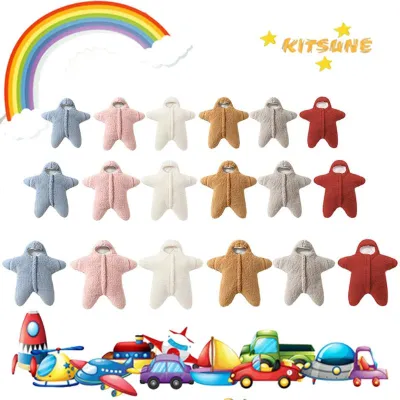
![[frthrthrt]Starfish Baby Sleeping Bag Starfish Onesie Starfish Swaddle Sack for Newborn Infant Plush Swaddle Blanket Stroller](https://img.lazcdn.com/g/p/3e76f2c76568611efc1aff9dc5374c16.jpg_400x400q80.jpg_.webp)

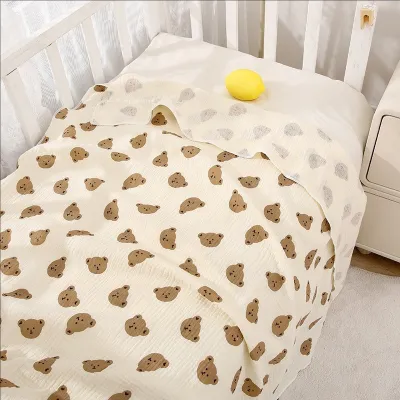
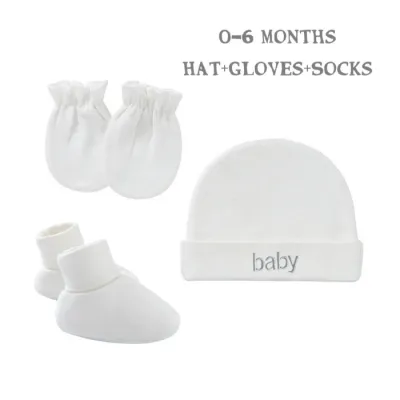
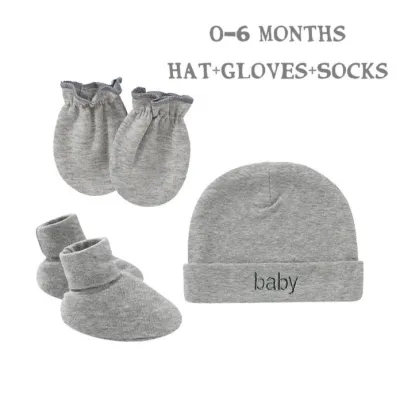
Prices are valid at publication and may change. Please refer to the product page for the latest price.
Even if your baby has only flipped from back to front once or twice during awake time, this ability can easily manifest in the crib during the night. The mechanical danger of a restricted swaddle becomes apparent the moment a baby rolls onto their stomach. When a baby’s arms are pinned tightly inside a swaddle, they lose their primary tool for self-preservation. If they roll over, they cannot push their chest off the mattress or turn their face to the side to breathe freely.
This creates an immediate and severe risk of positional asphyxiation, as the soft mattress can block their nose and mouth. To ensure your baby’s safety, you must regularly compare their current developmental milestones against the manufacturer’s guidelines for any sleep product you use. Most swaddle manufacturers explicitly state that use must be discontinued at the first sign of rolling or when the baby reaches a specific weight limit. Checking these product labels and user manuals provides a clear, objective boundary for when the swaddle must be packed away.
Safety Risks of Swaddling an Older, Active Baby
Continuing to swaddle an older, active baby introduces several distinct safety hazards that go beyond the immediate risk of rolling. At six months, babies are much stronger and more determined to move, which can cause them to break free from traditional swaddle blankets. Loose blankets in the crib pose a significant suffocation hazard if they unravel and cover the baby’s face.

In addition to airway safety, older babies require unrestricted leg and hip movement for healthy joint development. Swaddling too tightly around the lower body can restrict the natural movement of the hips, potentially leading to hip dysplasia or improper joint alignment. At six months, your baby’s legs should be free to bend up and out at the hips, a movement that traditional tight swaddles often prevent.
Overheating is another critical concern, particularly in tropical climates like the Philippines where high humidity and warm temperatures are common. An active six-month-old baby generates more body heat than a newborn, especially when they are struggling against the confinement of a swaddle. Monitor your baby closely for signs of overheating, such as sweating, damp hair, a hot chest, or flushed skin. Overheating is a known risk factor for sudden infant death syndrome (SIDS), making lightweight, breathable sleep alternatives essential for warm tropical nights.
Step-by-Step Guide to Transitioning to Alternative Sleepwear
Transitioning away from the swaddle does not have to mean sacrificing sleep for the entire household. A gradual transition strategy can help your baby adjust to the new sensation of free arms without sudden distress. Start by swaddling your baby with one arm out for a few nights, allowing them to get used to having one hand free to self-soothe. Once they seem comfortable, you can transition to having both arms out, leaving only the chest wrapped securely before moving away from the swaddle entirely.
Selecting the right alternative sleepwear is the next step in ensuring a safe and comfortable sleep environment. Wearable blankets, commonly known as sleep sacks, are excellent alternatives that keep your baby warm without the risks associated with loose blankets. Investing a few hundred ₱ in a high-quality, breathable sleep sack can provide peace of mind while keeping your baby cozy. Look for sleep sacks that feature a sleeveless design, allowing full arm mobility while providing a roomy bottom section that supports healthy hip development.
Before purchasing any new sleep product, always verify the manufacturer’s labels for age appropriateness, weight limits, and safety warnings. Ensure the product is specifically rated for babies who can roll, as some weighted or restrictive transition suits are not safe once a baby can turn over. Checking these specifications ensures that your new investment aligns perfectly with your baby’s current developmental stage.
Maintaining a Safe Crib Environment Post-Swaddle
Once your baby has transitioned out of the swaddle, they will have much more mobility within their crib, which requires a thorough safety audit of their sleep space. The foundation of a safe sleep environment is a firm, flat crib mattress that fits snugly within the crib frame. There should be no gaps between the mattress and the crib walls where a rolling baby could potentially become trapped or wedged.
To maintain a clear airway for your active sleeper, remove all loose bedding, pillows, bumper pads, sleep positioners, and soft toys from the crib. While these items may look cozy, they present serious suffocation and entrapment hazards for a baby who is rolling and moving around the crib. The safest crib is a completely bare crib, containing only a firm mattress covered by a tight-fitting sheet.
Managing your baby’s temperature without loose blankets requires adjusting their clothing layers based on the room’s climate. In warm, humid environments, a lightweight cotton sleep sack paired with a short-sleeved bodysuit is often sufficient to keep your baby comfortable. If you use air conditioning, you might opt for a slightly higher thermal overall grade (TOG) sleep sack, but always ensure the fabric remains breathable to prevent heat buildup.
When to Seek Professional Guidance for Sleep Changes
While sleep disruptions are common during major developmental transitions, there are times when professional guidance is necessary. If your baby experiences severe sleep regression, extreme distress that lasts for several weeks, or if you notice any breathing difficulties during sleep, it is time to consult your pediatrician. These signs could indicate underlying issues that require a professional medical evaluation rather than simple sleep adjustments.
If your baby has underlying health conditions, a history of premature birth, or developmental delays, you should discuss any changes to their sleep routine with a qualified healthcare provider first. These factors can influence muscle tone and motor development, which may affect how and when your baby should transition out of specific sleep products.
Always avoid making medical diagnoses or altering prescribed sleep or feeding routines without direct clinical advice. Your pediatrician can provide personalized guidance tailored to your baby’s unique growth trajectory, ensuring that safety remains the top priority as your little one grows.
Frequently Asked Questions (FAQ)
Is it safe to use a swaddle transition suit for a 6-month-old?
You must carefully evaluate any swaddle transition suit before using it for a six-month-old who is starting to roll. Many transition suits are designed to restrict arm movement slightly to dampen the startle reflex, which can be dangerous if the baby rolls onto their stomach. Always check the manufacturer’s explicit instructions; if the product restricts arm movement or prevents the baby from pushing themselves up, it is not safe for a baby who can roll. Opt instead for sleeveless sleep sacks that allow complete freedom of the arms and shoulders.
What should I do if my baby rolls onto their stomach during sleep?
Always place your baby on their back at the start of every sleep period, as this is the safest position for sleep. If your baby is unswaddled and independently rolls onto their stomach during the night, you do not need to flip them back onto their back, provided they can roll easily in both directions. Ensure their sleep environment is completely clear of loose blankets, pillows, and toys so their airway remains unobstructed in any sleeping position.
How can I prevent my baby from waking up after stopping the swaddle?
To minimize sleep disruptions during the transition, establish a consistent and calming bedtime routine that signals it is time to sleep. Using a continuous white noise machine can help soothe your baby and mask household sounds that might wake them. Give your baby a few nights to adjust to the new sensation of free arms, as they will gradually learn to use their hands to self-soothe, leading to more stable sleep patterns over time.

Community discussion
Share your experience or ask a question. Comments are reviewed before publication.