
Determining whether a smokeless mosquito repellent is safe for your baby depends entirely on the specific active ingredients, their concentration, your infant’s exact age, and how the device is used in the room. There is no universal “safe” or “unsafe” designation for all products in this category. In tropical climates, where high humidity and rainy seasons bring a surge in mosquito activity, finding a balance between pest protection and infant safety is a constant challenge for parents. Caregivers must carefully verify product labels, adhere to manufacturer age restrictions, and consult a pediatrician before introducing any airborne pest control product into a newborn’s environment.
Understanding Smokeless Mosquito Repellents and Infant Vulnerability
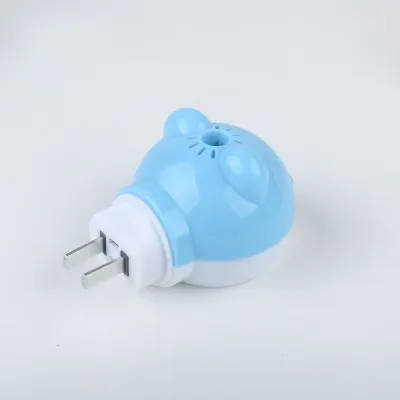
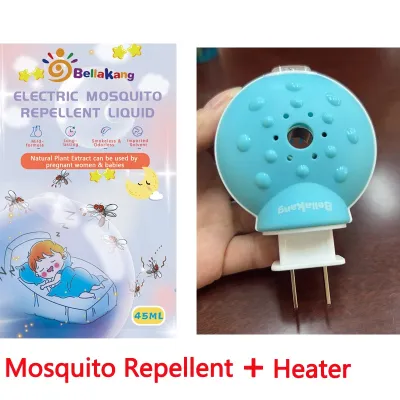
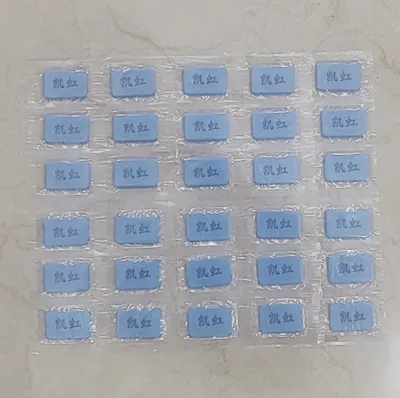
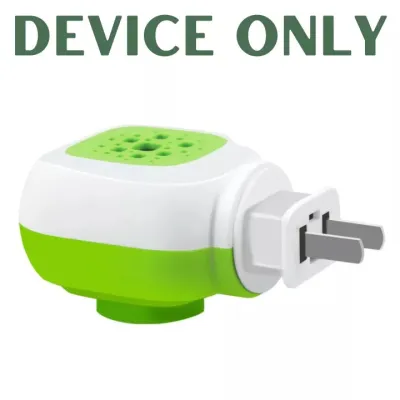
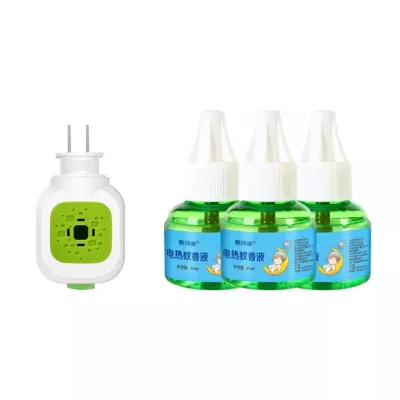
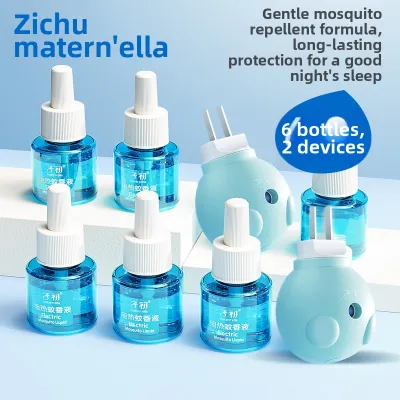
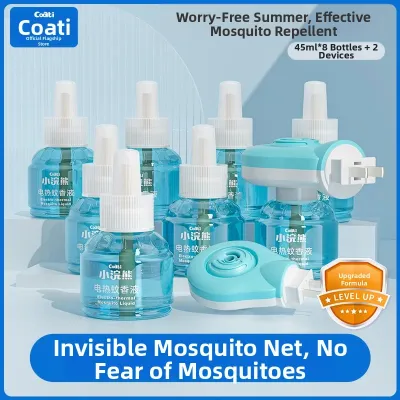
Smokeless mosquito repellents have become popular alternatives to traditional mosquito coils, which produce heavy, visible smoke that is highly irritating to young lungs. These modern devices typically include liquid vaporizers, plug-in mats, or heated cartridges that plug into wall outlets. Instead of burning organic matter, they use a small heating element to gently warm a liquid or a solid mat infused with active insecticidal or repellent ingredients. This process allows the active compounds to evaporate continuously into the room’s air, creating an invisible barrier that deters or kills mosquitoes.
While the lack of visible smoke makes these devices seem completely benign, infants possess unique physiological vulnerabilities that require much stricter safety boundaries than adults. A baby’s respiratory system is still developing, and their airways are significantly narrower and more sensitive to airborne irritants. Furthermore, infants breathe at a much faster rate relative to their body weight than adults do, meaning they inhale a higher volume of air—and any chemicals suspended in it—over any given period. Their metabolic and nervous systems are also immature, making it harder for their bodies to process and detoxify inhaled foreign substances.
Products mentioned in this guide
Prices are valid at publication and may change. Please refer to the product page for the latest price.
It is vital to understand that “smokeless” only refers to the absence of visible smoke or particulate matter from combustion. It does not mean the product is chemical-free, nor does it guarantee that the vaporized ingredients are safe for a newborn to inhale. The active ingredients are still designed to affect living organisms, and their continuous presence in a closed nursery can pose risks that must be carefully managed.
Decoding Active Ingredients and Age Restrictions
To make an informed decision, caregivers must learn to read the fine print on product packaging and identify the specific active ingredients used in any smokeless repellent. These ingredients are typically listed on the back or side of the box, along with their concentration percentages. The most common synthetic active ingredients found in household vaporizers belong to a class of chemicals called pyrethroids, such as prallethrin, allethrin, or transfluthrin. While these chemicals are widely used to target the nervous systems of insects, their safety profile around developing infants requires careful scrutiny.

Standard pediatric frameworks generally advise extreme caution when using synthetic chemical repellents around very young infants. For instance, many health organizations recommend avoiding the use of any synthetic chemical repellents on or directly around babies under two months of age. For older infants, the concentration of the active ingredient is a critical factor; higher concentrations increase the risk of respiratory irritation or systemic exposure. Parents should always check the product packaging for specific age limits, as many manufacturers explicitly state that their vaporizers or mats should not be used in rooms with infants under a certain age.
Many parents turn to plant-based or essential oil repellents, such as citronella, eucalyptus, or lemongrass, assuming that “natural” automatically equates to “safe.” However, this is a common misconception in infant care. Essential oils contain highly concentrated volatile organic compounds that can easily trigger respiratory irritation, coughing, or allergic reactions in sensitive newborns. Furthermore, certain natural ingredients, such as oil of lemon eucalyptus (OLE) or PMD, are explicitly restricted by pediatric guidelines for children under three years of age due to a lack of safety data for younger cohorts.
Before purchasing or plugging in any smokeless repellent, you should cross-reference the active ingredients and the manufacturer’s stated age restrictions with your pediatrician. A qualified healthcare professional can provide personalized guidance based on your baby’s health history, respiratory health, and the specific mosquito-borne disease risks in your local area.
Setting Up Safe Usage Boundaries in the Nursery
If your pediatrician confirms that a specific smokeless repellent is appropriate for your baby’s age, establishing strict usage boundaries is essential to minimize inhalation risks. The physical placement of the device is the first line of defense. Never plug a vaporizer or place a repellent device directly next to the crib, on the floor where a crawling baby can reach it, or near low-lying bedding. The device should be positioned high up, completely out of reach of children, and far enough away from the sleeping area so that the vapor does not blow directly toward the baby’s face.
Proper ventilation is another critical factor that parents often overlook. While it might seem logical to seal the nursery to keep mosquitoes out, running a chemical vaporizer in a completely closed, unventilated room allows the active ingredients to accumulate to high concentrations. Always leave a window or a door partially open to ensure continuous airflow. This prevents the chemical vapors from building up to levels that could irritate your baby’s delicate respiratory tract while still maintaining a level of protection against pests.
Implementing time-limiting strategies can also significantly reduce your baby’s overall exposure. Instead of running the device continuously throughout the night while your baby sleeps, consider using it to clear the room beforehand. You can plug the vaporizer in for an hour or two before bedtime with the door closed to eliminate any mosquitoes currently in the room. Then, unplug the device, thoroughly ventilate the room for a few minutes, and place your baby down to sleep in a mosquito-free environment. Always verify that the product label supports this method of intermittent use.
Finally, continuous adult supervision is non-negotiable when using any active pest control device in the home. Monitor the room’s air quality and pay close attention to how your baby behaves when the device is active. If you notice any changes in their breathing patterns, comfort levels, or skin condition, you must immediately discontinue use and re-evaluate your pest control strategy.
Recognizing Adverse Reactions and When to Seek Help
Even when you follow all safety guidelines, infants can still experience adverse reactions to the vapors released by smokeless repellents. Caregivers must remain vigilant and know how to identify the early signs of chemical sensitivity or respiratory distress. Common respiratory signals include sudden coughing, wheezing, rapid breathing, sneezing, or a runny nose that develops shortly after the device is turned on. You should also watch for physical signs of irritation, such as watery or red eyes, unusual fussiness, lethargy, or unexplained skin rashes.
If you suspect your baby is reacting negatively to a smokeless repellent, take immediate action to eliminate the exposure. Turn off and unplug the device immediately, open all windows and doors to fully ventilate the nursery, and carry your baby into a separate room or an outdoor area with fresh air. Wash any exposed skin with mild soap and water if you suspect direct contact with the liquid or residue.
Do not attempt to diagnose or treat potential chemical exposure or severe respiratory irritation at home. If your baby’s symptoms do not improve rapidly after moving to fresh air, or if they exhibit severe signs such as difficulty breathing, blue-tinted lips, persistent coughing, or extreme lethargy, seek professional medical evaluation immediately. Always bring the product packaging or take a clear photo of the active ingredient label to the clinic or emergency room so the healthcare provider knows exactly what chemical your baby was exposed to.
Exploring Low-Risk Alternatives for Infant Mosquito Protection
Given the potential risks associated with airborne chemical repellents, exploring low-risk, non-chemical alternatives is often the safest approach for protecting newborns and young infants. Physical barriers are highly effective and carry zero chemical exposure risks. Installing a properly fitted, breathable mosquito net over your baby’s crib or playpen provides a secure physical shield against bites. Additionally, ensuring that all windows and doors in your home are fitted with intact, fine-mesh screens will prevent mosquitoes from entering your living spaces in the first place.
Environmental controls within and around your home can also dramatically reduce the local mosquito population. Regularly inspect your property and eliminate any sources of stagnant water, such as uncovered buckets, plant saucers, or clogged gutters, which serve as breeding grounds for mosquitoes. Indoors, using a simple ceiling fan or a standing fan on a low setting can help disrupt mosquito flight patterns. Because mosquitoes are weak fliers, the gentle breeze makes it difficult for them to land on your baby, providing a safe and chemical-free layer of protection.
When your baby is awake and supervised in areas where mosquitoes are active, dressing them in appropriate clothing is an excellent preventive measure. Choose light-colored, loose-fitting garments that cover their arms and legs. Light colors are less attractive to mosquitoes, and loose-fitting fabric makes it harder for insects to bite through to the skin. Combining these physical and environmental strategies allows you to create a highly protective environment for your baby without relying heavily on chemical vaporizers.
Frequently Asked Questions (FAQ)
Can I use mosquito repellent patches or stickers on a newborn's clothes?
Mosquito repellent patches or stickers are designed to adhere to clothing rather than direct skin, which reduces the risk of dermal absorption. However, they are generally not recommended for newborns or very young infants. The primary concern is that a baby can easily pull the patch off their clothes and place it in their mouth, presenting a serious choking hazard or leading to accidental ingestion of the active ingredients. If you choose to use these products on an older infant, always place them on the back of the clothing where the baby cannot reach them, and carefully check the packaging for specific age recommendations, ingredient warnings, and adhesion safety.
Are ultrasonic mosquito repellents safe and effective for babies?
Ultrasonic mosquito repellents use high-frequency sound waves to deter insects and do not emit any airborne chemicals, making them physically safe to use around babies. However, their practical efficacy is highly debated, and independent scientific testing has consistently shown that these devices are largely ineffective at repelling mosquitoes. Relying solely on unproven ultrasonic devices can leave your baby vulnerable to bites, which is a significant concern in tropical regions where mosquito-borne illnesses are prevalent. For reliable protection, it is best to combine proven physical barriers, like crib netting, with proper environmental controls.
Community discussion
Share your experience or ask a question. Comments are reviewed before publication.