
High-quality, food-grade silicone is generally considered a safe, durable, and highly effective material for baby teethers, provided it is manufactured correctly, free from harmful chemical additives, and used under close adult supervision. Because babies naturally explore their world by putting objects in their mouths, the materials used in teething toys must withstand constant moisture, pressure, and friction without breaking down or leaching harmful substances. For parents navigating the teething phase, understanding what makes silicone safe—and how to verify the quality of a silicone toy—is essential for protecting a baby’s health.
In tropical environments like the Philippines, where high humidity and warm temperatures create ideal conditions for mold and bacterial growth, material selection becomes even more critical. Traditional teething materials like wood or fabric can trap moisture and require extensive drying times to remain hygienic. Silicone, by contrast, offers a non-porous surface that resists moisture absorption, making it a highly practical choice for local households. However, not all silicone products are created equal, and parents must know how to distinguish high-quality baby products from lower-grade alternatives.
This guide outlines the essential safety profiles of silicone, the specific quality markers to look for on product packaging, and the best practices for cleaning and maintaining these toys. By learning how to inspect and care for silicone teethers, you can support your baby’s developmental milestones while maintaining a clean, hazard-free environment.
Products mentioned in this guide
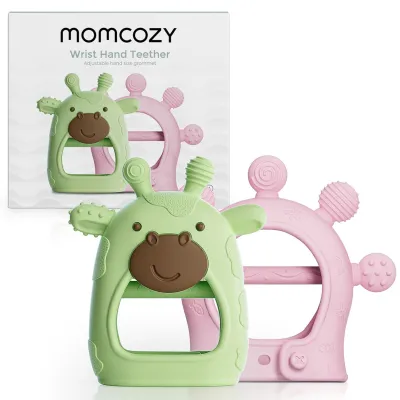
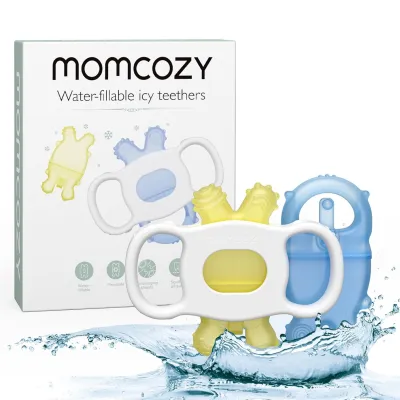
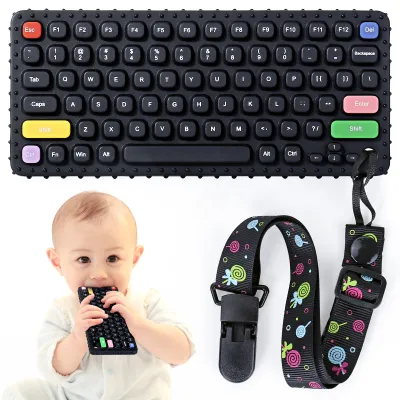
Prices are valid at publication and may change. Please refer to the product page for the latest price.
Understanding Silicone Safety for Babies
To understand why silicone is so widely used in infant care, it helps to distinguish between the different grades of this material. Silicone is a synthetic polymer made from silicon, oxygen, carbon, and hydrogen. While industrial-grade silicone is commonly used in automotive, construction, and general manufacturing applications, it often contains chemical fillers, plasticizers, or processing byproducts that are entirely unsuitable for oral contact. In contrast, food-grade and medical-grade silicones undergo rigorous purification processes to ensure they do not leach harmful chemicals when subjected to heat, saliva, or mechanical wear.
Food-grade silicone is highly favored for baby teethers due to its unique physical properties. It is inherently flexible and soft on tender gums, yet resilient enough to withstand the pressure of emerging baby teeth. Because it is non-porous, it does not absorb liquids, saliva, or food particles, which significantly reduces the risk of bacterial colonization. Additionally, high-quality silicone is exceptionally heat-resistant, allowing parents to sanitize the toys repeatedly using boiling water or steam without warping, melting, or degrading the material.
Despite these excellent material properties, silicone safety is never absolute and remains strictly conditional. A silicone toy is only as safe as its manufacturing process and its daily usage. If a manufacturer uses low-quality raw materials or fails to cure the silicone properly, volatile organic compounds or heavy metals may remain in the finished product. Furthermore, even the highest-quality teether can become a hazard if it is used incorrectly, left to degrade in direct sunlight, or given to a child without continuous adult supervision. Parents must treat material safety as an ongoing practice of careful selection and vigilant monitoring.
Quality Markers to Check on Silicone Toy Packaging
When shopping for a silicone toy, the product packaging serves as your primary line of defense against low-quality or counterfeit materials. The first detail to verify is an explicit material claim. Reliable manufacturers will clearly print terms like “100% Food-Grade Silicone” or “Medical-Grade Silicone” on the box. Avoid products that simply list “silicone” without specifying the grade, as this lack of detail often indicates the presence of cheap chemical fillers that can compromise the safety of the toy.

Next, carefully inspect the packaging for chemical-free declarations. Look for prominent labels indicating that the product is “BPA-free,” “PVC-free,” and “phthalate-free.” Bisphenol A (BPA) and phthalates are synthetic compounds historically used to harden or soften plastics, and they are known endocrine disruptors that should never be present in items designed for a baby’s mouth. While pure silicone does not naturally contain these chemicals, cheaper hybrid plastics or low-grade silicone blends might, making these explicit declarations crucial for peace of mind.
Accountability is another vital marker of a reputable product. A safe silicone teether should always feature clear age-grading labels, such as “3m+” or “6m+,” helping you choose a toy that matches your baby’s physical size and motor skills. Additionally, the packaging must display the manufacturer’s or distributor’s official name, physical address, and contact information. If a product lacks these basic details, it is difficult to hold anyone accountable in the event of a product defect or safety recall, and such items should be avoided.
Finally, look for printed compliance marks that indicate the toy has undergone regulatory safety testing. Depending on where the product was manufactured or imported, you may see codes referencing international safety standards, such as EN71 in Europe or ASTM F963 in the United States. Rather than accepting these symbols at face value, treat them as items to verify. Reputable brands often provide compliance certificates or testing documentation on their official websites, allowing you to confirm that the toy has indeed passed independent safety evaluations before you place it in your shopping cart.
Safe Usage and Daily Maintenance of Silicone Teethers
Maintaining a strict cleaning routine is essential for keeping silicone teethers safe, especially in warm, humid climates where airborne dust and microbes settle quickly. Always consult and follow the manufacturer’s specific cleaning instructions first, as some teethers contain internal components, rattles, or wooden accents that cannot tolerate high heat. For pure silicone teethers, standard cleaning typically involves washing the toy by hand using warm water and a mild, fragrance-free baby dish soap, ensuring you scrub all textured surfaces where saliva and debris can accumulate.
If the manufacturer’s instructions permit, you can periodically sterilize pure silicone teethers to eliminate stubborn pathogens. Common sterilization methods include placing the toy in boiling water for a few minutes or using a dedicated steam sterilizer. After washing or sterilizing, it is critical to let the teether dry completely. In highly humid environments, avoid leaving wet toys in enclosed, dark spaces. Instead, place them on a clean, elevated drying rack in a well-ventilated room with good airflow to prevent any lingering moisture from attracting dust or environmental contaminants.
In addition to cleaning, establish a daily visual and tactile inspection routine before handing any silicone toy to your baby. Gently stretch the teether in multiple directions and run your fingers over the surface to check for hairline cracks, micro-tears, or thinning areas. Pay close attention to joints, seams, and textured ridges, which experience the most stress during chewing. Ensure that any attached rings, straps, or decorative elements are firmly secured and show no signs of loosening, as a detached part can instantly become a life-threatening choking hazard.
Proper storage is the final step in maintaining the integrity of silicone teethers. When the toy is not in use, store it in a clean, dry, and sealed container or a dedicated fabric pouch to shield it from household dust, pet hair, and insects. Keep the storage container away from direct sunlight, damp areas, and high-heat sources like stoves or sterilizers when they are active. Prolonged exposure to UV rays and environmental heat can accelerate the aging of the polymer, causing the silicone to lose its flexibility and break down prematurely.
Warning Signs: When to Replace a Silicone Teether
No teething toy is designed to last forever, and knowing when to discard a silicone teether is critical for preventing injuries. The most obvious warning sign is physical damage. If you notice any punctures, deep bite marks, peeling layers, or permanent stretching, the teether must be replaced immediately. As babies grow, their jaw strength increases, and those with newly erupted, sharp incisors can easily bite through weakened or damaged silicone, creating small, loose fragments that can be swallowed or inhaled.
Changes in the material’s physical texture are also clear indicators of degradation. If the silicone surface begins to feel sticky, tacky, or unusually gummy, the polymer chains are breaking down, often due to age, improper cleaning, or excessive heat exposure. Discoloration that cannot be washed away, or the development of a persistent chemical, sour, or musty odor, also indicates that the material is no longer hygienic or structurally sound. If you observe any of these changes, discard the toy immediately.
Finally, always prioritize your baby’s immediate comfort and safety over the lifespan of the toy. If any part of the silicone teether breaks off, cracks, or begins to crumble during use, remove it from your child’s reach at once. If your baby exhibits unusual oral discomfort, localized redness, swelling, or signs of irritation after using a specific teether, stop using the product immediately. In such cases, consult a qualified pediatrician or pediatric dentist to evaluate the irritation and seek professional guidance on safe, alternative ways to soothe your baby’s teething discomfort.
Frequently Asked Questions (FAQ)
Can I put silicone teethers in the freezer to soothe gums?
While chilling a teether can provide excellent relief for swollen, irritated gums, you must verify if the specific product is labeled as freezer-safe by the manufacturer. Some silicone teethers are hollow or filled with water or gel, and freezing them solid can cause the outer silicone shell to become brittle, crack, or leak its contents. Additionally, placing an extremely cold, frozen-solid object directly against a baby’s delicate oral tissues can cause localized tissue damage or frostbite-like irritation. If the manufacturer permits chilling, placing the teether in the main refrigerator compartment rather than the freezer is generally a much safer way to provide a cool, soothing sensation.
How do I know if a silicone toy is genuinely food-grade?
To verify that a silicone toy is genuinely food-grade, look beyond the marketing claims on the front of the box and examine the detailed product specifications on the back packaging or the manufacturer’s official website. Genuine food-grade silicone products will list compliance with recognized international safety standards and provide clear manufacturer contact details. To minimize the risk of purchasing counterfeit, mislabeled, or industrial-grade materials, avoid buying baby toys from unverified third-party sellers on online marketplaces. Instead, purchase your baby’s teethers exclusively from reputable local retailers, official brand stores, or authorized distributors who can guarantee the authenticity and safety of their inventory.
Community discussion
Share your experience or ask a question. Comments are reviewed before publication.