
When you begin baby-proofing your home, silicone is one of the most common materials you will encounter. From soft corner guards and edge bumpers to door stoppers and cabinet locks, this flexible material is widely praised for its durability and cushioning texture. High-quality, food-grade or medical-grade silicone is generally considered non-toxic and safe for babies to touch, grab, and even chew on during their oral exploration phases. Because babies naturally use their mouths to learn about their environment, choosing materials that do not leach harmful chemicals is a top priority for parents.
However, safety is not an automatic guarantee for every product labeled as silicone. The actual safety of any baby-proofing gear depends heavily on the specific grade of the material, the absence of hidden chemical additives, and the chemical composition of the adhesives used to mount these items to your furniture. Furthermore, physical design plays a critical role; if a baby manages to bite off a piece of a corner guard or stopper, it immediately transforms from a safety device into a serious choking hazard. To protect your child, you must understand how to verify product safety labels, perform basic material checks, and establish a routine for regular inspections.
Understanding Silicone Grades in Baby-Proofing Gear
To make informed decisions, you must understand that silicone is not a single, uniform substance. It is a synthetic polymer made from silicon, oxygen, carbon, and hydrogen. The manufacturing process and the purity of the raw ingredients determine the final grade of the material, which dictates whether it belongs in an industrial warehouse or a child’s nursery.
Products mentioned in this guide
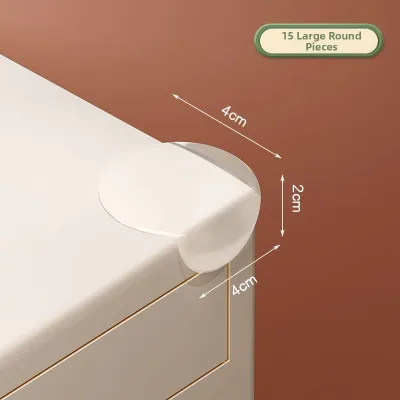
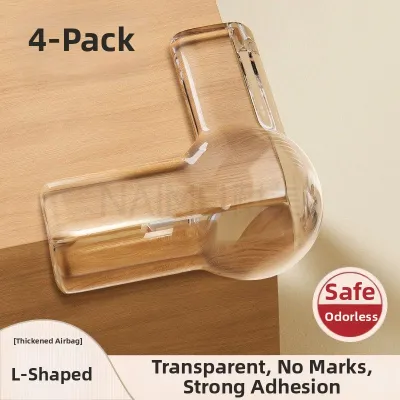
Prices are valid at publication and may change. Please refer to the product page for the latest price.
Food-Grade and Medical-Grade Silicone These premium grades are specifically formulated and processed to ensure they do not leach chemicals into food, liquids, or bodily tissues. Food-grade silicone is highly stable, temperature-resistant, and free from industrial plasticizers or toxic chemical byproducts. Medical-grade silicone undergoes even more rigorous testing for biocompatibility. When you select baby-proofing items like edge guards, outlet covers, or drawer latches, verifying that the manufacturer specifies the use of food-grade or medical-grade silicone is essential. These grades do not rely on phthalates or other hazardous softening agents to maintain their flexibility.
Industrial-Grade Silicone In contrast, industrial-grade silicone is designed for mechanical, construction, or general hardware applications where human ingestion or skin contact is not a concern. This grade often contains chemical fillers, heavy metal catalysts, and volatile organic compounds (VOCs) that can off-gas or leach out over time. While industrial silicone is cheaper to manufacture, it is entirely unsuitable for any product that your baby might touch, pull, or chew.
Key Safety Labels to Verify When shopping for safety gear, look for explicit labels on the packaging that confirm the material is free from known developmental toxins. Key designations to verify include:
- BPA-Free: Ensures the product does not contain Bisphenol A, a chemical linked to endocrine disruption.
- Phthalate-Free: Confirms the absence of chemical plasticizers often used to soften plastics, which can be harmful if ingested.
- PVC-Free: Guarantees the item does not contain polyvinyl chloride, which often requires toxic additives to remain flexible.
- Lead-Free: Essential for any colored or painted components to prevent heavy metal poisoning.
The “100% Silicone” Marketing Claim You should remain cautious when encountering products marketed simply as “100% silicone.” Without independent third-party testing or clear certification details, this claim can sometimes be misleading. Some budget-friendly manufacturers mix lower-quality chemical fillers or cheap colorants into the silicone mixture to cut production costs. These fillers can degrade the structural integrity of the guard, making it more brittle and more likely to tear when chewed.
Hidden Risks Beyond the Silicone Material
Even when the silicone itself is of high quality, baby-proofing products introduce other variables that can compromise your child’s safety. Parents must look at the entire product assembly, not just the primary material.

Adhesives and Tapes Most silicone corner guards and edge bumpers rely on double-sided adhesive tapes or liquid glues to stick to furniture. These adhesives are often made from synthetic acrylics or polyurethane compounds. Some strong, industrial-strength adhesives can off-gas volatile organic compounds (VOCs) or contain chemical solvents that emit a strong odor. Because these adhesives sit directly beneath or adjacent to the silicone guard, a teething baby who chews on the edge of a guard may come into direct contact with the adhesive residue if the guard begins to peel.
Choking and Ingestion Hazards The physical behavior of your baby is a major factor in product safety. Babies going through teething phases have surprisingly strong bites and will actively chew on soft surfaces to relieve gum discomfort. If a silicone corner guard is poorly manufactured, contains fillers, or has been weakened by continuous chewing, your baby can bite off small chunks. These loose pieces present an immediate, high-risk choking hazard. You must treat any soft, chewable safety device as a potential hazard if it is left unsupervised or if the baby’s developmental stage allows them to bite with significant force.
Chemical Additives Low-quality silicone products may use cheap dyes to achieve bright colors or add artificial scents to mask chemical odors. These unlisted additives can cause contact dermatitis or skin irritation when your baby rests their face or hands against the guards. Furthermore, unverified plasticizers used to stretch the raw material during manufacturing can leach out when exposed to warm baby saliva.
Surface Damage and Secondary Risks The physical bond required to keep safety guards in place can also create secondary hazards. Removing a strongly adhered silicone guard can strip paint or varnish from wooden furniture and walls. In older homes, this peeling paint can expose layers of historical lead-based paint, which is highly toxic if ingested by a crawling infant. Additionally, stripping the finish off wooden tables can leave behind rough, splintered surfaces that can scrape your baby’s delicate skin.
How to Verify the Safety of Silicone Products
Protecting your baby requires active verification rather than relying on attractive packaging or generic safety promises. You can use several practical strategies to evaluate baby-proofing gear before installation.
Label and Certification Checks Before purchasing, look for verifiable safety certifications rather than relying on self-declared marketing buzzwords. Check the product documentation or manufacturer website for compliance with established standards, such as FDA (U.S. Food and Drug Administration) compliance for food contact materials, or compliance with the Consumer Product Safety Improvement Act (CPSIA). In the local market, look for reputable brands that provide clear contact details and transparent manufacturing origins.
The Pinch Test A simple and reliable way to test the purity of a silicone product at home is the pinch test. Take the silicone guard or bumper and pinch a flat section between your fingers, or twist the material tightly.
- Pure Silicone: If the product is made of pure, high-quality silicone, the color will remain uniform throughout the twist.
- Silicone with Fillers: If you notice white lines or white stress marks appearing where the material is bent or stretched, this indicates the presence of cheap chemical fillers. If a product fails the pinch test, it is best to avoid using it in areas where your baby can chew on it.
The Smell Test When you open the packaging of a new silicone baby-proofing product, take note of any immediate odor. High-quality food-grade silicone is naturally odorless. If you detect a strong, pungent, chemical, or sweet plastic smell that lingers even after washing, this is a clear sign of chemical off-gassing or the presence of volatile solvents. Avoid installing these items in your home, especially in enclosed spaces or areas close to where your baby sleeps and plays.
Packaging Transparency Prioritize buying safety gear from established, reputable brands that provide complete transparency. The packaging should clearly list the exact material composition, detailed installation instructions, age recommendations, and specific manufacturer warnings. Avoid unbranded, bulk-packaged items sold on online marketplaces that lack clear safety labels or manufacturer contact information.
Safe Installation and Maintenance for Humid Environments
Proper installation and ongoing maintenance are just as important as material safety, especially when dealing with specific environmental challenges.
Surface Preparation To ensure a secure, long-lasting bond, you must prepare the furniture surface thoroughly before applying any adhesive. First, clean the area with a mild soap and water solution, or use a gentle rubbing alcohol wipe if the furniture finish allows it (always check your furniture manufacturer’s care instructions first). Allow the surface to dry completely. Any residual moisture, dust, or furniture polish oils will prevent the adhesive from bonding correctly, causing the guard to peel off easily and become a choking hazard.
Climate Considerations In tropical climates like the Philippines, high ambient temperatures and persistent humidity can significantly impact baby-proofing gear. Moisture in the air can weaken the chemical bonds of double-sided tapes over time, causing adhesives to melt, slip, or lose their stickiness. This environmental factor means that safety guards installed in non-air-conditioned rooms or near open windows require much more frequent inspections than those in dry, climate-controlled spaces.
Routine Inspections Create a weekly checklist to inspect all installed baby-proofing gear. During your walkthrough, physically check each item for:
- Peeling Edges: Ensure no corners are lifting where a baby could grip and pull them off.
- Bite Marks and Tears: Look closely for physical damage or punctures caused by teething.
- Loosening Parts: Test the stability of cabinet locks and outlet covers to ensure they remain firmly anchored.
- Adhesive Degradation: Check for sticky residue leaking out from under the guards, which can happen in high humidity.
Replacement Triggers You must immediately remove and replace any silicone guard or lock if you observe visible tearing, missing chunks, structural softening, or complete adhesive failure. Do not attempt to repair damaged silicone guards with household superglue, as these glues contain toxic chemicals and are not safe for babies to chew or touch.
What to Do If Your Baby Chews or Swallows Silicone
Despite your best efforts, accidents can happen. Knowing how to respond calmly and quickly is vital for your baby’s well-being.
Immediate Choking Response If your baby bites off a piece of a silicone guard and begins to choke, you must act instantly. If the airway is completely blocked—indicated by an inability to cry, cough, or breathe—immediately perform standard infant first aid for choking, such as alternating back blows and chest thrusts, while having someone call local emergency services immediately. If you are alone, perform the first aid steps first to clear the airway, then seek emergency medical help.
Monitoring for Reactions If you suspect your baby has swallowed a very small, non-obstructive piece of silicone and is breathing normally, monitor them closely. Watch for signs of gastrointestinal distress, such as vomiting, abdominal pain, bloating, refusal to eat, or unusual lethargy. Additionally, keep an eye out for localized allergic reactions or skin rashes around the mouth.
Professional Consultation Always contact your pediatrician, a healthcare professional, or a local poison control center if your baby ingests any portion of a silicone guard, adhesive tape, or if you are uncertain about the chemical composition of the swallowed material. Provide the medical professional with the product packaging or brand details if available to help them assess potential toxicity.
Disclaimer Please note that the safety and first aid information provided in this section is for general educational purposes only. It does not replace professional medical advice, diagnosis, or emergency medical treatment. Always consult a qualified healthcare provider for medical concerns regarding your child.
Frequently Asked Questions (FAQ)
Can babies be allergic to silicone?
True allergic reactions to pure silicone are extremely rare because the material is naturally hypoallergenic and chemically inert. When a baby develops a rash or skin irritation after coming into contact with a silicone safety product, the reaction is typically caused by cheap chemical additives, synthetic dyes, or the adhesive backing used to secure the guard. If you notice any redness, swelling, or localized rash, discontinue use of the product immediately and consult your pediatrician.
Are silicone corner guards better than foam or plastic?
Silicone corner guards offer an excellent balance of durability, hygiene, and impact absorption. Unlike soft foam guards, which babies can easily bite chunks out of (creating high choking risks), silicone is tough and highly resistant to tearing. Hard plastic guards, while durable, are rigid and can still cause minor bruising upon impact; additionally, low-quality plastics may contain hidden toxins like BPA or phthalates. Silicone remains flexible enough to cushion impacts while being easy to wipe clean and sanitize.
How do I remove silicone baby-proofing adhesive safely?
To remove adhesive residue without damaging your furniture or exposing your baby to harsh chemicals, start with gentle, non-toxic methods. Use a hairdryer on a low heat setting to warm and soften the adhesive tape, making it easier to peel off slowly. For any remaining sticky residue, apply a small amount of natural oil, such as baby oil or coconut oil, and let it sit for a few minutes to break down the adhesive before wiping it away with a soft cloth. Avoid using harsh industrial solvents like acetone, paint thinner, or heavy chemical adhesive removers in areas that your baby can access.
Community discussion
Share your experience or ask a question. Comments are reviewed before publication.