
Quick Answer: Is Silicone Safe for Baby-Proofing?
As your baby transitions from crawling to those first wobbly steps, safeguarding your living space becomes an urgent priority. Among the various materials used for edge guards, corner bumpers, and door stoppers, silicone has rapidly gained popularity due to its soft texture and flexibility. High-quality, food-grade silicone is generally considered safe and non-toxic for baby-proofing applications, offering a resilient barrier against sharp corners and heavy doors.
However, determining whether a product is truly safe requires looking beyond the raw material itself. While pure silicone is chemically inert and does not easily leach harmful toxins, physical risks and secondary components can introduce hazards. For instance, soft silicone can become a choking hazard if a teething baby manages to tear off a piece, and the industrial adhesives used to mount these protectors are definitely not safe for consumption.
Ultimately, the safety of silicone baby-proofing gear depends heavily on choosing the correct material grade, verifying the manufacturer’s quality standards, and maintaining the items properly as your baby grows. Active toddlers can be surprisingly destructive, meaning that what was safe for a six-month-old may pose new physical risks to an older child with a full set of teeth.
Products mentioned in this guide
Prices are valid at publication and may change. Please refer to the product page for the latest price.
Understanding Silicone Grades: Food-Grade vs. Industrial
Not all silicone products are created equal, and understanding the difference between material grades is essential when choosing items your baby is likely to touch or chew. Food-grade silicone is a high-quality, non-toxic polymer made primarily from silica (sand). It is specifically formulated to be free from chemical fillers, heavy metals, and volatile organic compounds, ensuring it remains highly stable even when exposed to extreme temperatures or continuous contact with warm saliva.

In contrast, industrial-grade or standard silicone is manufactured for general household, automotive, or construction purposes. This lower-grade material often contains plasticizers, chemical fillers, or unverified additives to reduce production costs and alter flexibility. When subjected to constant chewing or friction, industrial silicone can degrade, potentially releasing chemical odors or leaching unverified substances that are unsafe for a developing child.
To identify safe products, you must look closely at the packaging and product labels rather than relying on broad marketing claims. Legitimate baby-proofing gear should explicitly state that it is made from “100% food-grade silicone” and is free from bisphenol A (BPA), polyvinyl chloride (PVC), and phthalates. Because these terms are sometimes used loosely in online product listings, you should look for recognized, verifiable safety certifications on the product label, such as compliance with international food contact standards.
If you are unsure about the quality of a silicone protector you have already purchased, you can perform a simple, practical at-home check known as the “pinch test.” To do this, firmly pinch and twist a flat portion of the silicone material. If white fillers or streaks appear at the stress point where the material is stretched, the product likely contains chemical fillers and is not pure silicone. Pure, high-quality silicone will retain its consistent color throughout the stretch without showing any white lines or structural discoloration.
Common Silicone Baby-Proofing Products and Safety Considerations
Silicone has become the material of choice for a wide variety of childproofing accessories, replacing hard plastics and foam bumpers that are easily shredded. However, different products present unique safety dynamics depending on how they are installed and used throughout your home.
Corner Guards and Edge Bumpers
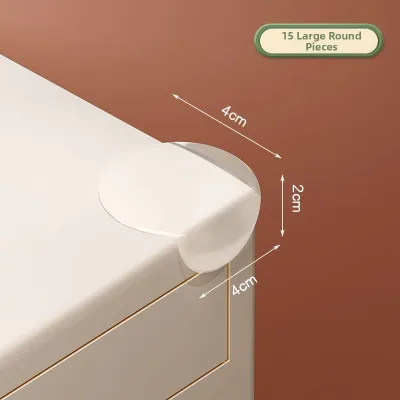
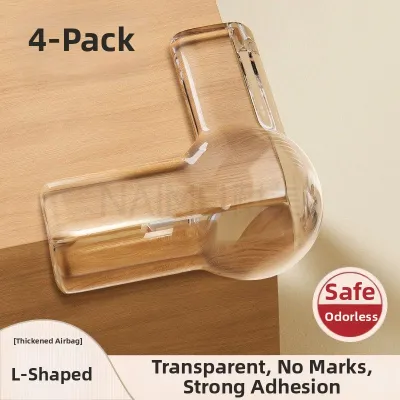
Silicone corner guards and edge bumpers are commonly applied to sharp wooden coffee tables, glass dining tables, and low-lying shelves. The inherent softness of silicone makes it excellent for absorbing impacts, protecting a falling toddler from painful bruises or cuts. From a material standpoint, pure silicone is highly resistant to teething, meaning a baby chewing on the outer surface of a properly installed guard is unlikely to ingest any harmful polymers.
The primary safety concern with these protectors lies not in the silicone itself, but in the adhesive backing used to secure them. Most corner guards rely on double-sided acrylic tapes or heavy-duty glues to stay in place, and these adhesives are not formulated for human consumption. If a baby manages to peel the guard off the furniture, they may attempt to chew on the sticky underside, exposing them to industrial chemicals and creating a direct choking risk if the tape detaches.
To minimize this risk, proper installation is critical to ensure a permanent bond. Before applying any adhesive, check your furniture manufacturer’s care instructions to ensure the cleaning agent is safe for the finish, then thoroughly clean the surface with rubbing alcohol to remove all dust, oils, and polish. Allow the surface to dry completely, apply the guard, and press down firmly for at least thirty seconds to secure the bond. In hot and humid environments, such as typical homes in the Philippines, high humidity can weaken adhesives over time, making regular checks even more important to ensure the guards remain firmly attached.
Door Stoppers and Finger Pinch Guards
Door stoppers and finger pinch guards made of silicone are designed to prevent heavy doors from slamming shut on small hands. Because these items must withstand significant physical force, they are often thicker and denser than corner guards. Their flexibility allows them to cushion the impact of a closing door without cracking or splintering like cheap plastic alternatives.
Despite their durability, these door accessories are frequently positioned within a toddler’s reach, making them prime targets for curious hands and mouths. If a baby uses a soft, low-density silicone door wedge as a teething toy, they can subject it to intense biting and twisting. Over time, this mechanical stress can cause the silicone to tear, creating small, easily swallowed fragments that present an immediate choking hazard.
When shopping for door safety accessories, always prioritize high-density, tear-resistant silicone designs with solid, single-piece construction. Avoid hollow or intricately shaped variants that feature thin, protruding parts, as these are much easier for a child to grip with their teeth and rip apart. Placing finger pinch guards high up on the hinge side of the door, well out of your child’s reach, is an excellent way to eliminate oral exposure entirely while maintaining physical safety.
Real Risks: What Happens When Babies Chew on Silicone?
When evaluating baby-proofing materials, parents must weigh both chemical and physical safety factors to make an informed decision for their household.
Chemical Exposure Pure, high-quality silicone is exceptionally stable and chemically inert, meaning it does not react with human tissue or degrade when exposed to bodily fluids like saliva. Unlike certain plastics that may release harmful plasticizers when chewed, food-grade silicone does not leach toxic chemicals into your baby’s mouth. However, if you accidentally purchase low-quality or industrial-grade silicone, the risk of chemical exposure increases, as these materials can degrade under the warm, acidic conditions of a baby’s mouth, potentially releasing volatile compounds or chemical fillers.
Physical Choking Hazards The most immediate and severe danger associated with silicone baby-proofing gear is physical rather than chemical. While silicone is highly flexible and durable, it is not completely indestructible. A toddler with sharp primary teeth can apply surprising pressure to soft materials. If a child manages to puncture the surface of a corner guard or door stopper, continued chewing can easily tear off a small chunk, which can quickly lodge in their airway and cause choking.
Hygiene and Bacterial Growth Silicone has a natural electrostatic charge that tends to attract airborne dust, lint, pet hair, and household debris. When applied to furniture near the floor, these protectors can quickly accumulate grime. Furthermore, in warm, humid climates like the Philippines, any moisture trapped in the micro-tears of chewed silicone can become a breeding ground for bacteria, saliva residue, and mold. If your baby continues to chew on an unhygienic, unwashed silicone guard, they may ingest harmful microbes that can lead to stomach upset or localized skin irritation.
How to Choose and Verify Safe Silicone Baby-Proofing Gear
Navigating the crowded market of child safety products requires a discerning eye to separate high-quality protective gear from substandard imitations.
The Smell Test One of the simplest initial checks you can perform on new silicone products is the smell test. When you first open the packaging, the silicone should be virtually odorless. If the item emits a strong, pungent, or sweet chemical smell, this is a clear warning sign of volatile organic compounds (VOCs), unreacted chemical catalysts, or substandard manufacturing processes. You should avoid using any baby-proofing items that exhibit a strong chemical odor, as this indicates the material is not fully cured or contains low-grade fillers.
Label Verification Before purchasing any safety device, carefully inspect the product packaging for clear, transparent labeling. Legitimate manufacturers will explicitly list the material composition, recommended age ranges, and comprehensive contact information for customer support. Look for clear statements confirming the absence of harmful substances like BPA, lead, phthalates, and PVC, and verify that the product is designated specifically for baby safety rather than general household utility.
Retailer Selection It is highly recommended to avoid buying unbranded, extremely cheap bulk items from unverified online marketplaces or social media shops. These platforms are often flooded with low-cost imports that bypass rigorous quality control standards and lack material transparency. Instead, purchase your baby-proofing gear from established baby brands or reputable home safety retailers who can provide verifiable product documentation, clear safety testing compliance, and reliable customer service if you encounter any issues.
Maintenance, Cleaning, and When to Replace
To keep your silicone baby-proofing items safe, hygienic, and fully functional, you must establish a regular routine for cleaning and inspection.
Routine Cleaning To maintain a hygienic environment, wipe down all accessible silicone guards and stoppers regularly using a soft cloth, mild dish soap, and warm water. Avoid using harsh chemical cleaners, bleach, or abrasive scrubbing pads, as these aggressive methods can degrade the silicone polymer structure over time or leave toxic chemical residues on surfaces your baby might chew. If a guard becomes heavily soiled, gently clean it in place, ensuring you do not saturate the adhesive backing with water, which could cause it to peel away.
Inspection Routine Make it a habit to inspect all installed silicone safety gear at least once a week. Examine each piece closely under good lighting, looking for early signs of wear such as tiny punctures, micro-tears, deep tooth marks, structural discoloration, or sticky surfaces. Gently tug on the edges of corner guards to verify that the adhesive remains strong and that the product is not beginning to peel away from the furniture surface.
Clear Replacement Triggers You must be prepared to discard and replace silicone baby-proofing items immediately if you observe any of the following warning signs:
- The baby has managed to bite or tear a chunk out of the material, or there are visible punctures that compromise its structural integrity.
- The adhesive backing is failing, causing the guard to sit loose or peel away easily, which allows the baby to access the sticky underside.
- The silicone material begins to feel sticky, tacky, permanently misshapen, or exhibits a persistent, unusual odor, indicating polymer degradation.
Frequently Asked Questions (FAQ)
Can babies be allergic to silicone?
True silicone allergies are extremely rare because high-quality silicone is an inert, biocompatible, and hypoallergenic material. It is widely used in medical devices and food contact items precisely because it does not typically trigger immune responses. If your baby develops skin irritation, redness, or a rash near an installed silicone corner guard, the cause is rarely the silicone itself. Instead, the irritation is usually triggered by trapped moisture, sweat, friction, accumulated household dust, or a localized reaction to the adhesive backing or the chemical cleaning products used on the furniture. If the irritation persists, stop using the product immediately and consult a qualified pediatrician or medical professional.
Is the adhesive on silicone corner guards toxic if chewed?
Yes, the adhesives used to mount silicone corner guards can be harmful if ingested. Most double-sided tapes and mounting glues are industrial-grade acrylics designed for strong adhesion, and they are not formulated or tested for human consumption. If a baby manages to peel a guard off and chews on the exposed adhesive, it can cause gastrointestinal irritation, chemical exposure, or present a severe choking hazard if the sticky film detaches and blocks their airway. To prevent this, always ensure the guards are installed on clean, dry surfaces to maximize adhesion, and monitor your baby closely to ensure they do not attempt to peel the protectors away.
Community discussion
Share your experience or ask a question. Comments are reviewed before publication.