
When choosing skincare for your little one, finding a product that is both gentle and effective is a top priority. Rice baby lotion has grown in popularity among parents seeking plant-based, natural alternatives to traditional mineral-oil-based moisturizers. However, if you are caring for a newborn or a baby with eczema-prone skin, you must approach any new product with a high degree of caution.
While rice-derived ingredients can offer excellent hydrating benefits, infant skin is incredibly delicate and behaves very differently from adult skin. The short answer is that while many rice baby lotions are safe for older infants with normal skin, they may not be suitable for newborns under two months old or babies experiencing active eczema flare-ups without professional guidance. To keep your baby’s skin healthy and comfortable, you need to understand how these formulations work, what risks they carry, and how to read product labels with a critical eye.
Understanding Rice Extracts in Baby Skincare
To make an informed decision, it helps to understand what actually goes into a bottle of rice baby lotion. Manufacturers typically use a variety of rice-derived ingredients, each serving a slightly different purpose in the formulation. The most common of these include rice water (Oryza sativa extract), rice bran oil, and hydrolyzed rice protein. Rice bran oil is rich in natural lipids, fatty acids, and vitamin E, which help to soften the skin and prevent moisture loss. Rice water and extracts are often included for their soothing, anti-inflammatory properties, which can help calm minor skin irritations.
Products mentioned in this guide
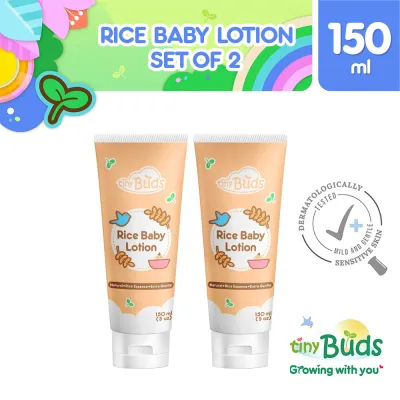
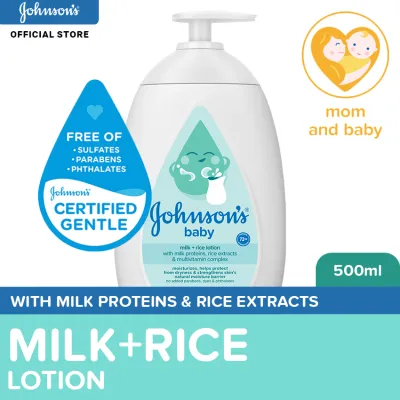
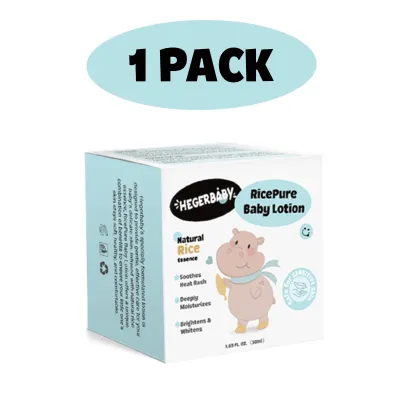
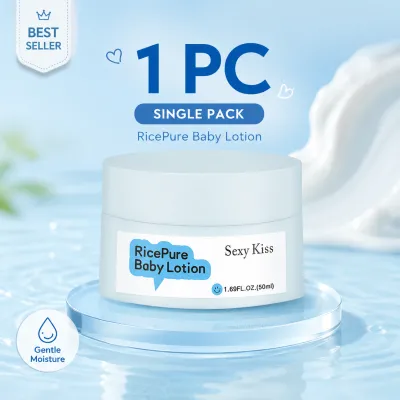
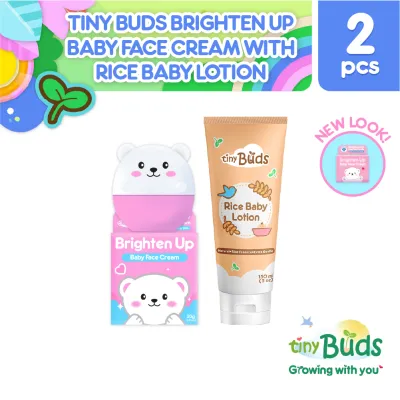
Prices are valid at publication and may change. Please refer to the product page for the latest price.
The marketing of these products often centers heavily on terms like “natural,” “organic,” or “plant-based.” In a tropical and humid climate like the Philippines, where heat rashes and sweat irritation are common daily challenges, the appeal of a clean, nature-inspired lotion is highly understandable. Many parents feel more comfortable applying botanical ingredients to their baby’s skin rather than synthetic alternatives.
However, a natural origin does not automatically guarantee that a product is safe, hypoallergenic, or appropriate for an infant’s skin. The reality is that plant extracts are complex mixtures containing dozens of natural chemical compounds, any of which can potentially trigger an allergic reaction or contact dermatitis. Because a baby’s skin barrier is still developing, it is far more sensitive to these botanical compounds than adult skin. Marketing terms are often designed to appeal to parental preferences rather than to reflect clinical safety profiles, making it essential to look beyond the front label.
Safety Guidelines for Newborns (0-2 Months)
The skin of a newborn baby is a marvel of biological development, but it is also exceptionally fragile during the first two months of life. At birth, a baby’s skin is up to 30% thinner than adult skin, making it highly permeable and prone to rapid moisture loss. Because the outer layer of the skin, known as the stratum corneum, is still maturing, it absorbs topical substances much more quickly and deeply than older skin. This high permeability means that any chemical, fragrance, or potential allergen applied to a newborn’s skin is more likely to penetrate into the deeper layers and enter the bloodstream.

Due to this vulnerability, general pediatric guidance strongly recommends delaying the use of commercial lotions, creams, and oils during the first few weeks of life. Unless your pediatrician or a qualified healthcare provider specifically directs you to use a moisturizer to treat a medical condition, a newborn’s skin is best left to mature naturally. In most cases, bathing your newborn in lukewarm water with a very mild, soap-free cleanser once or twice a week is entirely sufficient to keep their skin clean without stripping away its natural protective oils.
When caring for a newborn, there are also strict safety boundaries to keep in mind regarding product application. You must keep all skincare products, including rice baby lotion, completely away from the umbilical cord stump area. The stump must remain dry and clean to prevent bacterial infections and allow it to fall off naturally. Applying lotions or oils near the navel can trap moisture, delay the healing process, and increase the risk of infection.
Before introducing any new skincare product to a newborn’s daily routine, you should always consult your pediatrician. Additionally, always check the manufacturer’s packaging and product documentation to verify the minimum age recommendation and any specific warnings. Never assume a product is safe for a newborn simply because it has the word “baby” on the bottle or features gentle branding.
Rice Lotion for Eczema-Prone Babies: Benefits and Risks
Eczema, or atopic dermatitis, is a common inflammatory skin condition that significantly alters how a baby’s skin responds to topical products. In a baby with eczema, the skin barrier is structurally compromised. It lacks the necessary lipids to hold skin cells tightly together, resulting in microscopic cracks that allow essential moisture to escape rapidly. This compromised barrier also makes the skin highly vulnerable to environmental irritants, allergens, and bacteria, which can easily penetrate the skin and trigger an inflammatory response, leading to red, itchy, and painful flare-ups.
Rice extracts are frequently formulated into baby lotions because they can provide soothing emollient benefits. The natural lipids in rice bran oil can help fill the gaps in a compromised skin barrier, locking in hydration and temporarily relieving dryness. For some babies with mild, dry skin, a high-quality, fragrance-free rice lotion can assist in daily skin maintenance.
However, rice itself is a potential contact allergen. For a baby with an already inflamed and compromised skin barrier, applying a lotion containing rice proteins or extracts can sometimes trigger an allergic reaction or worsen existing eczema symptoms. It is vital to understand that commercial rice baby lotion is designed as a supportive moisturizer to manage everyday dryness; it is not a medical treatment, cure, or replacement for prescribed eczema therapies. If your baby has moderate to severe eczema, they may require prescription barrier creams or anti-inflammatory ointments recommended by a professional.
Managing eczema in a tropical climate like the Philippines presents unique challenges. The combination of high humidity and intense heat means babies sweat frequently, and sweat is a primary trigger for eczema flare-ups and prickly heat (known locally as bungang-araw). Applying thick, heavy lotions can trap sweat and heat against the skin, clogging pores and worsening irritation.
If you notice your baby’s skin becoming increasingly red, scaly, or bumpy, or if your baby shows signs of intense itching and discomfort, you must stop using the lotion immediately. For a safe and effective eczema management plan tailored to your child’s specific needs, always consult a pediatric dermatologist.
Hidden Irritants: Ingredients to Check on the Label
When shopping for a rice baby lotion, you cannot rely solely on front-of-package marketing claims like “for sensitive skin” or “natural ingredients.” To ensure a product is truly safe for your baby, you must turn the bottle over and carefully read the ingredient list. The base formulation, preservatives, and stabilizing agents in a lotion are just as important as the active rice extracts, and they are often where hidden irritants reside.
To protect your baby’s delicate skin barrier, keep a practical checklist of common irritants to avoid when reviewing product labels:
- Synthetic Fragrances and Parfum: Fragrance is one of the leading causes of contact dermatitis and skin sensitization in infants. Even products labeled "clean scent" or "mild fragrance" can contain complex chemical mixtures that irritate sensitive skin.
- Essential Oils: Plant-based oils such as lavender, tea tree, eucalyptus, or citrus oils are often added to natural lotions for their pleasant scent or purported therapeutic benefits. However, essential oils are highly concentrated and can be incredibly sensitizing to a baby's skin, potentially triggering allergic reactions.
- Harsh Preservatives: Skincare products containing water require preservatives to prevent the growth of harmful bacteria and mold. However, certain preservatives, such as parabens, methylisothiazolinone (MIT), methylchloroisothiazolinone (CMIT), and formaldehyde-releasers, are known skin irritants and should be avoided in infant skincare.
- Drying Alcohols: Ingredients like ethanol, isopropyl alcohol, or denatured alcohol can strip away the skin's natural moisture barrier, leading to severe dryness and increased sensitivity. Note that fatty alcohols, such as cetyl or cetearyl alcohol, are generally safe and act as emollients rather than drying agents.
While looking for labels that state “fragrance-free,” “hypoallergenic,” and “pediatrician-tested” is a helpful starting point, these claims are not strictly regulated. A product labeled “hypoallergenic” can still contain ingredients that your specific baby is sensitive to. Always verify these claims by reading the full ingredient list yourself, and look for products with short, simple ingredient lists to minimize the risk of a reaction.
How to Safely Test and Apply the Lotion
Before integrating any new rice baby lotion into your baby’s daily skincare routine, you should perform a simple patch test. This step is crucial for identifying any potential sensitivity or allergic reaction before applying the product to a larger area of the body.
To perform a patch test safely, follow these steps:
- Clean a small patch of skin on your baby's inner arm or the side of their leg with lukewarm water and pat it dry.
- Apply a pea-sized amount of the rice baby lotion to this area and gently pat it in.
- Keep the area dry and do not wash it for 24 to 48 hours.
- Monitor the spot closely for any signs of reaction, such as redness, swelling, tiny bumps, hives, or signs of itching.
If no reaction occurs after 48 hours, the lotion is generally considered safe for wider application. When applying the lotion, timing and technique are key to maximizing hydration while minimizing skin irritation. The best time to apply moisturizer is immediately after a lukewarm bath, while the skin is still slightly damp. Gently pat your baby’s skin with a soft towel, leaving a tiny amount of moisture on the surface, and then smooth the lotion on gently. Avoid rubbing the skin vigorously, as mechanical friction can irritate delicate skin barriers and trigger eczema flare-ups.
As a caregiver, you must remain vigilant and know when to stop using a product. Discontinue use immediately and consult a healthcare professional if you observe any of the following red flags:
- Sudden redness, warmth, or swelling at the application site.
- The appearance of hives, a widespread rash, or tiny fluid-filled blisters.
- Weeping, oozing, or yellow crusting on the skin, which can indicate a secondary bacterial infection.
- Signs of physical discomfort, such as your baby scratching excessively, rubbing their skin against bedding, or crying during application.
Frequently Asked Questions (FAQ)
Can I use rice baby lotion on my baby's face?
You should exercise extreme caution when applying body lotions to your baby’s face. Facial skin is significantly thinner, more sensitive, and has a higher density of oil glands than the skin on the rest of the body. Applying a standard body lotion to the face can lead to clogged pores, irritation, or conditions like milia (tiny, harmless white bumps). If your baby has dry skin on their face, look for a mild moisturizer specifically formulated and labeled for facial use, or consult your pediatrician for a safe recommendation.
Does rice baby lotion help clear baby acne?
No, rice baby lotion will not help clear baby acne, and applying it may actually make the condition worse. Baby acne is a common, temporary skin condition that typically occurs during the first few weeks of life and is driven by maternal hormones rather than dirt or dry skin. This condition usually resolves on its own without any treatment. Applying heavy lotions or oils to active baby acne can clog the pores and trap oils, leading to increased inflammation. To manage baby acne, simply wash your baby’s face gently with lukewarm water once a day, pat it dry, and avoid applying any moisturizers or creams to the affected areas unless specifically instructed by a doctor.

Community discussion
Share your experience or ask a question. Comments are reviewed before publication.