
Keeping a baby dry, comfortable, and free from irritation is a daily priority for parents, especially in the warm and humid climate of the Philippines. In tropical environments, excess moisture from sweat and diapers can quickly lead to discomfort, heat rash, or chafing. To combat this, many families rely on baby powder as a traditional household staple. However, when considering a specific brand like Polbos baby powder, parents often ask whether it is entirely safe for their little ones.
The safety of Polbos powder—or any baby powder—depends heavily on its specific formulation, the baby’s age, their skin’s current condition, and how the product is applied. While powder can help absorb surface moisture, loose particles pose inherent respiratory risks if inhaled. To make an informed decision for your family, you must understand how to evaluate the ingredients on the packaging, practice strict application safety, and recognize when alternative skincare solutions are more appropriate.
How to Check Polbos Powder Ingredients for Baby Safety
Before applying any product to your baby’s delicate skin, the first and most crucial step is to carefully inspect the ingredient list on the back of the packaging. Skincare formulations can vary significantly, and manufacturers sometimes update their recipes or offer different product lines under the same brand name. By reading the label, you can identify the primary base ingredient and determine if it aligns with current pediatric safety recommendations.
Products mentioned in this guide
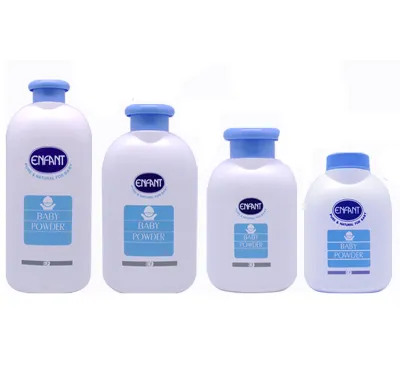
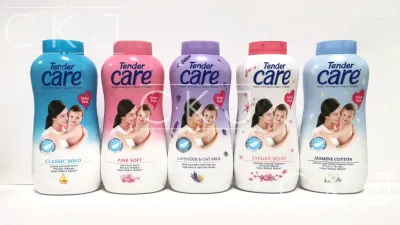
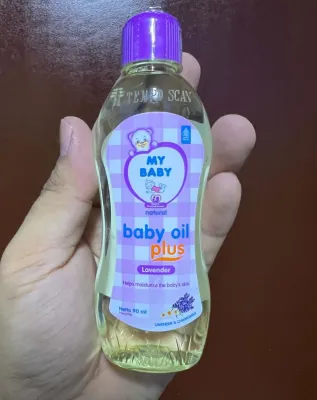
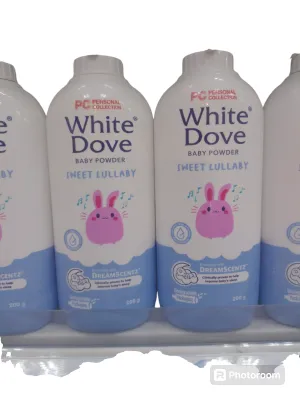
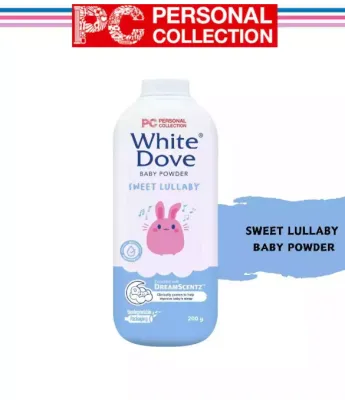

Prices are valid at publication and may change. Please refer to the product page for the latest price.
Baby powders are typically formulated with one of two primary base ingredients: talc or cornstarch. Talc is a naturally occurring mineral known for its excellent moisture-absorbing properties and ability to reduce friction. However, because talc particles are extremely fine, they can easily become airborne and pose a risk of respiratory irritation if inhaled by an infant. On the other hand, cornstarch-based powders utilize a food-derived starch with slightly larger particles. While cornstarch is often favored as a talc-free alternative, it is important to note that any loose powder can still cause respiratory discomfort if suspended in the air.
Beyond the base ingredient, you should check the label for added fragrances, preservatives, or botanical extracts. In the tropical heat, a baby’s skin barrier can become compromised by sweat and friction, making it highly reactive to potential allergens. Added fragrances (often listed as “parfum” or “fragrance”) are a common trigger for allergic contact dermatitis and skin irritation. If your baby has sensitive skin or a history of eczema, look for formulations labeled as fragrance-free or hypoallergenic, and verify if the product has undergone dermatologist testing.
Finally, always check the packaging for specific manufacturer warnings, age recommendations, and usage instructions. Some formulations may explicitly state they are not intended for newborns or should not be used on broken skin. Because product details can change, verifying these labels directly on the physical bottle you purchase is the most reliable way to ensure you are using the product according to the manufacturer’s safety guidelines.
General Safety Precautions When Using Baby Powder
If you choose to use baby powder to keep your little one dry, implementing proper application techniques is essential to minimize the risks of inhalation and skin irritation. The primary hazard associated with baby powder is the accidental inhalation of fine airborne particles, which can irritate a baby’s sensitive airways and lead to respiratory distress. By adjusting how you handle and apply the product, you can significantly reduce these risks.

To prevent creating a cloud of airborne dust, never shake or pour baby powder directly onto your baby’s body. Instead, adopt the “pour into hands first” method. Step slightly away from your baby, shake a small, controlled amount of powder directly into your own palm, and gently press your hands together to settle the dust. Once the powder is secure in your hands, gently pat it onto your baby’s skin. This controlled method keeps the particles close to the skin and prevents them from floating into the air where your baby could breathe them in.
When applying the powder, focus on areas prone to sweat and friction, but keep it strictly away from the baby’s face, neck, and upper chest. Applying powder too close to the nose and mouth increases the likelihood of inhalation. Additionally, ensure the room is well-ventilated and that there are no active fans blowing directly over the changing table, as drafts can easily scatter the fine particles across the room.
In a humid tropical climate, managing skin folds is another critical aspect of powder safety. Sweat easily accumulates in a baby’s neck folds, armpits, thighs, and groin. While powder can temporarily absorb this sweat, it can also build up over time. If left unaddressed, the powder can mix with moisture to form a thick, gritty paste. This buildup can cause friction as the baby moves, trapping moisture and bacteria against the skin and ultimately leading to painful chafing. Always check your baby’s skin folds during diaper changes and baths, and gently wipe away any accumulated powder residue with a damp cloth.
Managing Sensitive Skin and Diaper Rash
While baby powder is traditionally used to keep the diaper area dry, it is not always the best choice for managing active diaper rash or highly sensitive skin. Understanding the physical limitations of powders in highly moist environments can help you make better decisions for your baby’s skin health.
When a baby wears a diaper, the environment inside is naturally warm, humid, and prone to frequent moisture from urine and stool. If you apply baby powder to an already wet diaper area, the powder quickly clumps together. Instead of providing a smooth, protective barrier, these clumps can rub against the baby’s skin, causing mechanical irritation and worsening existing redness. Furthermore, if the powder is cornstarch-based, the starch can serve as a food source for yeast (Candida), potentially turning a mild diaper rash into a more severe fungal infection.
To protect your baby’s skin, monitor the area closely for any observable signs of skin stress. If you notice new redness, dry patches, flaking, or a worsening rash after you begin using a powder, discontinue use immediately. These symptoms suggest that the product may be drying out the skin too much or causing an allergic reaction.
For babies with sensitive skin or active diaper rash, pediatricians generally recommend alternative barrier methods instead of loose powders. Fragrance-free diaper creams or ointments containing zinc oxide or petroleum jelly are highly effective. These products create a thick, physical barrier that shields the skin from the irritating effects of urine and stool while locking in natural moisture to promote healing. Unlike powders, creams and ointments do not carry an inhalation risk and will not clump or cause friction in the diaper area.
When to Stop Use and Consult a Pediatrician
As a caregiver, knowing when to stop using a product and when to seek professional medical advice is vital for your baby’s safety. While mild skin dryness can often be managed by adjusting your routine, certain symptoms require immediate attention from a healthcare professional.
Discontinue the use of Polbos powder immediately if you observe any adverse skin reactions. These include a persistent or worsening diaper rash, hives, localized swelling, extreme dryness, or skin peeling. If the rash develops bright red dots, blisters, or pus-filled bumps, it may indicate a secondary bacterial or fungal infection that requires prescription treatment rather than over-the-counter powders.
Respiratory symptoms require even more urgent action. If your baby coughs, wheezes, gasps, or exhibits rapid or labored breathing during or shortly after the application of baby powder, stop using the product immediately. Move your baby to fresh air and monitor them closely. Because an infant’s lungs are highly sensitive, even minor inhalation of fine powder can lead to respiratory complications that must be evaluated by a pediatrician or emergency medical professional.
Finally, establish a strict rule never to apply baby powder to broken skin, open wounds, or severe, weeping diaper rashes. Applying powder to compromised skin can cause intense stinging, introduce contaminants, and interfere with the natural healing process. If your baby has a severe skin condition, always consult your pediatrician to obtain a safe, targeted treatment plan before introducing any new skincare products.
Frequently Asked Questions (FAQ)
Can I use Polbos powder on my newborn?
Newborn skin is exceptionally thin, highly permeable, and still developing its natural protective barrier, making it far more sensitive than the skin of older infants. Because of this vulnerability, and the heightened risk of respiratory irritation in very young babies, pediatricians generally advise against using any baby powder on newborns. Always check the manufacturer’s packaging for specific age guidelines, and consult your pediatrician before introducing any new powder or topical product to your newborn’s daily skincare routine.
Is cornstarch-based powder safer than talc for babies?
Cornstarch-based powders are often considered a safer alternative to talc because cornstarch particles are larger and less likely to remain suspended in the air, reducing the risk of deep lung inhalation. However, cornstarch particles can still irritate a baby’s sensitive airways if inhaled. Additionally, in wet environments like a diaper, cornstarch can promote the growth of yeast, which can worsen certain types of diaper rash. Regardless of the base ingredient, all loose powders must be handled with extreme caution to prevent inhalation.
What should I do if my baby inhales baby powder?
If your baby accidentally inhales baby powder, immediately move them to a well-ventilated area with fresh, clean air. Gently wipe away any visible powder from their face, nose, and mouth using a clean, damp cloth. Keep a close watch on their breathing. If your baby experiences persistent coughing, wheezing, shortness of breath, rapid chest movement, or if their lips or skin appear bluish, seek emergency medical attention immediately, as these are signs of severe respiratory distress.
Community discussion
Share your experience or ask a question. Comments are reviewed before publication.