
Traditional mosquito coils, locally known as pausok sa lamok, are a common household tool, especially during the humid rainy season when mosquito populations rise. However, these smoke-emitting products are generally not recommended for use around babies. An infant’s respiratory system is still developing, making them highly sensitive to the airborne particulates and chemical byproducts released during the combustion of these coils. While protecting your child from mosquito bites is a critical health priority, relying on smoke-based repellents indoors can introduce unnecessary respiratory risks.
In tropical environments like the Philippines, safeguarding infants from mosquito-borne diseases such as dengue is a constant concern. The challenge lies in finding a balance between effective pest control and maintaining clean, safe indoor air quality. Understanding how mosquito coil smoke affects young lungs is the first step in making informed decisions. This guide explores the specific health risks associated with traditional coils, essential safety measures if you must use them, and highly effective, smoke-free alternatives to keep your baby safe.
Understanding the Health Risks of Mosquito Coil Smoke for Infants
Infants are uniquely vulnerable to indoor air pollution because of their physiology. Their airways are significantly narrower than those of adults, meaning even minor inflammation can cause noticeable breathing difficulties. Furthermore, babies breathe at a faster rate, which causes them to inhale a larger volume of air—and any pollutants suspended in it—relative to their body weight. The fine particulate matter generated by burning mosquito coils can penetrate deep into their developing lungs, potentially triggering respiratory irritation.
Products mentioned in this guide
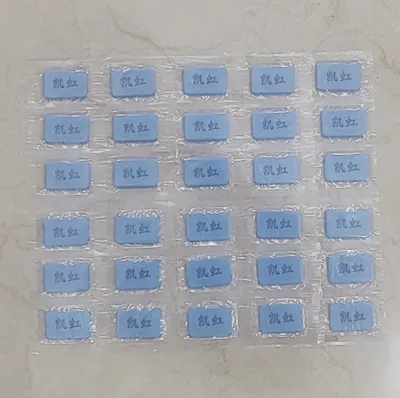
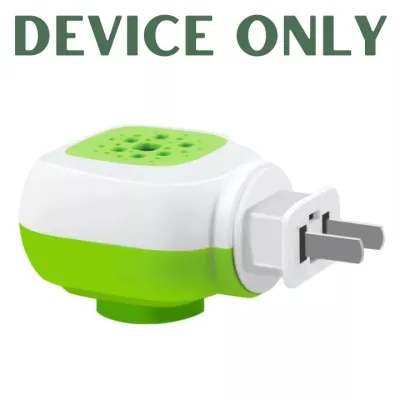
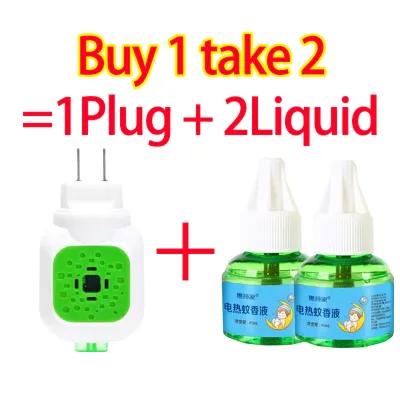
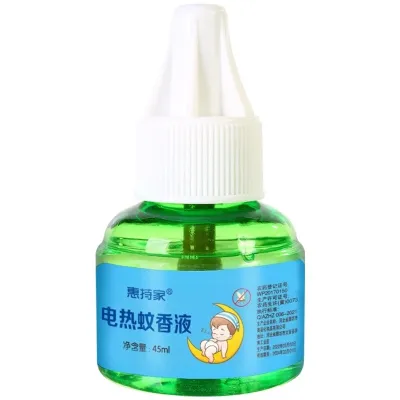
![[🇵🇭 Stock&COD] 45ml Mosquito Repellent Liquid Electric 40 Nights Unscented Baby Safe Prallethrin Formula](https://img.lazcdn.com/g/p/07482db72217dbfa63fa904929f38873.jpg_400x400q80.jpg_.webp)
Prices are valid at publication and may change. Please refer to the product page for the latest price.
When purchasing pest control products, caregivers must carefully read and interpret the manufacturer’s warning labels on the packaging. Look for specific precautionary statements regarding children, pregnant women, and individuals with respiratory conditions. Many traditional coils carry explicit instructions advising against use in unventilated or confined spaces. If a label indicates that the product is harmful if inhaled or warns to keep it out of reach of children, these instructions must be taken literally to protect your baby’s health.
Enclosed or poorly ventilated rooms significantly amplify the dangers of mosquito coil smoke. In a sealed room, the concentration of particulate matter and chemical emissions rises rapidly, creating a dense buildup of indoor air pollution. Because infants spend a large portion of their day sleeping, placing a burning coil in an enclosed nursery exposes them to prolonged, concentrated smoke. This stagnant air environment increases the likelihood of immediate airway irritation and can contribute to long-term respiratory discomfort.
Key Safety Precautions If You Must Use Mosquito Coils
If you find yourself in a situation where traditional mosquito coils are the only immediate option to prevent mosquito bites, strict safety protocols must be followed. First, never place a burning coil inside the room where your baby is sleeping or playing. The coil must be positioned far away from the infant’s immediate environment. Additionally, ensure the coil is placed on a stable, non-flammable surface well out of reach of toddlers and crawling babies to prevent accidental burns or the ingestion of hot ash.

Proper ventilation is non-negotiable when burning any smoke-producing repellent indoors. Never use a mosquito coil in a room with closed windows and doors. Instead, keep windows open on opposite sides of the living space to create a continuous cross-breeze. This active air circulation helps dilute the smoke and pushes the airborne particulates out of the home, preventing them from settling in high concentrations where your family gathers.
Implementing a strict time-management strategy can also help minimize your baby’s exposure to smoke. Rather than burning a coil while your baby is in the room, light it well before their bedtime or naptime. Allow the coil to burn in the unoccupied space to repel insects, then extinguish it completely. Once the coil is out, open the windows wide and use a fan to ensure all visible smoke and lingering odors have fully cleared from the room before allowing your baby to enter.
Recognizing Warning Signs and When to Stop Use
Caregivers must remain highly vigilant and observe their infants for any physical reactions when mosquito coils are used in the household. Common signs of respiratory irritation include persistent coughing, wheezing, or a whistling sound when the baby breathes. You should also watch for changes in their breathing patterns, such as rapid breathing, nasal flaring, or the skin pulling in tightly around their ribs, which are clear indicators of respiratory distress.
In addition to respiratory issues, the chemical residues and settling ash from mosquito coils can cause localized irritation. Monitor your baby’s eyes for redness, excessive tearing, or frequent rubbing, which suggest the smoke is irritating their sensitive ocular membranes. Similarly, check their skin for sudden rashes, hives, or dry, itchy patches that may develop after exposure to the airborne particles or direct contact with surfaces where ash has settled.
If you observe any of these warning signs, you must establish a strict stop-use condition. Immediately extinguish the mosquito coil, move your baby to an area with clean, fresh air, and do not use smoke-based repellents in the home again. If the symptoms do not resolve quickly once the baby is in fresh air, or if their breathing difficulties worsen, consult a pediatrician or seek professional medical evaluation immediately to ensure your baby’s safety.
Exploring Safer Mosquito Protection Alternatives for Babies
Fortunately, there are several highly effective, non-smoke alternatives that protect infants from mosquitoes without compromising their respiratory health. Physical barriers are among the most reliable and secure lines of defense. Installing a fine-mesh crib net over your baby’s sleeping area provides a secure, physical shield against insects. Ensure the net is tucked in properly and has no tears or gaps. Additionally, dressing your baby in lightweight, long-sleeved clothing and long pants made of breathable cotton helps protect their skin while keeping them cool in tropical climates.
Environmental controls are equally important in reducing the presence of mosquitoes around your home. Mosquitoes require stagnant water to breed, so regularly inspecting your property is essential. Empty, clean, or cover any containers that hold water, such as flowerpots, buckets, pet bowls, and roof gutters. Ensuring that window and door screens are intact and free of holes also prevents mosquitoes from entering your living spaces in the first place, especially during peak dengue transmission seasons.
When looking for alternative repellents, such as topical lotions or spatial plug-ins, always verify their safety guidelines and age-appropriateness. Carefully read the product labels to check for active ingredients and specific age restrictions. Many topical repellents are not recommended for newborns or very young infants, and their application instructions must be followed precisely. Avoid applying any repellent to a baby’s hands, eyes, or mouth, and always consult your pediatrician before introducing a new topical product to your baby’s skincare routine.
Frequently Asked Questions (FAQ)
Can I use mosquito coils in a different room while the baby sleeps?
Using a mosquito coil in an adjacent room or hallway still carries significant risks for a sleeping baby. Smoke does not remain confined to a single area; it naturally drifts through open doorways, under doors, and along shared ventilation paths. If the airflow in your home draws the smoke toward the nursery, your baby will still be exposed to the harmful particulate matter. To ensure complete isolation, the room where the coil is burning must be physically closed off from the baby’s sleeping area, and the smoke must be directed entirely outdoors through an exterior window.
Are there specific age limits for using topical mosquito repellents on infants?
Yes, topical mosquito repellents have strict age limits that vary depending on the active ingredients and their concentrations. Many standard formulations are not approved for infants under two months of age, while other botanical or chemical alternatives may have higher age thresholds. Always locate and carefully read the age-suitability warnings on the product packaging. Because an infant’s skin is highly absorbent and sensitive, it is crucial to consult your pediatrician before applying any chemical or natural repellent directly to their skin.
What should I do if my baby inhales mosquito coil smoke and starts coughing?
If your baby begins coughing or showing signs of discomfort after inhaling mosquito coil smoke, immediately carry them to an outdoor area or a well-ventilated room filled with fresh air. Keep the baby in an upright position to help open their airways and monitor their breathing closely. If the coughing persists, or if you notice severe symptoms such as wheezing, blue-tinted lips, lethargy, or difficulty breathing, seek immediate professional medical attention or visit the nearest emergency care facility.
Community discussion
Share your experience or ask a question. Comments are reviewed before publication.